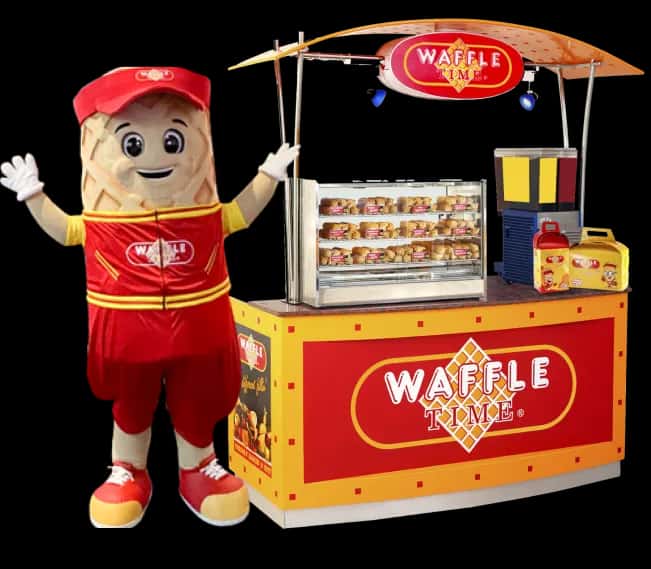
Waffle Time
Waffle Shop
- Franchise fee
- Not disclosed
- Total investment
- From ₱400k
Visit a branch
🎁 Start Your 1 Month Free Trial of the Full Plan, Exclusively for Brands & Advisors.Get Started
Browse 235 food cart franchises in San Jose City, including 34 affordable franchise brands under ₱100k that pay back in 3 to 10 months, 186 medium-investment franchise brands between ₱100k and ₱1M that pay back in 10 to 18 months, and 10 premium franchise brands above ₱1M that pay back in 18 to 24 months.
Updated
Casual Dining Restaurant
Visit a branch

Filipino Restaurant
Visit a branch
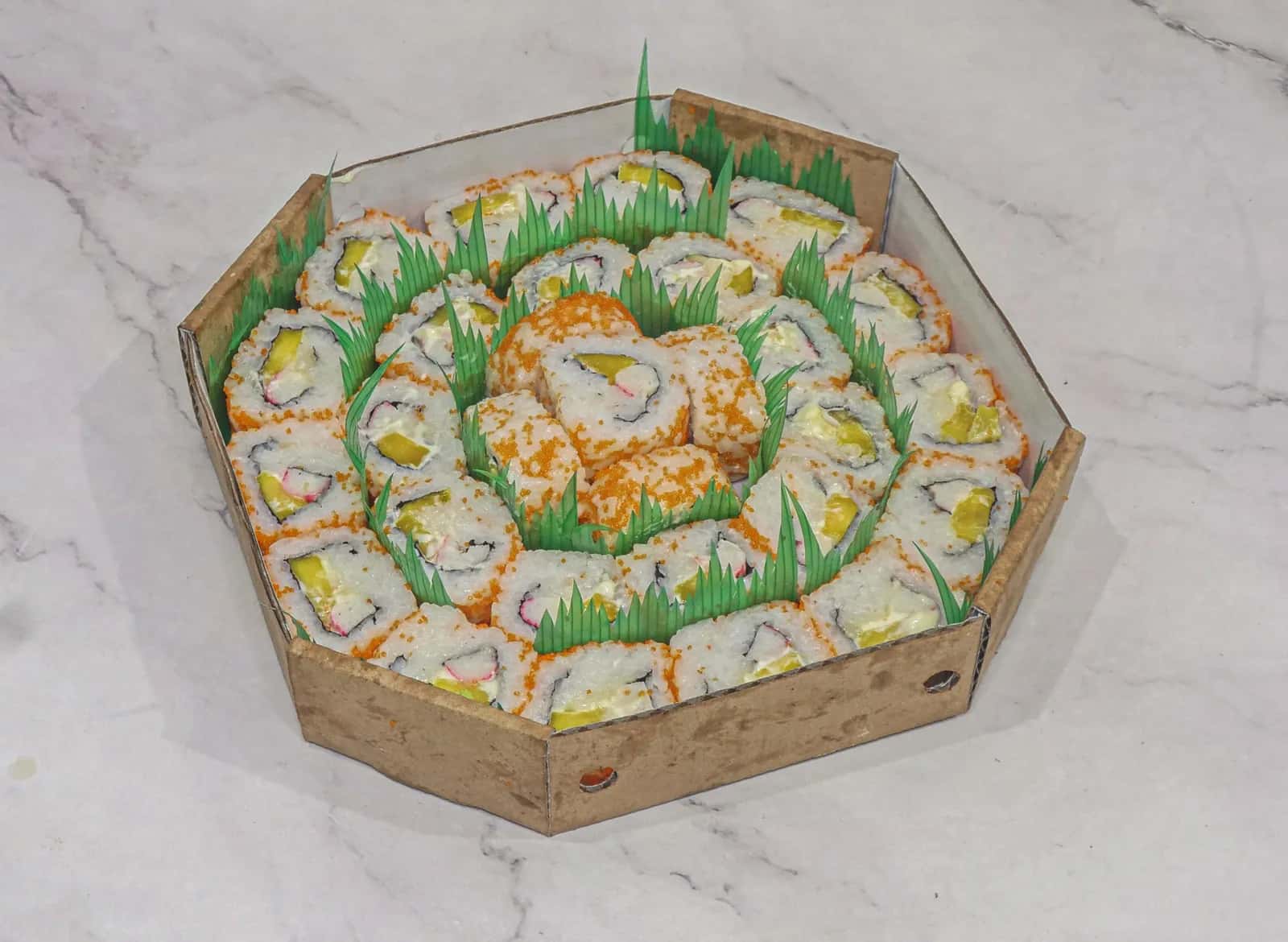
Takoyaki & Japanese Snacks
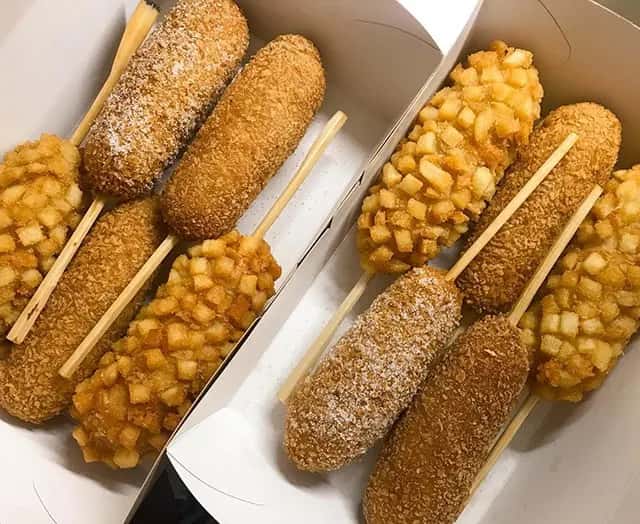
Korean Street Food

Cakes & Pastries
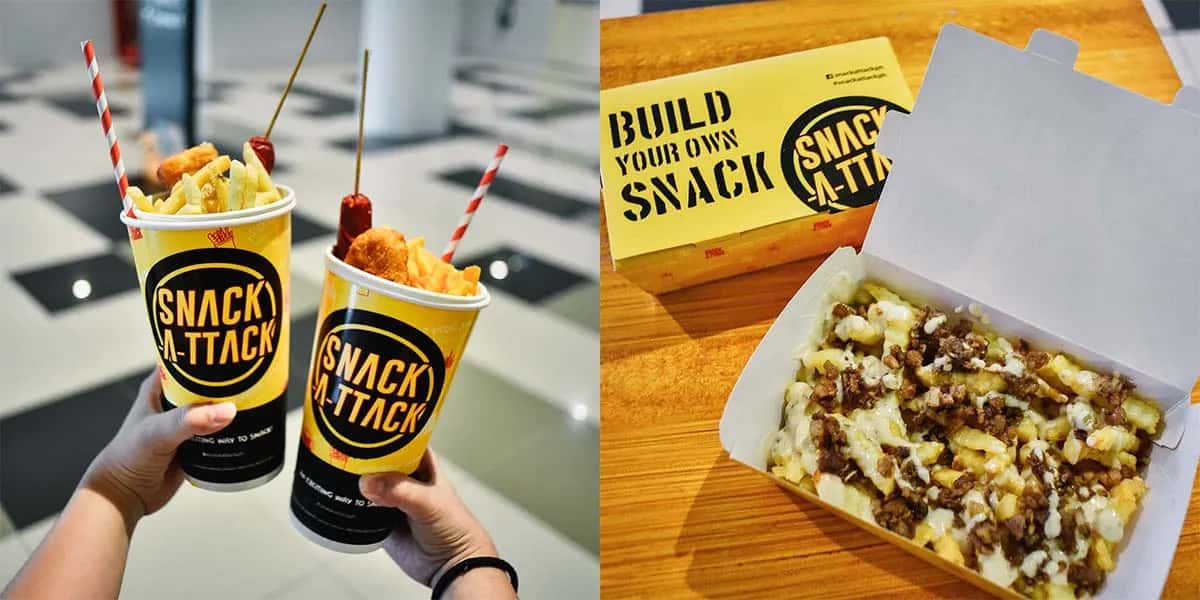
Street Food & Snacks
Visit a branch

Ice Cream & Desserts
Showing 24 of 235
San Jose City has about 1,193 businesses on the map, from food and drink to shops, services and clinics. Check what already operates near the spot you have in mind.
Population
150,9172020 census
Per 10,000 residents
79businesses we track
Business locations are based on Overture Maps open data (October 21, 2026 release) and do not represent a complete census of all businesses.
San Jose City, Nueva Ecija trades in rice on an industrial scale, with grain warehouses, mills, and trucking crews moving volumes far beyond what the surrounding farms alone could explain. A cart naming this city usually comes bundled with more than one footprint. Most brands that offer it here also sell the same idea as a kiosk, and a smaller share push further into a walled inline unit or even a standalone building. Entry money spans roughly ₱35,000 to ₱3.8M, with fees between ₱30,000 and ₱365,000, and the format chosen matters as much as which brand offers it for how that money actually gets spent.
A cart in San Jose City needs only pavement space and either a generator or a nearby outlet, which is why it costs the least of any format on offer. Almost every brand that sells one here also sells the same idea as a kiosk, a fixed stall suited to the covered areas around the grain trading centers and the public terminal. A smaller share stretch further into a full inline store with walls, usually once a spot near the trading district has already proven itself. A rare brand instead commits straight to a standalone building, a sign it is treating the city as a long-term base for reaching the surrounding rice country. None of these footprints changes what actually gets sold, only the fixed cost and the polish that comes with it. In a city built around the grain trade, truck traffic and warehouse schedules set the pace of the day. The flexibility to start cheap and relocate if a corner underperforms is worth more to most operators than the extra seating a walled unit would add.
Demand for a cart in San Jose City follows the rhythm of the grain trade rather than a typical office lunch hour. Truck crews, warehouse workers, and traders moving grain in and out of the city keep odd hours, often starting before sunrise and running through the heat of midday. A cart built around a normal nine-to-five misses a meaningful part of the day's actual traffic. Harvest season brings a sharp jump in activity as trucks queue at mills and warehouses, pulling in workers from surrounding towns who spend money in the city while they wait. Outside harvest, the trade slows but never fully stops, since the city still functions as a year-round hub for buying, selling, and storing grain. A cart timed to the loading and unloading schedule at a nearby mill or warehouse can catch a crowd that a cart built around typical retail hours would simply miss.
Anyone considering a cart in San Jose City should ask directly how a brand's typical hours assume the city runs. A package built around normal retail hours may already be missing the pre-dawn and midday windows that actually move money here. It is worth asking whether the fee includes any allowance for the heavier wear a cart takes from constant truck dust and exhaust near the trading areas, since that is a real cost most other cities would not add. Confirming who handles the site permit, and whether it needs renewing separately from any citywide business permit, saves confusion once the first year is underway. It also helps to ask how a brand's payback estimate treats the harvest cycle, since a projection built on a flat monthly average may not match how money actually moves through a grain trading city. None of these questions are about doubting what is on offer; they simply make sure the package and the city are being matched to each other correctly before money changes hands.
Money for a San Jose City cart starts around ₱35,000 and reaches about ₱3.8M at the fuller end, with fees running from ₱30,000 to ₱365,000 depending mostly on the footprint chosen. Nationwide, the same format can go as low as ₱3,000 and as high as ₱7M, with fees climbing past ₱1.5M on the priciest setups, a considerably wider spread on both ends than what actually lists this city. That gap matters less than it might seem, since the local figures already describe what a reader planning to open specifically in San Jose City should expect, rather than a national outlier built for a different kind of site. Payback locally runs four to eighteen months. The faster end of that window tends to belong to a cart that finds its footing quickly among the trading crowd, while the slower end usually belongs to a build that took longer to find the right corner. Whichever figure a reader lands on, the city's own grain economy is what will actually decide whether that number holds.
Now that you've seen what's here, a real advisor can help you shortlist and weigh the options against your budget. Free, at your pace.

Financing Readiness · Site Selection

Low-Capital Startups · Site Selection

Low-Capital Startups

Franchise Agreements · Multi-Unit Expansion
Are you a franchise advisor?Get your own workspace here
Choose an industry to see all of its franchises in San Jose City, with their fees and investment ranges.

Carts, kiosks, and full restaurants.
From ₱3k
Konam, Minute Burger, Turks Shawarma
See brands
Coffee, milk tea, and cold drink shops.
From ₱17k
Zagu, Barista Choi, Cha Thai
See brandsGet honest answers on the space, staff and money this setup really needs, free and with no pressure.
Because 27 of the 235 food cart franchises recruiting in San Jose City name San Jose City, you can split your reading in two. Read the named group slowly and the unnamed group quickly. If the named group already gives you enough options, you may not need the second at all. If it is small, the unnamed group fills the gaps. Splitting protects your time and keeps the count from feeling like a single mountain.
People who enjoy dealing with customers face to face tend to do well with a food cart, and San Jose City has cart franchise options that come to 235. The work is public and fast, with customers asking questions, haggling or complaining in front of others. If you prefer quiet work behind the scenes, you may find a home-based setup more comfortable. Spend a few hours helping a relative or friend who sells food to see how you feel about serving the public all day.
Internet connectivity can be a requirement for a food cart franchise in San Jose City, which starts at about ₱3k with most owners spending ₱50k to ₱600k. Point of sale systems, online orders and sales reports may all depend on a stable connection. Ask the franchisor what speed or type of connection they require. Then check which providers serve your exact location and what a business plan costs monthly, because a weak connection can slow down orders and reports.
Turnkey packages bundle the fee with other items, which makes food cart franchises in San Jose City look more expensive at ₱40k to ₱329k. Ask for the pure franchise fee separated from the rest of the package so you can compare it with franchisors that sell only the rights. Then compare the full package price on its own, so you understand both numbers rather than mixing them together.
Clear records will help you see if your working capital is enough. For a food cart franchise in San Jose City, keep receipts, track sales daily and compare actual costs to your plan. Simple accounting tools or apps can make this easier, and the habit of recording everything from the start makes it much easier to spot problems and adjust before your reserve runs out.
A side franchise works when it fits around your commute rather than fighting it. If a food cart franchise in San Jose City sits along your route between home and work, quick check-ins become easy, while a distant site turns every visit into a project. Before choosing a spot, time the trip from your office during rush hour and see whether a weekday visit is realistic.
Franchisors fall along a spectrum on this, from those who scout San Jose City, negotiate the lease and hand you a ready spot for a food cart, to those who only sign off on a location you found yourself. Where a franchisor sits on that spectrum affects both your timeline and your workload. Ask for examples of recent franchisees and how their sites were chosen, which reveals the real practice far better than any sales pitch or brochure can.
Most agreements state a fixed term, though the length itself is decided by each franchisor, so food carts in San Jose City do not share a single standard. Try to find out what usually happens at the end in practice by asking the franchisor how many franchisees have renewed and how many left. A franchisor willing to share that history openly helps you judge whether the contract term is something people tend to complete happily.
A legitimate franchisor can show you its DTI or SEC registration without hesitation, and the business name on that certificate should match the name on the franchise agreement you are asked to sign. Before opening a food cart franchise in San Jose City, request a copy and look it up yourself through the government's online registry. A mismatch between the company you pay and the company you contract with is a serious warning. If the franchisor delays or gets defensive about such a basic request, treat that as your answer.
A non-compete clause can follow you after a food cart in San Jose City closes. Many agreements bar you from running a similar business nearby for a set period, which limits how you can reuse your equipment and experience. Read how wide the restriction is in both distance and time, and ask whether it still applies when you close because of poor sales rather than a breach of contract.
Compare how many franchises run as each kind of setup in San Jose City, from food carts to full standalone stores.
Compare how many food cart franchises take franchisees in each place, nearest first.
The food cart franchises with the smallest published starting packages, a good place to look if you want to start small.

Ice Cream & Desserts
Visit a branch

Chicken & BBQ
Korean Street Food

Korean Street Food
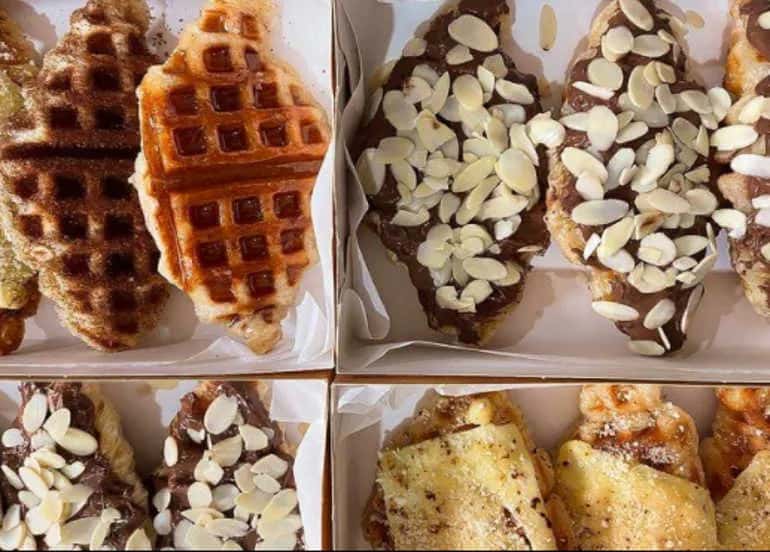
Cakes & Pastries

Milk Tea & Boba
Takoyaki & Japanese Snacks
Pizza & Pasta
The food cart franchises whose franchisors quote the shortest time to earn back the investment, worth checking against your own costs.

Juices & Shakes
Visit a branch
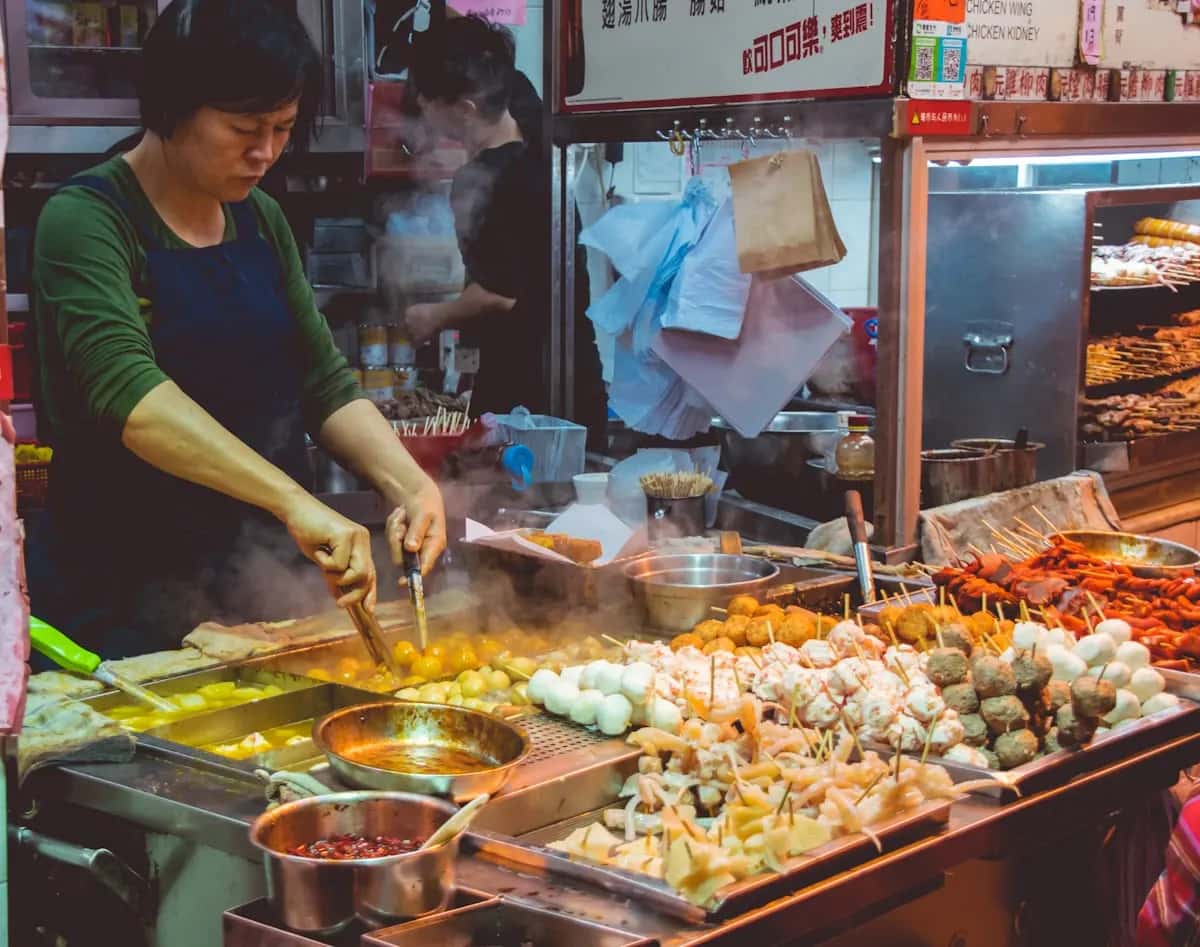
Street Food & Snacks
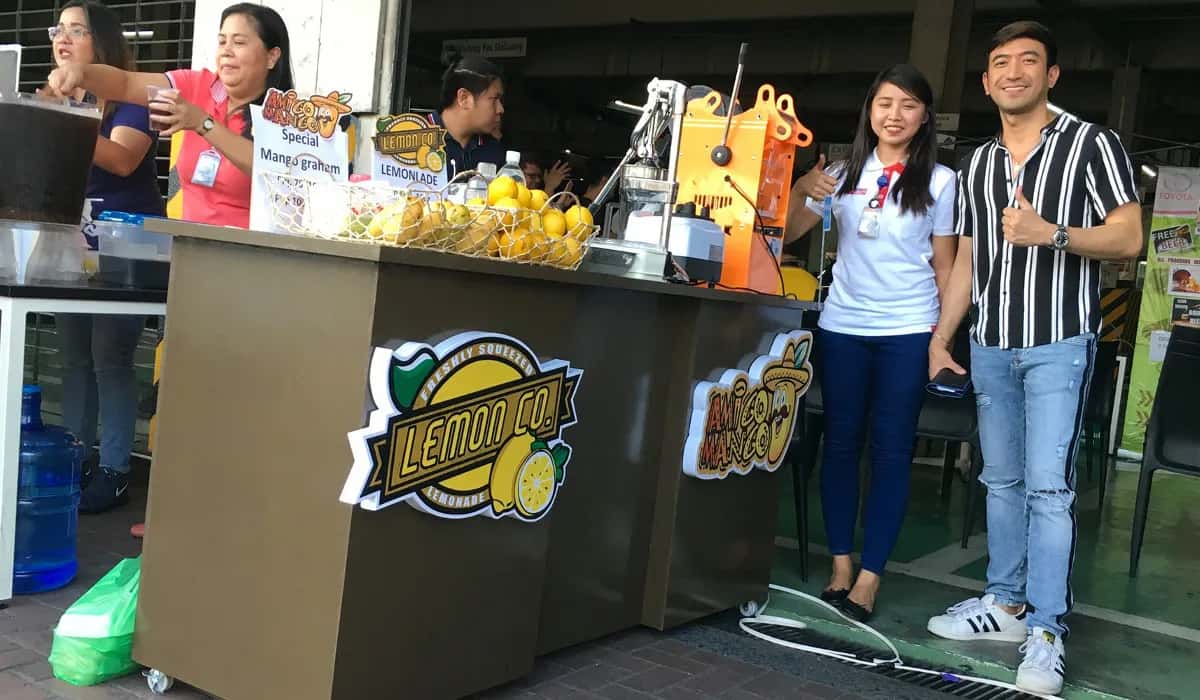
Waffle Shop
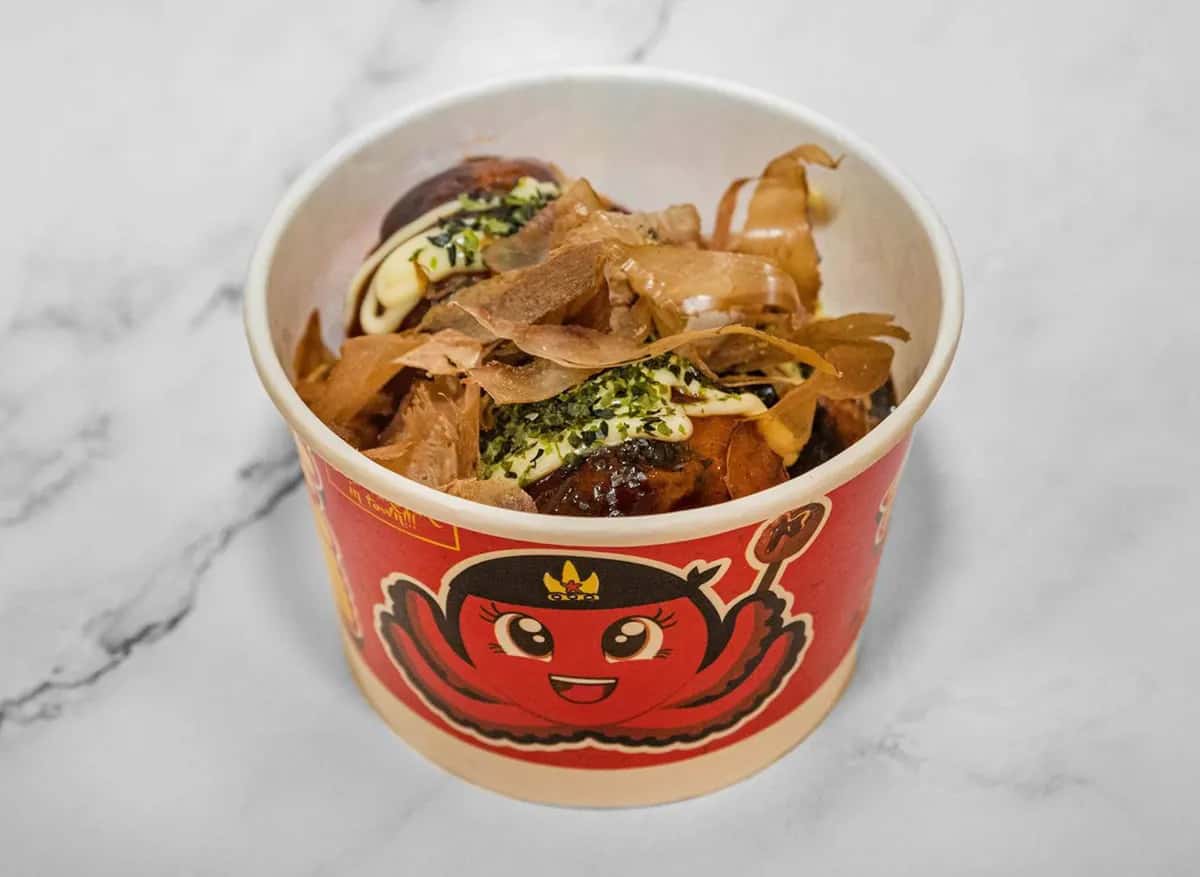
Takoyaki & Japanese Snacks
Visit a branch
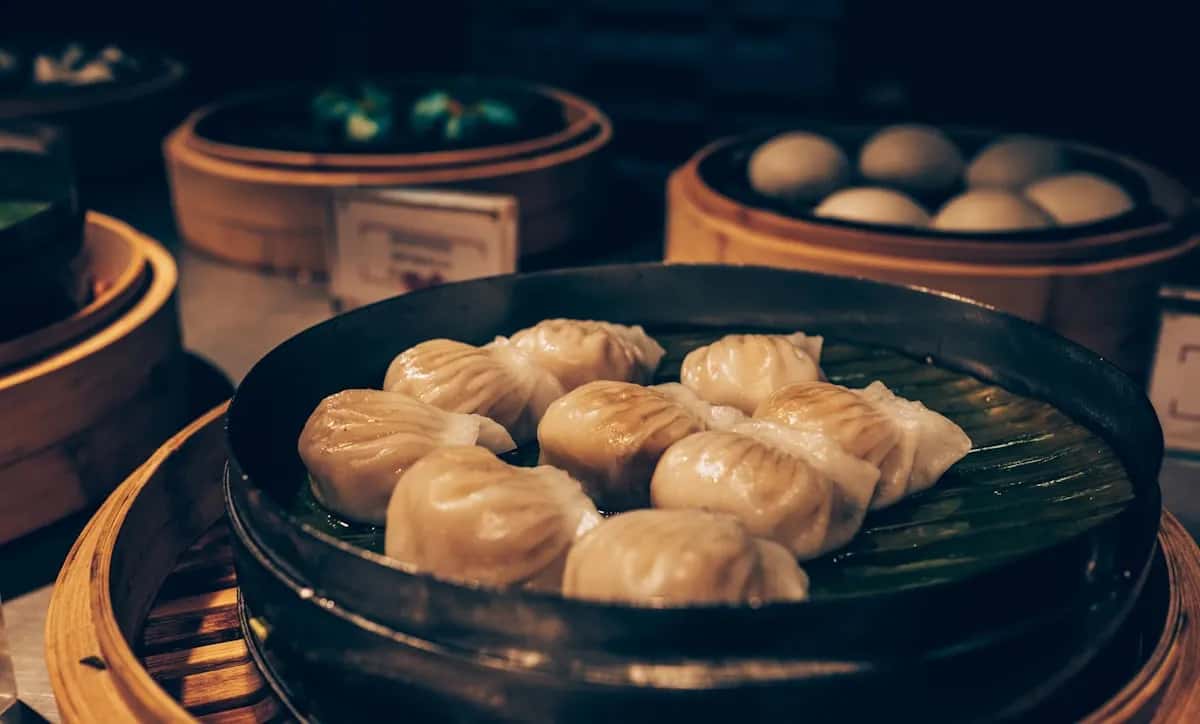
Siomai & Dimsum
Street Food & Snacks
Street Food & Snacks
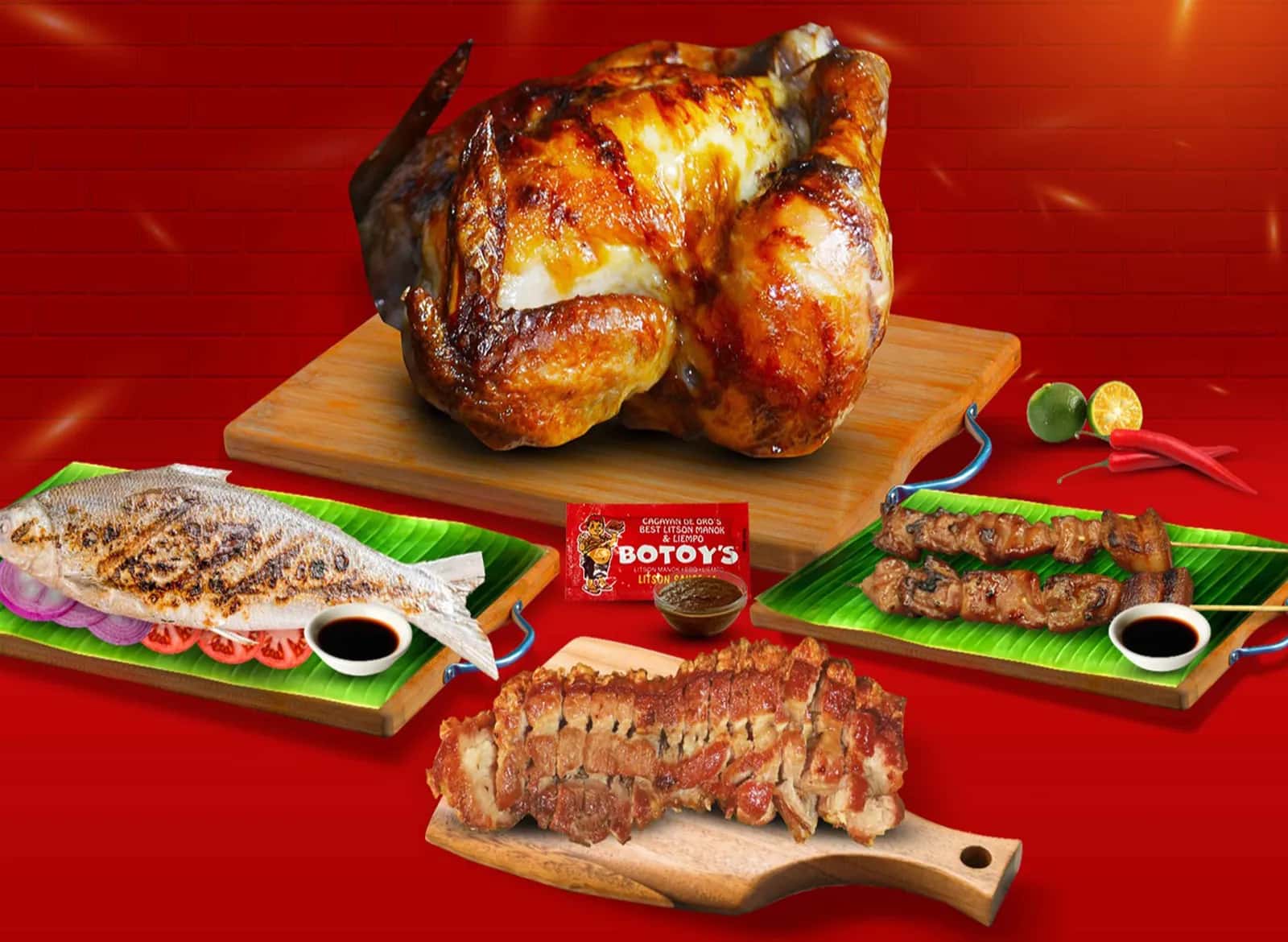
Chicken & BBQ
Visit a branch
Food Cart franchises that charge no franchise fee, so more of your money goes into the setup itself.

Filipino Restaurant
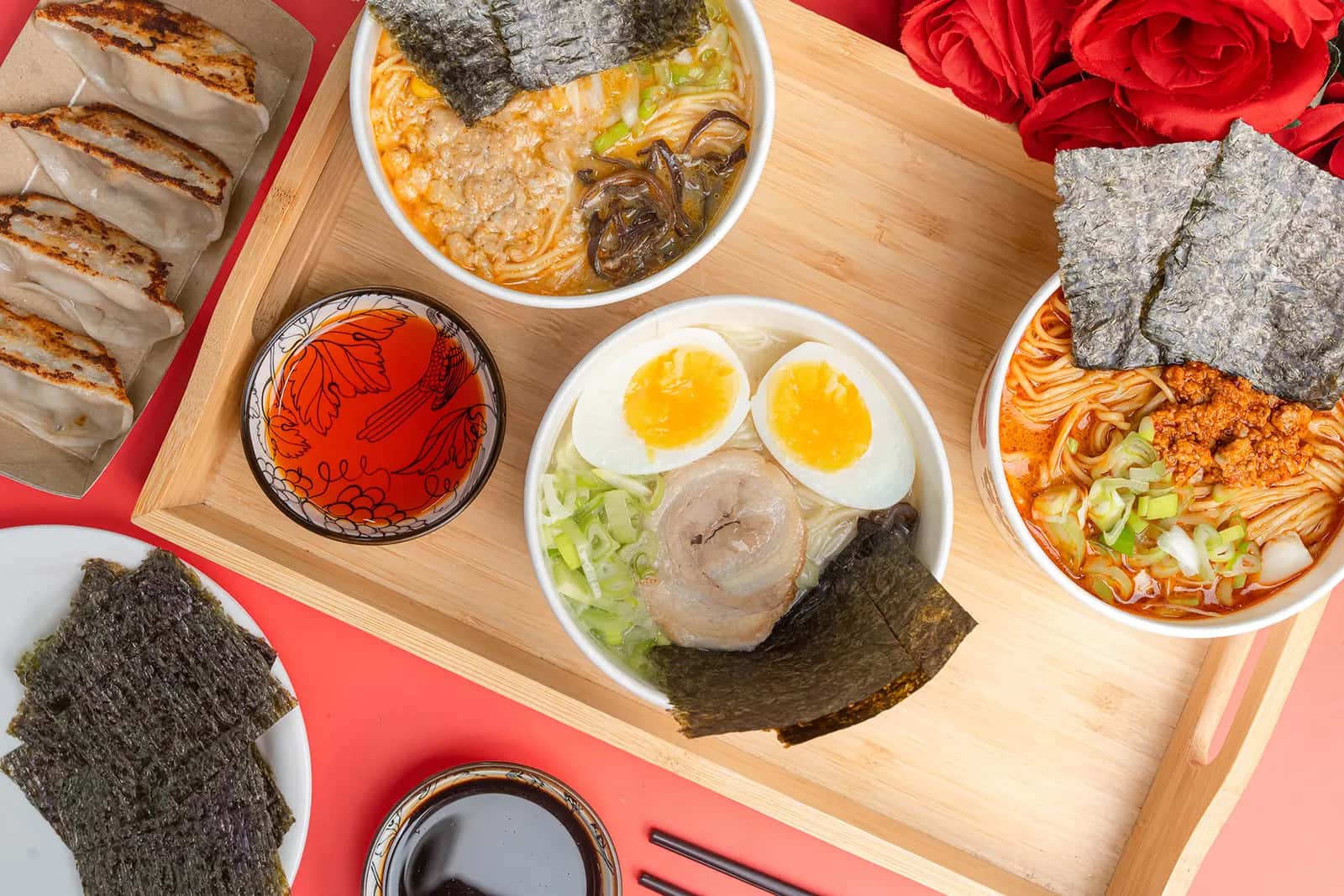
Takoyaki & Japanese Snacks

Ice Cream & Desserts

Retail & Convenience
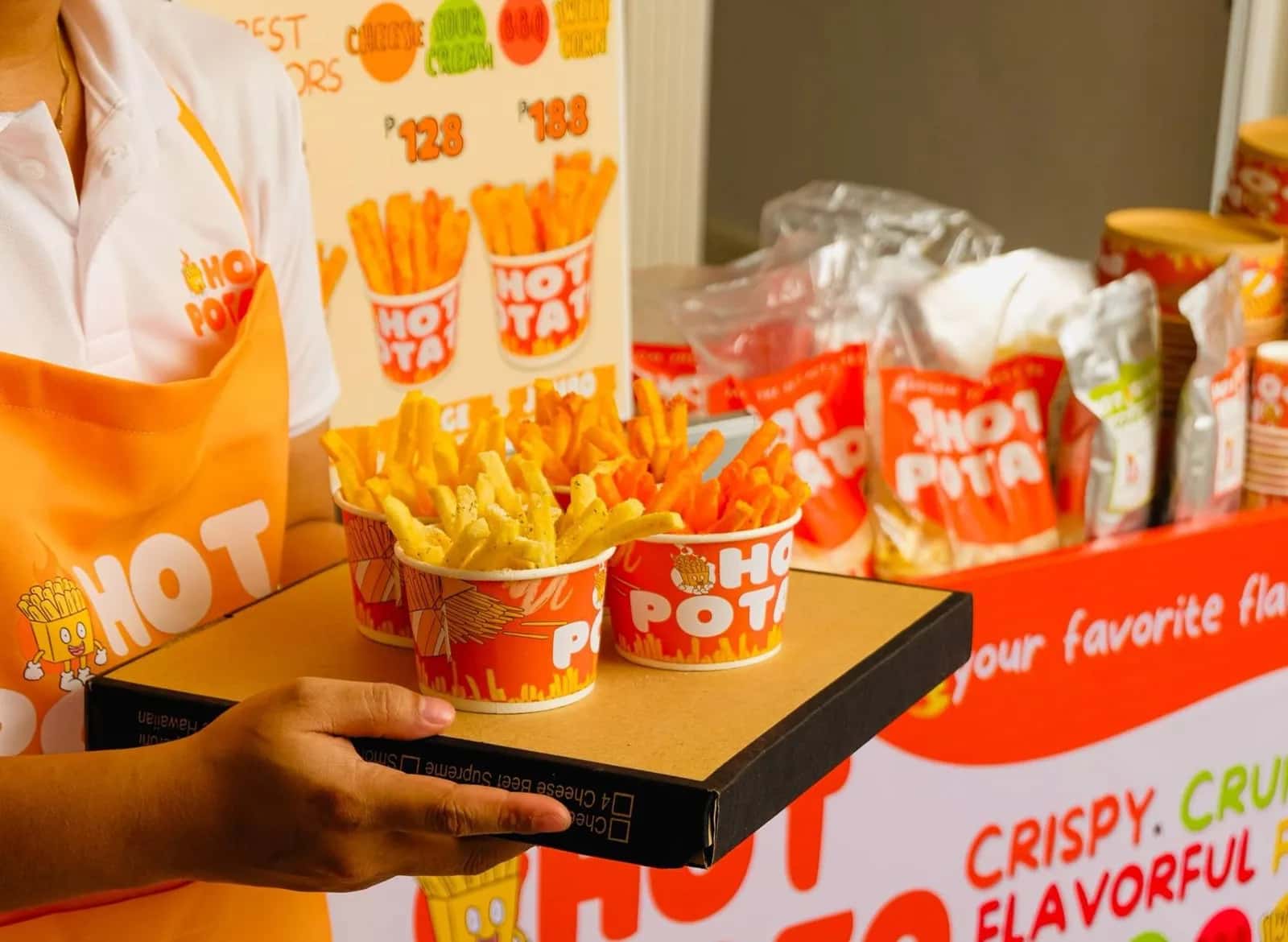
Fries & Potato Snacks
Visit a branch
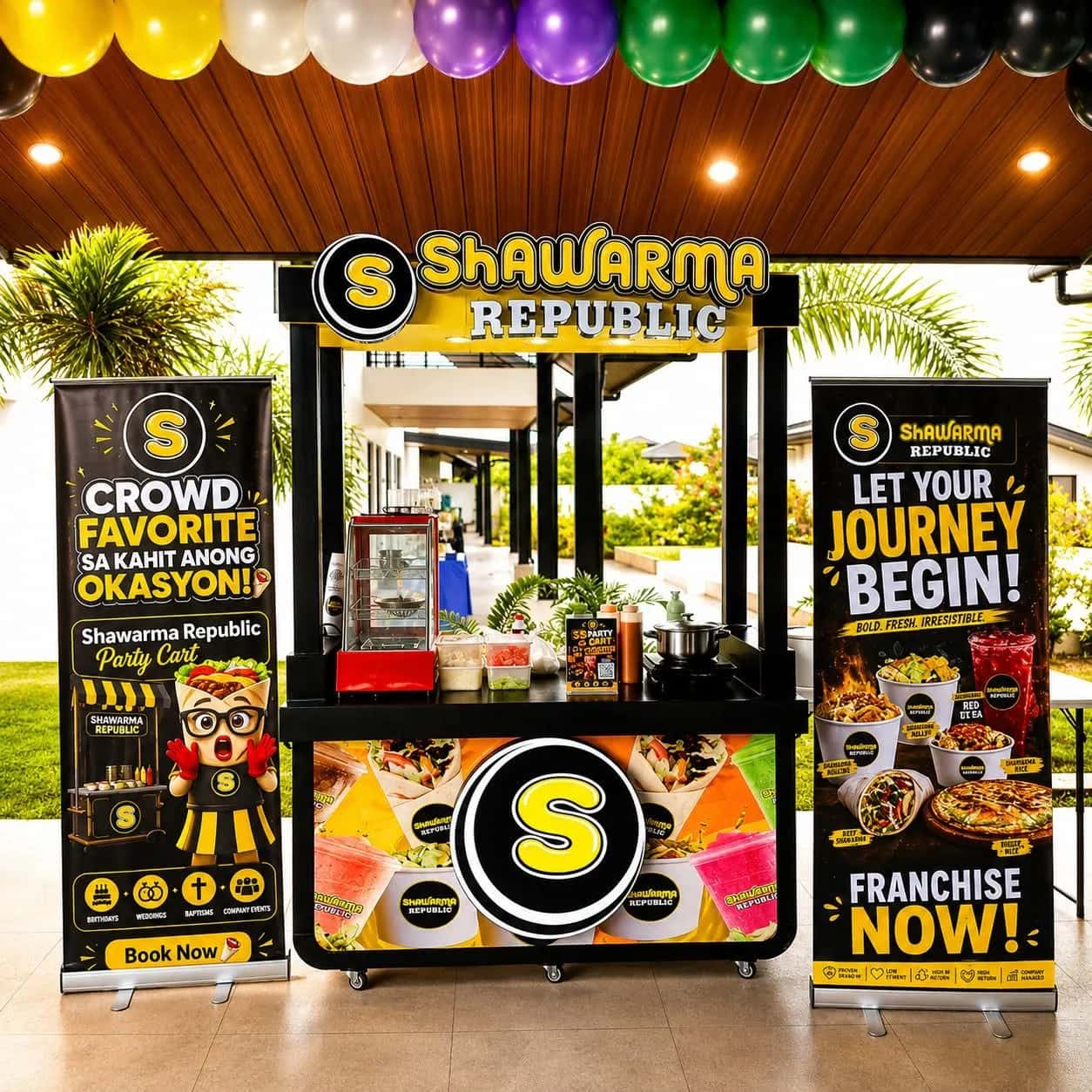
Shawarma
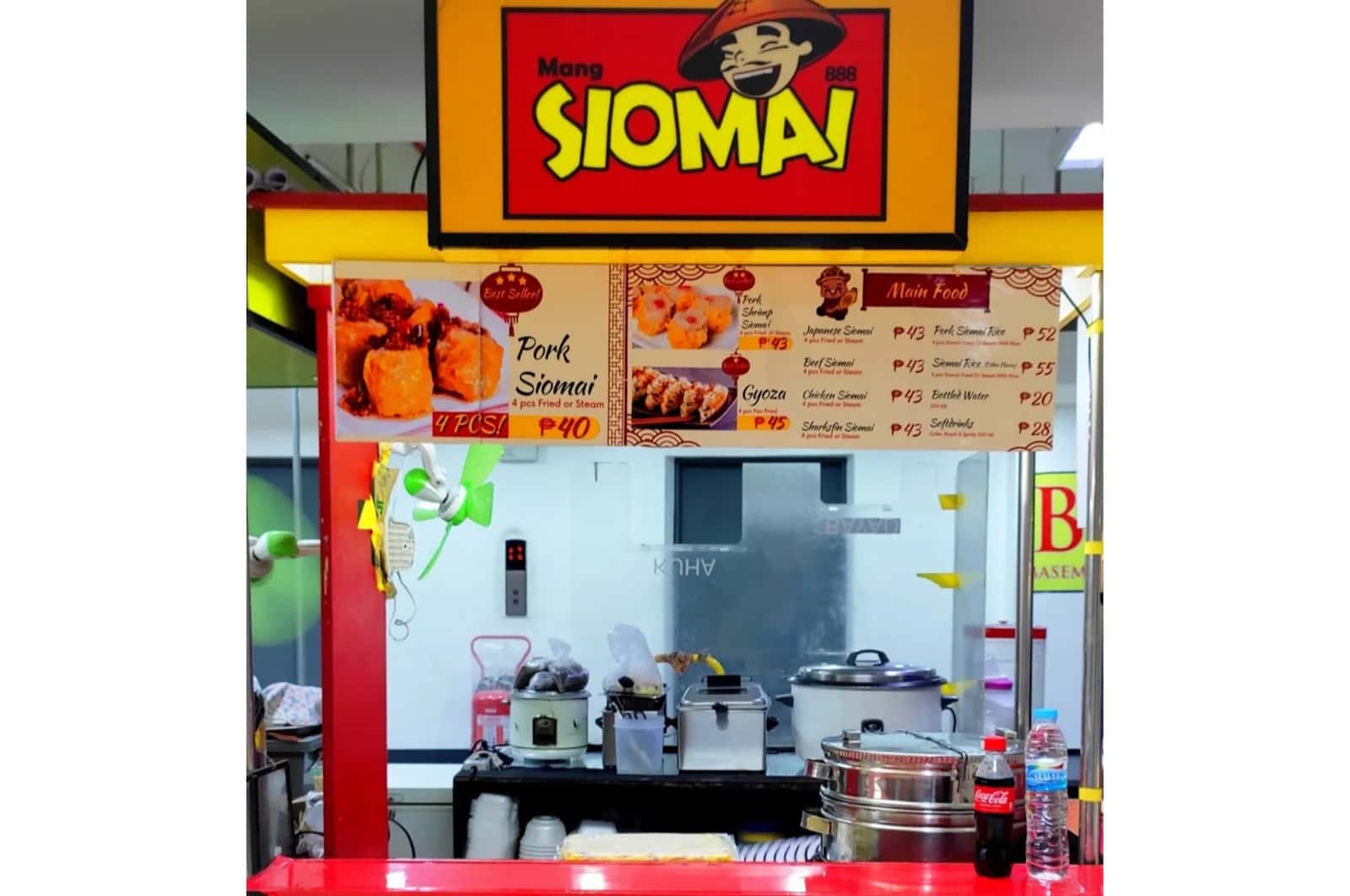
Siomai & Dimsum
Juices & Shakes
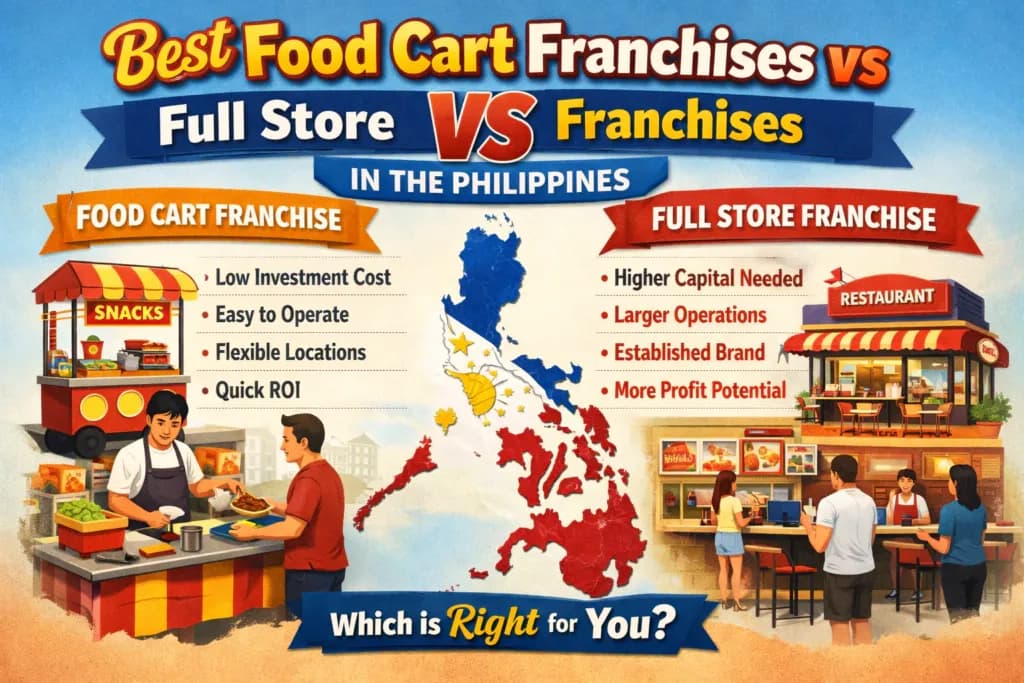
Learn how to choose between a food cart and a kiosk franchise in the Philippines by comparing costs, space, and target locations.
Aug 4, 2026 6 min read
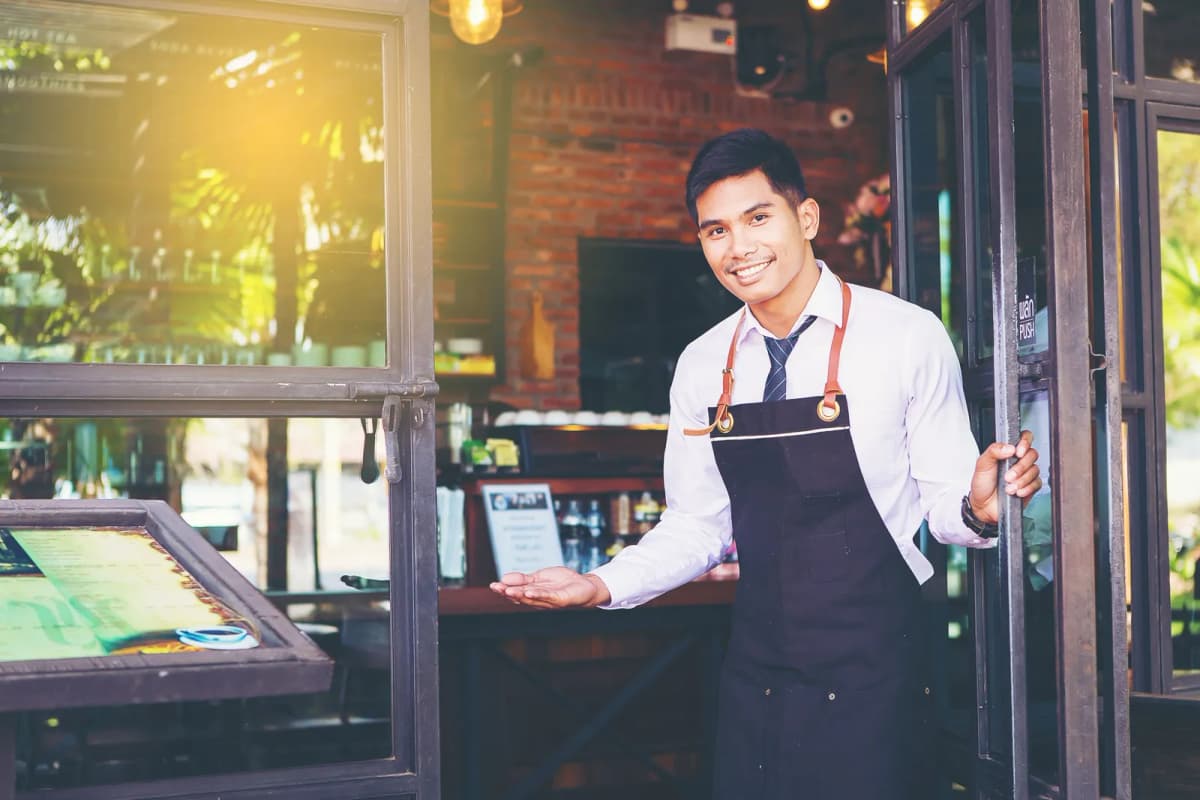
Learn what brand voice covers, why a franchisor guards it so closely, and how to work inside those rules while still sounding like your own neighborhood.
Sep 30, 2026 4 min read
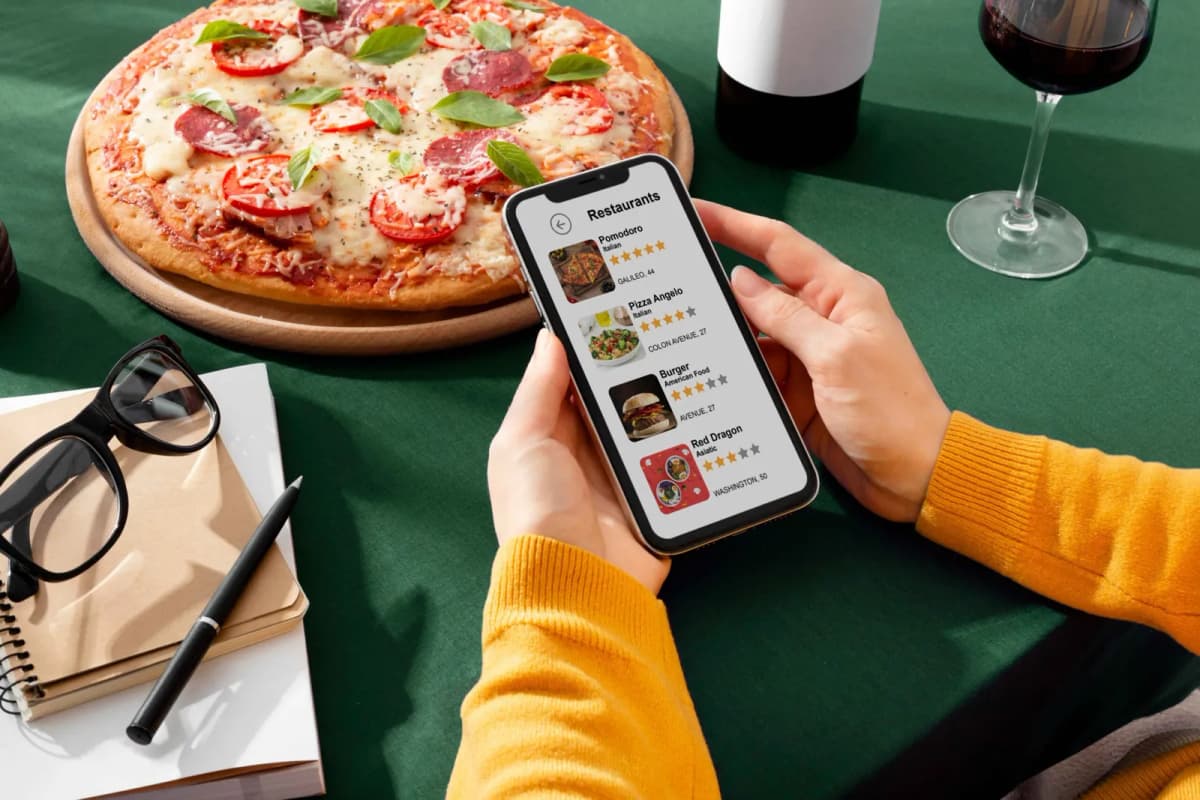
Learn how a franchise owner can collect honest customer reviews by asking at the right moment, making it easy, and handling the bad ones well.
Sep 30, 2026 4 min read