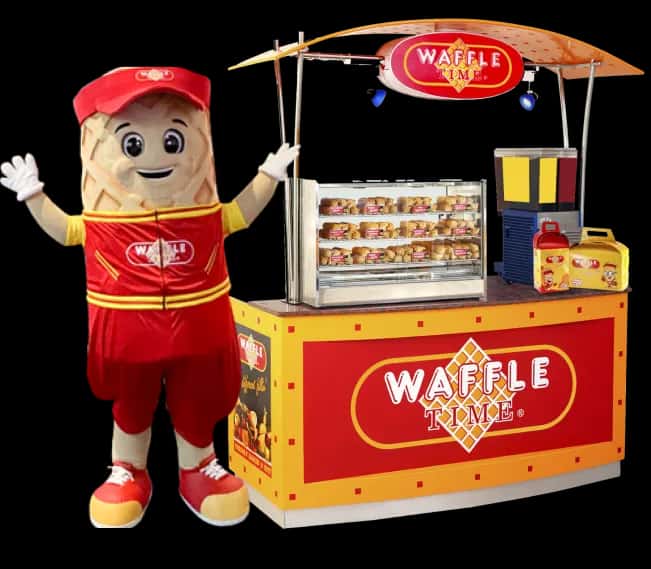
Waffle Time
Waffle Shop
- Franchise fee
- Not disclosed
- Total investment
- From ₱400k
🎁 Start Your 1 Month Free Trial of the Full Plan, Exclusively for Brands & Advisors.Get Started
Browse 213 food cart franchises in Marawi, including 31 affordable franchise brands under ₱100k that pay back in 3 to 9 months, 167 medium-investment franchise brands between ₱100k and ₱1M that pay back in 10 to 18 months, and 10 premium franchise brands above ₱1M that pay back in 18 to 24 months.
Updated
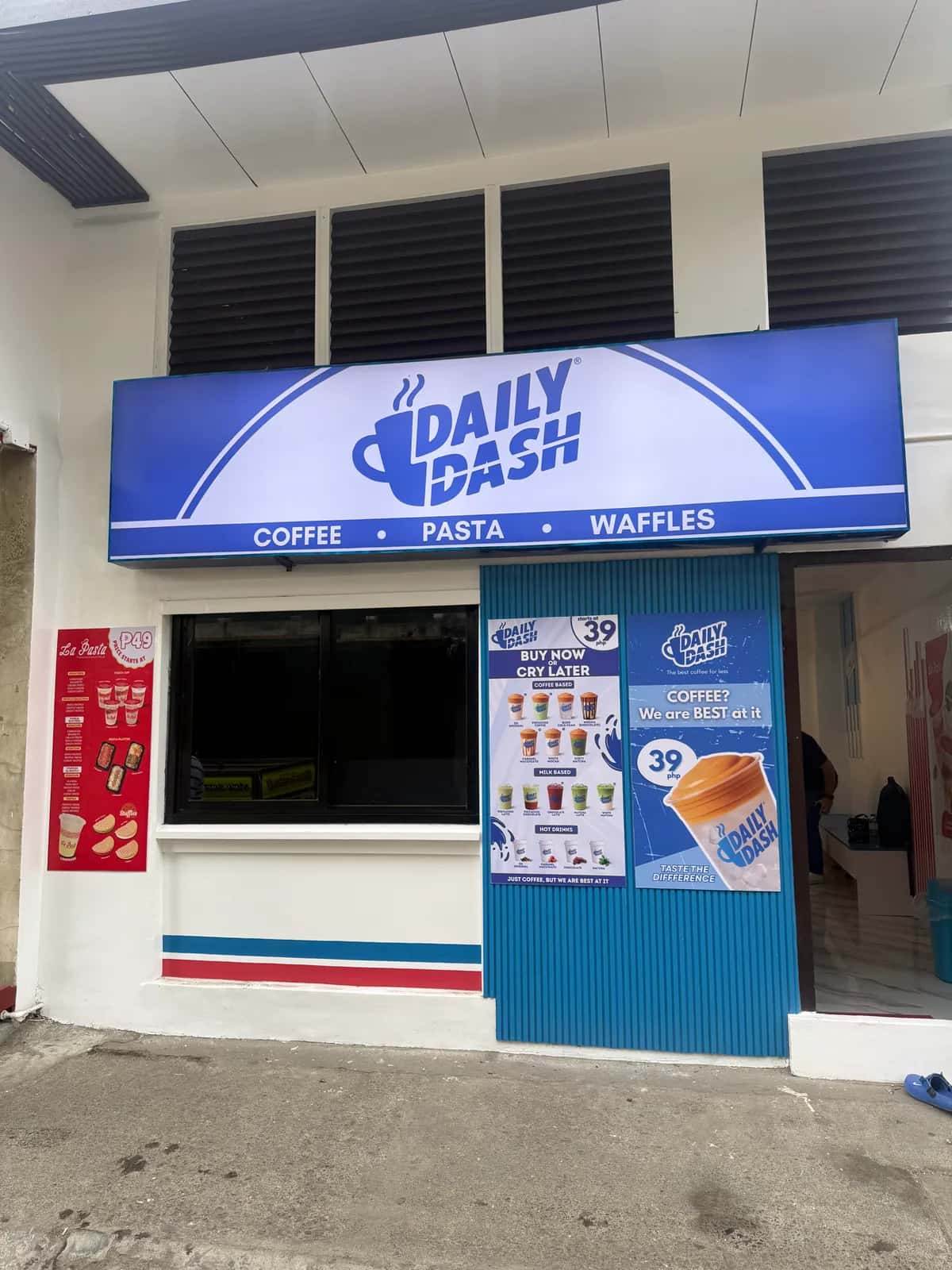
Coffee Shop
Visit a branch
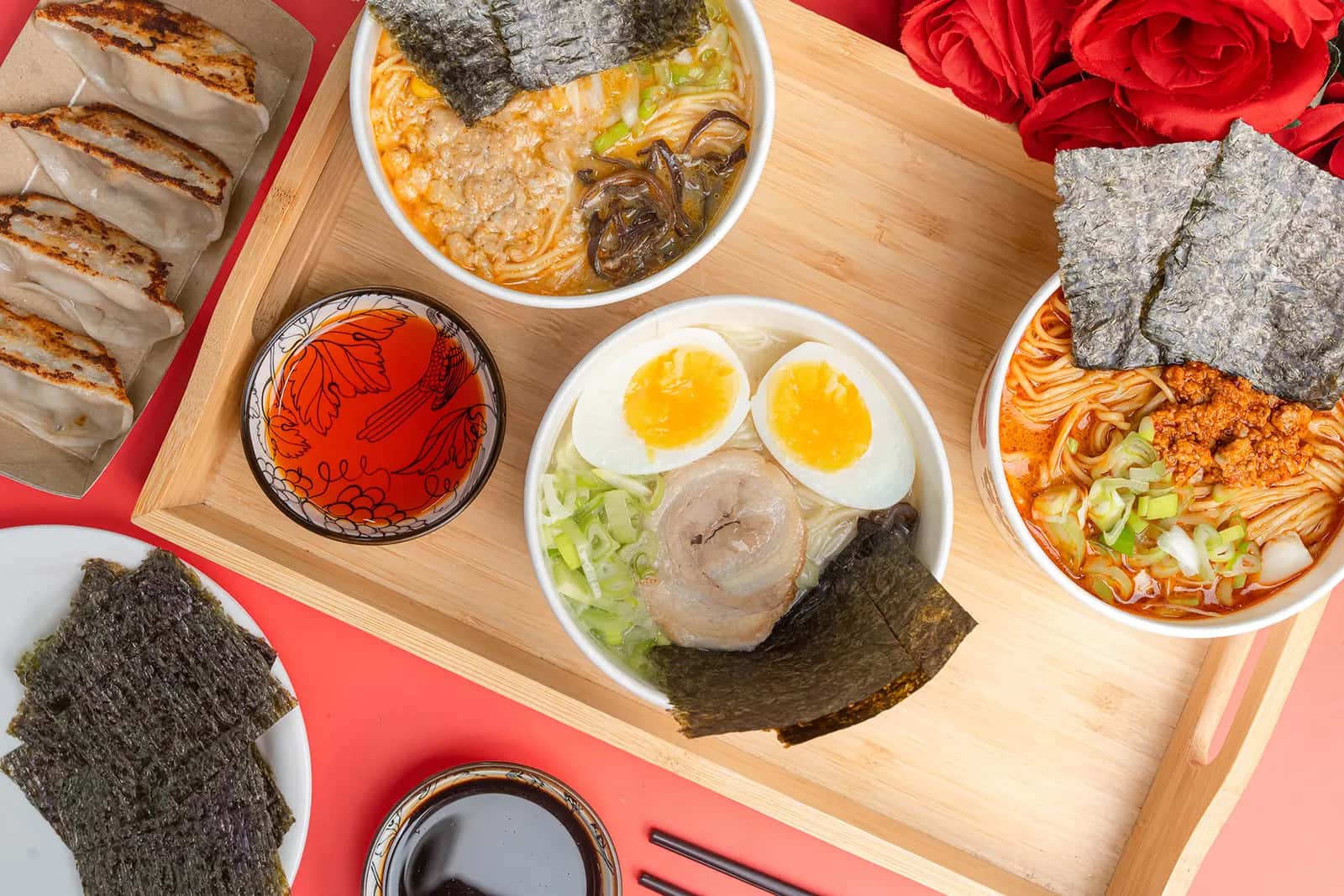
Takoyaki & Japanese Snacks
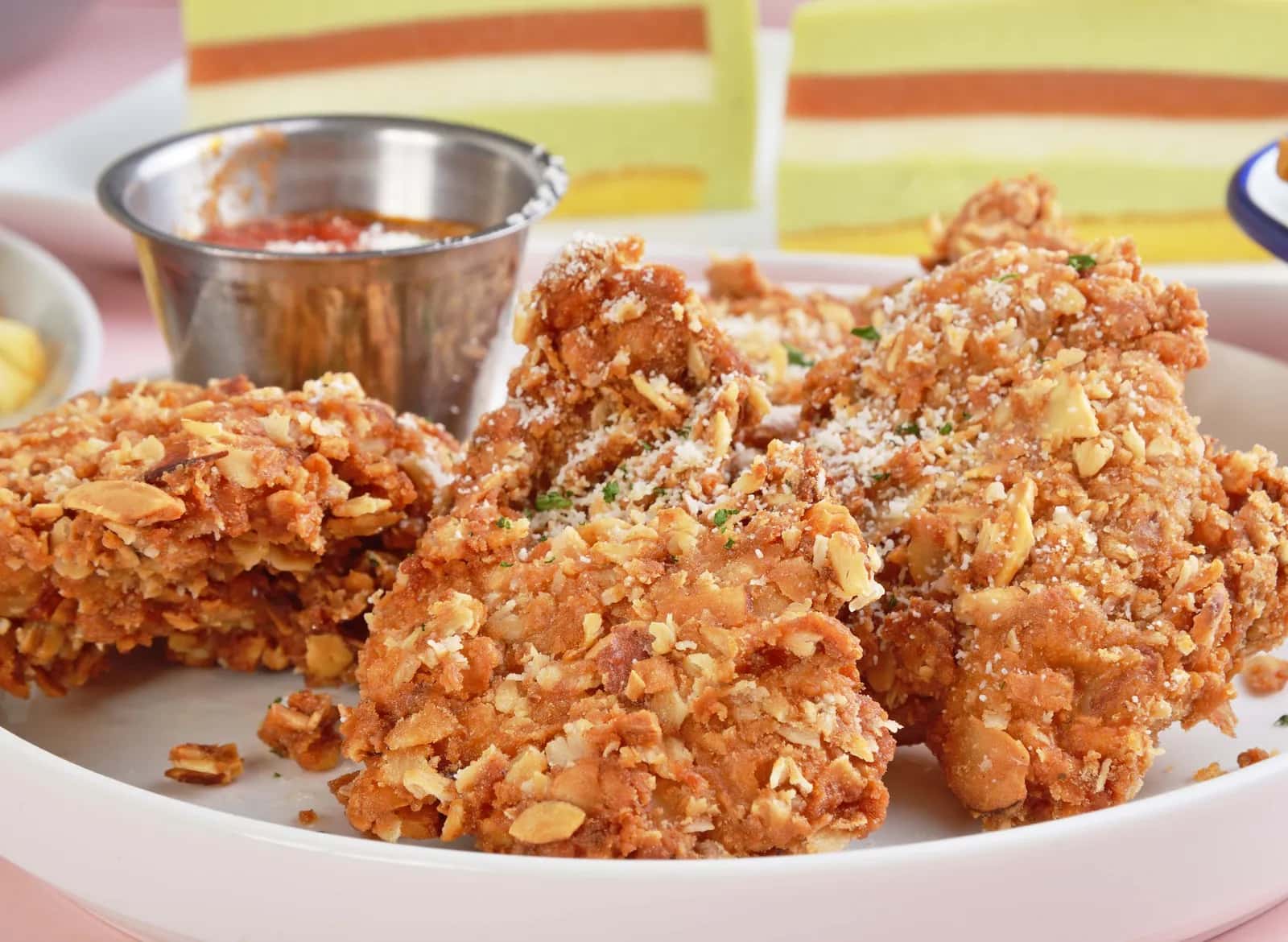
Chicken & BBQ
Visit a branch
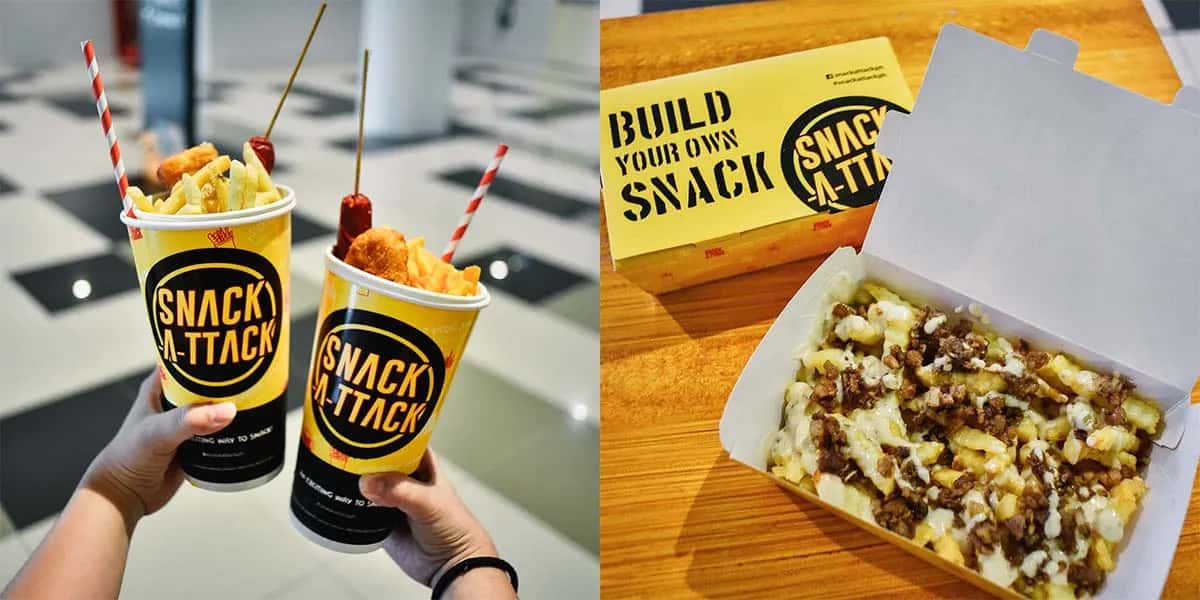
Street Food & Snacks
Visit a branch
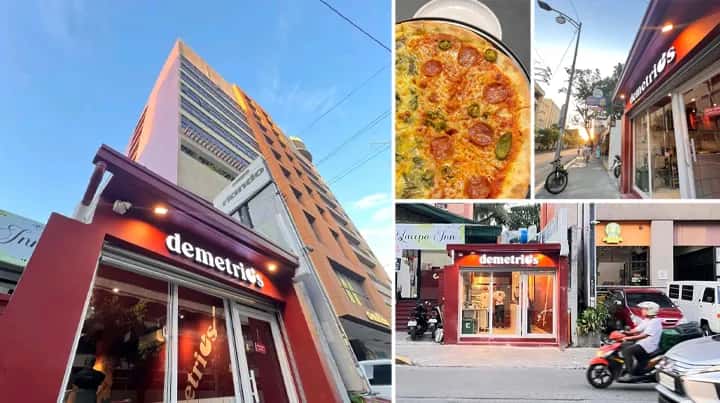
Street Food & Snacks
Visit a branch
Juices & Shakes
Showing 24 of 217 (213 in Marawi, 4 nearby)
Marawi has about 545 businesses on the map, from food and drink to shops, services and clinics. Check what already operates near the spot you have in mind.
Population
207,0102020 census
Per 10,000 residents
26businesses we track
Business locations are based on Overture Maps open data (October 21, 2026 release) and do not represent a complete census of all businesses.
Getting into the cart trade in Marawi, Lanao del Sur takes about ₱190,000 at the low end, climbing past ₱1.5M for a fully equipped build. The starting fee usually falls between ₱50,000 and ₱200,000. Local names carrying the format here are a modest but genuine presence on the lake shore, and most also sell a kiosk. The wider nationwide range for the format starts far lower, at around ₱3,000, for the barest rig sold anywhere.
Marawi sits on the shore of Lake Lanao and has long been a market town for the Meranaw communities that trade there. Brasswork, textiles, and produce move through its stalls on a regular rhythm. A food cart fits naturally into that kind of commerce. Locally, entry starts around ₱190,000, enough for a basic rig with the essentials, and climbs past ₱1.5M for a build with more equipment and a bigger footprint. The starting fee, typically ₱50,000 to ₱200,000, tends to move with that same range, covering more training and support at the higher end. What separates a basic setup from a fuller one is mostly capacity: a simple rig handles a narrow menu well, while a bigger build can hold more stock and cook more items at once, useful on the busiest market days. For a first-time operator with limited capital, the lower end of that range is still enough to open, just with a smaller menu to start.
Set against the nationwide range, Marawi's entry price of around ₱190,000 sits above the cheapest rigs sold elsewhere, which start at about ₱3,000, but stays well under the ₱7M top some of the costliest builds reach nationwide. The payback window locally, 6 to 18 months, sits comfortably inside the wider 2 to 24 month range the nationwide figures cover. Every local name that sells a cart here also sells a kiosk, matching almost exactly the near-universal nationwide pattern for that combination. About a fifth also offer an inline storefront, a share close to the nationwide figure of just under a quarter. What that tells a prospective operator is that Marawi's cart trade does not behave like an outlier: it follows the same broad shape as the format everywhere else, just at a smaller local scale. The money, the payback, and the format mix all sit within familiar territory rather than requiring a special plan just for this market.
A cart in Marawi is typically a one or two person operation: someone cooking, someone handling the counter and the queue during the busiest hours around the market. Trade tends to follow the market's own rhythm, busiest on the days people come in from surrounding areas to buy and sell, quieter in between. That pattern makes a spot near the market itself more valuable than one further off, even if the rent or the foot traffic elsewhere looks similar on paper. Stock has to be bought fresh and often, since a cart holds very little, so a working relationship with nearby sellers matters as much as the recipe itself. The 6 to 18 month payback window assumes that market rhythm holds fairly steady through the year, so a first-time operator should watch a few market cycles before deciding how much to expect in a slower month. Building trust with the surrounding trading community, most of whom already know each other, often does more for a new cart's early months than any signage or promotion could.
Marawi's daily life centers on its public market and the streets around it, where the Meranaw trading tradition still shapes how goods move through the city. A cart near the market gate catches people already there to buy or sell, cash in hand and used to bargaining, which suits a straightforward food stall well. A university campus on the edge of the city adds another kind of crowd, students and staff moving between classes on a schedule that repeats every day during the term. The lakeside setting itself draws people toward the water in the cooler parts of the day, another kind of gathering point worth considering for a cart that can travel to where a crowd forms. Choosing between these depends mostly on rhythm: the market rewards a cart that opens early and closes by mid-afternoon, while a spot near the university does better catching the times classes let out. A cart's mobility is its biggest advantage here, letting an operator test more than one of these spots before settling into whichever one actually performs.
Now that you've seen what's here, a real advisor can help you shortlist and weigh the options against your budget. Free, at your pace.

Financing Readiness · Site Selection

Franchise Agreements · Multi-Unit Expansion

Low-Capital Startups · Site Selection

Low-Capital Startups
Are you a franchise advisor?Get your own workspace here
Choose an industry to see all of its franchises in Marawi, with their fees and investment ranges.

Carts, kiosks, and full restaurants.
From ₱3k
Konam, Minute Burger, Turks Shawarma
See brands
Coffee, milk tea, and cold drink shops.
From ₱17k
Zagu, Barista Choi, CLT Cafe
See brandsGet honest answers on the space, staff and money this setup really needs, free and with no pressure.
On the Marawi list sit 213 food cart franchises recruiting franchisees. Since the list reflects what franchisors choose to publish, quality of information varies from one listing to the next. Favor those that explain their terms plainly and rank lower those that rely mostly on promises. Plain information makes comparison possible, and comparison is what turns a long count into a confident decision.
Excitement alone is a poor reason to choose a cart, and in Marawi the 213 cart franchises all deserve the same calm look. Excitement fades quickly once daily work begins. Before deciding, sleep on it and list the reasons that would still hold a week later. If your reasons are about your money, spot and time, the setup likely fits you.
Free extras offered with a fee of ₱40k to ₱329k for food cart franchises in Marawi are often paid for inside the fee itself. Ask what a free item would cost if bought on its own, and whether the fee falls if you decline it. Seeing the real value of each extra helps you decide whether the bundle is generous or whether the headline price simply includes things you did not need.
In many cases, franchisors estimate 6 to 18 months for a food cart franchise in Marawi to pay for itself, but that assumes a steady customer base forms quickly. Building regulars takes time, especially in a spot where the franchise is not yet known. Ask what local marketing the franchisor provides during the opening months and what you will need to do yourself. A plan for flyers, social media or partnerships with nearby businesses can help sales reach the projected level sooner.
As things stand, Overture Maps open data lists 545 businesses in Marawi within food and drink with 174, services with 113 and shops and retail with 89 categories, missing some shops along the way. The map cannot tell you how long each business has survived. When you visit, ask nearby owners how many years they have been operating there. A street where shops last a long time usually means steady customers, while frequent new faces can signal a spot where businesses struggle.
It helps that a franchise is built so owners need not be experts, which makes keeping your day job more realistic. The franchisor's manuals and suppliers handle much of the know-how for food carts, so your manager in Marawi follows a system rather than inventing one. Ask to see the operations manual or a summary of it, so you can judge how easy the routine is to hand over.
Absolutely, an OFW can start with a food cart franchise in Marawi, and many overseas workers begin with a single outlet before thinking about more. Getting that first one running smoothly from abroad teaches you what remote ownership demands, from reporting to staff issues to handling suppliers. Resist offers to buy several locations at once, and wait until the first one shows steady results before you commit more of your overseas earnings.
Before committing to a food cart franchise in Marawi, ask the franchisor who is responsible for finding and approving the location. Some franchisors scout sites themselves, while others leave it entirely to you and only sign off at the end. Ask whether your reservation fee is refundable if no approved spot turns up, and how long the franchisor usually takes to accept or reject a site you propose, so you are not left waiting on a branch that never opens.
Compare how many franchises run as each kind of setup in Marawi, from food carts to full standalone stores.
Compare how many food cart franchises take franchisees in each place, nearest first.
The food cart franchises with the smallest published starting packages, a good place to look if you want to start small.
Ice Cream & Desserts
Chicken & BBQ
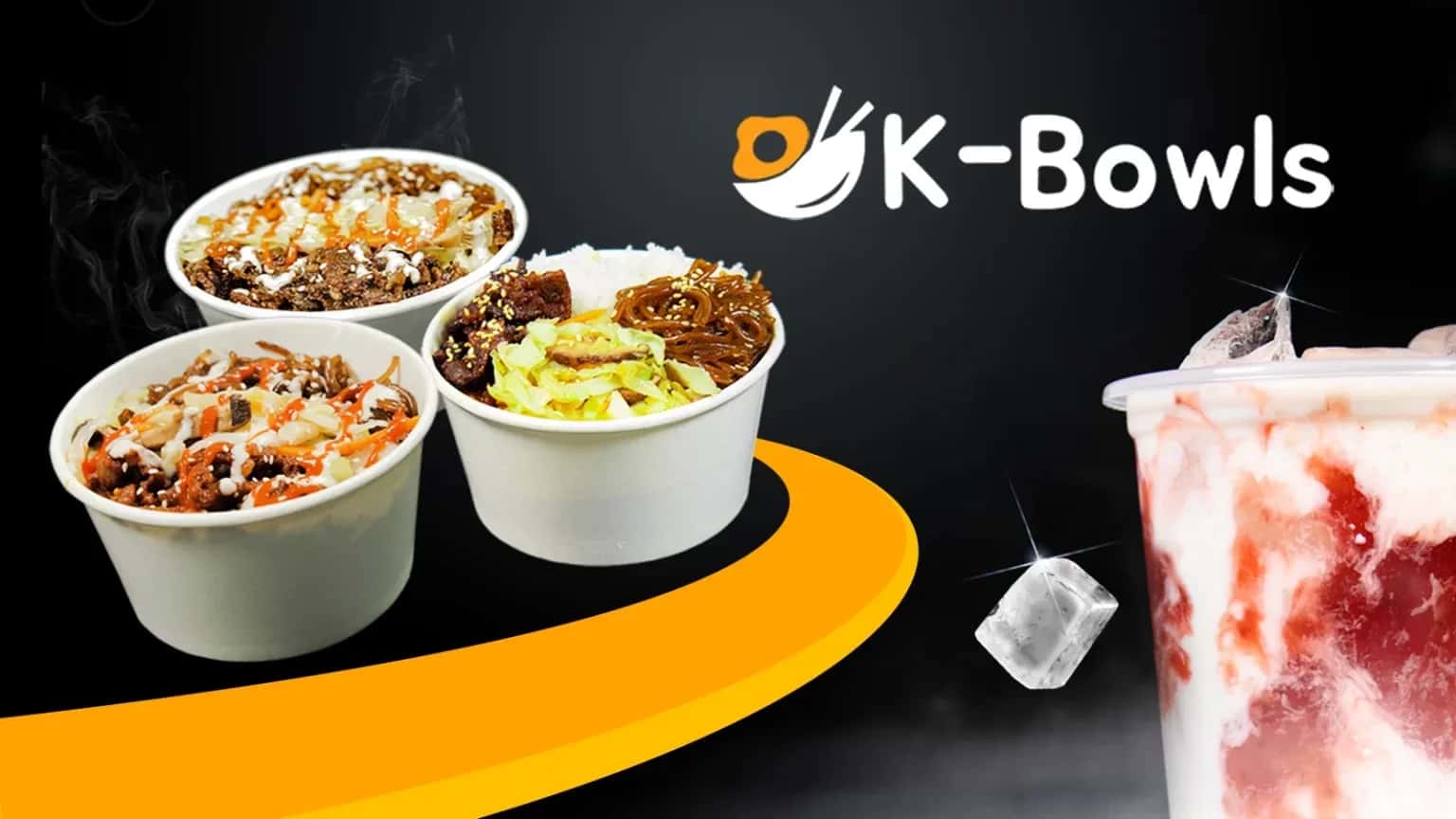
Korean Street Food
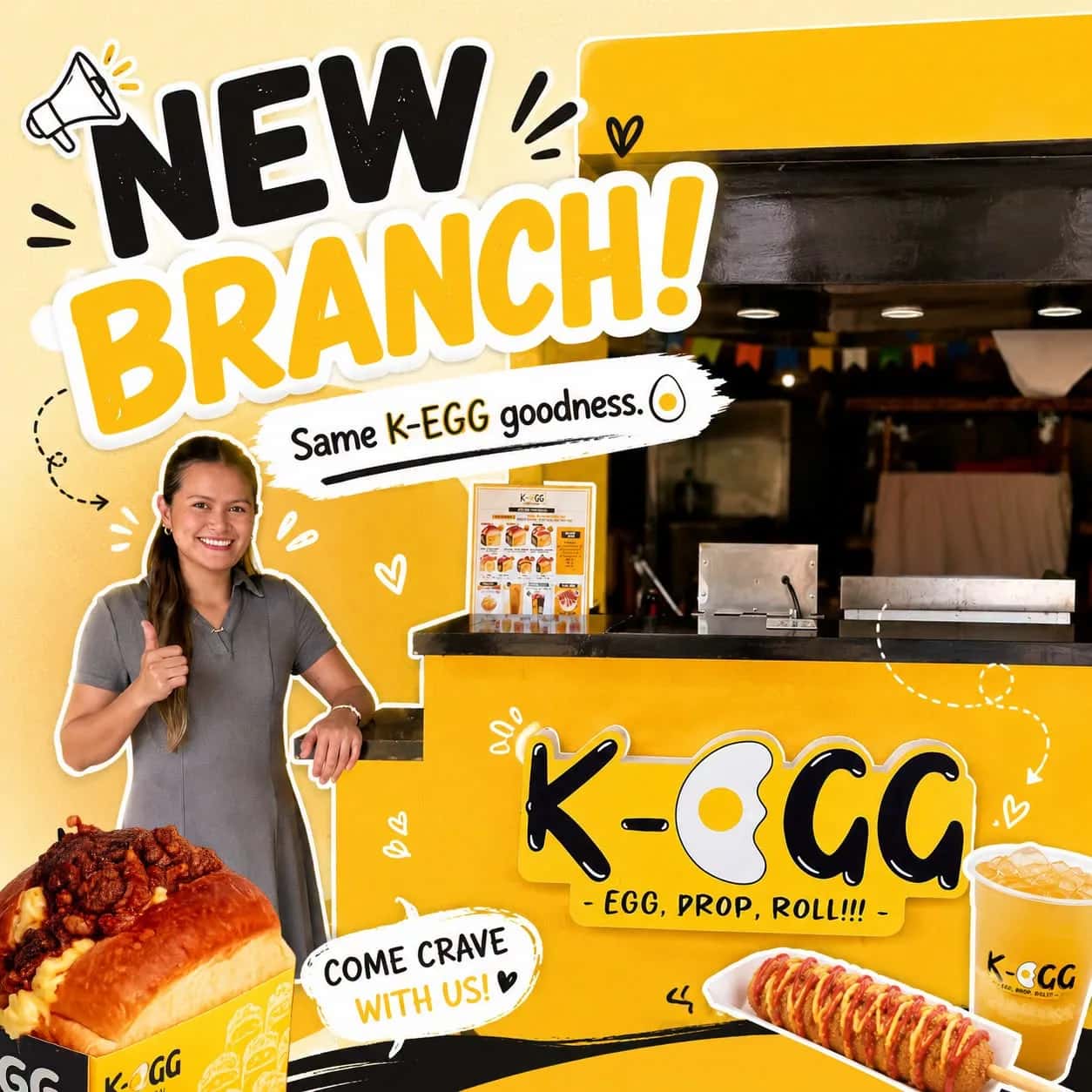
Korean Street Food
Cakes & Pastries

Milk Tea & Boba
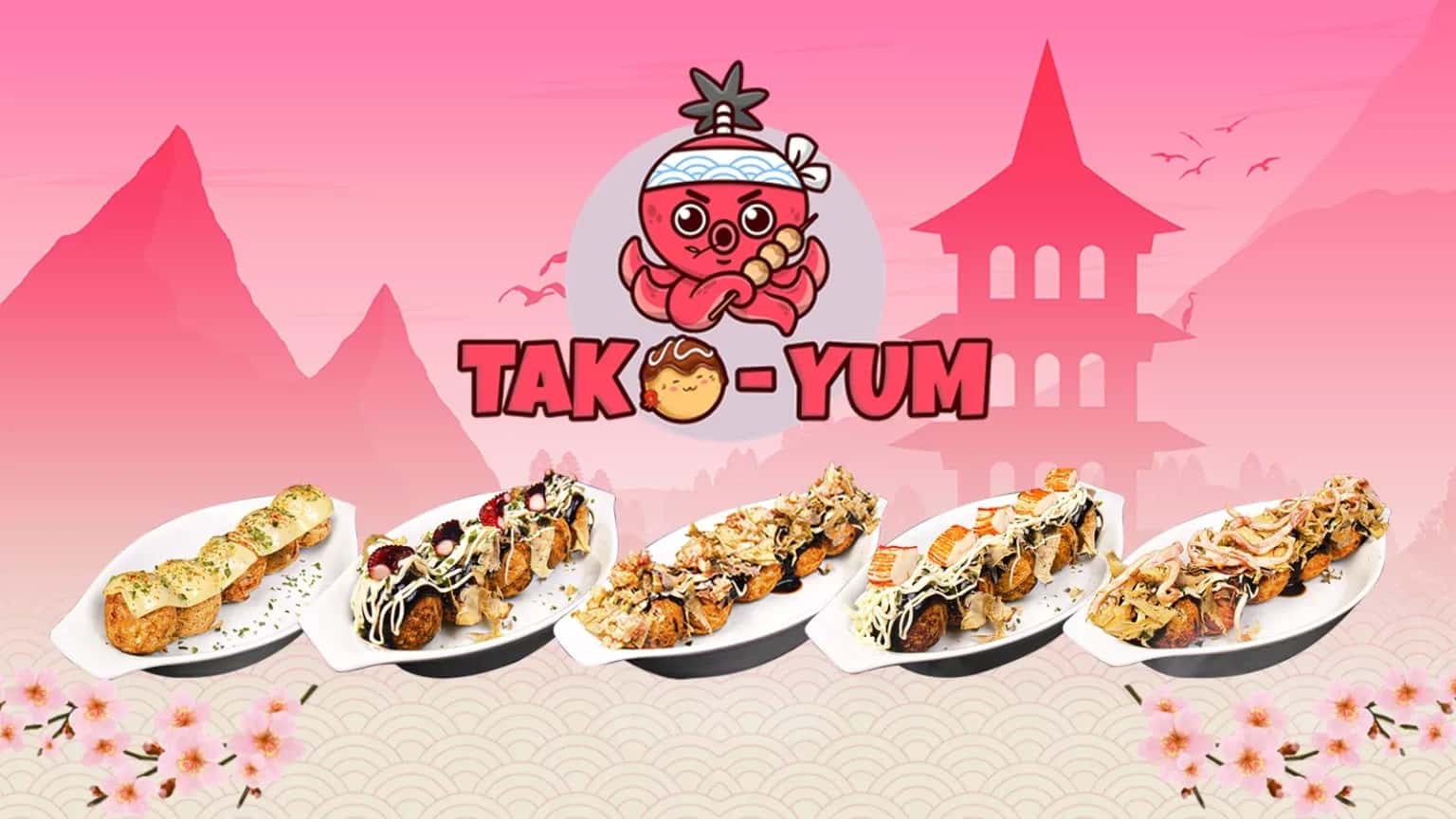
Takoyaki & Japanese Snacks
Pizza & Pasta
The food cart franchises whose franchisors quote the shortest time to earn back the investment, worth checking against your own costs.

Juices & Shakes
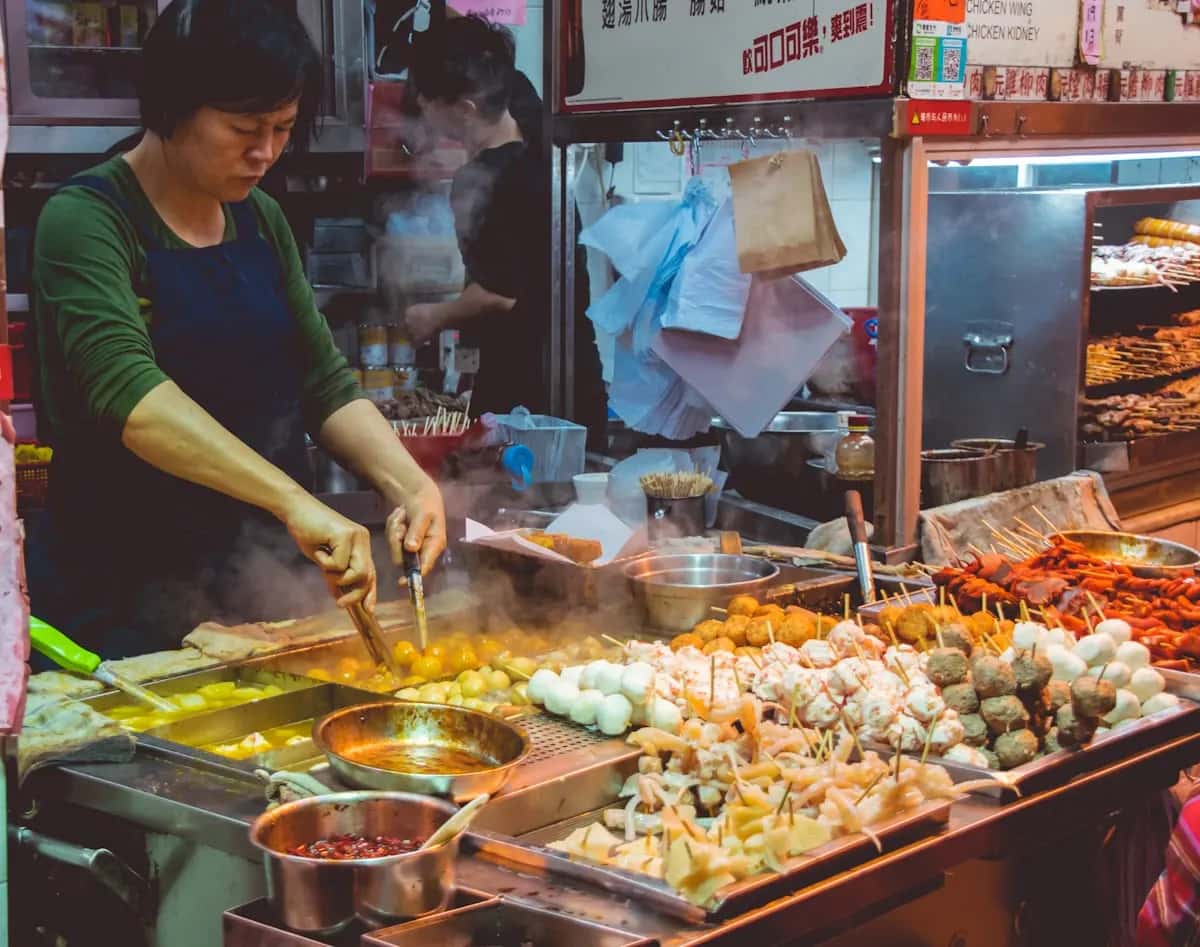
Street Food & Snacks
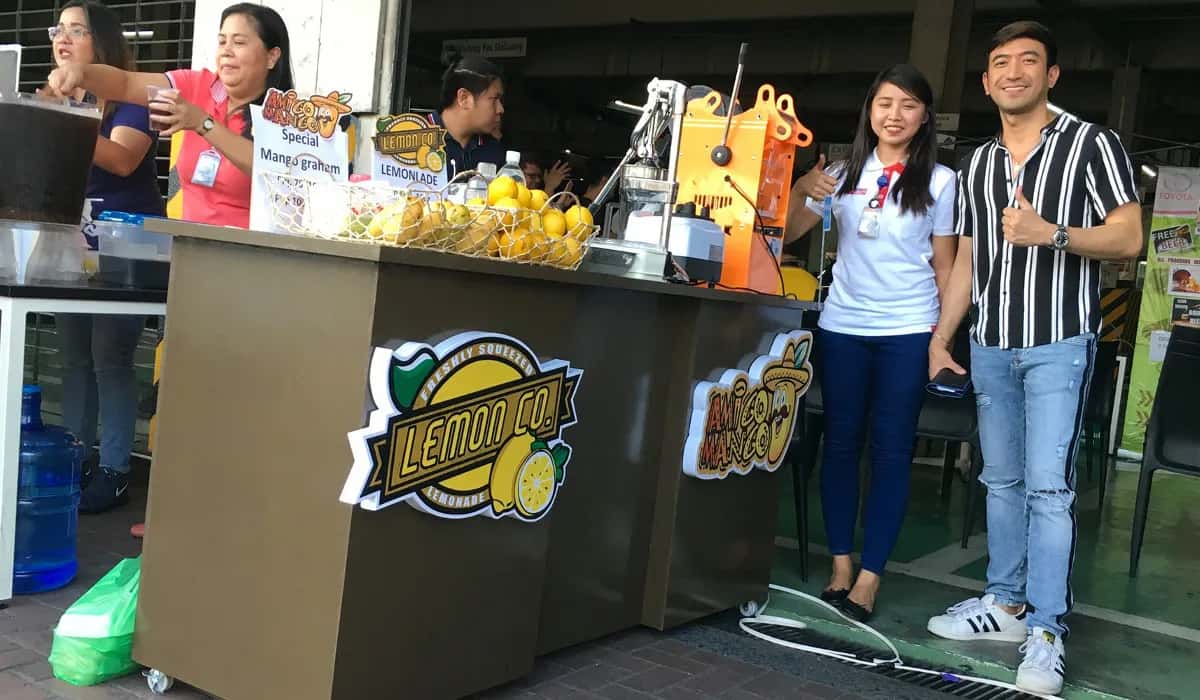
Waffle Shop
Takoyaki & Japanese Snacks
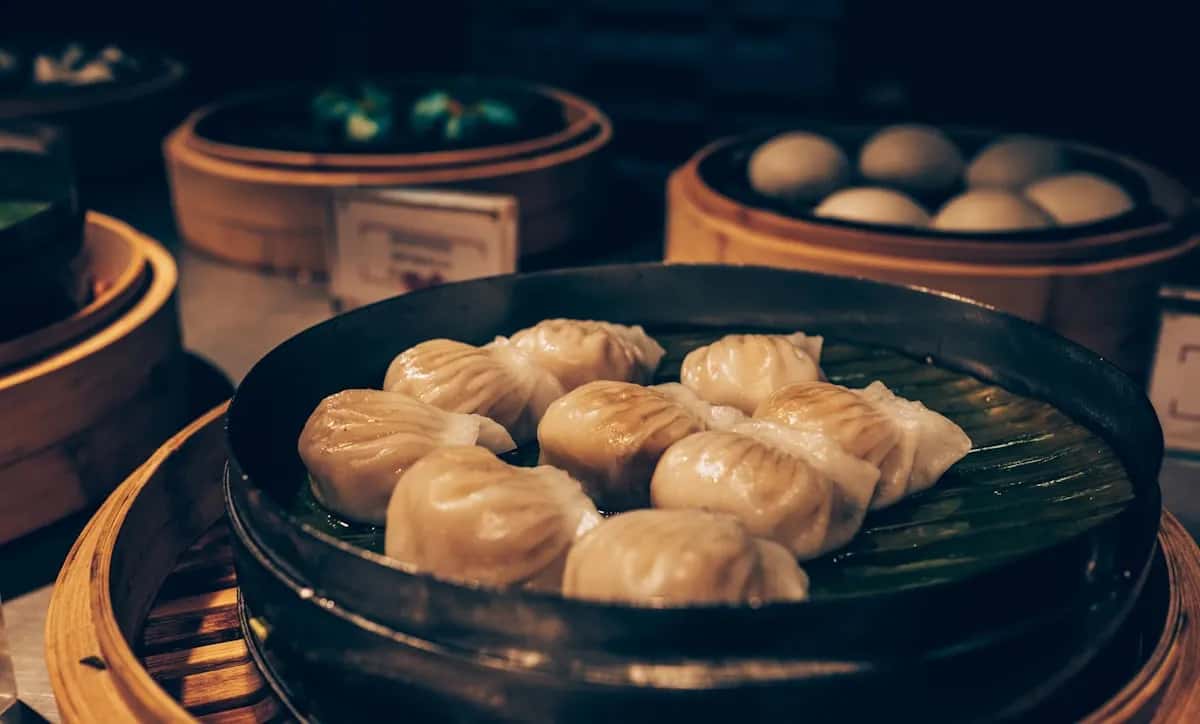
Siomai & Dimsum
Street Food & Snacks
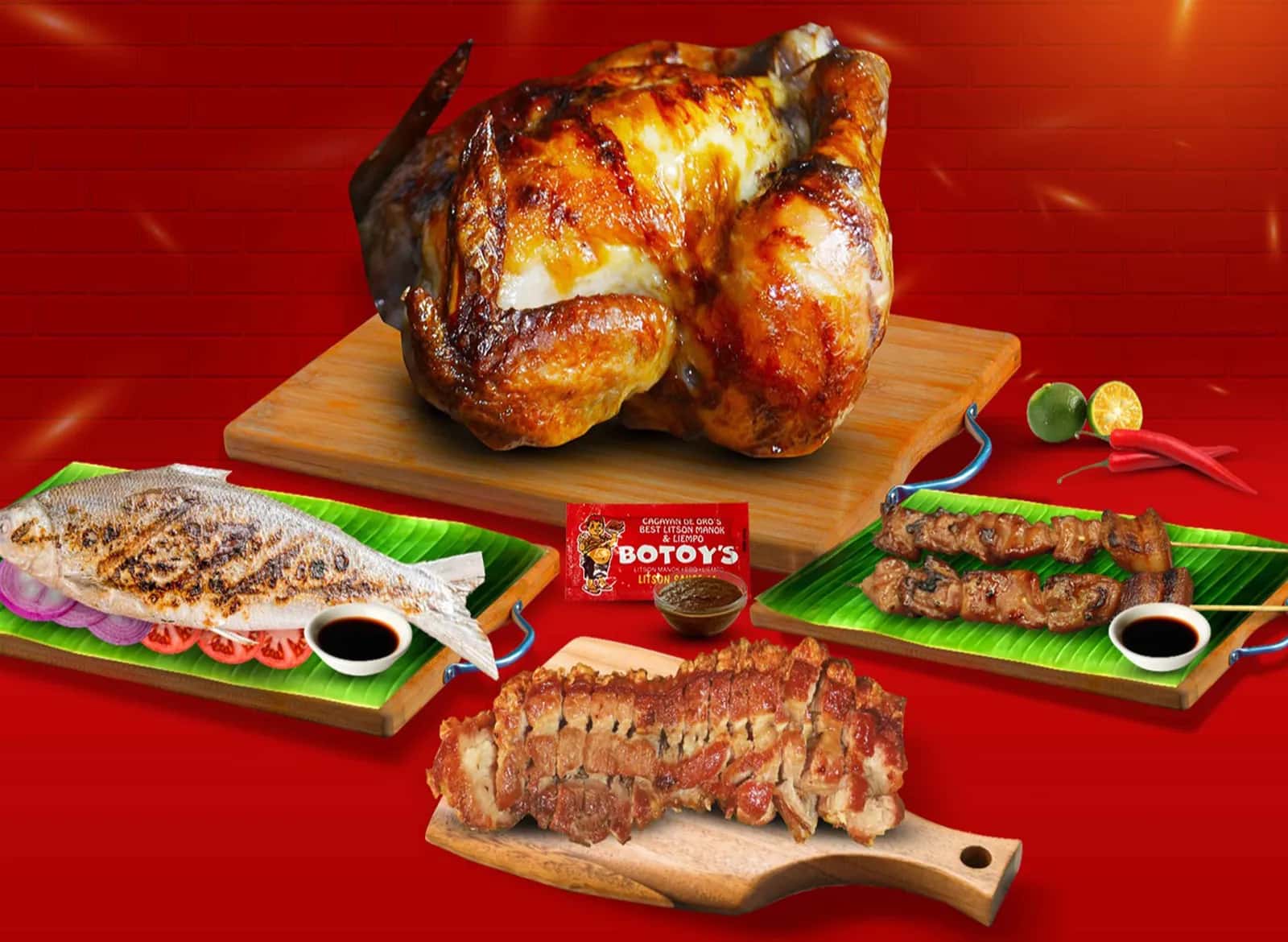
Chicken & BBQ
Siomai & Dimsum
Food Cart franchises that charge no franchise fee, so more of your money goes into the setup itself.

Filipino Restaurant
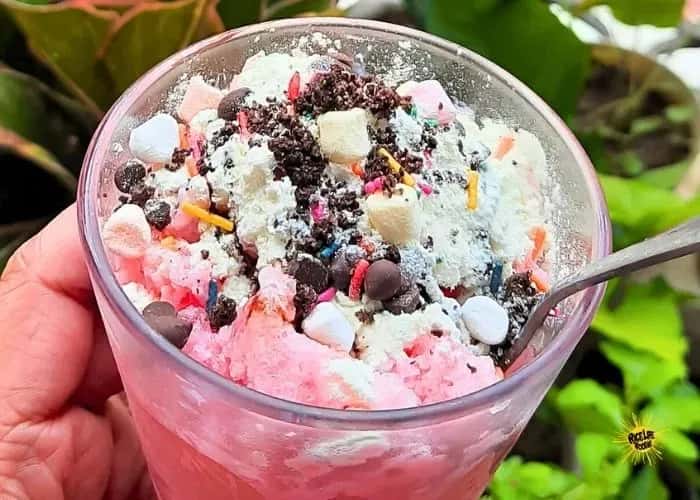
Ice Cream & Desserts
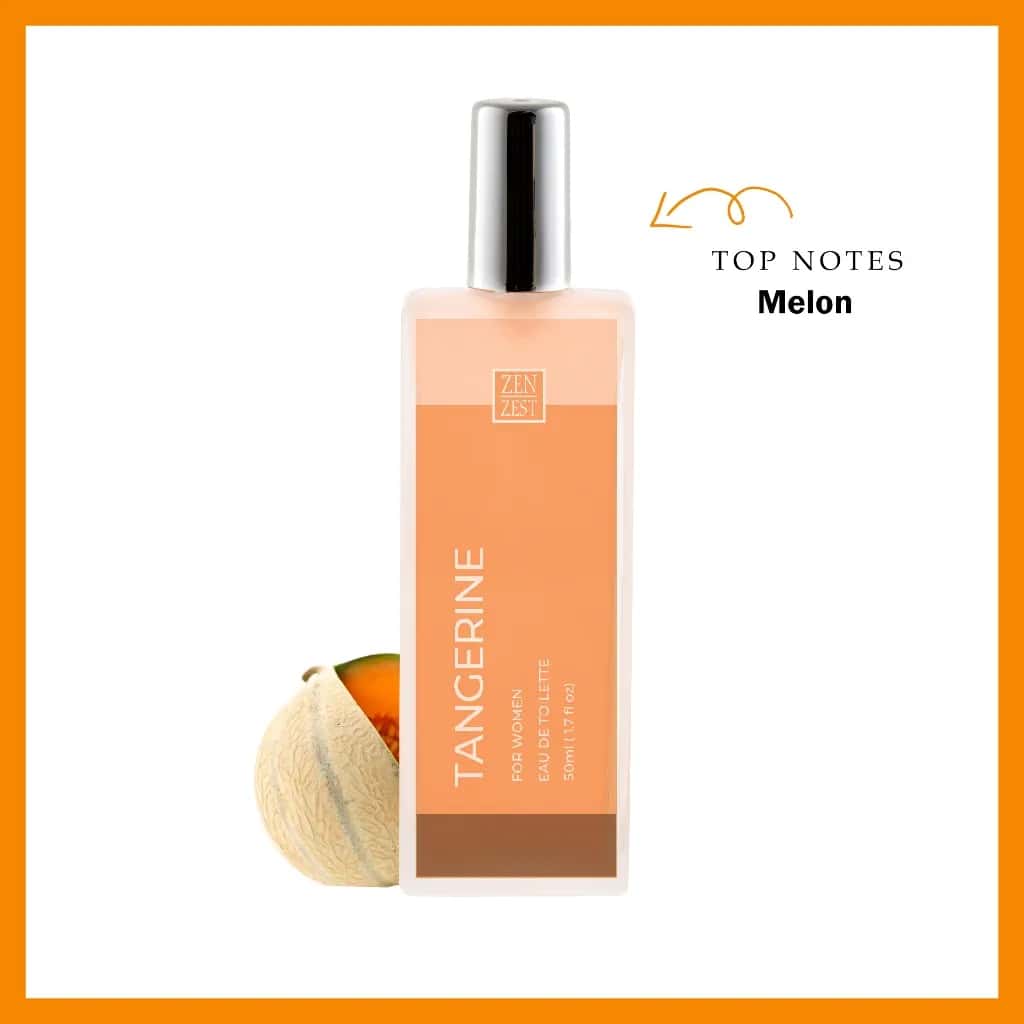
Retail & Convenience
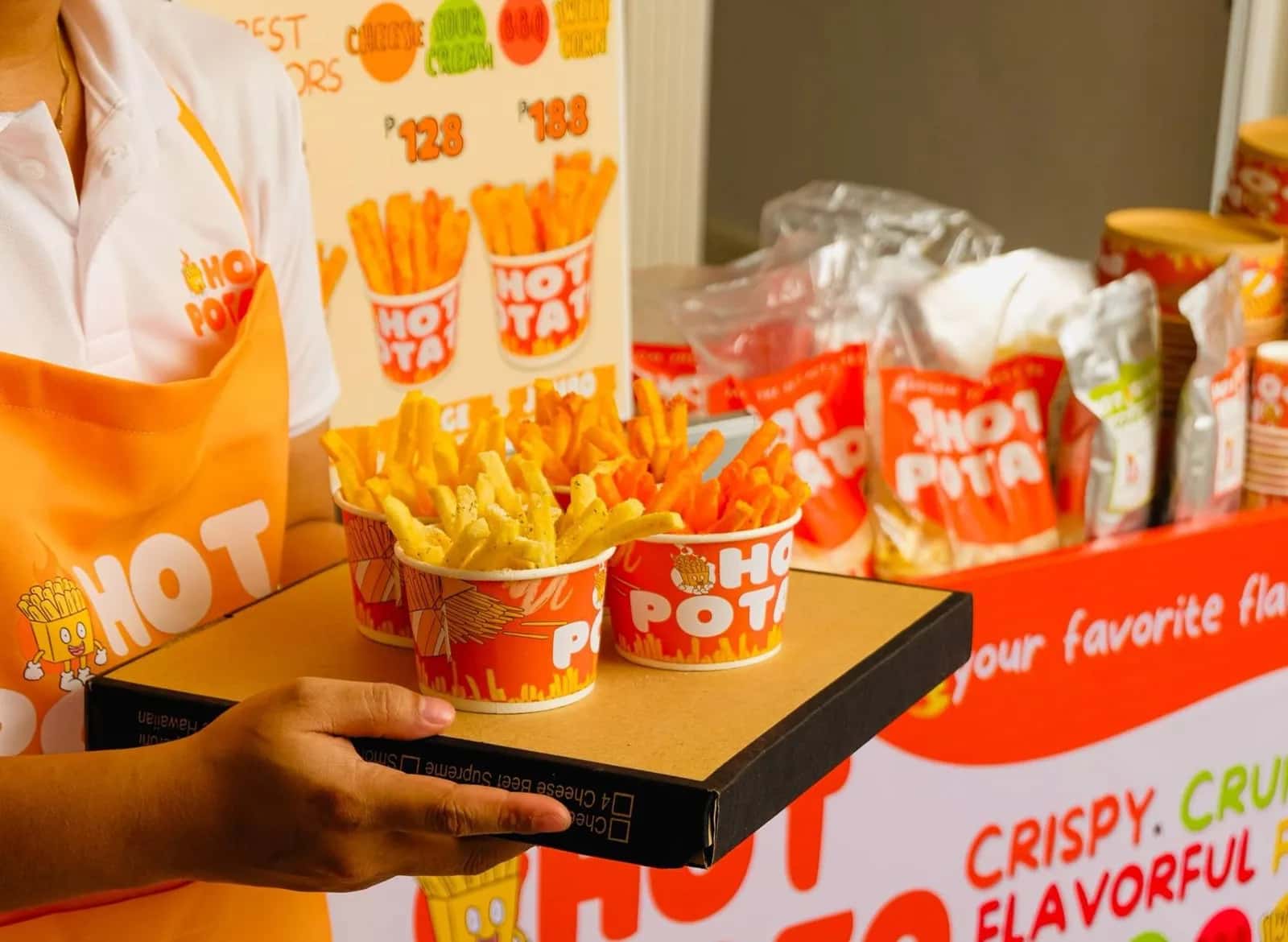
Fries & Potato Snacks
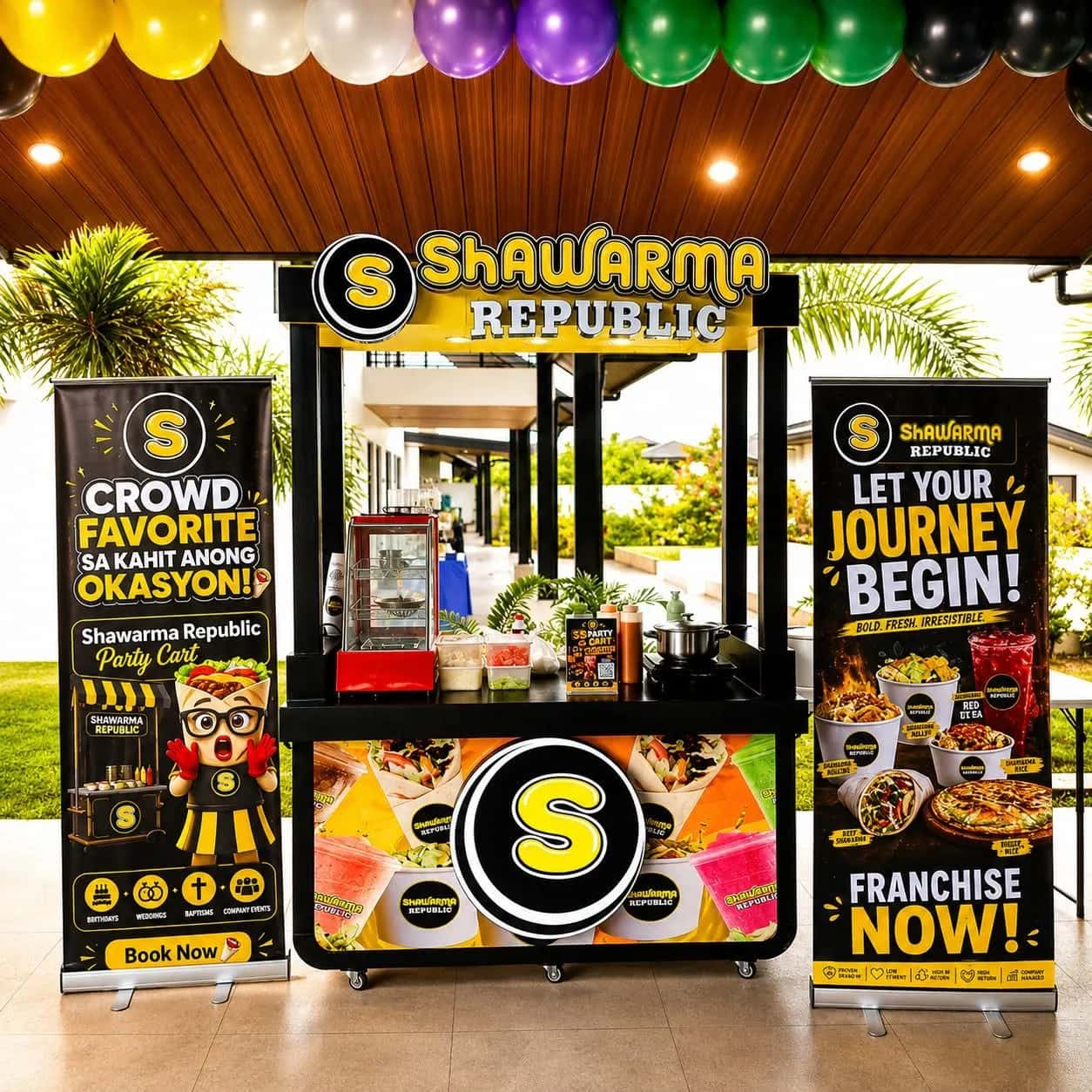
Shawarma
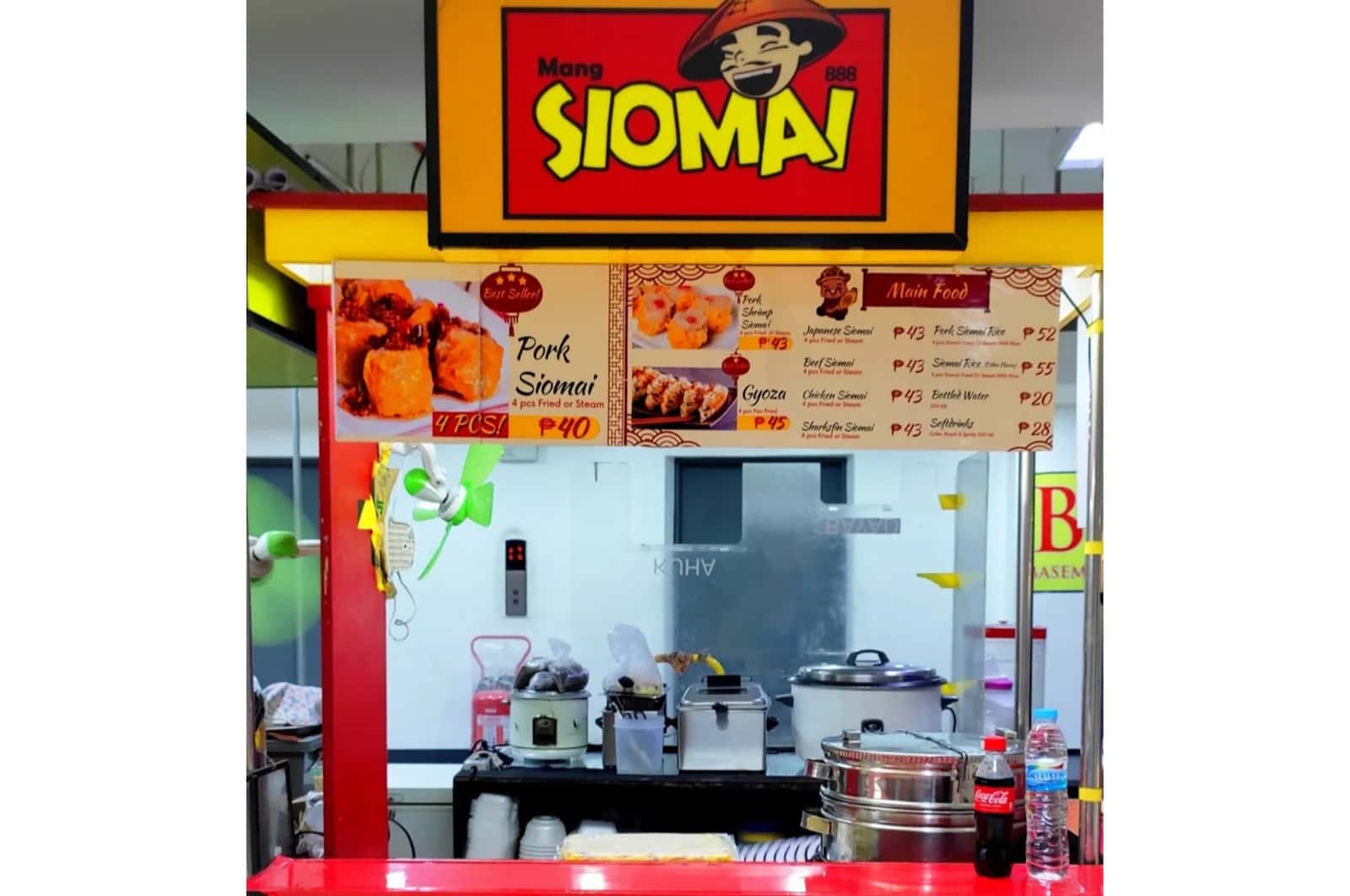
Siomai & Dimsum
Juices & Shakes
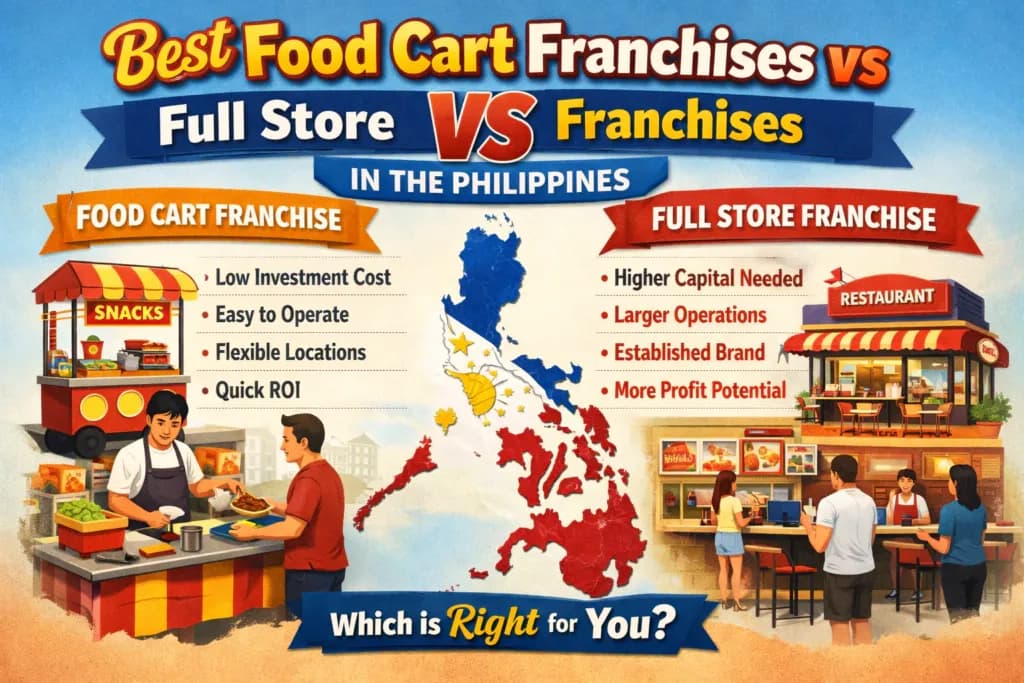
Learn how to choose between a food cart and a kiosk franchise in the Philippines by comparing costs, space, and target locations.
Aug 4, 2026 6 min read
Learn what brand voice covers, why a franchisor guards it so closely, and how to work inside those rules while still sounding like your own neighborhood.
Sep 30, 2026 4 min read
Learn how a franchise owner can collect honest customer reviews by asking at the right moment, making it easy, and handling the bad ones well.
Sep 30, 2026 4 min read