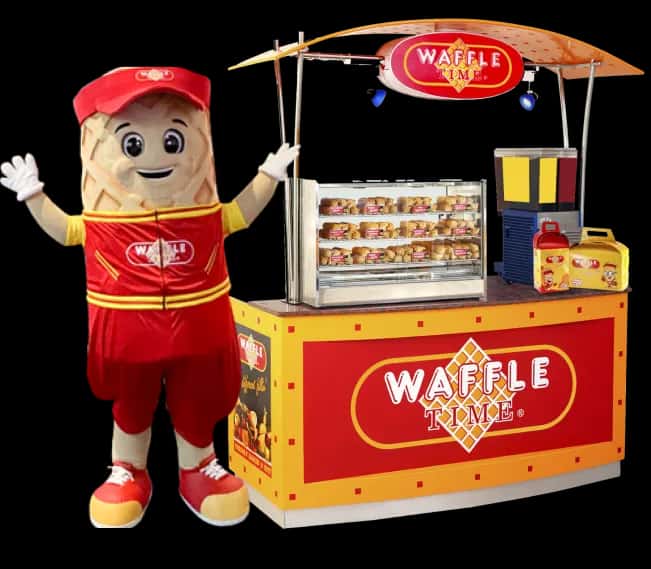
Waffle Time
Waffle Shop
- Franchise fee
- Not disclosed
- Total investment
- From ₱400k
Visit a branch
🎁 Start Your 1 Month Free Trial of the Full Plan, Exclusively for Brands & Advisors.Get Started
Browse 234 food cart franchises in Calaca, including 34 affordable franchise brands under ₱100k that pay back in 3 to 10 months, 185 medium-investment franchise brands between ₱100k and ₱1M that pay back in 10 to 18 months, and 10 premium franchise brands above ₱1M that pay back in 18 to 24 months.
Updated
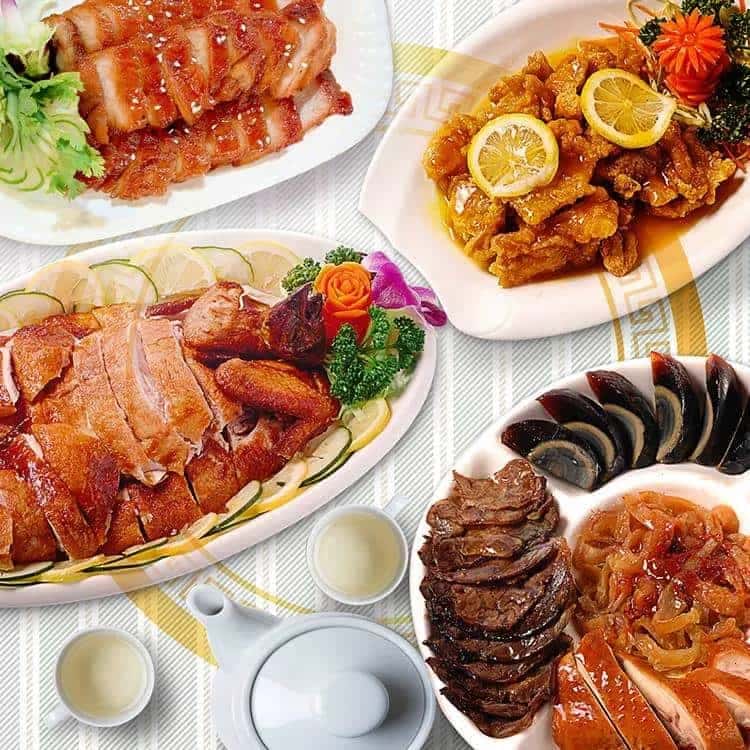
Casual Dining Restaurant
Visit a branch
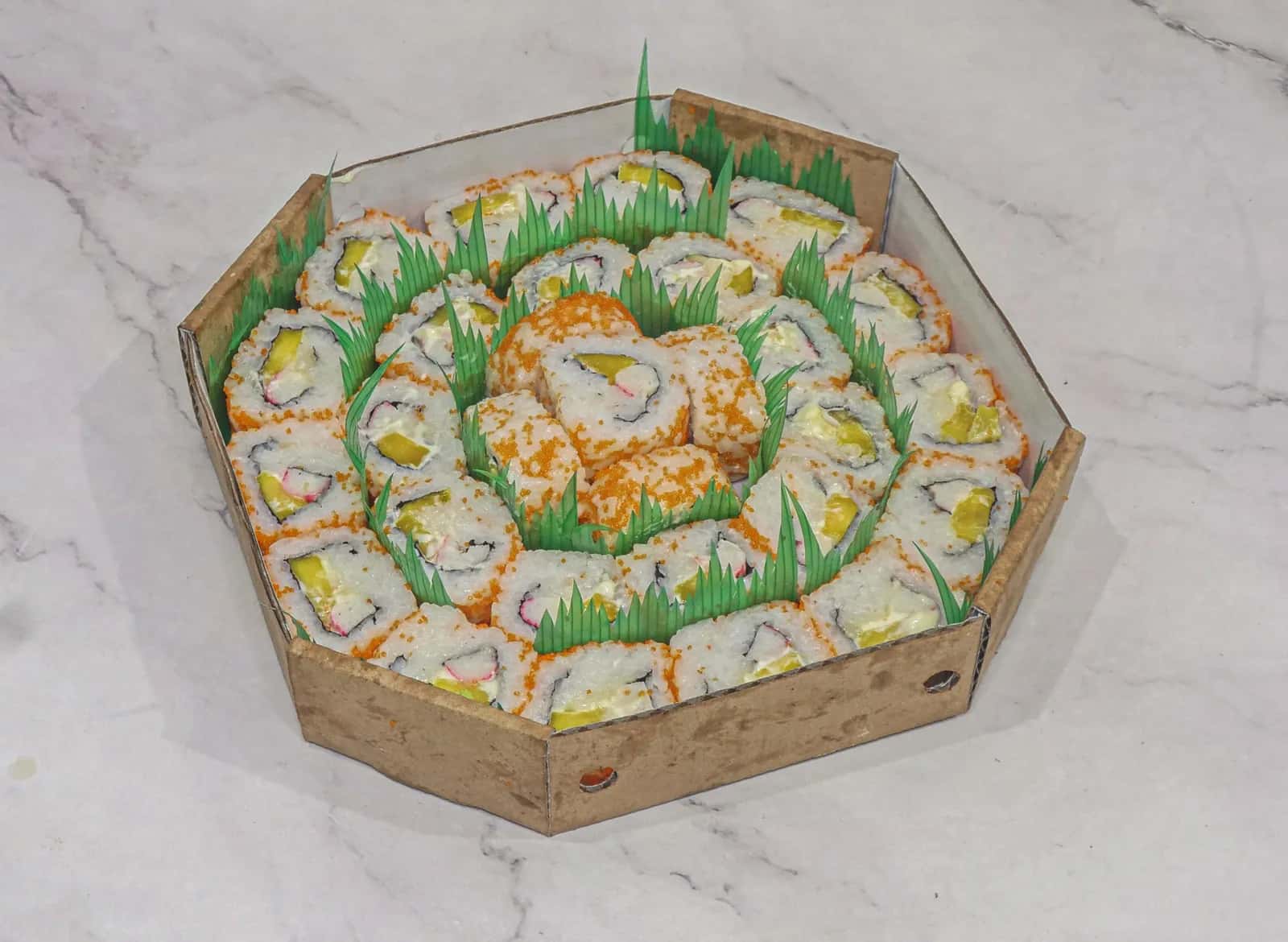
Takoyaki & Japanese Snacks
Visit a branch
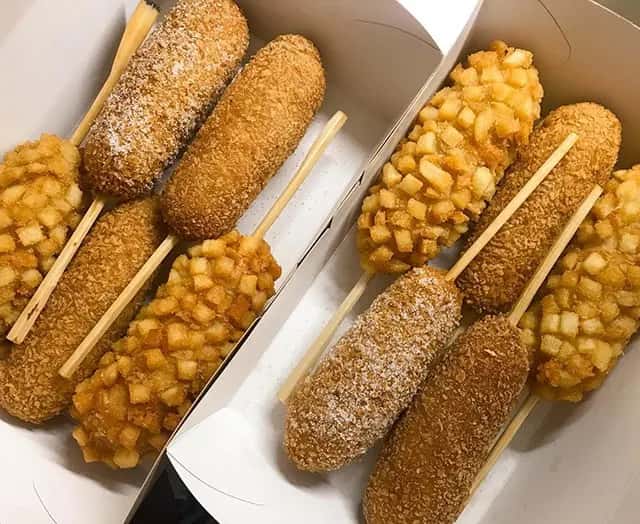
Korean Street Food
Visit a branch
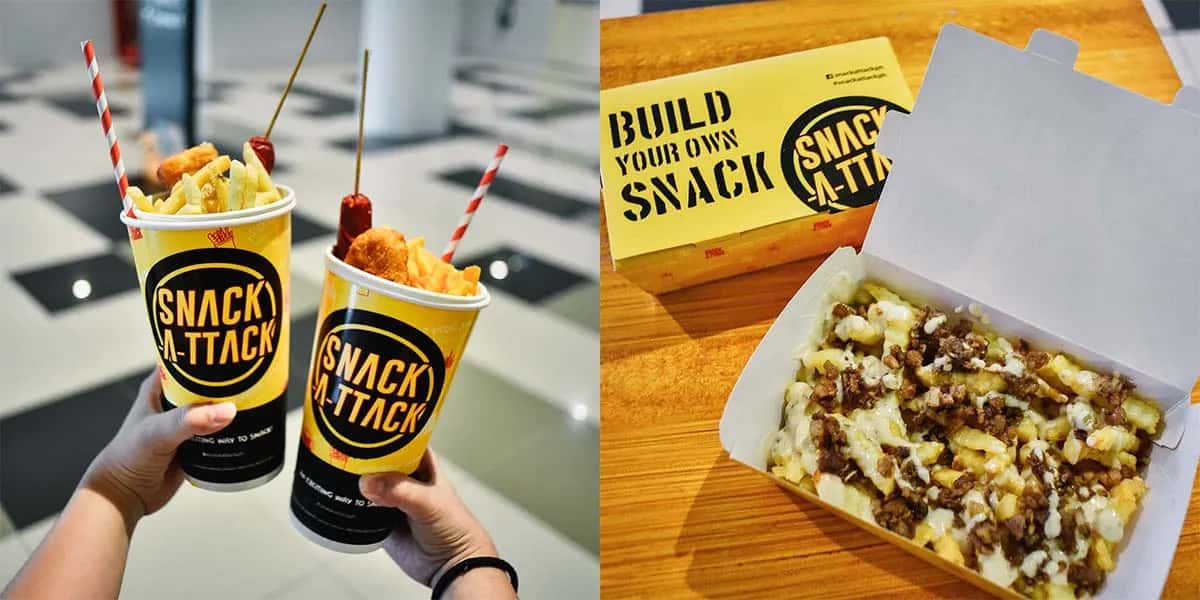
Street Food & Snacks
Visit a branch
Showing 24 of 234
Calaca has about 352 businesses on the map, from food and drink to shops, services and clinics. Check what already operates near the spot you have in mind.
Population
87,3612020 census
Per 10,000 residents
40businesses we track
Business locations are based on Overture Maps open data (October 21, 2026 release) and do not represent a complete census of all businesses.
A food cart is a compact way to run a franchise in Calaca, Batangas, with a small footprint, a focused menu and the owner on site for every shift. Local cart packages open from around ₱35,000 and the biggest builds approach ₱3.8M. That leaves room for a first-time owner to pick a size that fits the savings on hand and the spot in mind, whether that is near a terminal, a school or the town centre.
Calaca is a coastal town in western Batangas where a large power plant, fishing and farming give households a steady working rhythm. Shift workers, market-goers and families on the coastal road all create short bursts of demand for snacks, drinks and quick meals, and that is exactly what a cart is built to serve. Very few of the local franchise packages involve a standalone building, and inline stores make up only a modest share, so carts and kiosks are the formats a local buyer will meet most often. A cart is therefore the ordinary entry point here rather than an unusual choice. It copes well with the pace of a small town, where most sales arrive in a few hours around meals, school dismissal and the end of a work shift. The cart competes mainly on product and spot, so the right corner near a terminal, school gate or public market matters more than the size of the build.
A cart fits the owner who wants a business of their own without leasing a large space. That could be a household with savings from overseas work, a retired worker with a lump sum or a young couple starting out. Because a cart can be run by two people, it also suits a parent and an adult child who want to share the work. It asks for long days, especially in the first months. An owner who prefers to hire a crew should confirm that the package covers staff training as well as the owner. A cart is less natural for someone who wants to stay hands-off from day one, because a single counter depends on whoever is serving. Owners who want a bigger operation can look to the upper range of local cart packages. Those builds mean a heavily equipped cart, a larger menu and more hands behind the counter, which suits a person ready to manage people as well as stock, and who is comfortable keeping simple daily records of sales and supplies.
Local fees on food carts run from ₱30,000 to ₱365,000, a spread wide enough that two carts with a similar build cost can include very different things. The smaller fees tend to cover the right to use a brand's recipes and a short training session before opening. Higher fees often bring continuing support, such as supply arrangements, marketing materials and help through the first weeks of operation. A buyer in Calaca should ask for the inclusions in writing and compare them line by line, because a fee that looks heavy may replace costs that would otherwise land on the owner later. Nationwide, cart fees begin at nothing and reach ₱1.5M, so a local fee at either end of the range is ordinary for the format. Whatever the amount, it is worth treating as a separate line from the build itself when planning the opening budget.
Payback on local carts is quoted at up to eighteen months, and that figure is the most useful figure to compare across packages because it folds the price, the fee and the expected sales into a single timeline. A cart that costs less is not automatically a faster return, since a bigger build with more menu items can earn back sooner when it sits at a busy spot. Nationwide, quoted payback on carts stretches to two years. The nationwide entry range runs from ₱3,000 to ₱7M, which puts the local range of ₱35,000 to ₱3.8M comfortably inside what the format offers. An owner can plan around these figures by choosing a spot with reliable daily footfall. A menu short enough to prepare quickly during rush hours also helps. So does a few weeks of cash held aside for the slower days before regulars form.
Now that you've seen what's here, a real advisor can help you shortlist and weigh the options against your budget. Free, at your pace.

Financing Readiness · Site Selection

Low-Capital Startups · Site Selection

Low-Capital Startups

Franchise Agreements · Multi-Unit Expansion
Are you a franchise advisor?Get your own workspace here
Choose an industry to see all of its franchises in Calaca, with their fees and investment ranges.

Carts, kiosks, and full restaurants.
From ₱3k
Konam, Minute Burger, Turks Shawarma
See brands
Coffee, milk tea, and cold drink shops.
From ₱17k
Zagu, Barista Choi, Cha Thai
See brandsGet honest answers on the space, staff and money this setup really needs, free and with no pressure.
Counting 234 food cart franchises in Calaca is simple, and being skeptical about what the number covers is wise. Ask whether it counts only franchisors actively recruiting or also those with past listings, and whether each entry has current details. A directory that shows recent updates is more reliable than one that does not. Where dates look old, confirm directly with the franchisor before giving that listing a place on your shortlist.
Partnering with nearby businesses can help a food cart reach customers it would miss alone, and in Calaca the cart franchises come to 234. A drink cart might pair well with a neighboring snack stall, or a laundry shop might welcome a cart that serves people waiting for their clothes. Such arrangements need trust and clear terms but cost very little. Talk to the shop owners around your spot and ask whether they would welcome a cart that brings more people to their door.
Listing every source of funds shows what a food cart franchise in Calaca really costs to start, with entry at ₱3k and most totals in ₱50k to ₱600k. Write down how much comes from savings, family help and borrowing, then note the interest on each borrowed part. Borrowed money raises the total you repay beyond the price you pay. Matching the plan to the cheapest sources keeps the overall cost closer to the quote.
Writing a short business plan forces you to test the 6 to 18 months payback franchisors quote for food carts in Calaca against your own situation. Putting your costs, sales targets, staffing and cash reserves on paper reveals gaps that conversations tend to skip. Share the plan with someone who will question it honestly rather than cheer you on. The weak spots they find are far cheaper to fix now than after opening.
For a first franchise in Calaca, the food cart options sit within food & beverage with 182 franchises, coffee & milk tea with 33 and bakery & pastry with 17. A first timer usually does well by choosing an industry whose product is easy to explain in one sentence. If you can describe what the business sells and who buys it without hesitation, you understand it enough to run it. Try that exercise on every industry in the list and keep the ones you can explain clearly.
Delivery orders can quietly add to your workload. If your food cart in Calaca accepts orders through delivery apps or by phone, someone must prepare, pack and hand those orders over while still serving walk in customers. That extra flow may justify another person during busy times. Ask the franchisor how other outlets handle delivery volume, and track how many online orders arrive once you start, so you can adjust staffing based on real demand.
A franchise outlet in Calaca generally needs the same permits as any new business, starting with DTI or SEC registration, then a barangay clearance, a mayor's or business permit and BIR registration. Fire safety and sanitary permits are added based on what your food cart does and where it sits. Bring a valid ID, your community tax certificate and your registration papers to the barangay and city hall, as these are among the most common documents asked for.
Faster or slower both happen when you open a food cart franchise in Calaca, because approval, site, permits, fit-out and training must all fall into place. The stretch after contract signing is the one most likely to drag, since several tasks wait on outside parties at once. Ask the franchisor how long that stretch took for recent franchisees, then compare their answers with your own calendar to judge whether your target date is realistic.
Quality checks deserve a place in your comparison. A franchisor that inspects outlets and keeps product standards consistent protects every franchisee's reputation, including yours in Calaca. Ask how they audit food carts, what happens when an outlet fails an inspection and whether checks come with coaching or only penalties. Consistent quality across outlets means customers trust the name, which helps your sales even before you open your doors.
Trace where your first payment goes and what you receive for it, since scams often hide in reservation arrangements. Ask for a written reservation agreement naming the registered company, the amount, and what the payment secures for a food cart in Calaca. Then pay only to an account under that company's name and keep the official receipt. A legitimate franchisor documents the deposit clearly, while a dubious one accepts cash or transfers with nothing in writing.
Compare how many franchises run as each kind of setup in Calaca, from food carts to full standalone stores.
Compare how many food cart franchises take franchisees in each place, nearest first.
The food cart franchises with the smallest published starting packages, a good place to look if you want to start small.

Ice Cream & Desserts
Visit a branch

Chicken & BBQ
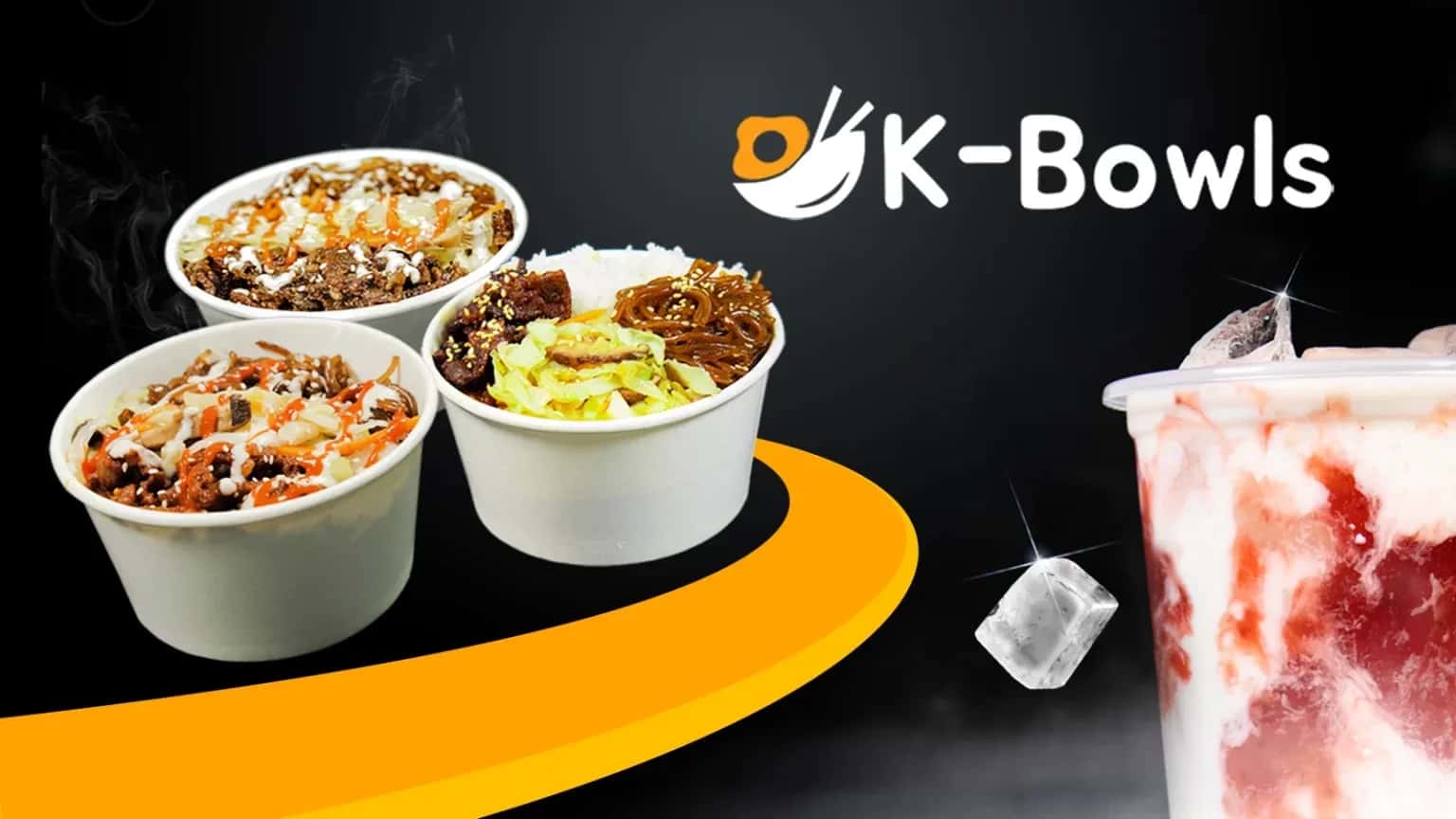
Korean Street Food
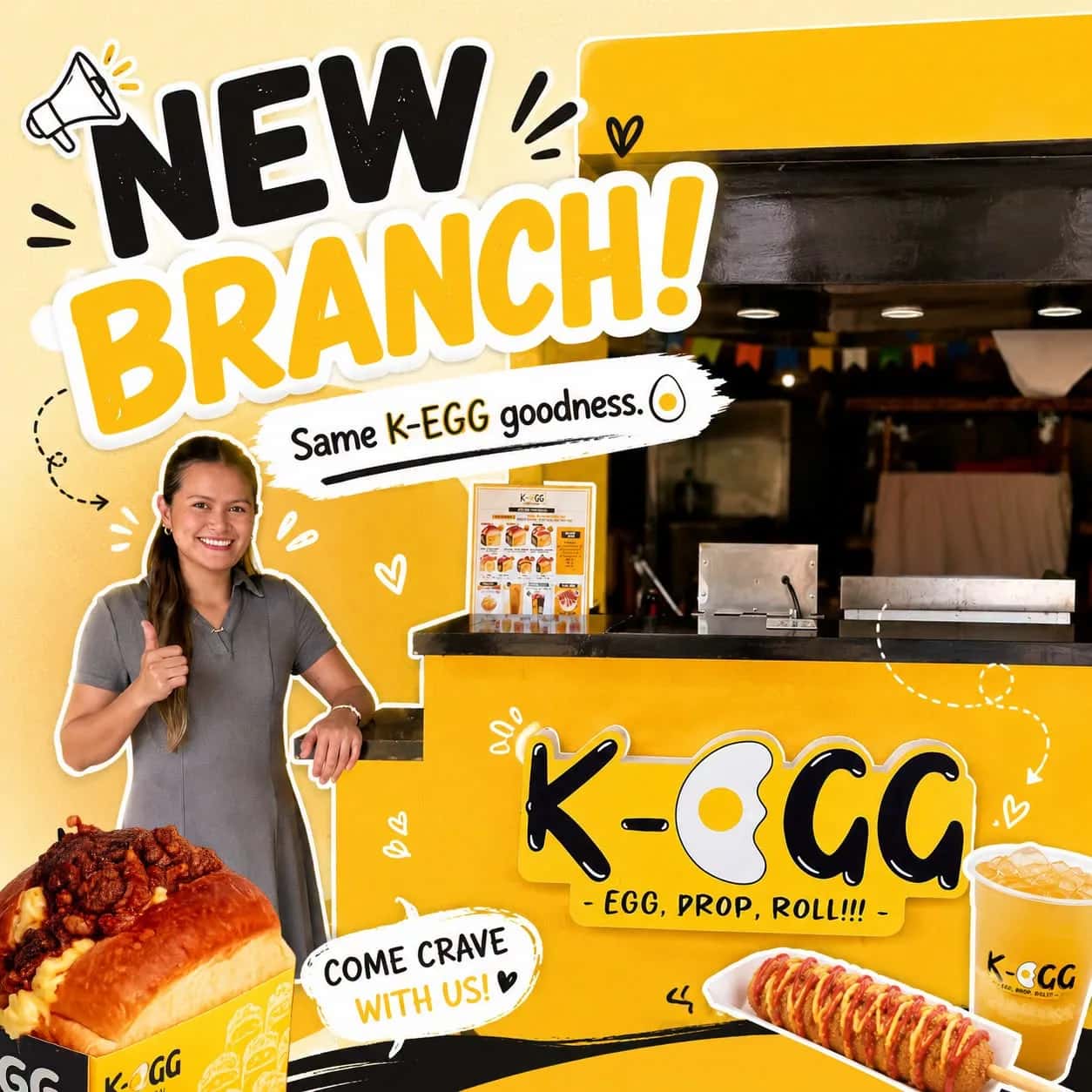
Korean Street Food
Visit a branch
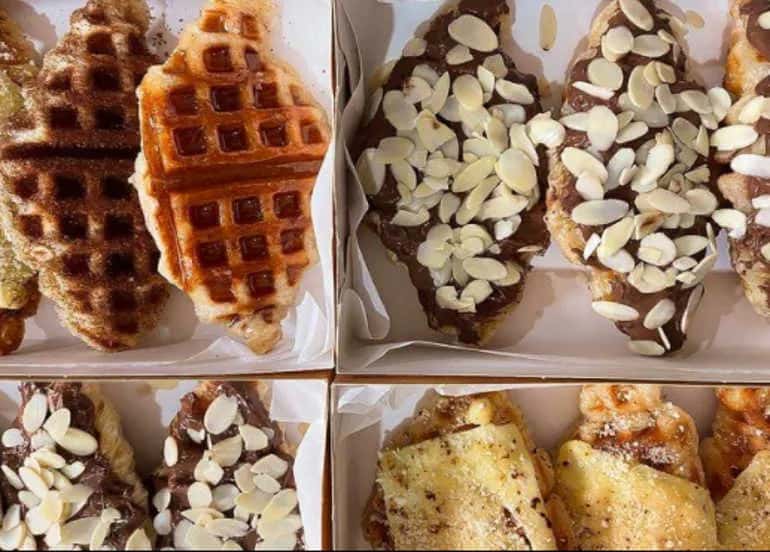
Cakes & Pastries

Milk Tea & Boba

Takoyaki & Japanese Snacks
Visit a branch
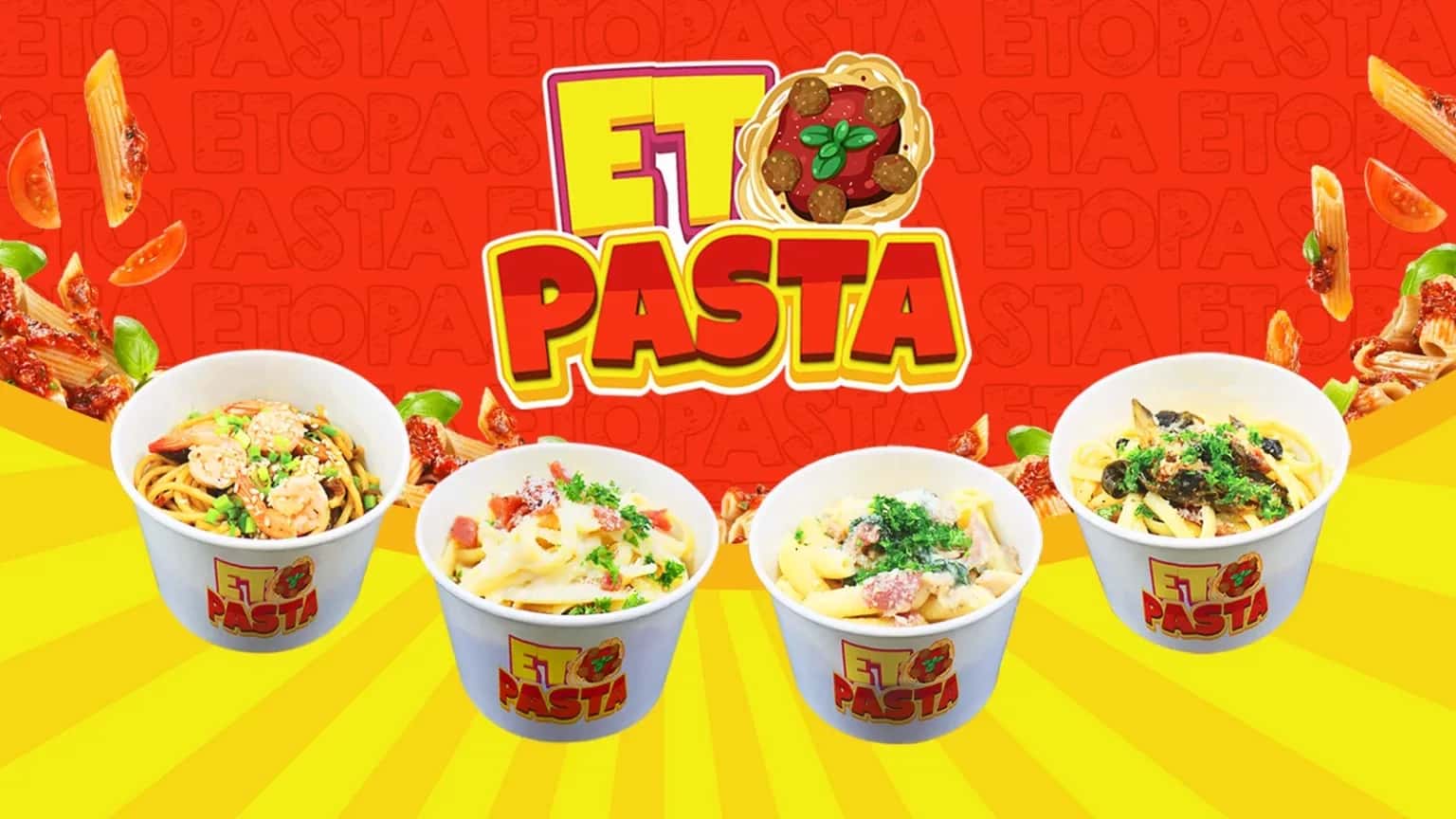
Pizza & Pasta
The food cart franchises whose franchisors quote the shortest time to earn back the investment, worth checking against your own costs.

Juices & Shakes
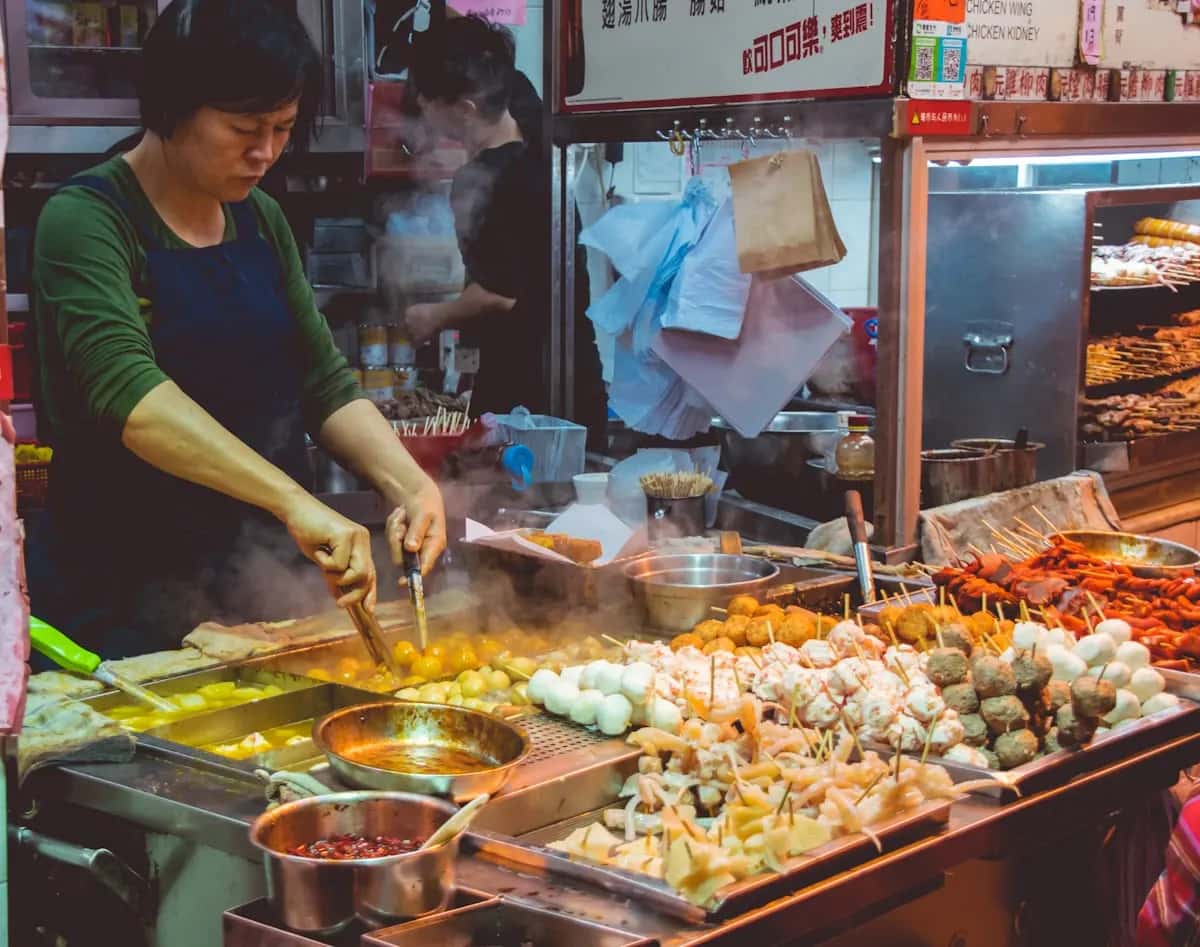
Street Food & Snacks
Visit a branch
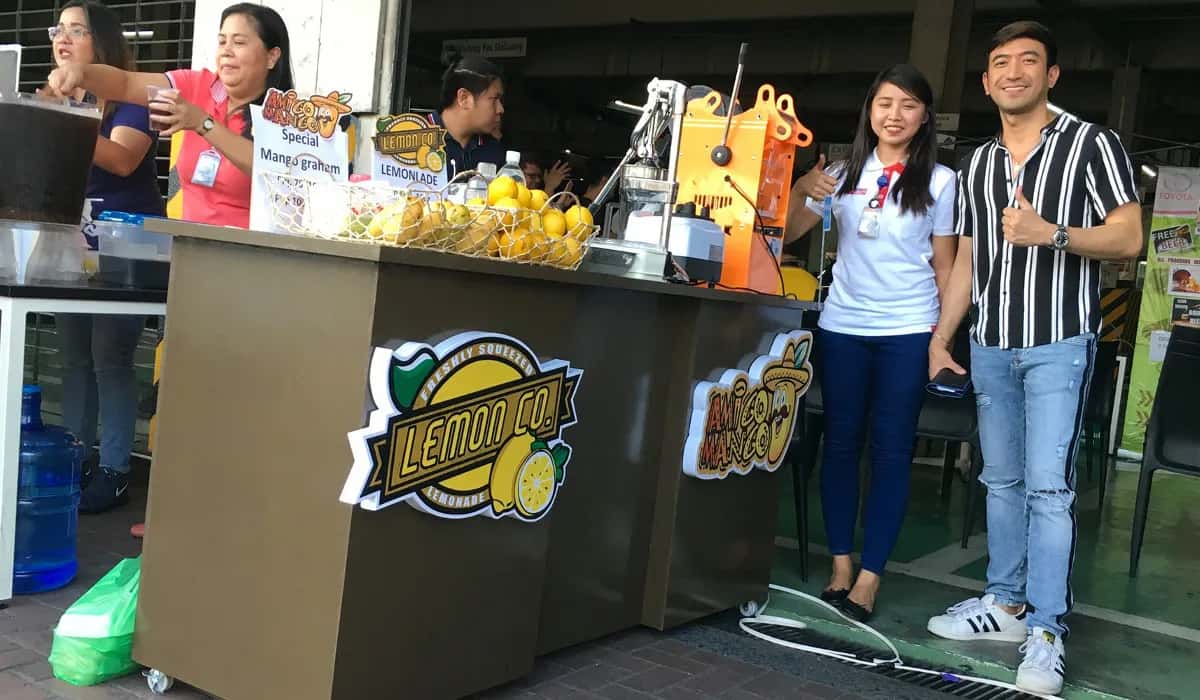
Waffle Shop
Visit a branch
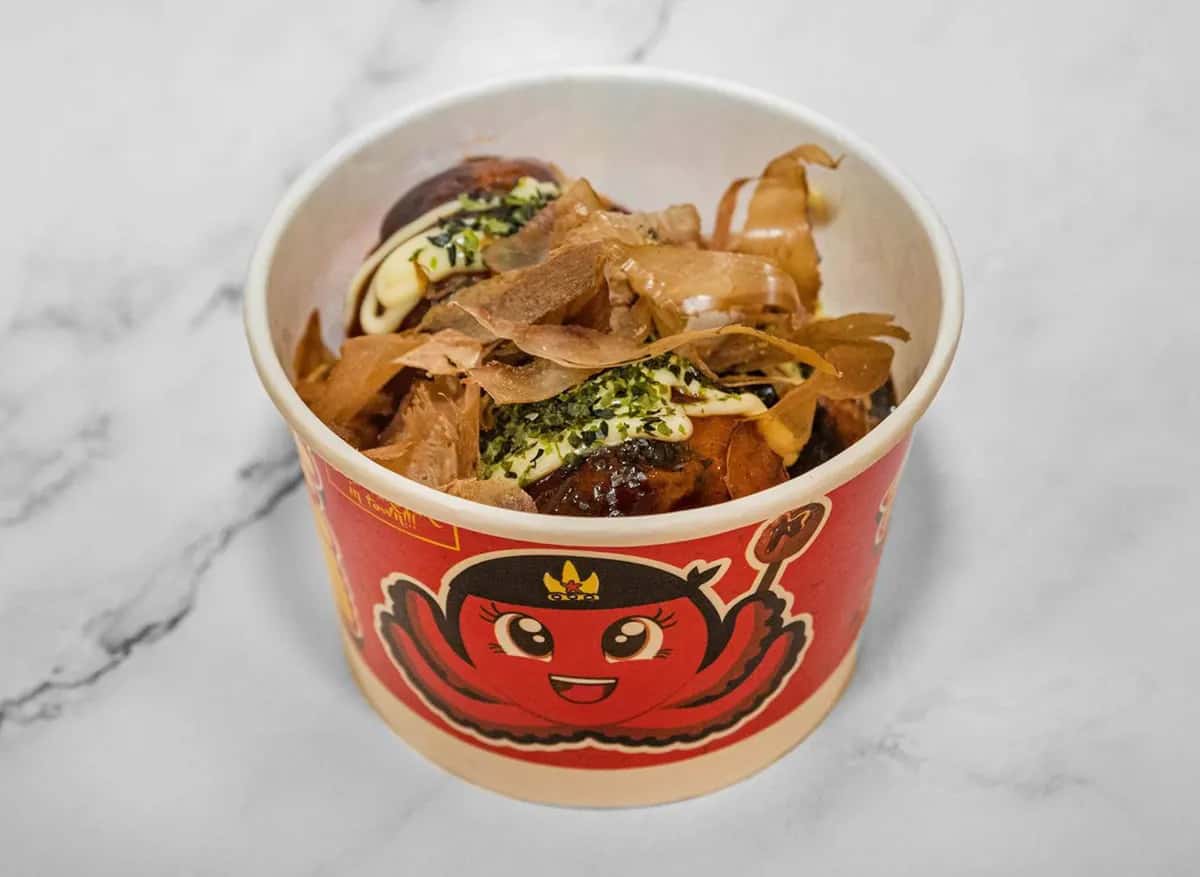
Takoyaki & Japanese Snacks
Visit a branch
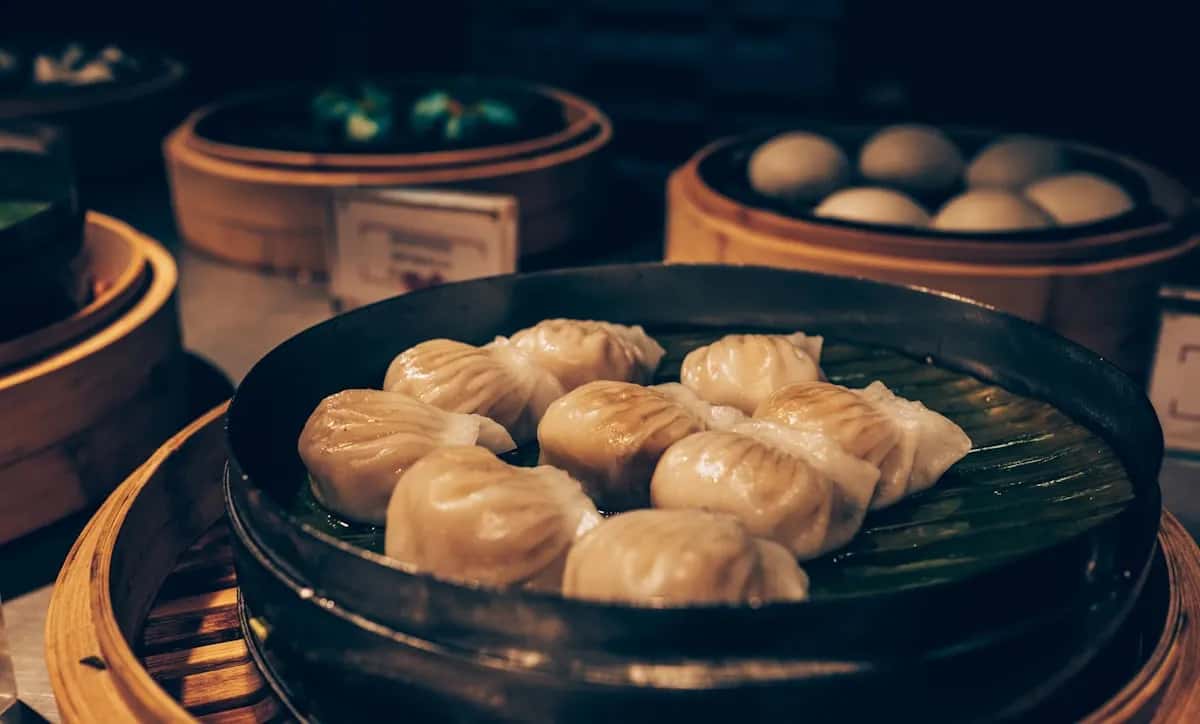
Siomai & Dimsum
Street Food & Snacks
Street Food & Snacks
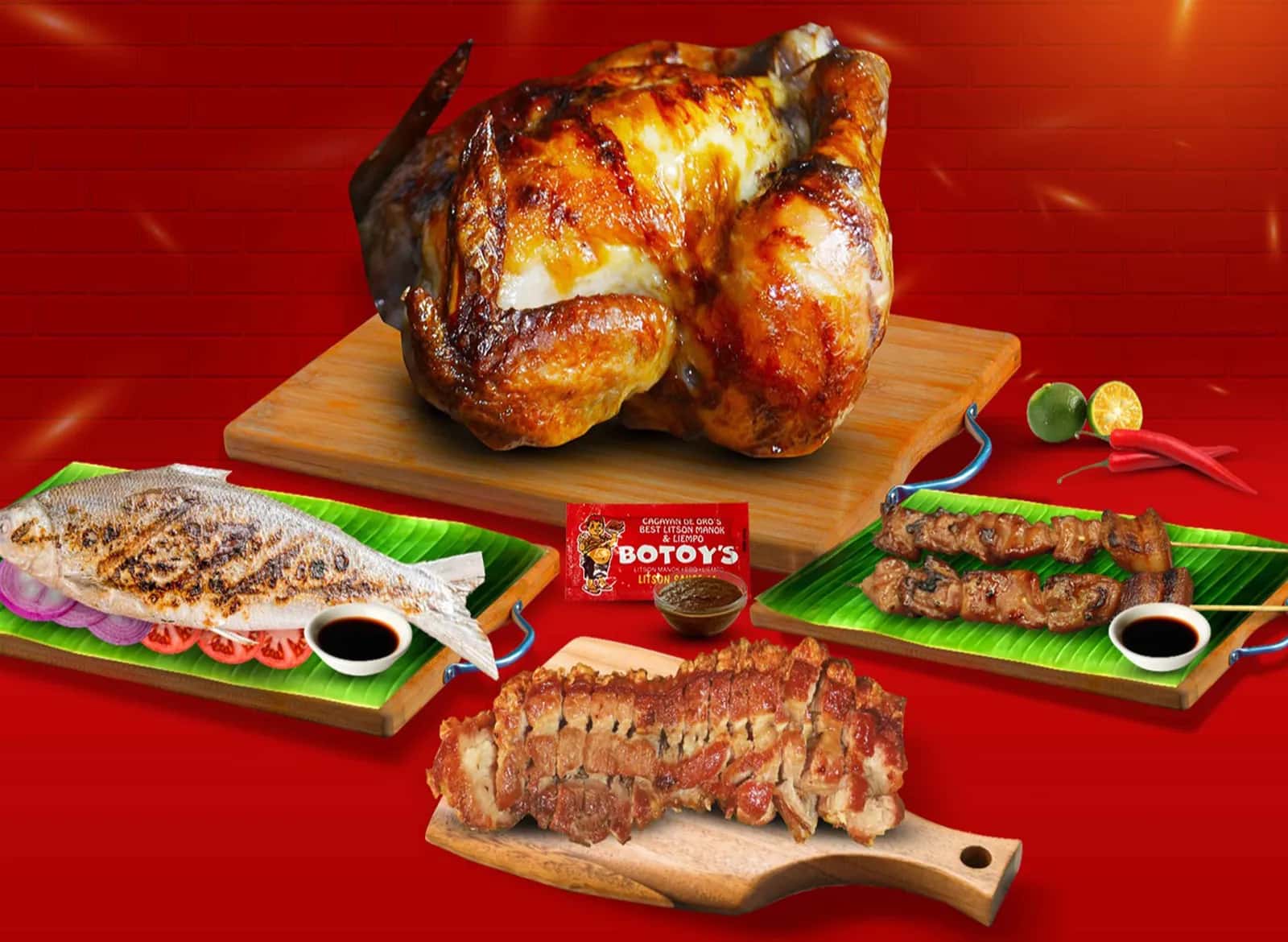
Chicken & BBQ
Food Cart franchises that charge no franchise fee, so more of your money goes into the setup itself.

Filipino Restaurant
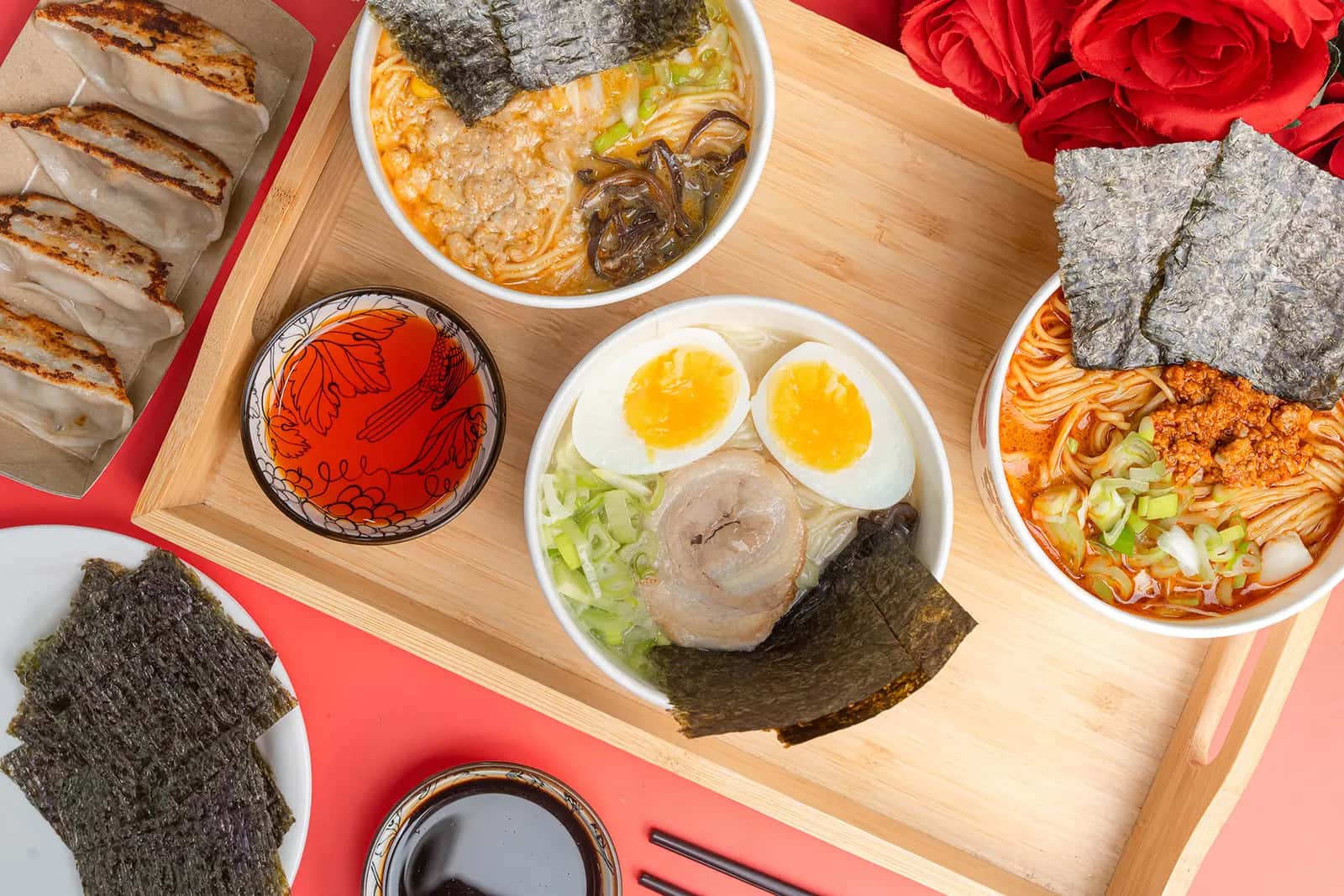
Takoyaki & Japanese Snacks

Ice Cream & Desserts

Retail & Convenience
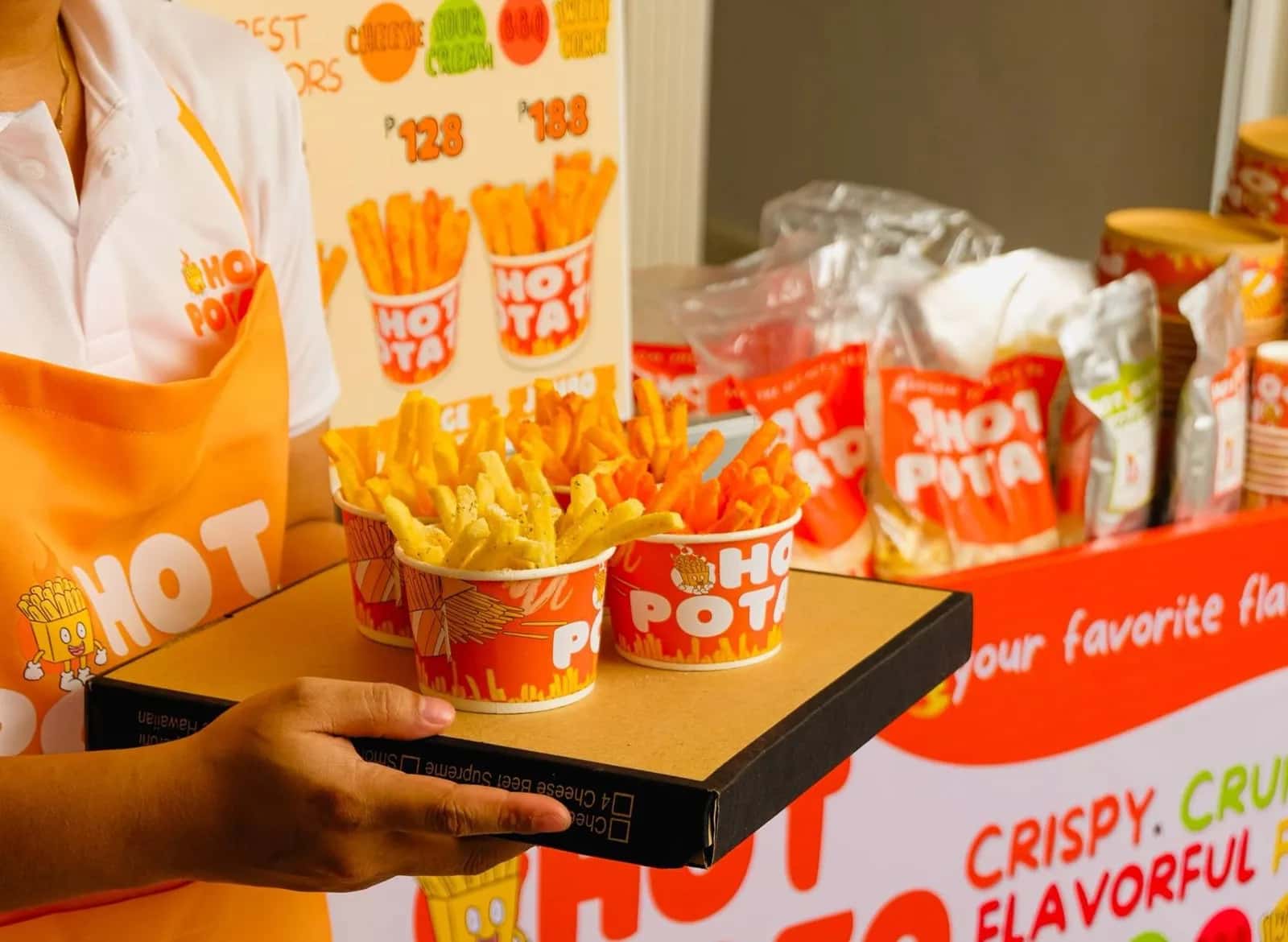
Fries & Potato Snacks
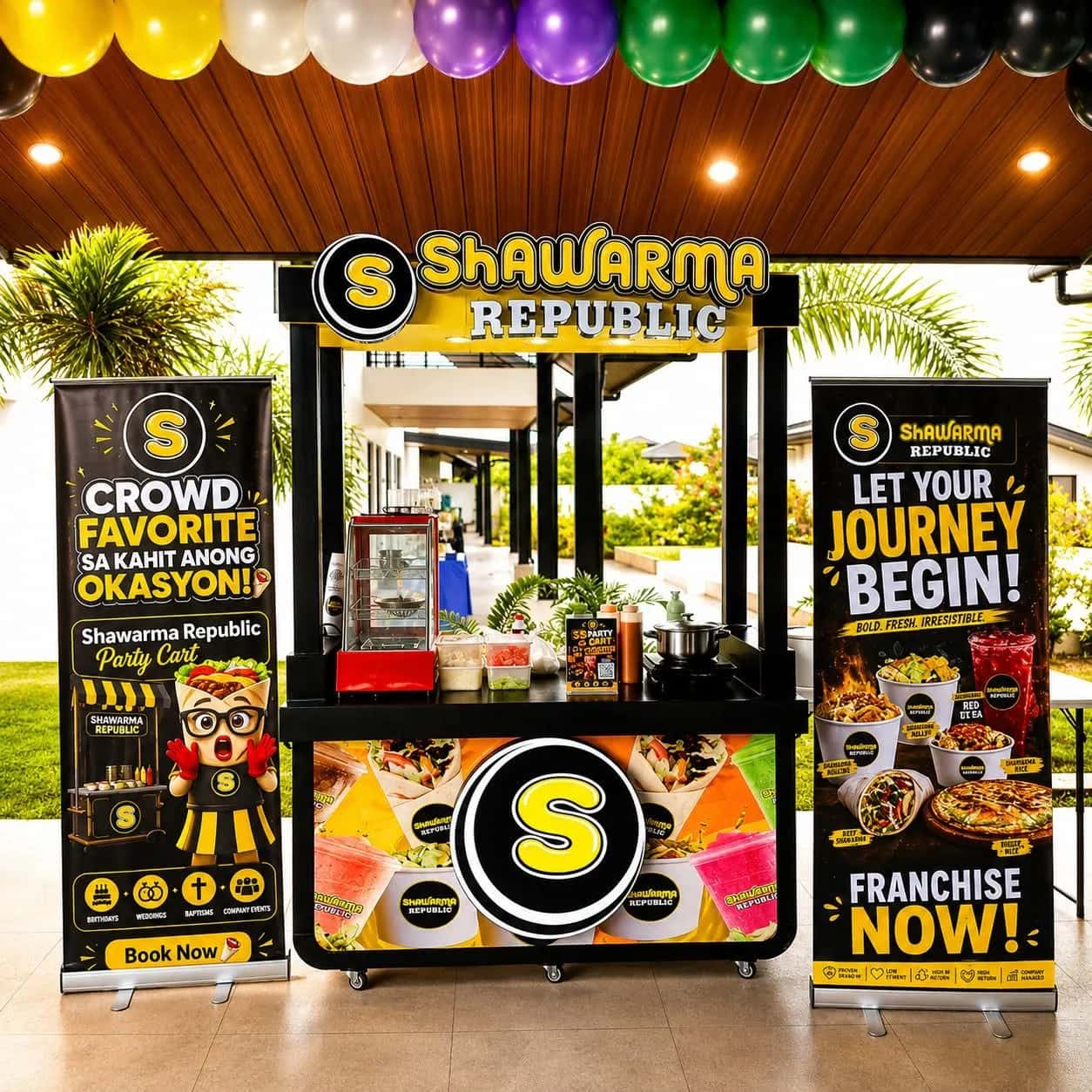
Shawarma
Visit a branch
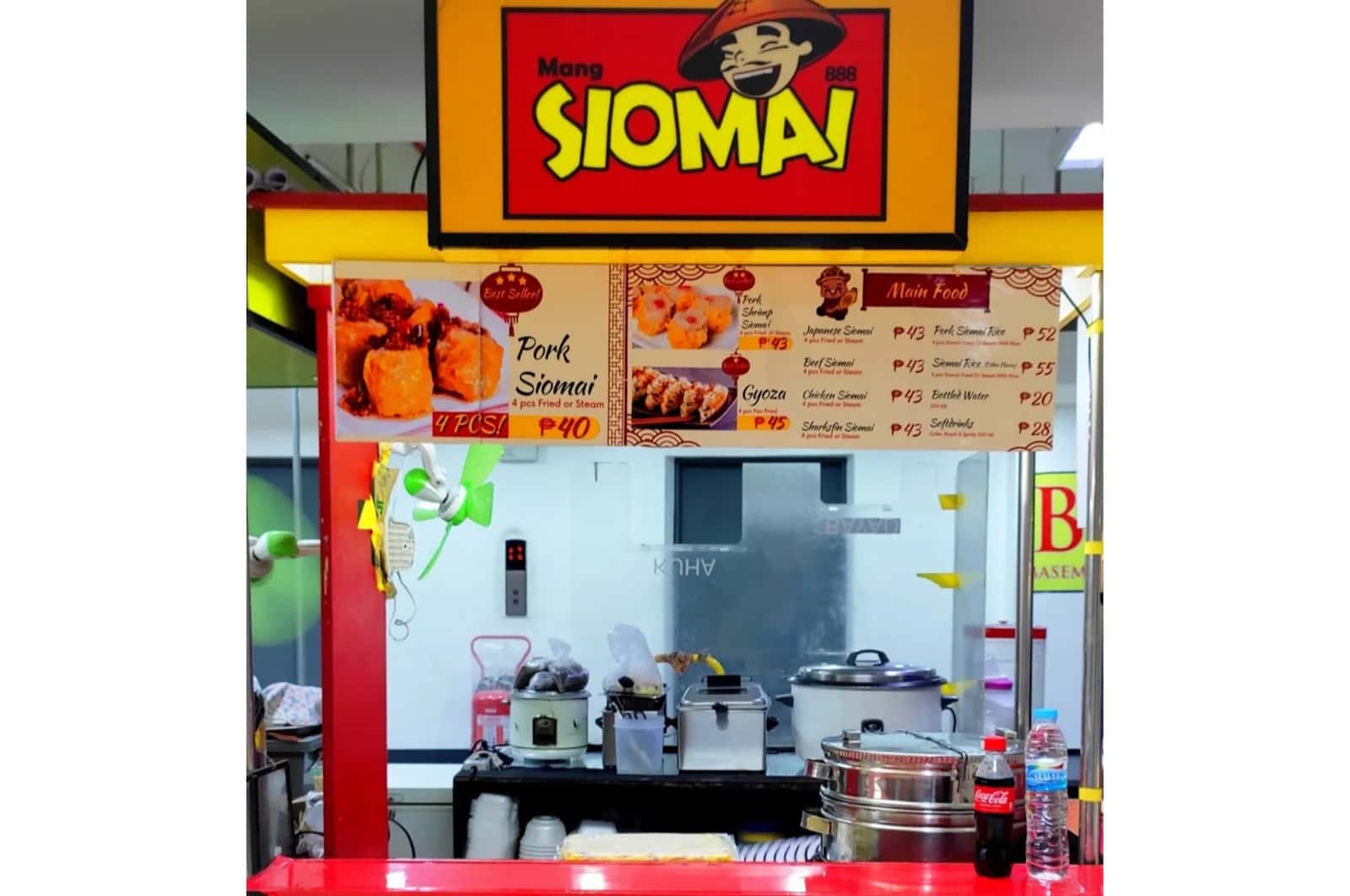
Siomai & Dimsum
Juices & Shakes
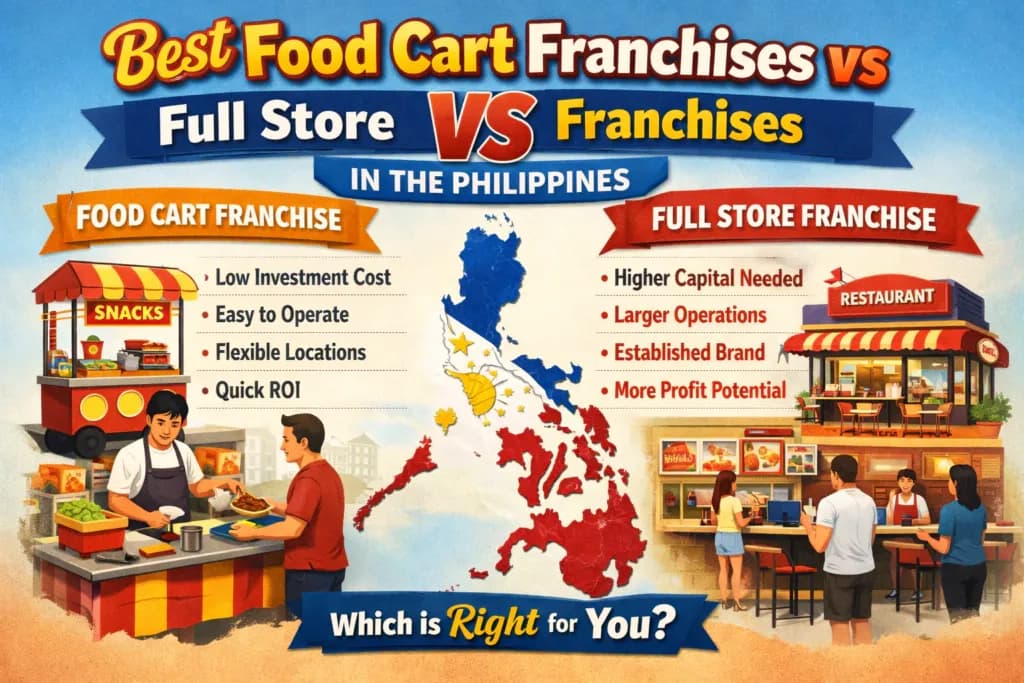
Learn how to choose between a food cart and a kiosk franchise in the Philippines by comparing costs, space, and target locations.
Aug 4, 2026 6 min read

Learn what brand voice covers, why a franchisor guards it so closely, and how to work inside those rules while still sounding like your own neighborhood.
Sep 30, 2026 4 min read
Learn how a franchise owner can collect honest customer reviews by asking at the right moment, making it easy, and handling the bad ones well.
Sep 30, 2026 4 min read