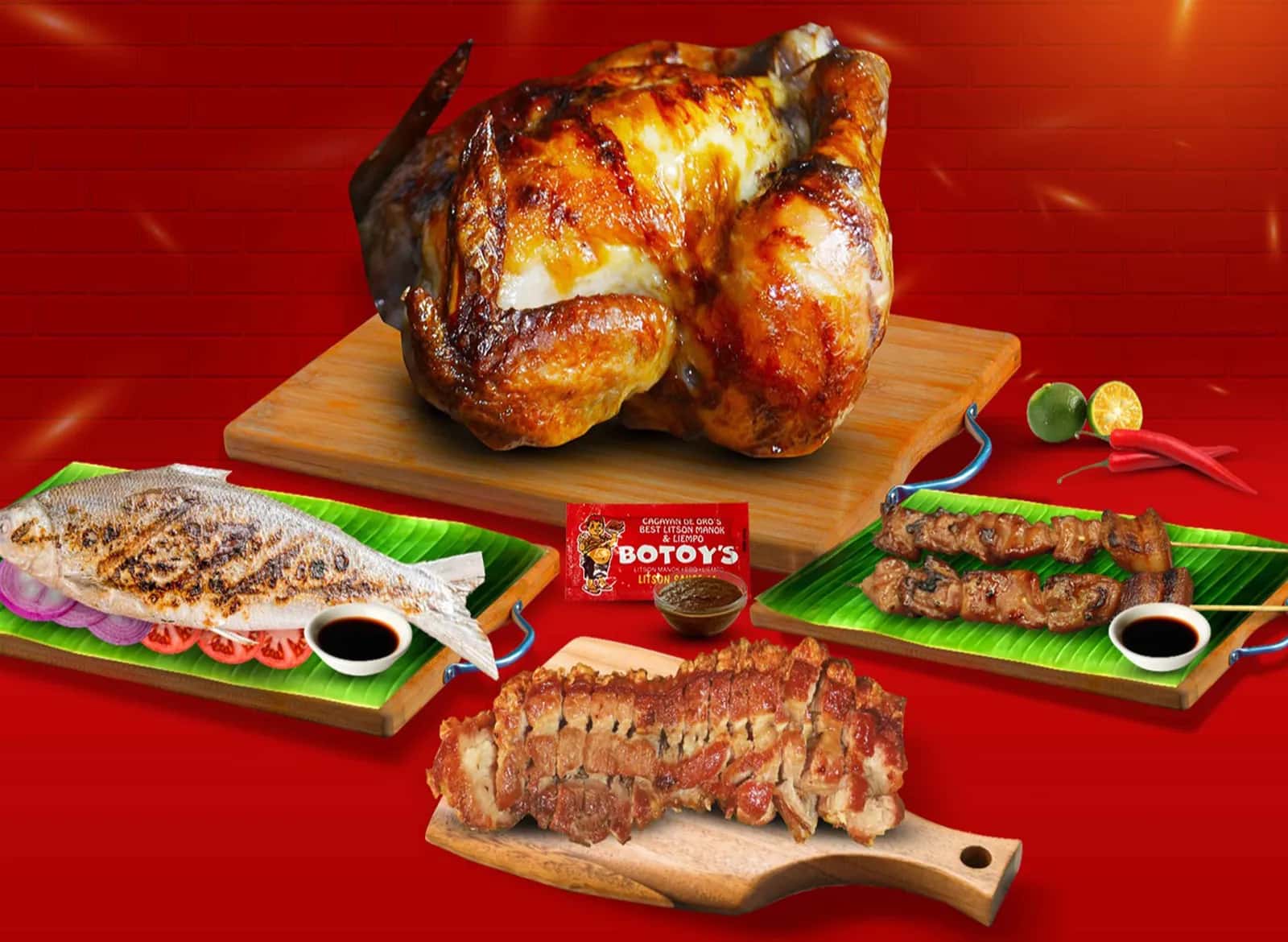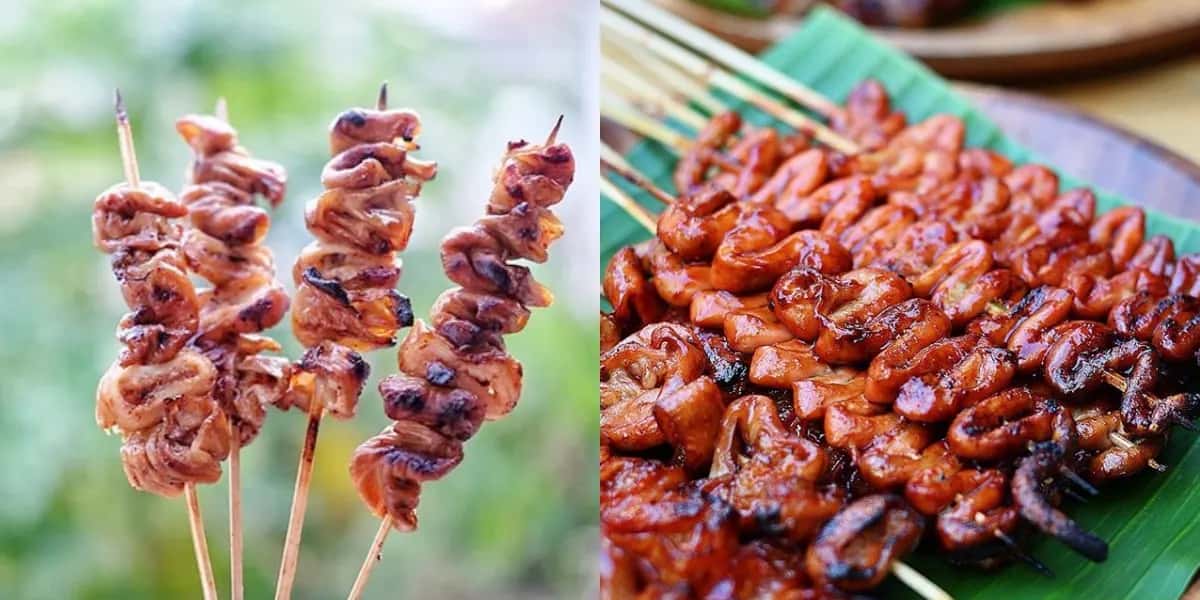
99 Silog
Filipino Restaurant
- Franchise fee
- ₱189k
- Total investment
- ₱189k–₱250k
🎁 Start Your 1 Month Free Trial of the Full Plan, Exclusively for Brands & Advisors.Get Started
Browse 38 franchises up to ₱300k in Tangub, with investments from ₱250k to ₱300k, franchise fees mostly between ₱50k and ₱122k, and most paying back in 6 to 16 months.
Updated

Water Refilling
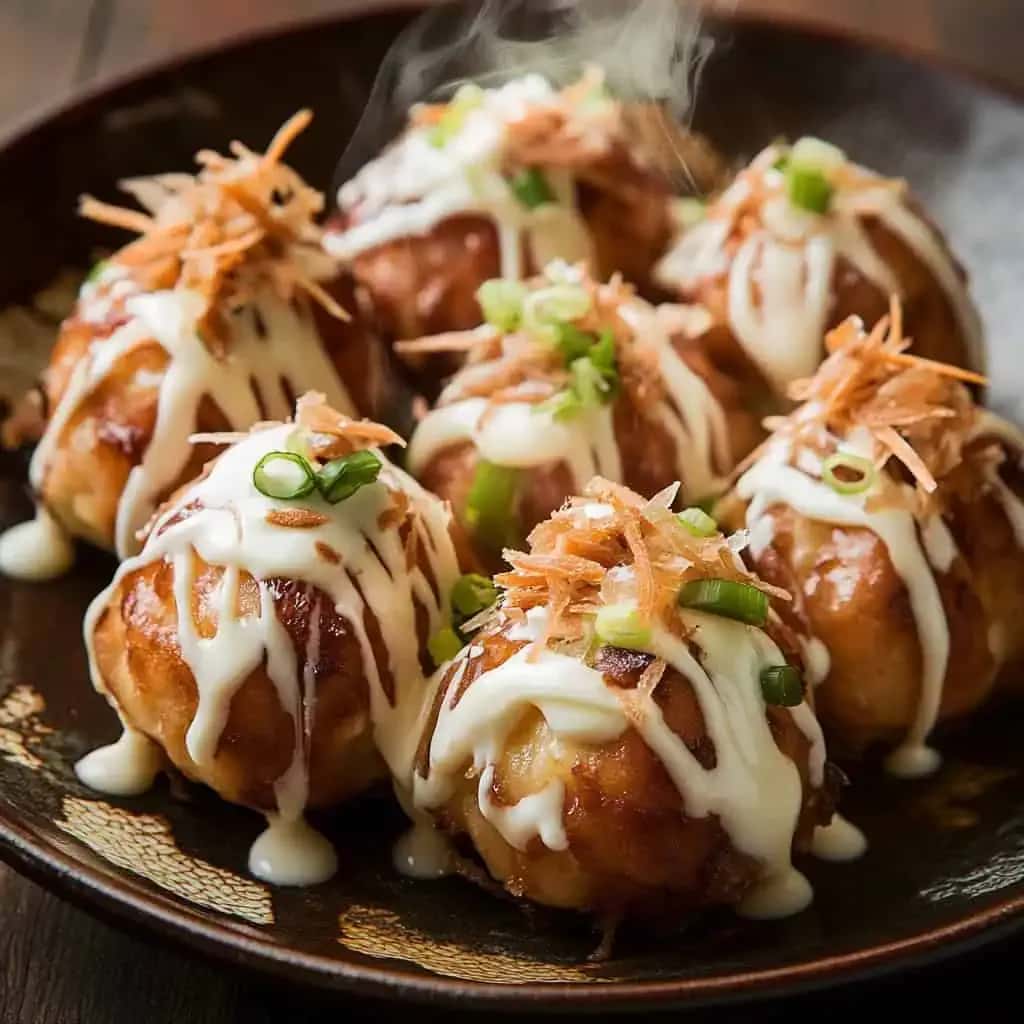
Takoyaki & Japanese Snacks

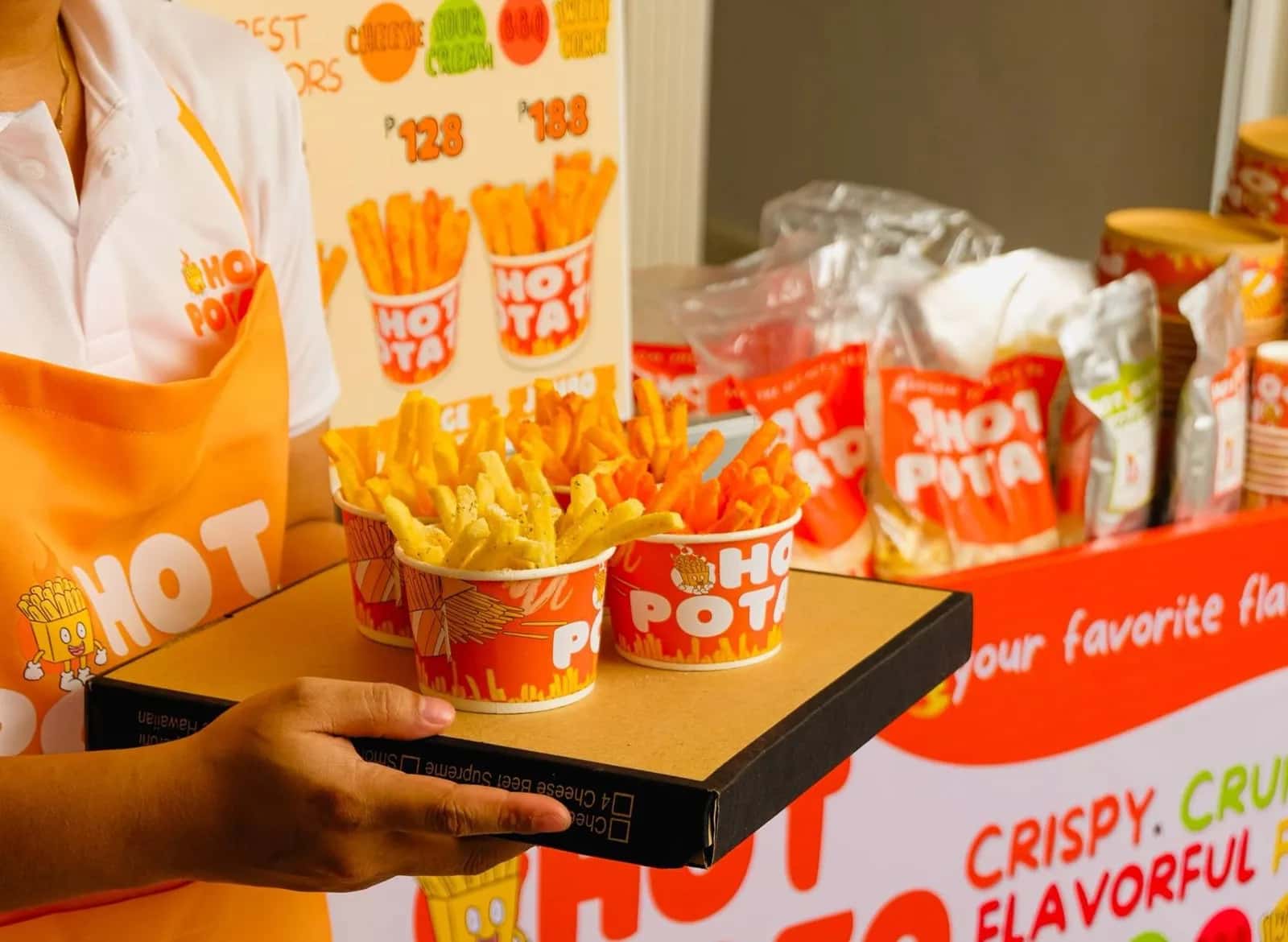
Fries & Potato Snacks

Payment & Remittance Center
Showing 24 of 38
Tangub has about 254 businesses on the map, from food and drink to shops, services and clinics. Check what already operates near the spot you have in mind.
Population
68,3892020 census
Per 10,000 residents
37businesses we track
Business locations are based on Overture Maps open data (October 21, 2026 release) and do not represent a complete census of all businesses.
Tangub, Misamis Occidental, has a food cart and kiosk setup already priced for it, with entry between about ₱190,000 and ₱250,000, which sits inside a ₱300,000 budget with something to spare. The franchise fee is about ₱190,000 as well, and payback is quoted at around six months. Across the country the same budget opens many cheaper and larger builds, so a Tangub buyer can choose between a locally offered counter and a wider field.
The setup offered for the city asks for an entry of about ₱190,000 at the lower end and ₱250,000 at the upper end, so it stays inside the full ₱300,000. What makes it different from most is the fee, which at about ₱190,000 is about as large as the entry itself. That means the total outlay is closer to the budget limit than the entry alone suggests, and a buyer should add the two together before deciding. Elsewhere in the country, builds at this money start at about ₱30,000 and carry fees from nothing up to ₱179,000, so a lighter start remains available. Quoted payback for those runs from five months to a year and a half, and the Tangub setup lands near the front of that spread at around six months. Reading the fee and the entry together is what makes the comparison honest. A buyer who plans around the combined figure, not the entry alone, is far less likely to be caught short when the first invoices arrive.
Tangub sits on the shore of a bay, with fishing and farming households around it and a poblacion that fills up when the market opens. Trade moves in waves through the day, starting with early shoppers and fishermen, rising again when schools let out, and peaking in the evening when workers head home along the main road. A cart or kiosk that opens at five in the morning and again in the late afternoon catches the two strongest waves with a modest staff. The middle of the day is slower, so many owners use it to restock and prepare the evening menu. Payday weeks and festival weeks lift sales in a way a regular week does not, and a counter that is well stocked for those days earns most of its yearly profit from them. The weather matters too, because a wet afternoon sends shoppers home early and a covered spot keeps the counter selling when an open one empties out.
Start with the spot, because the same counter earns very differently on a corner with steady foot traffic and on a quiet side street. Walk it at breakfast, at noon, at the end of school and after dark, and note how many people pause rather than pass. Check how deliveries arrive, since roads along the bay can be slowed by heavy rain and a late truck means an empty display. Ask the franchisor which costs sit outside the entry and the fee, such as deposits, permits and the first batch of stock. Confirm what support exists if equipment fails and the nearest technician is a long ride away. Finally, work out whether the owner can cover living costs for a few months, because even a six-month payback leaves the first weeks thin. Ask other small owners nearby how they handle slow months, since their answer is worth more than any brochure.
Standalone shops are the rarest format at this money, and they tend to ask for far more than the budget allows once rent and fit-out are added. Home-based and online builds come next in rarity, offered by few brands, though they work for someone who already sells from home. Inline stores appear a little more often, and they need a rented unit in a commercial row with a lease that runs whether sales are good or not. Carts and kiosks make up the bulk of what is offered, and both are priced for Tangub. They can be placed close to the market, the school gates or the main road, and they can be moved if the first location disappoints. For a first franchise on this budget, that flexibility is the most useful feature of all. A cart can also be parked at a church plaza or a school event on weekends, which adds sales a fixed shop never sees.
Now that you've seen what's here, a real advisor can help you shortlist and weigh the options against your budget. Free, at your pace.

Financing Readiness · Site Selection

Low-Capital Startups · Site Selection

Low-Capital Startups

Franchise Agreements · Multi-Unit Expansion
Are you a franchise advisor?Get your own workspace here
Choose an industry to see its franchises in Tangub, with their fees and investment ranges.

Carts, kiosks, and full restaurants.
From ₱30k
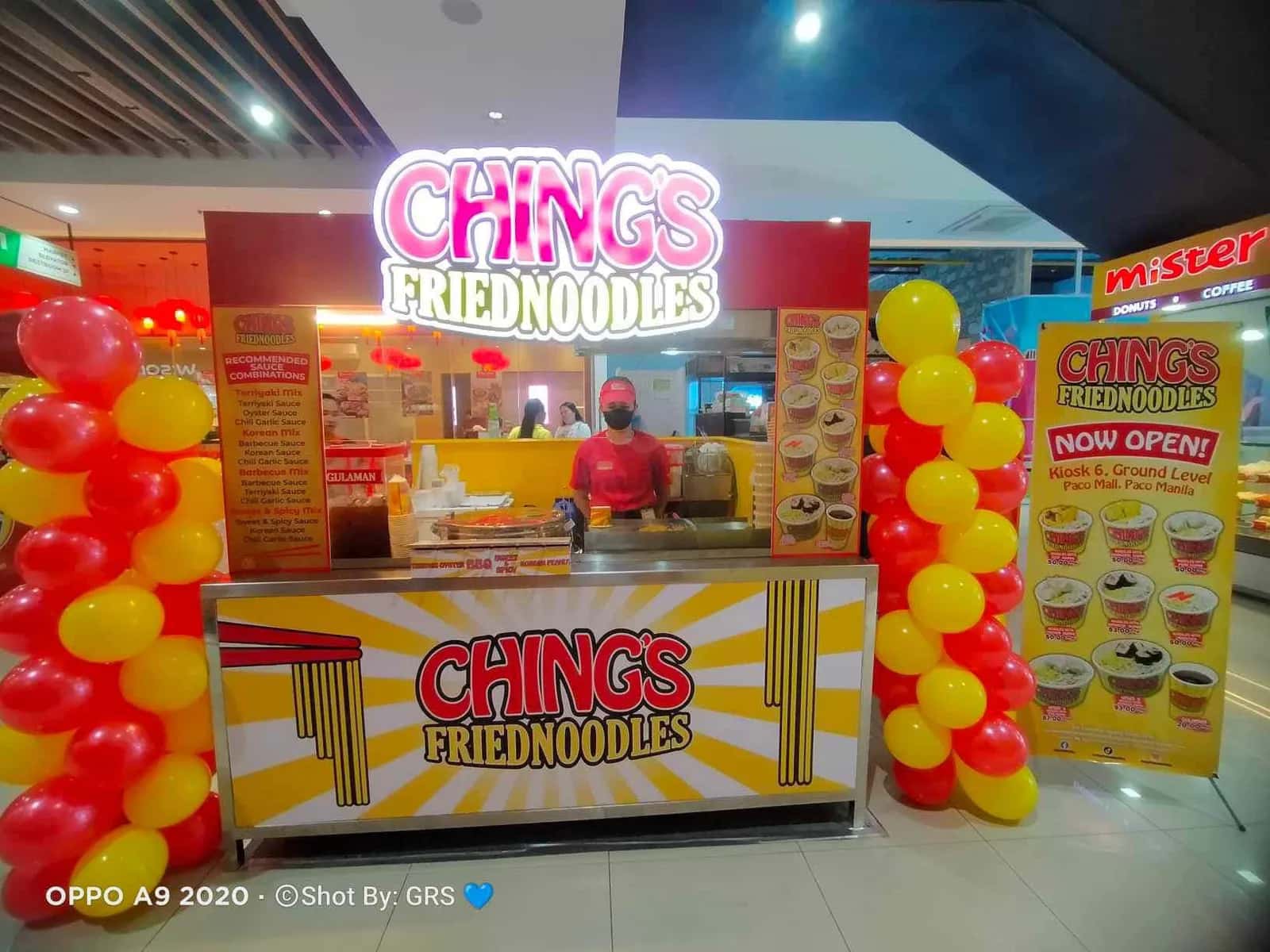
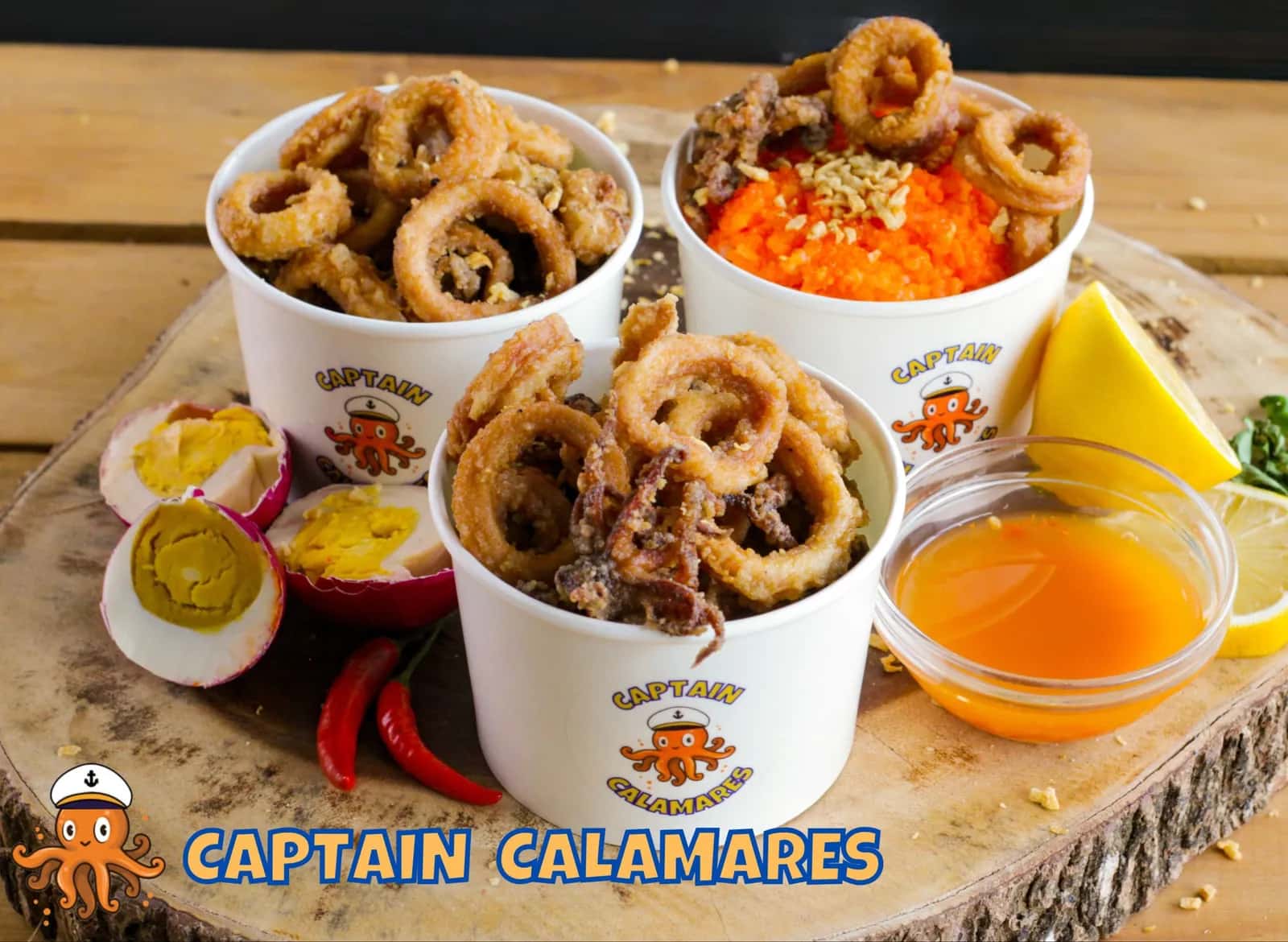
Chings Fried Noodles, 99 Silog, Captain Calamares
See brands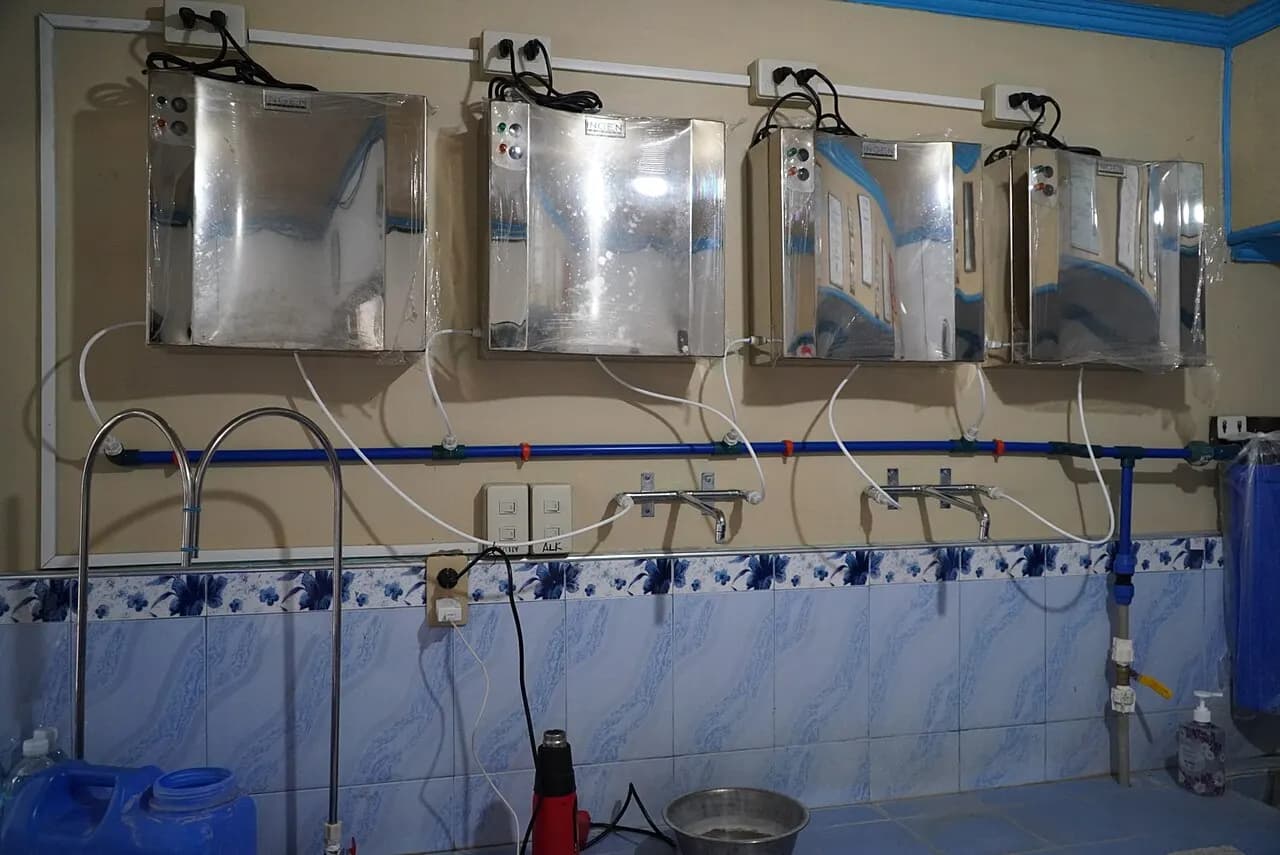
Purified and mineral water stations.
From ₱100k
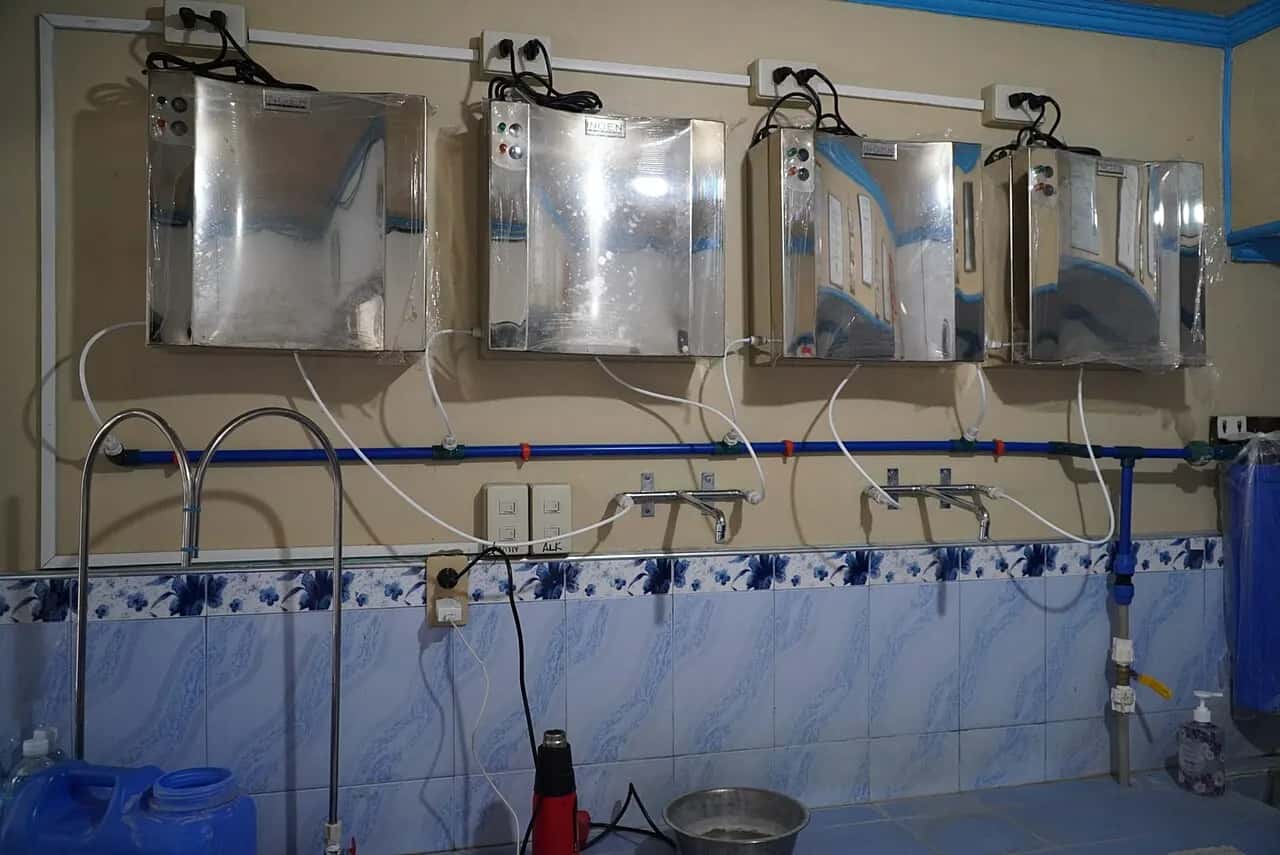
AlkaViva Water Refilling Station, Bluewaters
See brandsGet honest answers on what this budget really covers, fees and payback, free and with no pressure.
Mapping ₱300k franchises in Tangub by industry gives food & beverage with 32 franchises, travel & tours with 2 and water refilling with 2. A map is useful only if you mark yourself on it. Place your skills, your comfort with risk and your available space beside each industry and see where they meet. Where they meet in more than one place, ask which of those industries you would still like in a year, and keep that one at the top of your reading list.
Pocket friendly does not mean identical, and ₱300k in Tangub offers food carts with 33 franchises, kiosks with 25 and inline stores with 6. Within the same budget, some formats spend more on equipment and others on stock or fit out. Ask how each format divides its budget. A format weighted toward equipment will last longer but leave less for stock, while one weighted toward stock gets you selling sooner. Choose the split you are most comfortable with.
Across ₱300k franchises available in Tangub, you will usually see a franchise fee between ₱50k and ₱122k. Many first time franchisees forget that renewal can carry its own fee when the contract ends. Ask the franchisor what renewal costs, whether it is a full fee again or a reduced amount, and write that figure into your long term plan now.
Delays in sending money can stretch the 6 to 16 months usually quoted for a ₱300k franchise in Tangub, which franchisors count from opening day. Funds transferred from abroad in stages can hold up that day, and every week of delay pushes recovery later. Plan to have the full amount ready before signing so the store opens on schedule, and count your own payback from the first sale rather than the first transfer.
Take Tangub and each neighbour in turn, and you will find the picture repeats, since Tangub lists 38 ₱300k franchises and the area shows Oroquieta with 38, Ozamiz with 38, Cagayan de Oro with 40 and El Salvador with 38. Rather than reading a long page for every city, read the Tangub list thoroughly once and then scan the others only for entries that do not appear in it. That approach finds every real difference in a fraction of the time.
Asking the right questions early makes it far more likely that a ₱300k franchise in Tangub works beside your job. Before committing, ask the franchisor what typically goes wrong for owners who are not on site and how they help prevent it. Their answer shows how experienced they are with part-time owners, and whether their support truly fits your situation.
A delay in opening a ₱300k franchise in Tangub is more common than an early finish, so ask how the franchisor handles one. Find out which stage they most often see running late, who tells you when a date moves, and how soon. Having this agreed before you start lets you reset your plans quickly instead of learning about each slip after it has already happened.
Passing the business to a relative is one exit some families consider when a ₱300k franchise in Tangub is not working for the original owner. Many franchisors treat this as a transfer that still needs approval and training for the new operator. Ask whether family transfers follow the same rules as outside sales or are handled more simply. If a sibling or child may take over someday, knowing this in advance keeps the option realistic.
Compare how many franchises start at each budget level in Tangub, from the smallest packages up.
Compare how many ₱300k franchises take franchisees in each place, nearest first.
The ₱300k franchises whose franchisors quote the shortest time to earn back the investment, worth checking against your own costs.
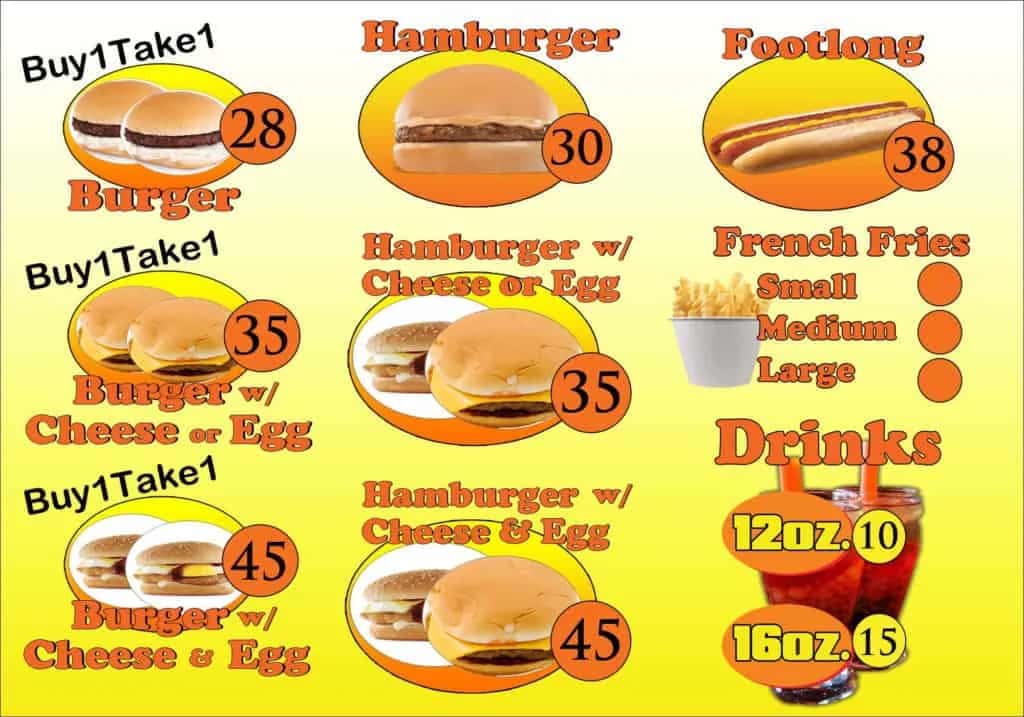
Burgers
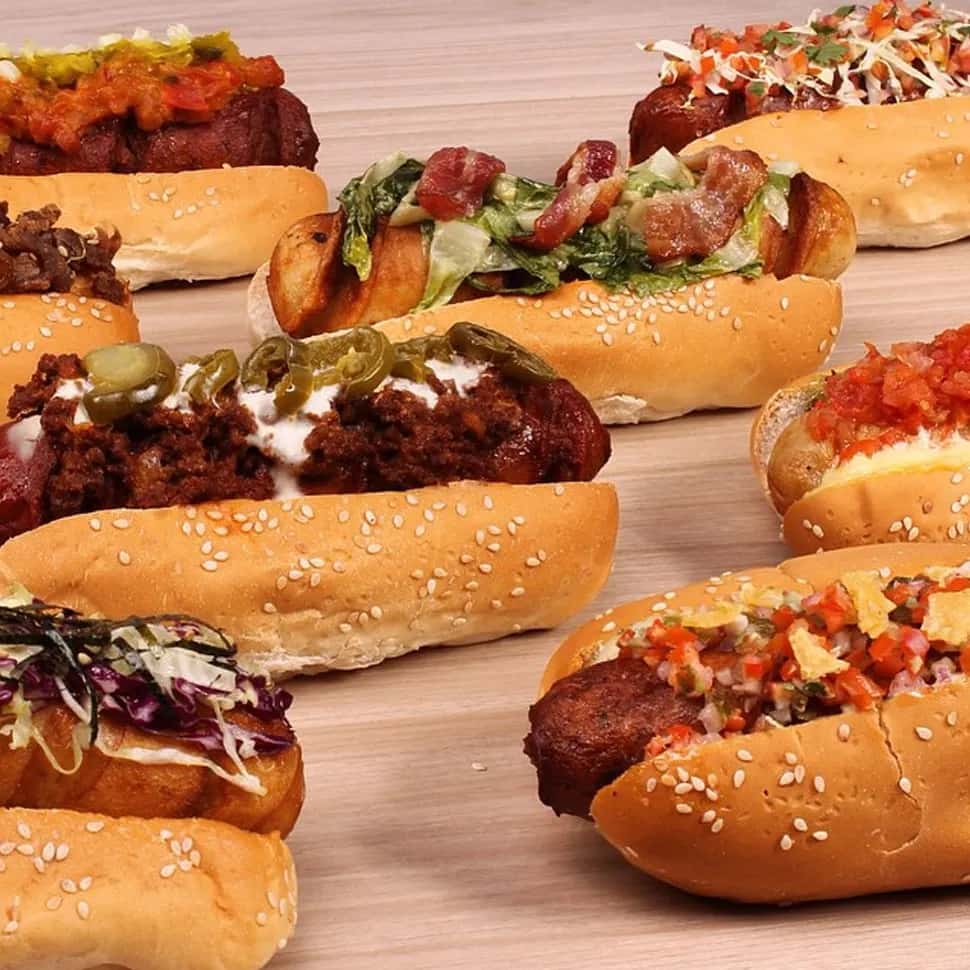
Street Food & Snacks
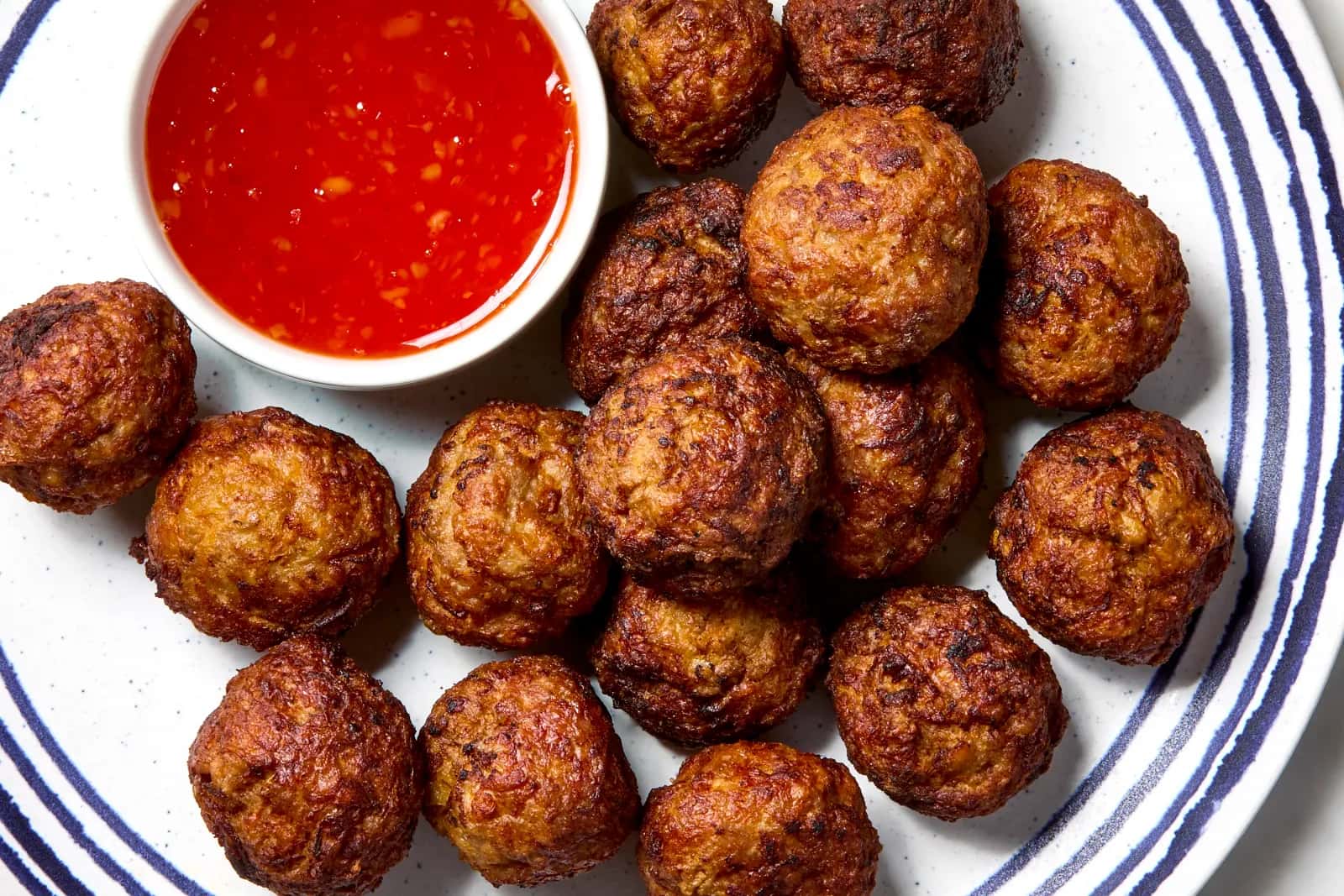
Street Food & Snacks
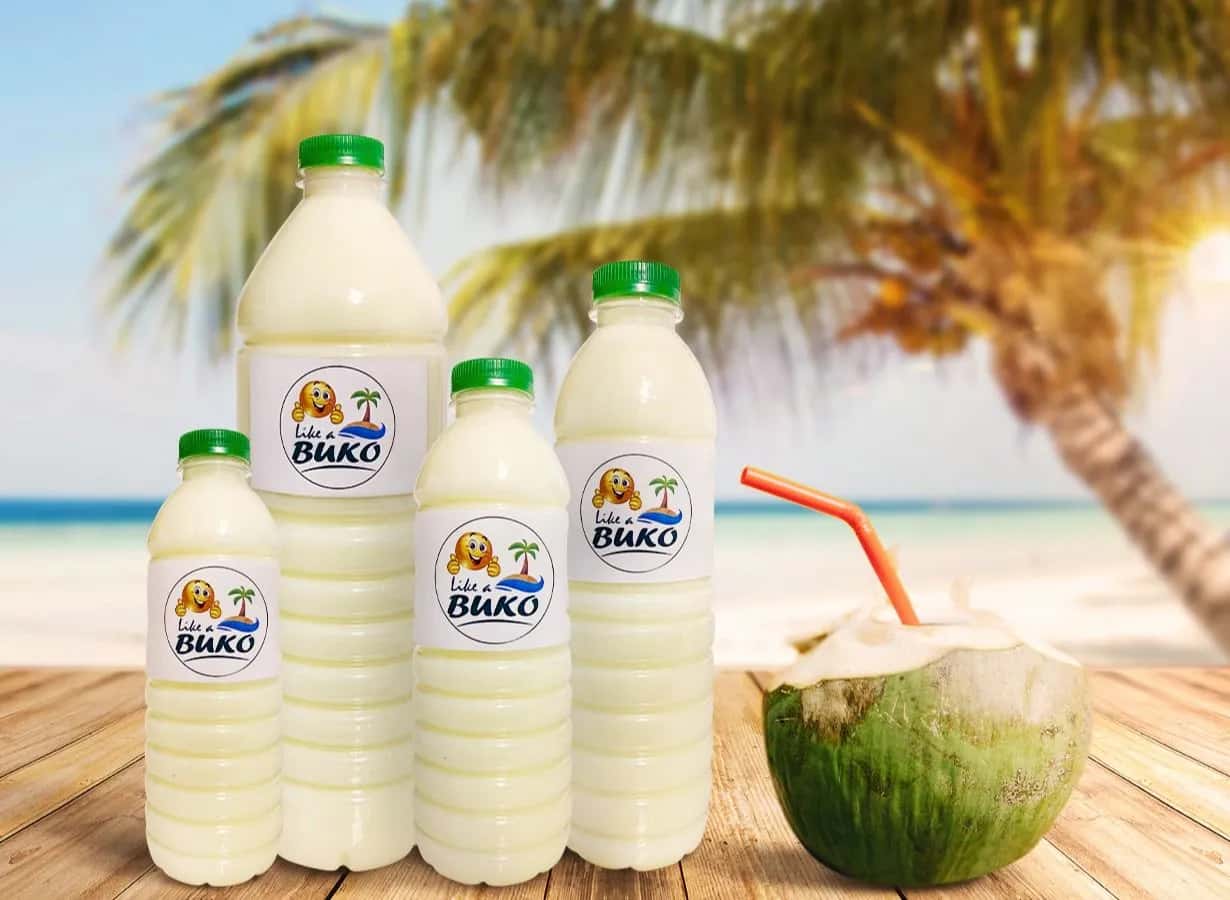
Juices & Shakes

Juices & Shakes
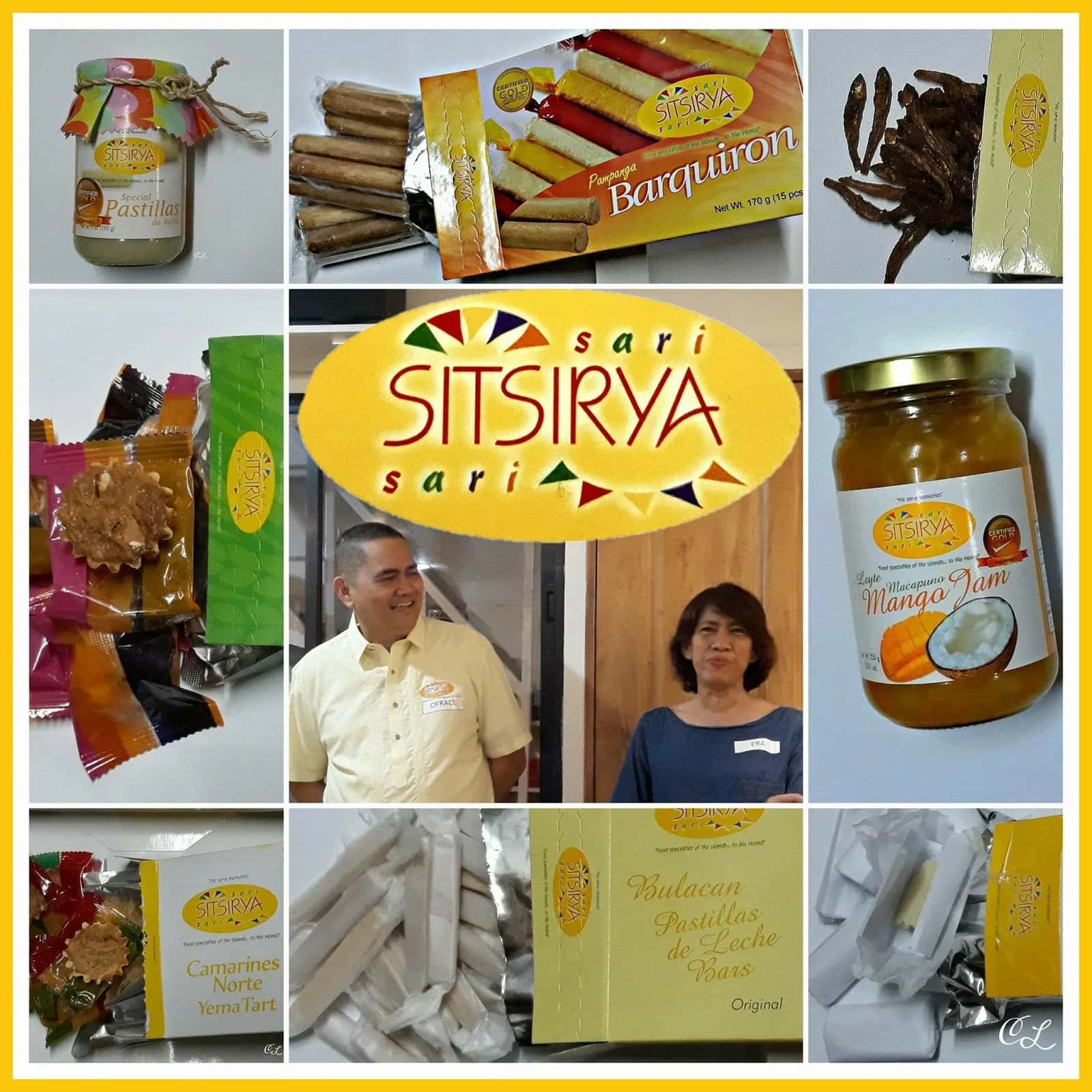
Packaged Snacks

Juices & Shakes

Coffee Shop
Franchises at the next budget level, ₱400k, worth a look if you can stretch your savings a little.
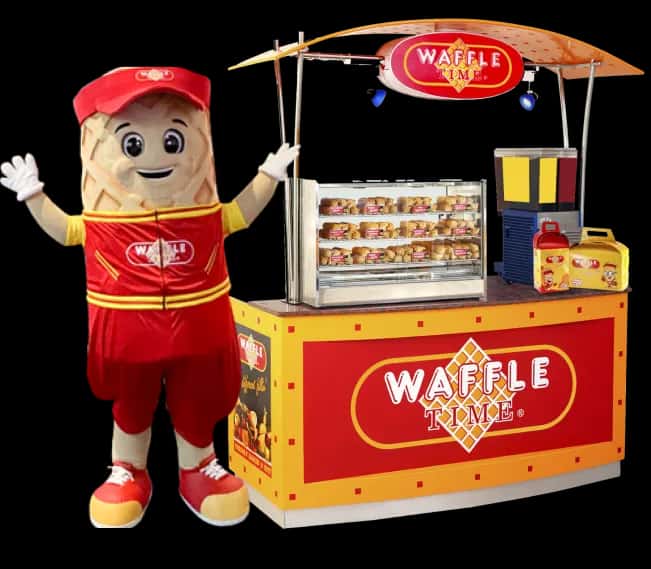
Waffle Shop
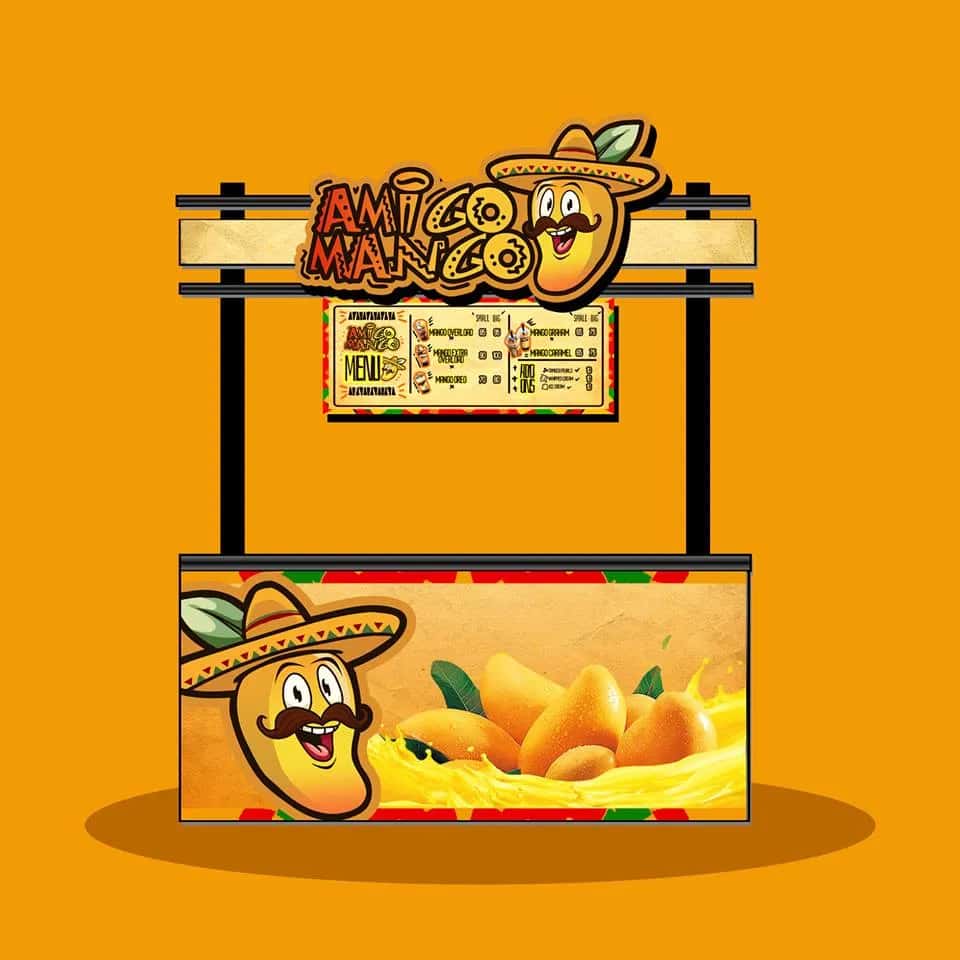
Juices & Shakes

Juices & Shakes

Burgers
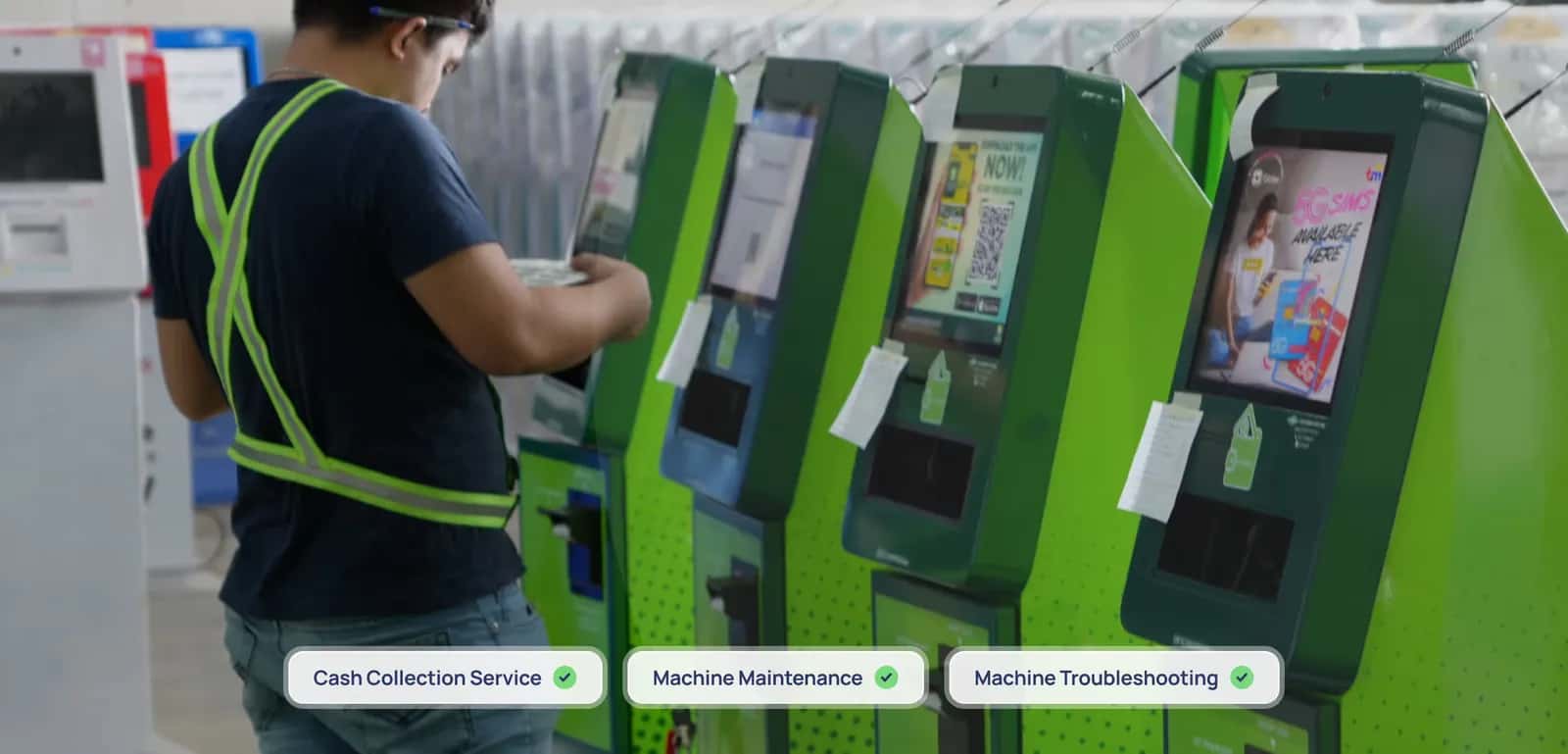
Payment & Remittance Center
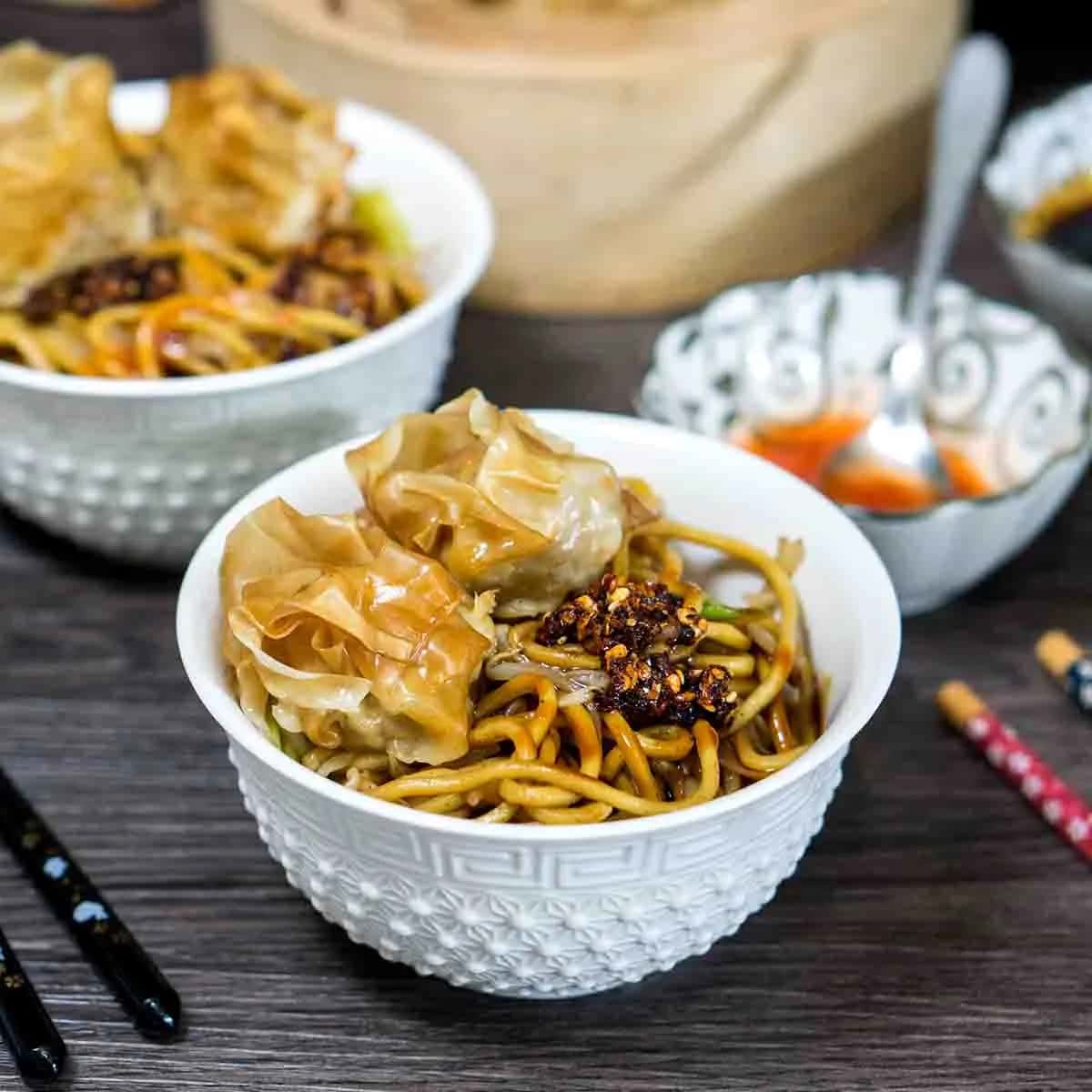
Siomai & Dimsum
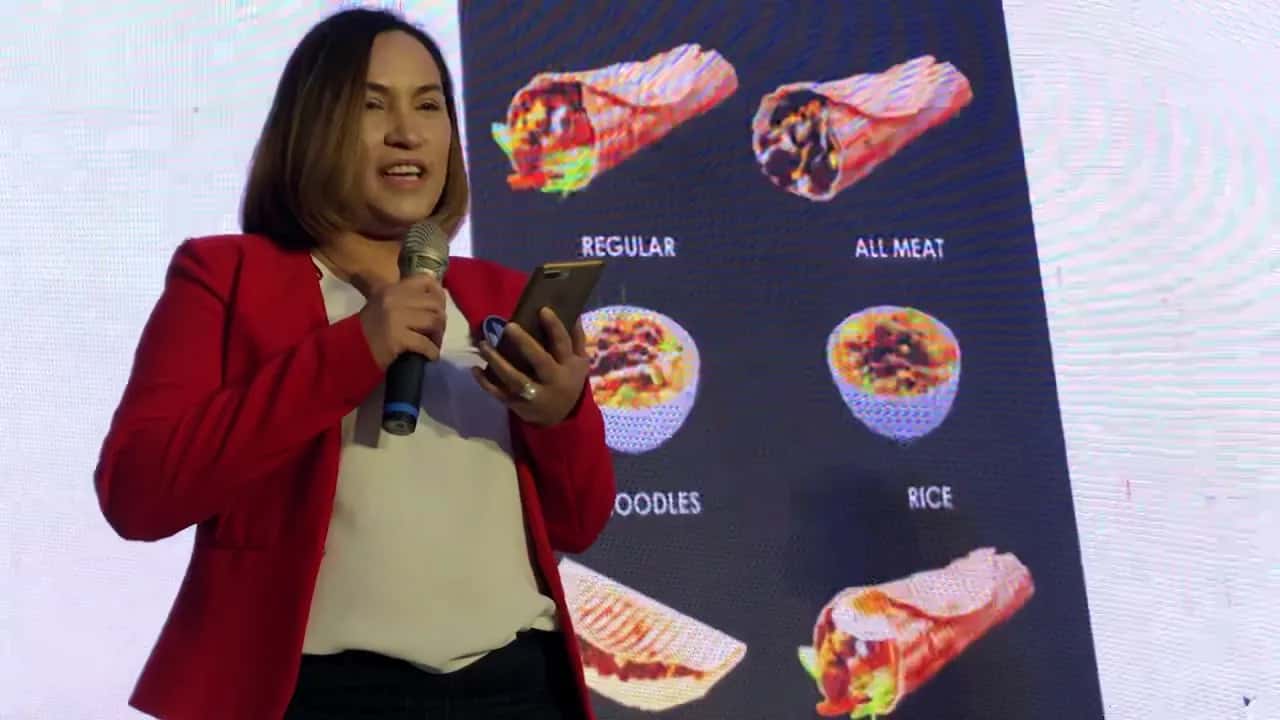
Shawarma
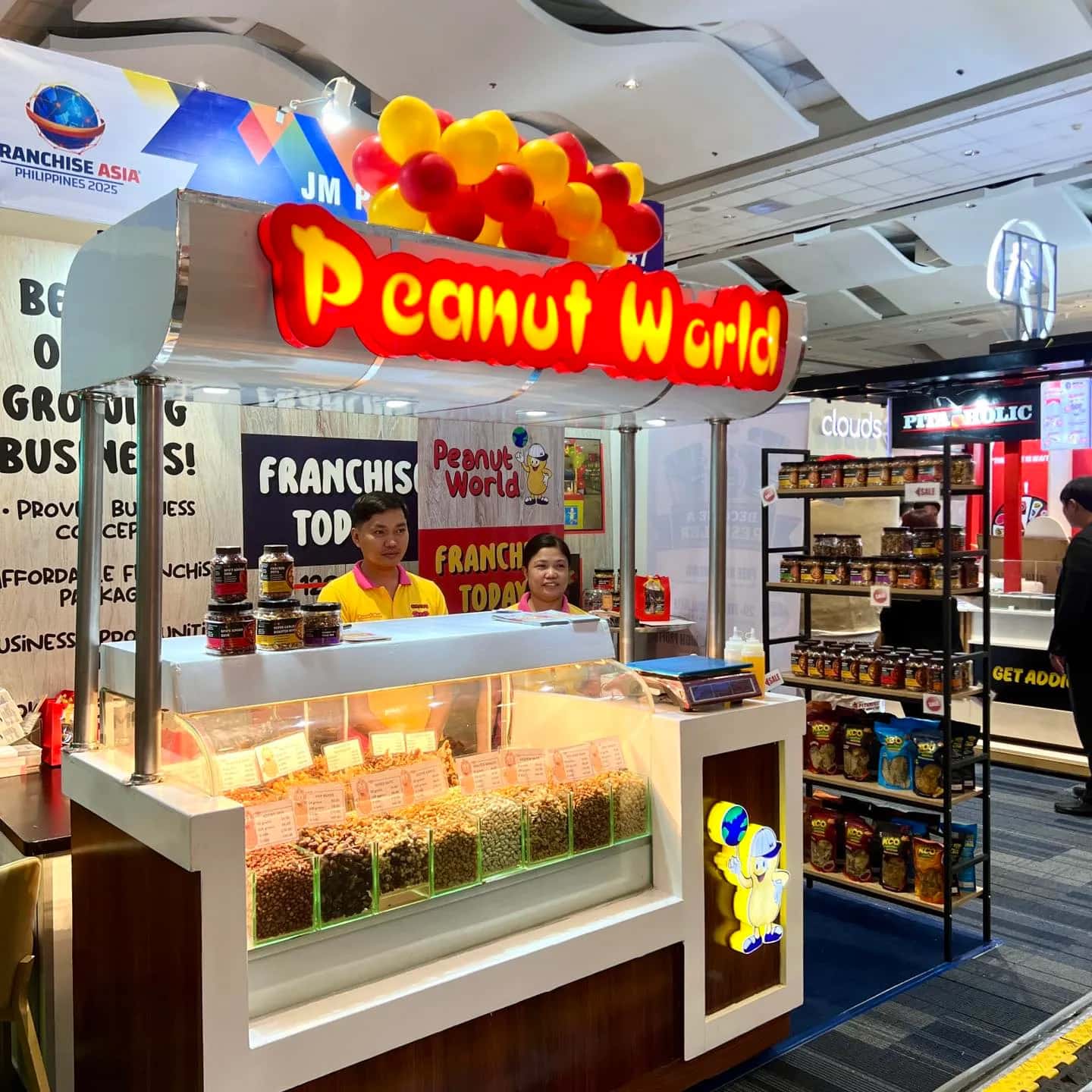
Packaged Snacks

Learn practical inventory control steps for your Philippine franchise to cut waste, prevent loss, and protect your capital.
Aug 14, 2026 6 min read
Learn how non-compete clauses work when exiting a franchise agreement in the Philippines, protecting your investment after closing.
Jul 20, 2026 5 min read

Learn how to secure financing for your Philippine franchise, from preparation to approval. A practical guide for new operators and OFWs.
Jul 20, 2026 5 min read