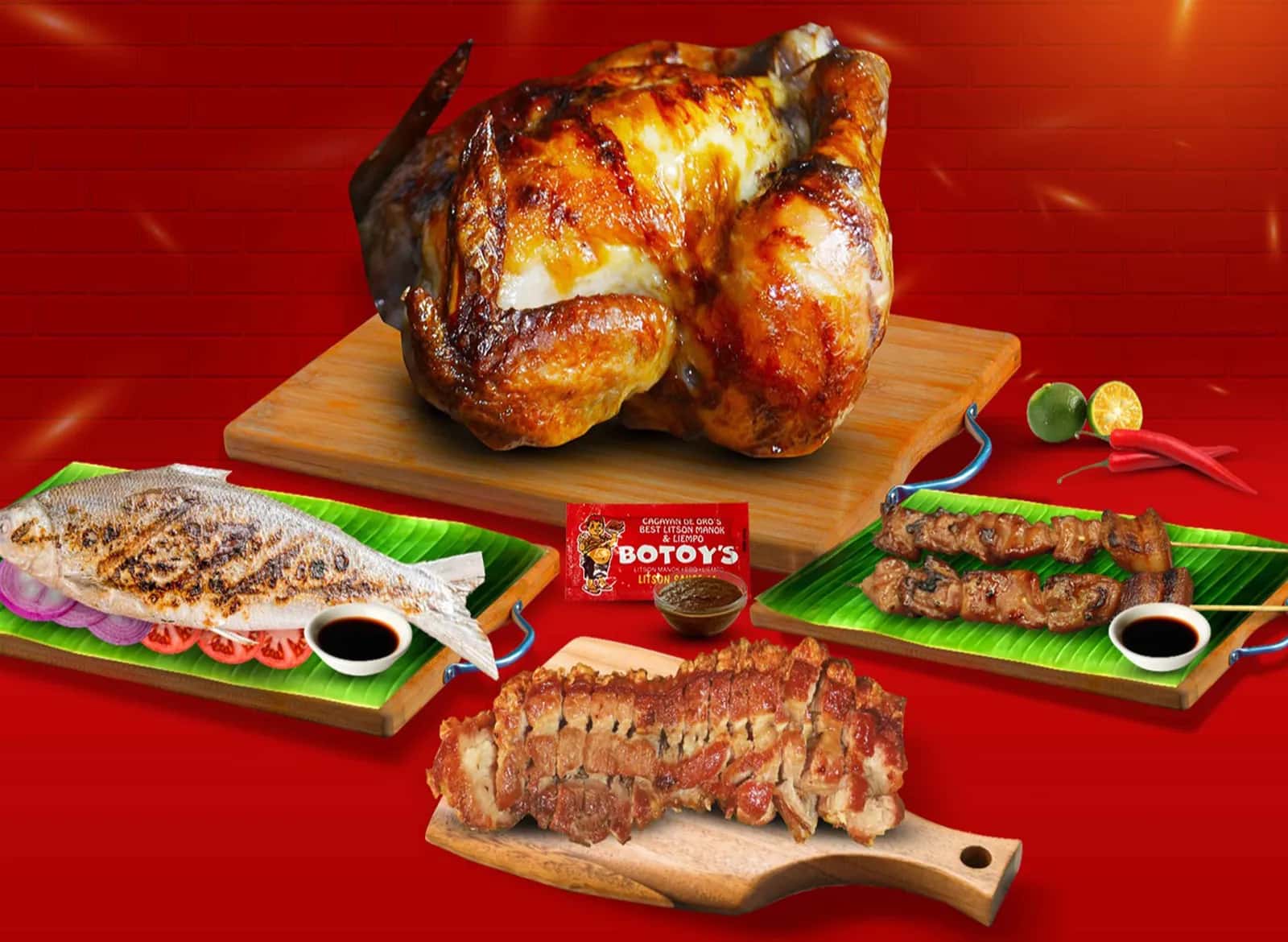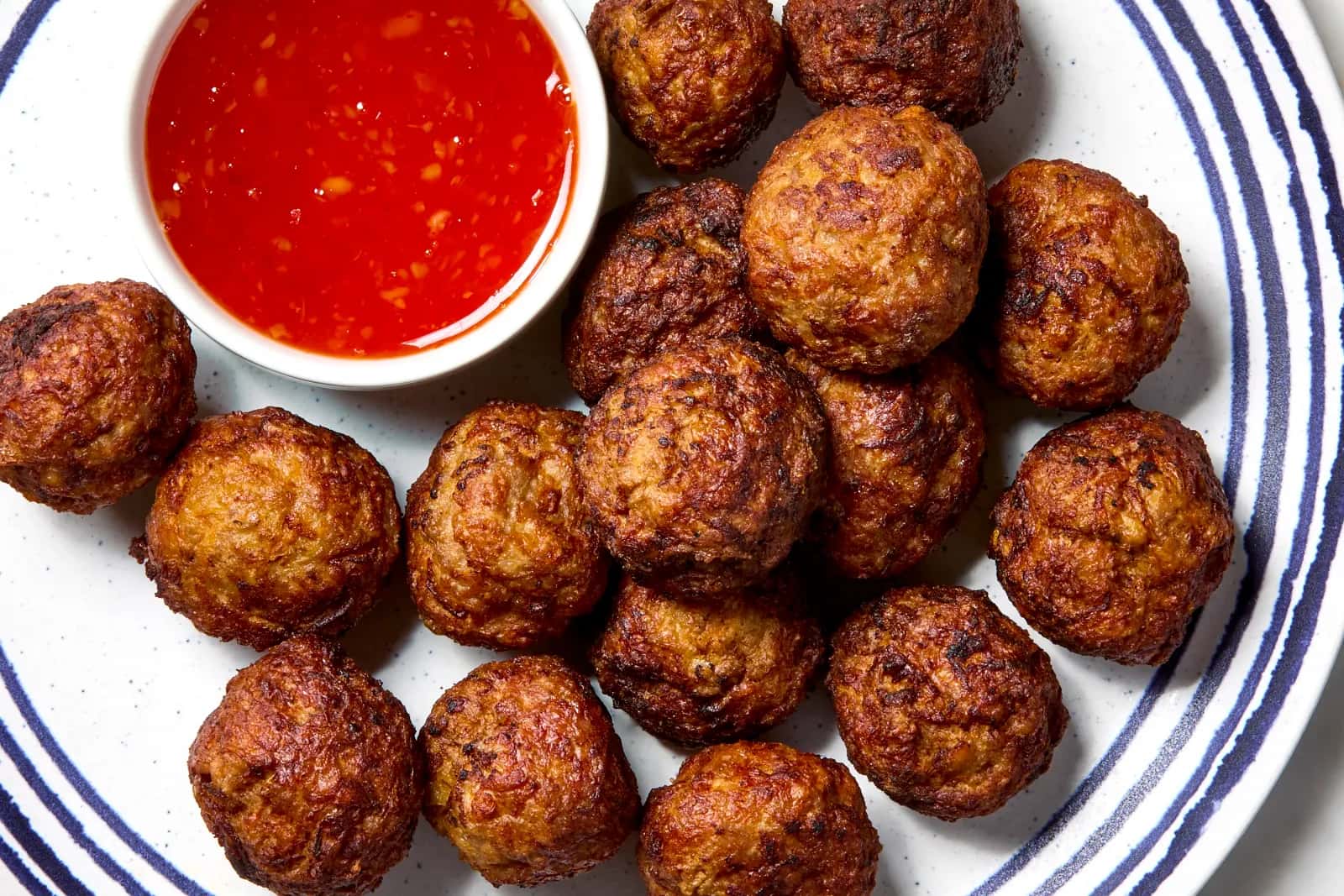
99 Silog
Filipino Restaurant
- Franchise fee
- ₱189k
- Total investment
- ₱189k–₱250k
🎁 Start Your 1 Month Free Trial of the Full Plan, Exclusively for Brands & Advisors.Get Started
Browse 38 franchises up to ₱300k in El Salvador, with investments from ₱250k to ₱300k, franchise fees mostly between ₱50k and ₱122k, and most paying back in 6 to 16 months.
Updated

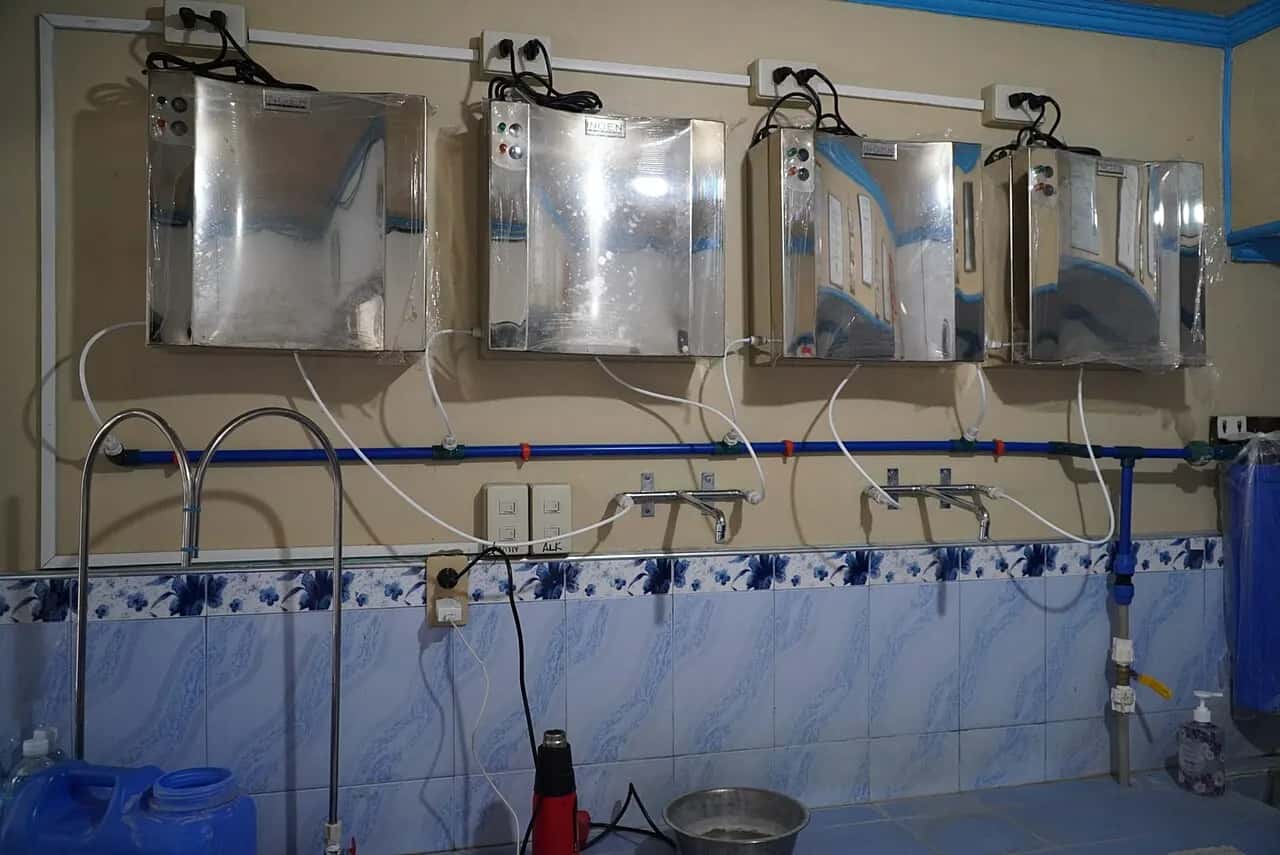
Water Refilling
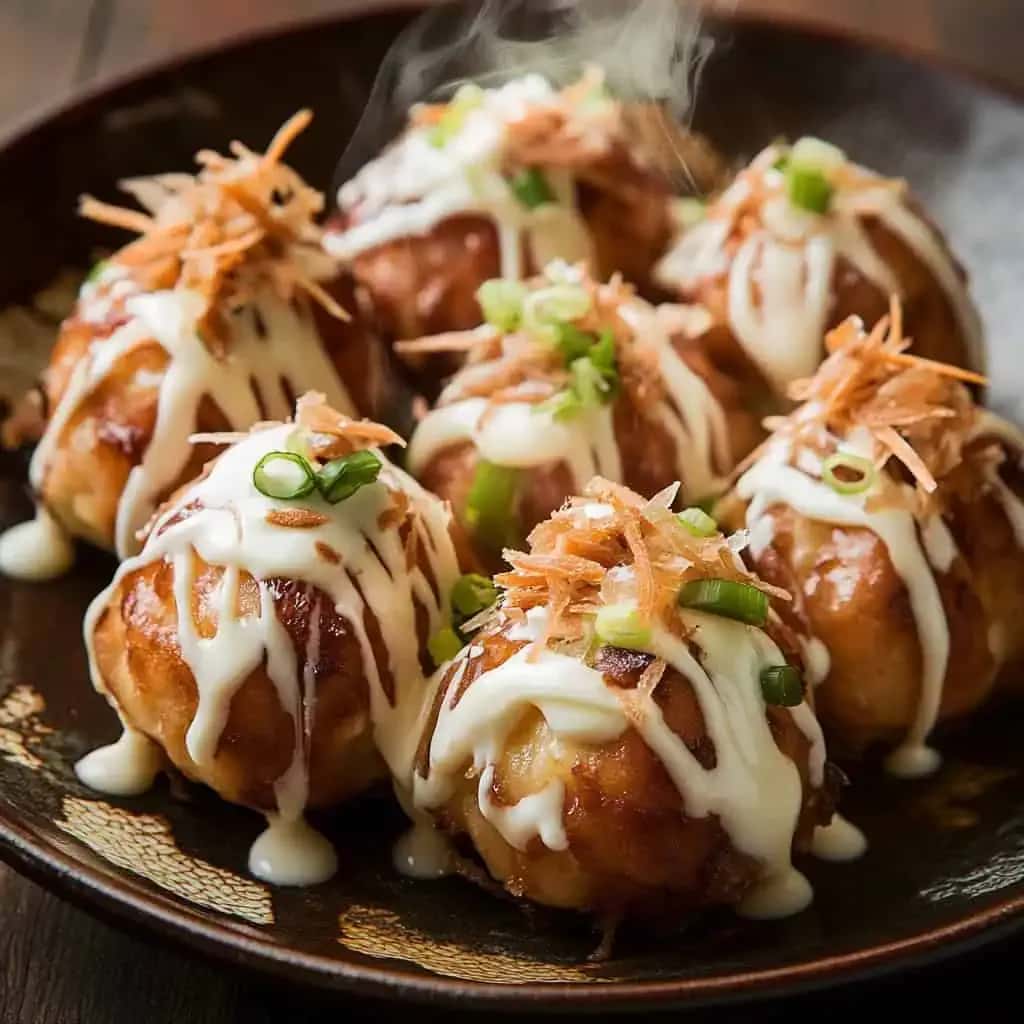
Takoyaki & Japanese Snacks
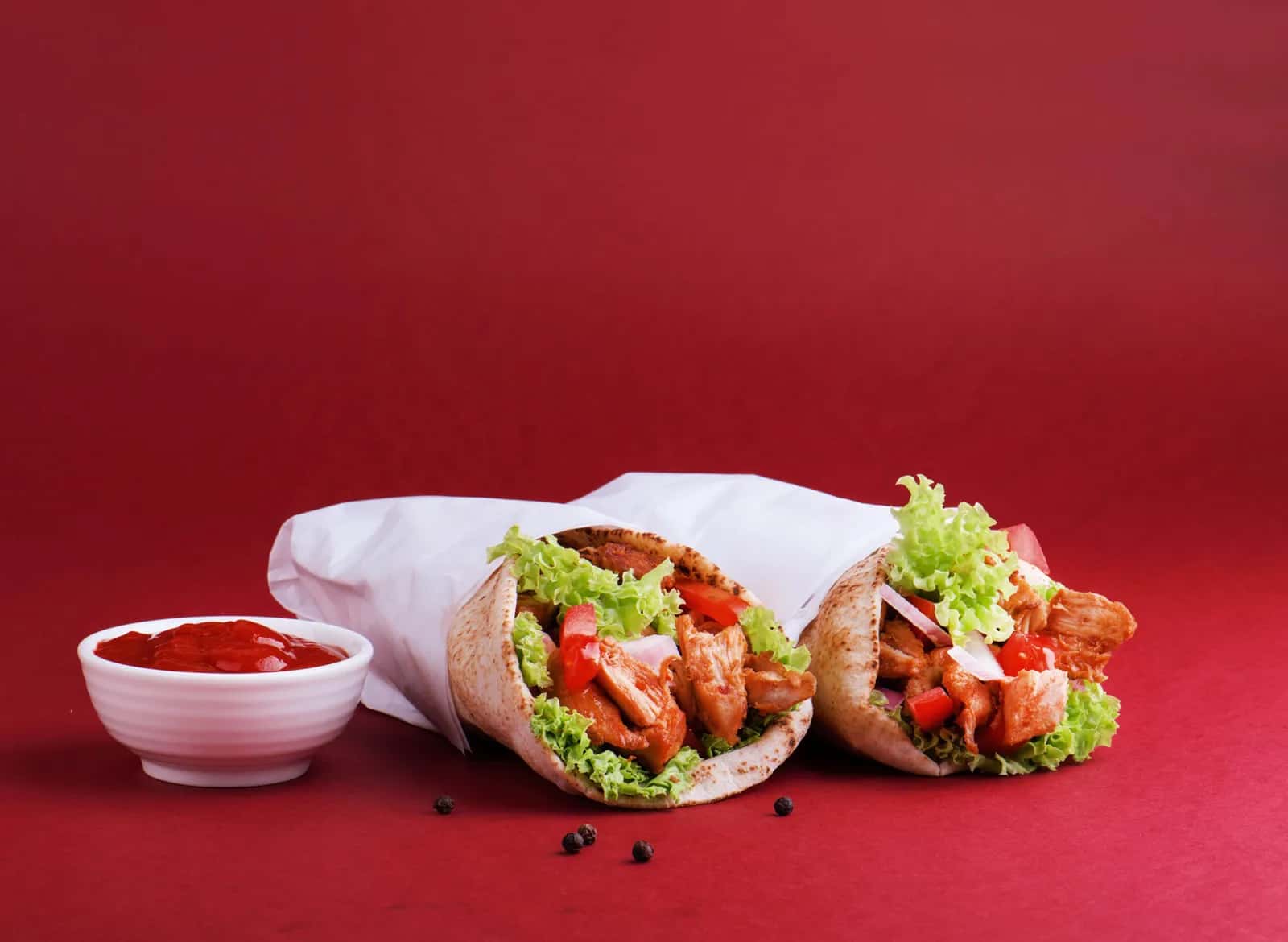
Shawarma
Juices & Shakes
Printing Services

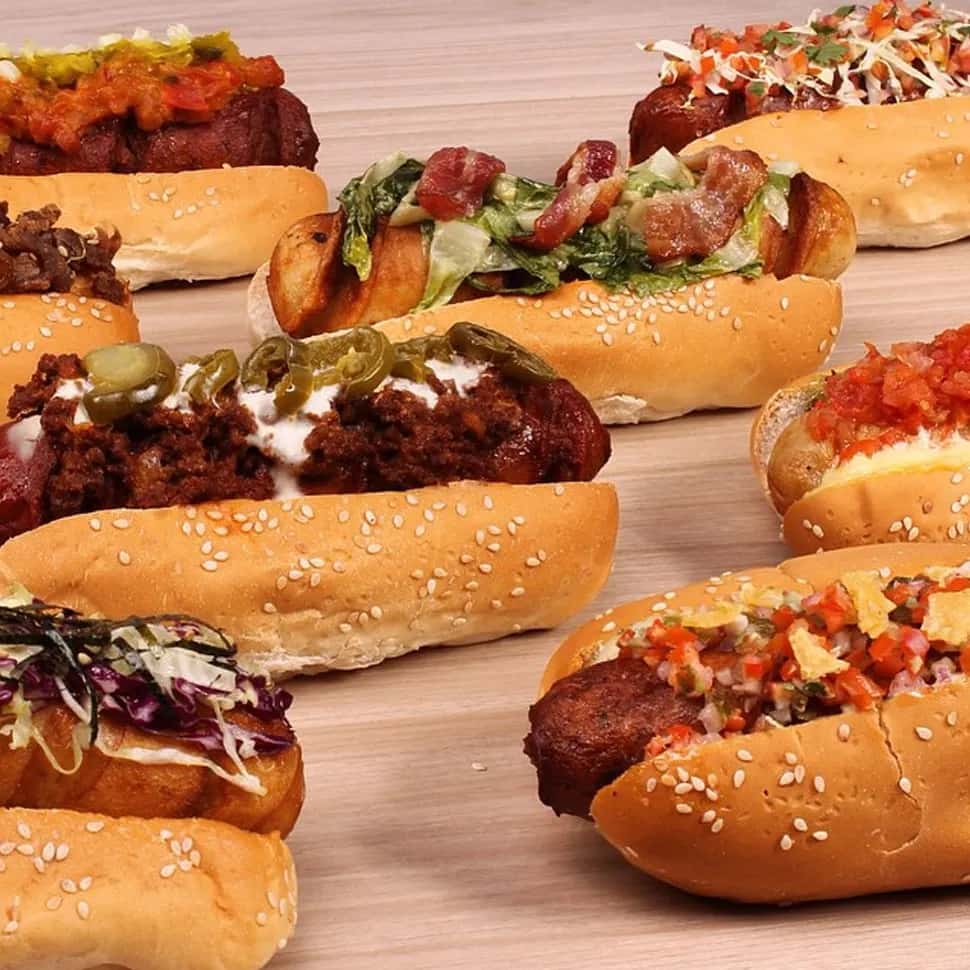
Street Food & Snacks
Showing 24 of 42 (38 in El Salvador, 4 nearby)
El Salvador has about 219 businesses on the map, from food and drink to shops, services and clinics. Check what already operates near the spot you have in mind.
Population
58,7712020 census
Per 10,000 residents
37businesses we track
Business locations are based on Overture Maps open data (October 21, 2026 release) and do not represent a complete census of all businesses.
Up to ₱300,000 in El Salvador, Misamis Oriental, already has a local setup that opens between about ₱189,000 and ₱250,000, and it is quoted to pay itself back in around six months. That makes it a quick-return choice for a first business near Cagayan de Oro. Franchisors that sell nationwide widen the choice with cheaper builds and other trades, so the full amount is not needed to start.
El Salvador is a small coastal city in Misamis Oriental, on the highway that carries buses, vans and delivery trucks between Cagayan de Oro and the towns to the west. Much of the daily trade comes from people passing through, from farm and fishing families selling in town, and from workers who live here and commute toward the larger city. That mix suits a food counter placed where the traffic slows, such as the poblacion, a terminal area or a school entrance. A local setup already exists at this budget, and it comes as a cart and as a kiosk, so the owner can decide how much frontage to rent. Because the city is compact, a counter on a busy corner reaches a large share of residents within a few weeks of opening. Weekday mornings and late afternoons are usually the strongest hours, when workers and students are on the road, so a counter that opens early and stays open past school dismissal catches both waves.
The entry cost on the local setup runs from about ₱189,000 to ₱250,000, depending on the size of the build. The franchise fee is quoted at about ₱189,000, which is the same figure as the lowest entry cost, so the fee is the main cost to plan around at the smaller end. Payback is quoted at about six months, and that is a claim worth testing with a few simple questions about daily sales. Nationwide franchisors start from about ₱30,000, and their fees run from nothing up to ₱179,000. An owner with the full ₱300,000 in hand can therefore pay for the build, keep money for stock and still hold a reserve for the first slow weeks. An owner who sets aside the permit fees, the first stock and a month of supplies before paying the franchisor will avoid borrowing in the first weeks, which is when small businesses feel the most pressure.
The best match is a person who can be at the counter every day, at least for the first few months, and who knows which streets fill up and when. A returning OFW with savings, a retired employee, or a family that already owns a bit of frontage near the road can all do well with a cart or a kiosk. Someone who wants to hire a manager from day one will find the margins thinner, since a small counter supports only a modest wage bill. Those who enjoy chatting with regulars and keeping a tidy stall tend to build a loyal base quickly. Owners who want to scale later can start with one counter, learn the routine and add a second spot once the first one is steady. A single owner-operator with one helper on busy days can run the counter without a large wage bill, and the daily routine of buying stock, prepping and cleaning becomes quick after the first month.
Choosing between the two formats is the first money decision, because they carry different costs. A cart is the cheaper build to put up, and it can be rolled out at a busy hour and put away at night, so rent is small or nothing. A kiosk costs more to build and usually needs a fixed spot, but it protects stock from rain and heat and gives the customer a counter to lean on. Across the country, carts are offered by most franchisors at this money, and kiosks follow close behind. Inline stores and home-based setups exist in far smaller numbers, and standalone buildings are barely offered. For a first business, the cart or kiosk keeps most of the money free for stock, permits and the first weeks of operation. The choice also affects how soon a second counter becomes possible, since the leftover cash decides how much stock and staff the first one can carry.
Now that you've seen what's here, a real advisor can help you shortlist and weigh the options against your budget. Free, at your pace.

Financing Readiness · Site Selection

Low-Capital Startups · Site Selection

Franchise Agreements · Multi-Unit Expansion

Low-Capital Startups
Are you a franchise advisor?Get your own workspace here
Choose an industry to see its franchises in El Salvador, with their fees and investment ranges.

Carts, kiosks, and full restaurants.
From ₱30k
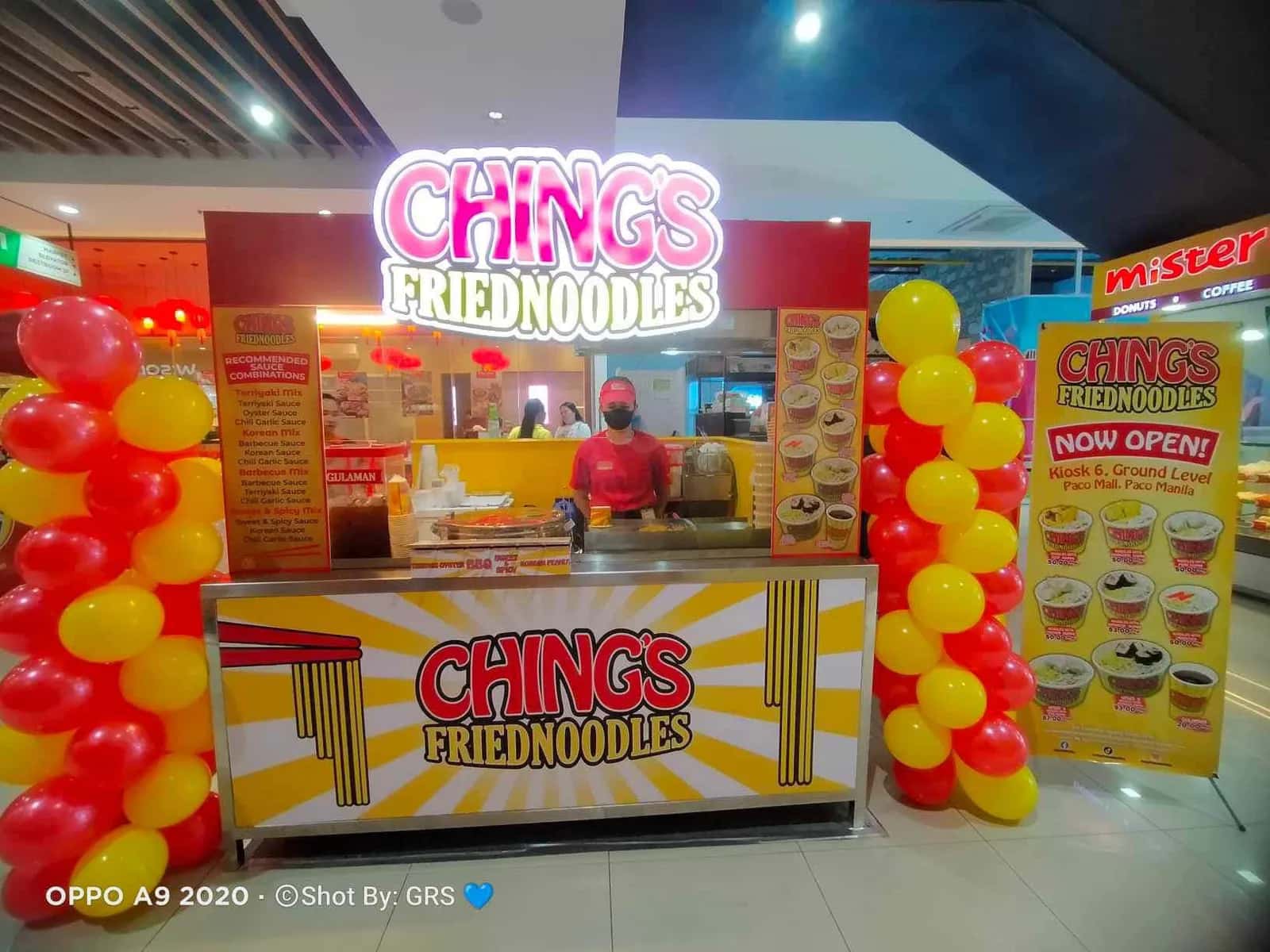
Chings Fried Noodles, 99 Silog, Captain Calamares
See brands
Purified and mineral water stations.
From ₱100k
AlkaViva Water Refilling Station, Bluewaters
See brandsGet honest answers on what this budget really covers, fees and payback, free and with no pressure.
Repeated formats are a clue, and ₱300k in El Salvador offers food carts with 33 franchises, kiosks with 25 and inline stores with 6. When many names in El Salvador sell nearly the same thing, the choice between them is mostly about small details such as hours, space and equipment. Group the near duplicates together and pick the one that matches your situation. That leaves you with a clean set of truly different formats, which is the comparison that actually matters.
Franchisees at the ₱300k level in El Salvador are typically told 6 to 16 months to earn back their money. Online reviews of existing branches can hint at how well stores are actually run, from service speed to product consistency. Read recent reviews for branches near you, and if complaints repeat, ask the franchisor what support it gives owners to fix those issues before they hurt sales.
Quantity alone hides quality, so look past 219 businesses in El Salvador, led by services with 58, shops and retail with 45 and food and drink with 44, in incomplete open data. Some pins are thriving shops and others are barely operating. Visit those in your category near your spot and judge how many are really active. A handful of strong operators can be tougher competition than many weak ones, which changes what the headline number means for you.
Being honest about your appetite for risk will help you size the working capital for a ₱300k franchise in El Salvador. Some owners sleep better with a large cushion and accept a smaller franchise, while others stretch for a bigger outlet with a thinner reserve. Decide how much of your savings you could lose without hurting your family, and let that limit shape both the franchise and the reserve you pick.
Your crew size will come down to how long you stay open, how busy the location gets and whether you plan to work the counter yourself. Franchises priced between ₱200k and ₱300k in El Salvador can be anything from owner-run carts to small stores with rotating shifts. Write down your planned daily hours, divide them into shifts, and you will quickly see how many people you need to keep every shift covered without overtime.
Moving fast is possible, but only if your money, site and free time are all ready together, which is not always the case for first-time owners opening a ₱300k franchise in El Salvador. Most people have some of these in place and spend the setup period building the rest. Be honest with yourself about which piece you lack, because that gap usually decides your opening date more than anything the franchisor does.
Keep the price of a franchise at between ₱200k and ₱300k in El Salvador apart from its term when you talk to the franchisor. The price tells you what you pay to start, while the term tells you how long the agreement lasts. Ask both questions in turn and record each answer separately, so that a good answer on one does not distract you from a weak answer on the other.
Near the end of a contract term, a struggling ₱300k franchise in El Salvador may have its simplest exit in letting the agreement expire and declining to renew. That route usually avoids early termination penalties, though some contracts require advance notice of non-renewal. Check how the term length compares with the time you expect to need to recover your money. A shorter term, or one with clear renewal rules, can give you a natural and less costly exit point.
Compare how many franchises start at each budget level in El Salvador, from the smallest packages up.
Compare how many ₱300k franchises take franchisees in each place, nearest first.
The ₱300k franchises whose franchisors quote the shortest time to earn back the investment, worth checking against your own costs.
Street Food & Snacks

Fries & Potato Snacks

Juices & Shakes

Juices & Shakes

Siomai & Dimsum

Payment & Remittance Center

Coffee Shop
Fries & Potato Snacks
Franchises at the next budget level, ₱400k, worth a look if you can stretch your savings a little.
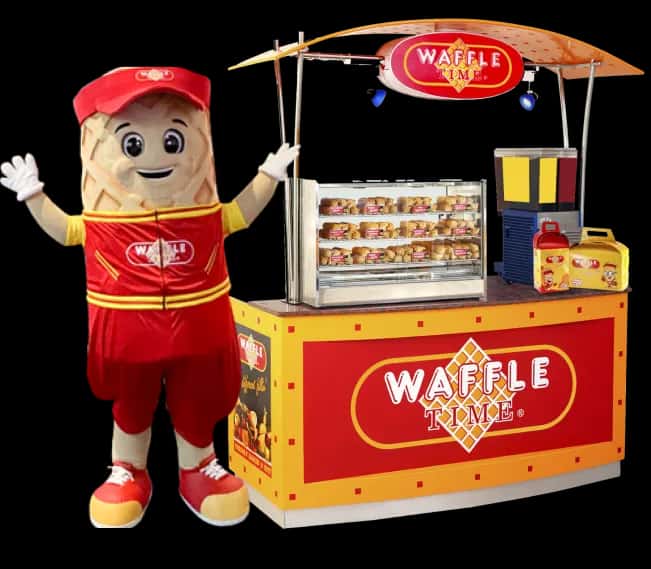
Waffle Shop
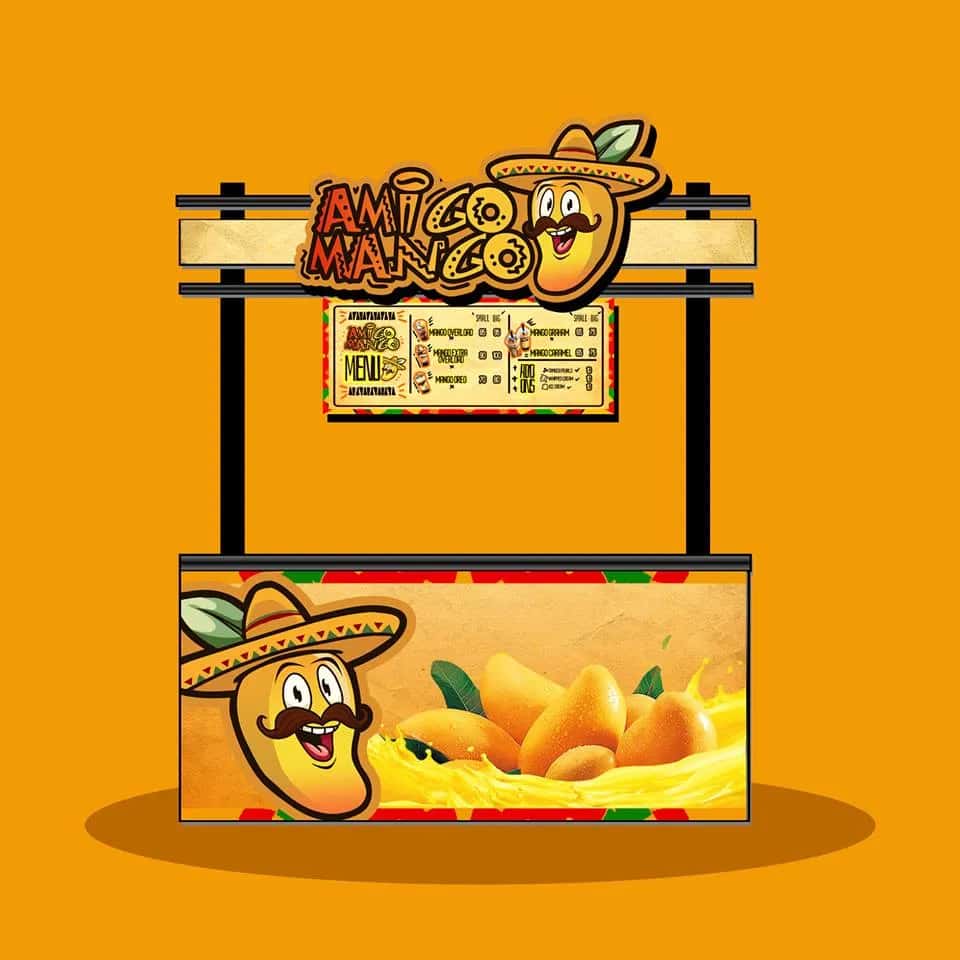
Juices & Shakes

Juices & Shakes

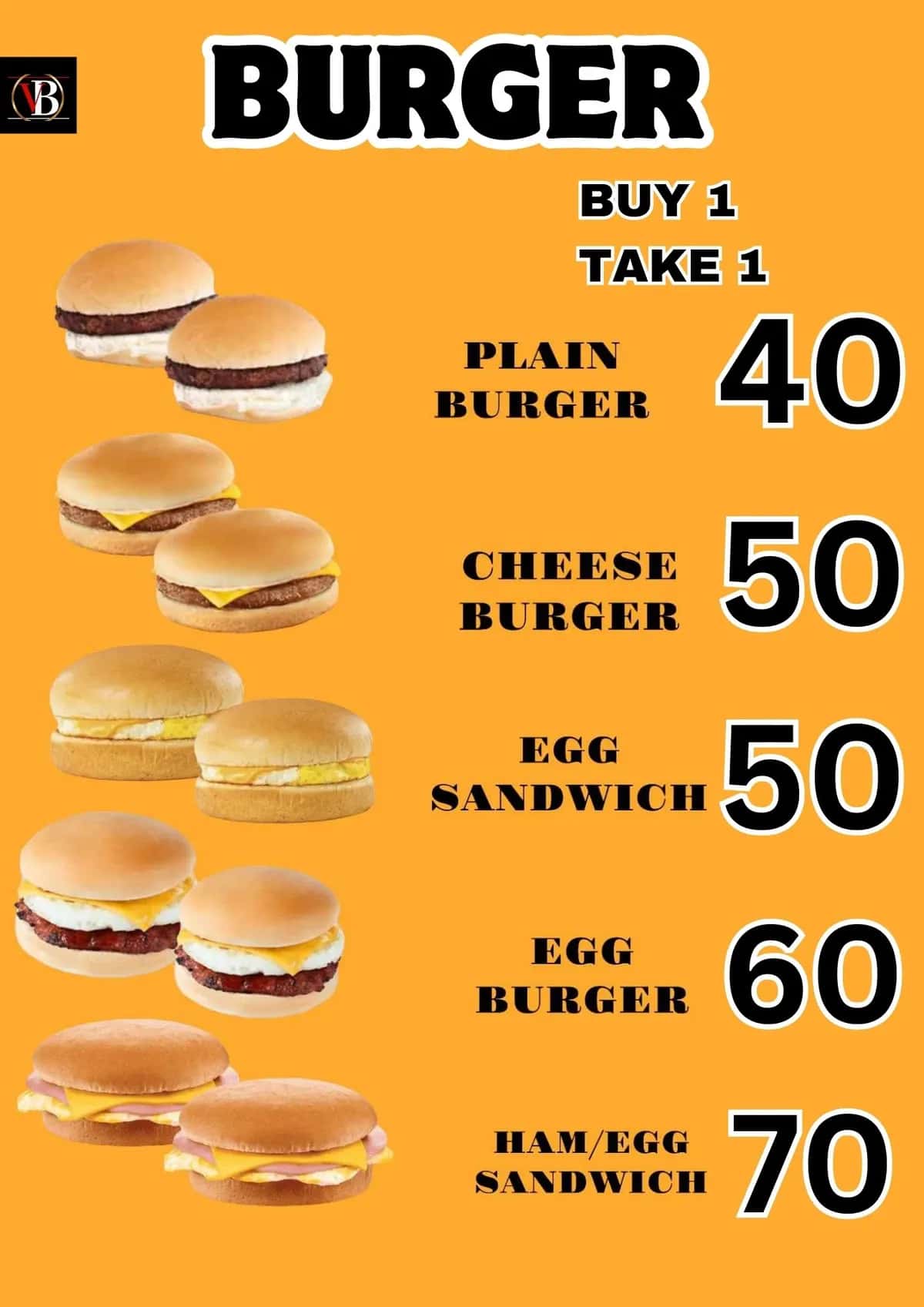
Burgers
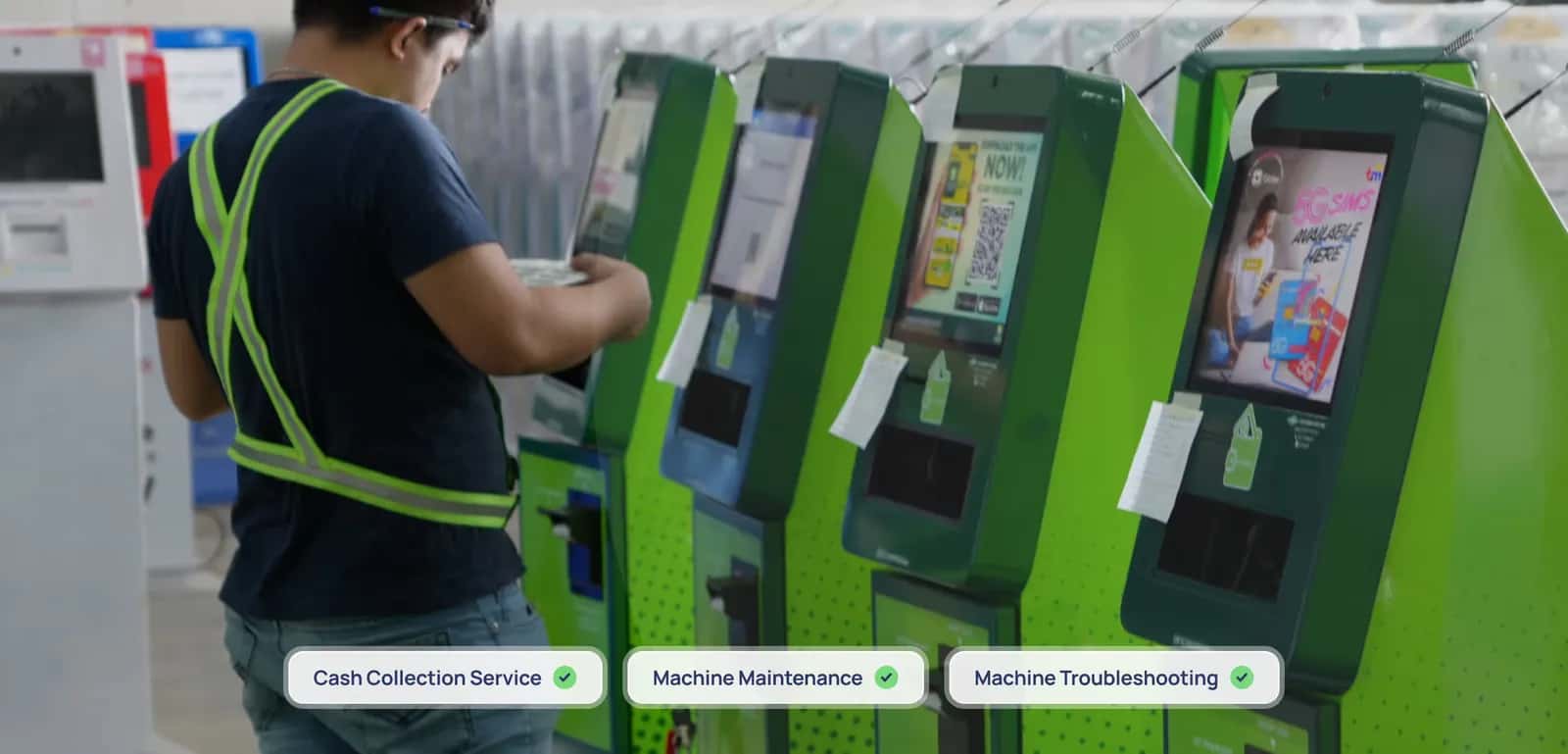
Payment & Remittance Center

Siomai & Dimsum
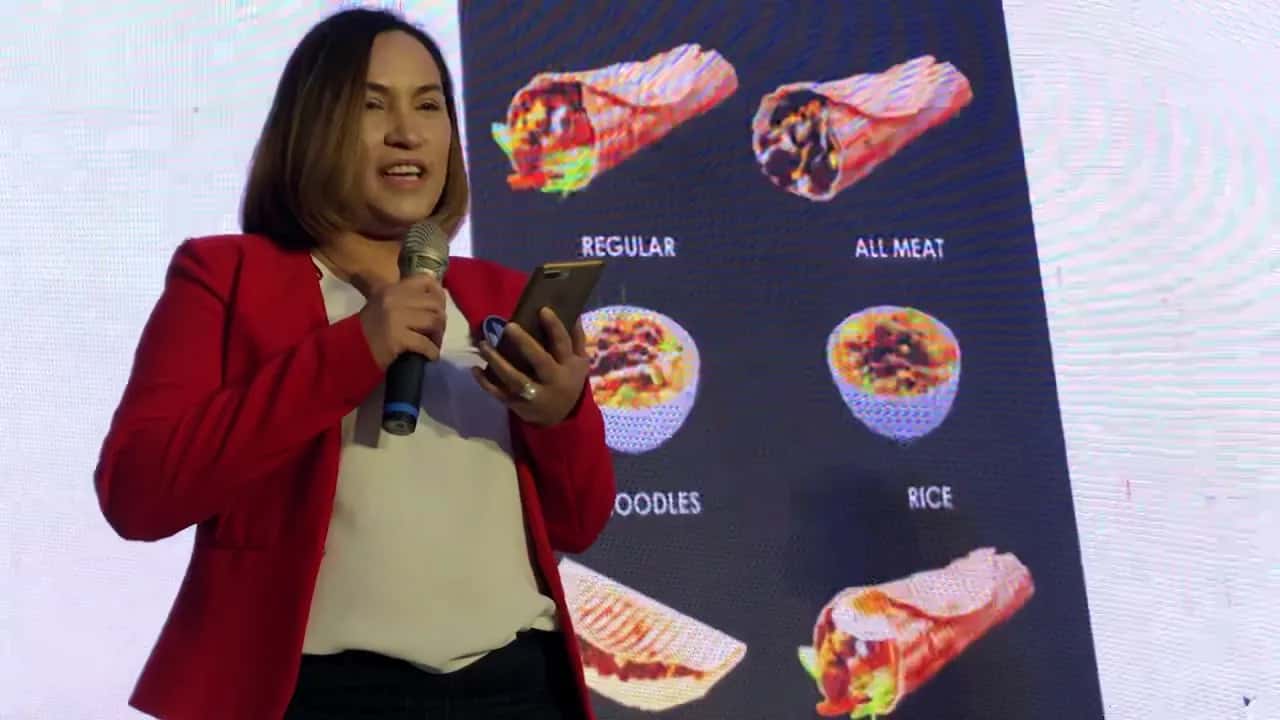
Shawarma
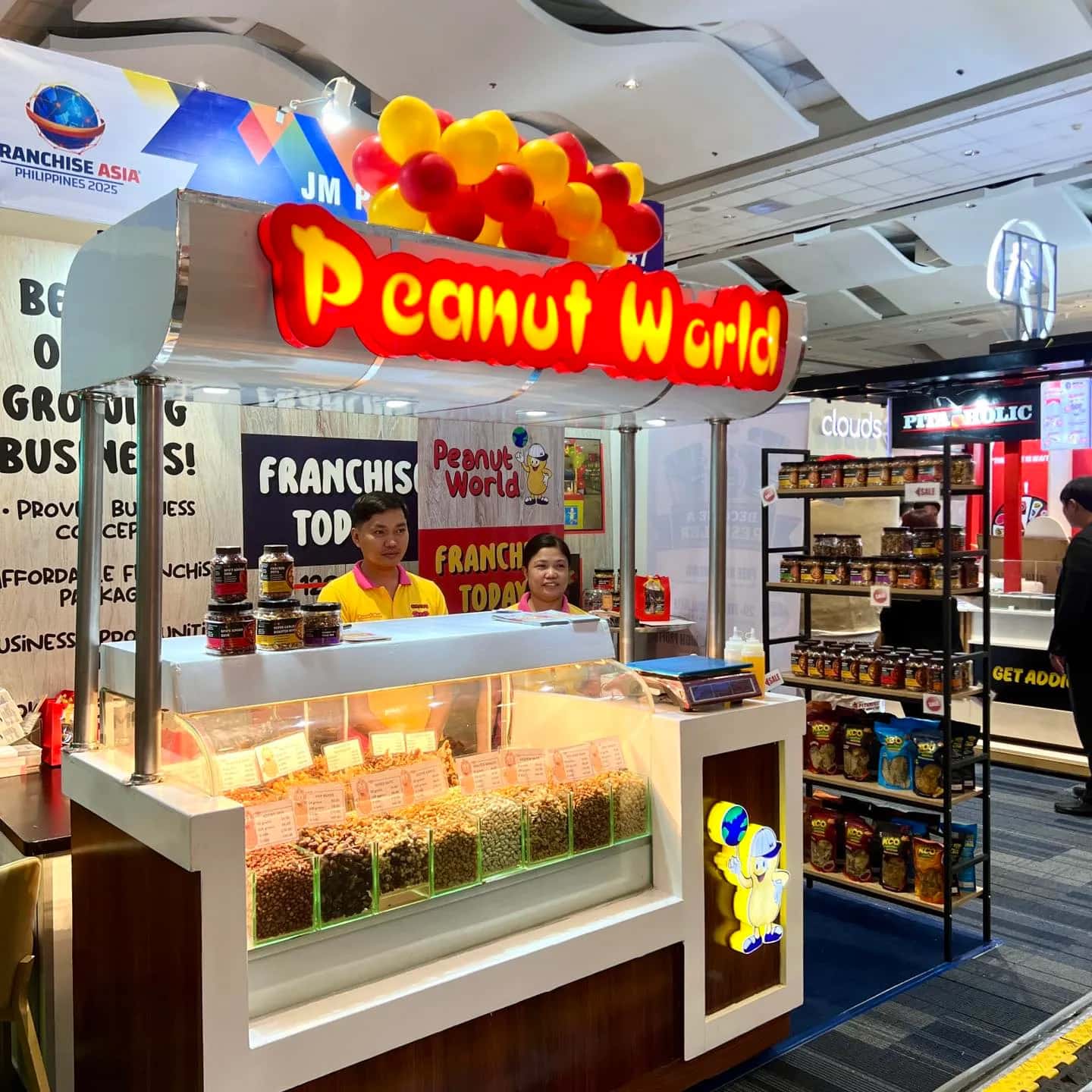
Packaged Snacks

Learn practical inventory control steps for your Philippine franchise to cut waste, prevent loss, and protect your capital.
Aug 14, 2026 6 min read
Learn how non-compete clauses work when exiting a franchise agreement in the Philippines, protecting your investment after closing.
Jul 20, 2026 5 min read

Learn how to secure financing for your Philippine franchise, from preparation to approval. A practical guide for new operators and OFWs.
Jul 20, 2026 5 min read