K-Croffles
Cakes & Pastries
- Franchise fee
- No franchise fee
- Total investment
- ₱17k–₱150k
🎁 Start Your 1 Month Free Trial of the Full Plan, Exclusively for Brands & Advisors.Get Started
Browse 19 franchises up to ₱200k in Tawi-Tawi, with investments from ₱149k to ₱200k, franchise fees mostly between ₱31k and ₱138k, and most paying back in 3 to 10 months.
Updated

Ice Cream & Desserts

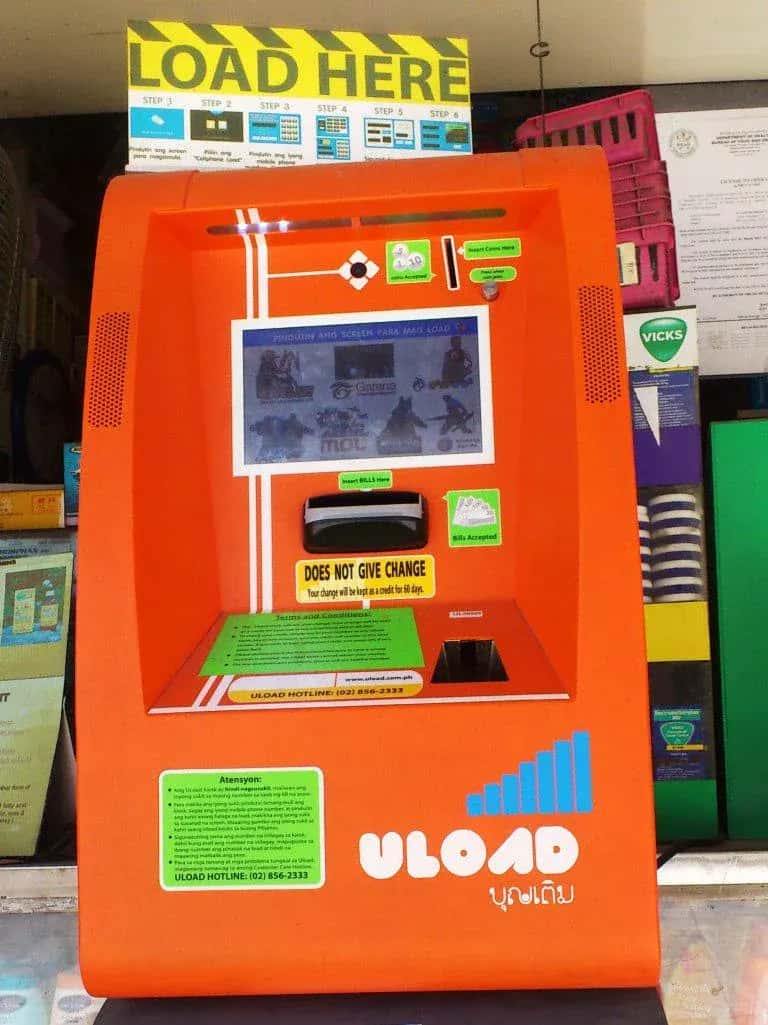
Payment & Remittance Center

Payment & Remittance Center
Tawi-Tawi has about 173 businesses on the map across its cities and towns, from food and drink to shops, services and clinics. Check what already operates near the spot you have in mind.
Population
440,2762020 census
Per 10,000 residents
4businesses we track
Business locations are based on Overture Maps open data (October 21, 2026 release) and do not represent a complete census of all businesses.
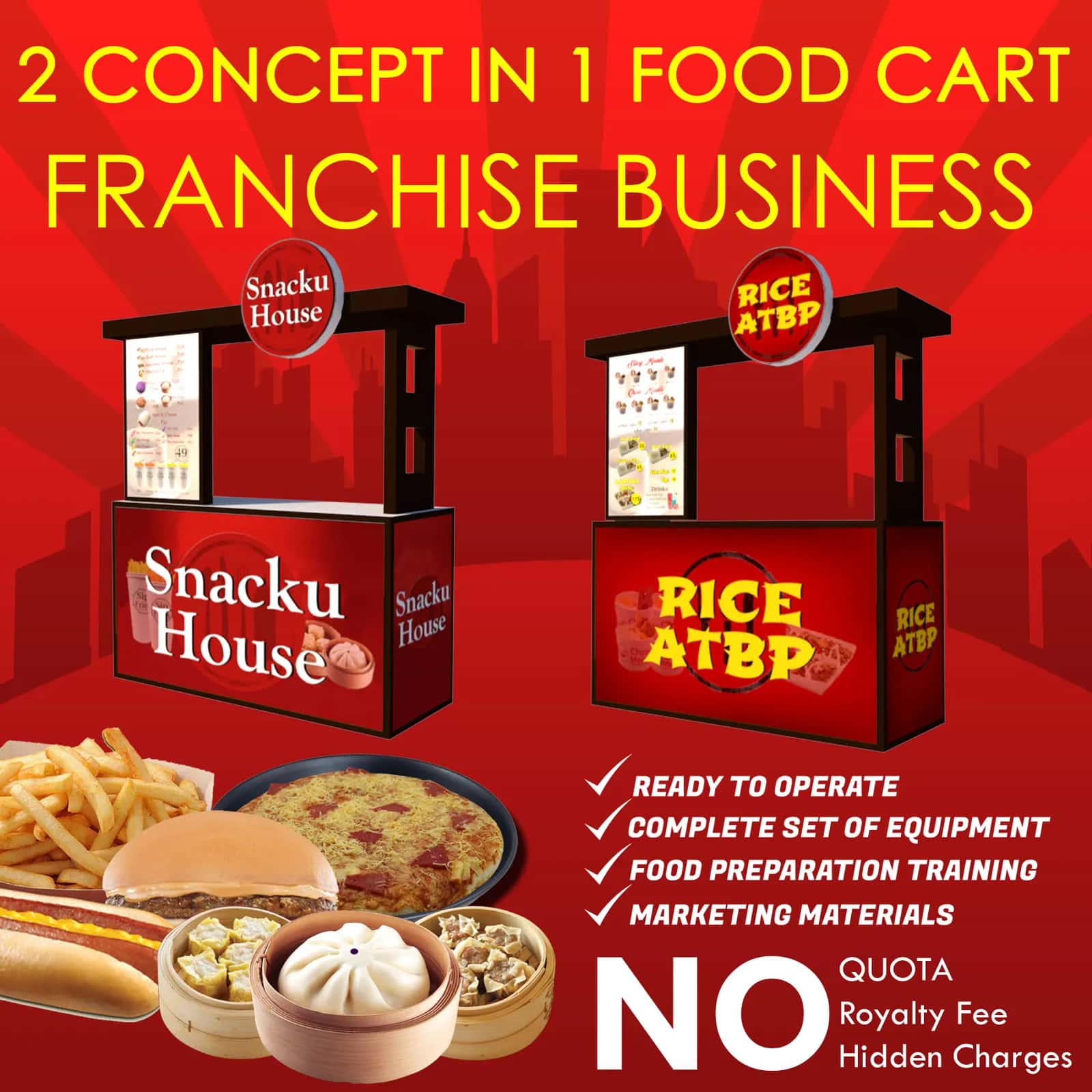
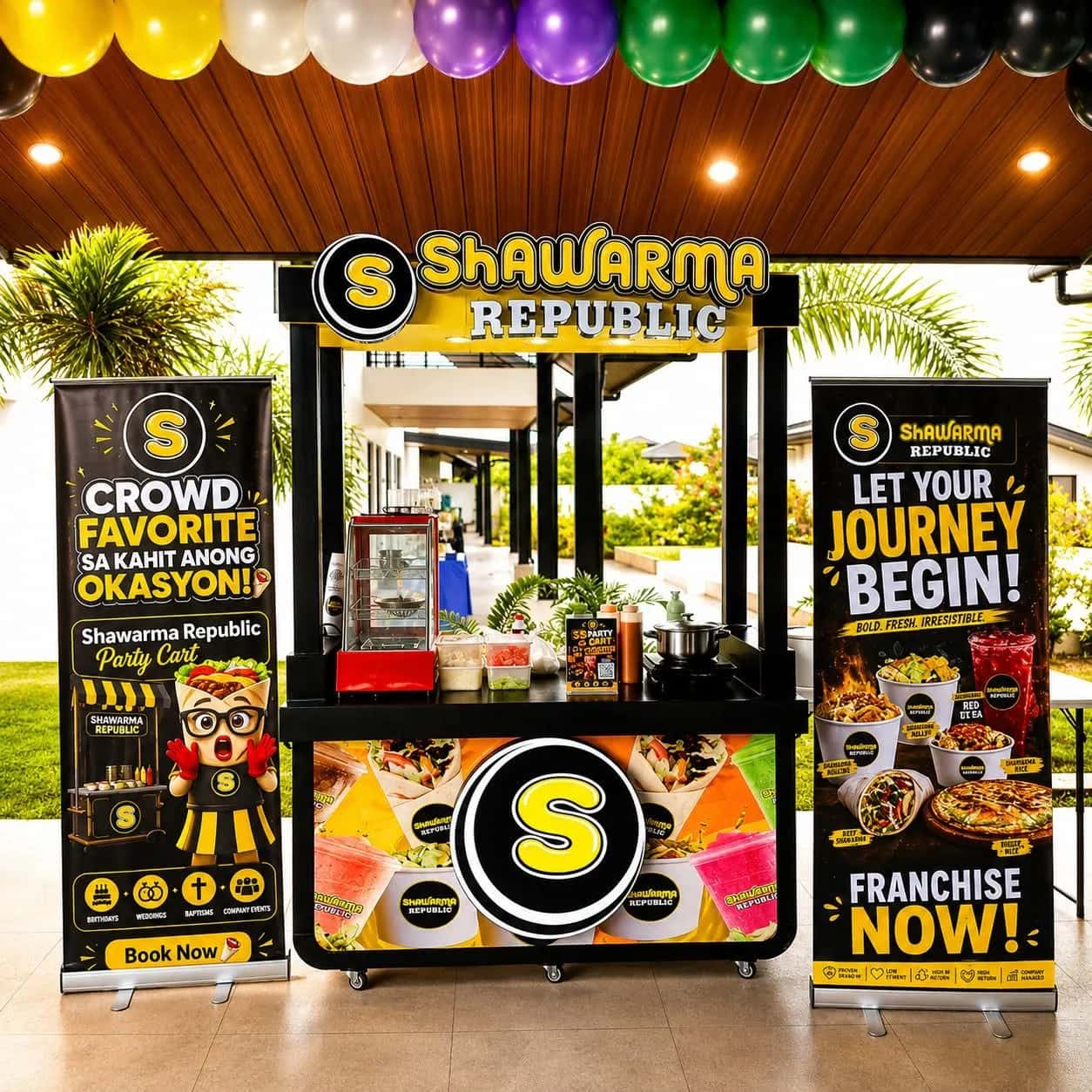
Payback of three months to a year is what brands quote for the cart and kiosk setups that can be opened on ₱200,000 in Tawi-Tawi, and the quickest figures belong to simple menus with cheap ingredients. Nothing at this budget names the province directly, so the choices come from brands that operate across the country and start from around ₱17,000. In an island province, getting stock to the stall matters as much as the price of the setup.
The range starts around ₱17,000 for a simple cart with basic equipment and rises toward the full ₱200,000 for a fitted kiosk with a proper counter and storage. Fees run from nothing to ₱149,000, and the higher ones usually bring longer training and closer support, which counts for more when the brand is far away. Because the owner cannot easily visit another outlet, it helps to ask for the menu, equipment list and costs in writing, and to ask how the brand has served owners in remote islands. Permits, a deposit on the space and the first stock come out of the same savings. So does the freight bill, which for an island province can be a real part of the cost of opening and should be quoted before any fee is paid. A brand that has already shipped to islands can usually give a realistic figure, while one that has not may only guess.
Life in Tawi-Tawi moves with boats, tides and weather. Fishing and seaweed farming are among the everyday trades of the islands, and the people who work in them buy food and drink early and cheaply. Town centres, the port area and the road beside the public market carry the steadiest crowds, and days when a boat arrives bring extra buyers and extra cash. Weather that keeps boats in harbour can quiet the stalls for a day or two, so a kiosk with a roof and a menu that uses long-lasting ingredients copes better than an open cart with fresh stock. Because deliveries follow boat schedules, an owner should order well ahead, keep a buffer of the main ingredients and pick a menu that does not fall apart when one item is missing for a week. The busiest days follow the boats, so opening hours built around arrivals earn more than a fixed schedule copied from a mainland stall.
Start with supply. Ask how equipment and ingredients will arrive, how often, and who pays for freight and for goods that spoil on the way. Then look at power. A stall that leans on refrigeration or a fryer needs a dependable source and a plan for outages. Visit the corner at the hours the stall would open and count how many people stop to buy, watching how the crowd changes between a weekday and a boat day. Confirm which permits the town government requires and how long they take. Finally, ask the brand what its payback figure assumes, keeping in mind that quotes range from three months to a year and that a stall far from suppliers may need longer to settle. Keep part of the ₱200,000 in reserve so that a delayed shipment does not stop the business. A short list of backup suppliers on the island, even for small items like packaging and gas, makes the first months far less stressful.
Whether to build a cart or a kiosk is a question about supply as much as about money. A cart needs little more than a table, a cooler and a burner, so almost everything it uses can be replaced from a local market if a shipment fails. A kiosk holds more stock and stays dry in sea wind and rain, but its fittings and larger equipment must come by boat. Those are the builds most often offered at this money. An inline shop, offered less often, brings a lease and wages that an island stall with uneven sales may find hard to carry. Selling from home or online is available from a few brands and costs the least, and it lets a first-time owner test a menu among neighbours while the supply line proves itself. Whichever build is chosen, leave part of the ₱200,000 free for extra stock, because ordering well ahead is how an island stall stays open.
Now that you've seen what's here, a real advisor can help you shortlist and weigh the options against your budget. Free, at your pace.

Financing Readiness · Site Selection

Low-Capital Startups

Low-Capital Startups · Site Selection

Franchise Agreements · Multi-Unit Expansion
Are you a franchise advisor?Get your own workspace here
Choose an industry to see its franchises in Tawi-Tawi, with their fees and investment ranges.
Get honest answers on what this budget really covers, fees and payback, free and with no pressure.
Launch spending is part of the answer, and ₱200k is enough for the 19 franchises in Tawi-Tawi with an investment between ₱100k and ₱200k. A soft opening for family and neighbors costs stock and time but tests the store before the official start. Budget for it and for early promotion, and confirm that ₱200k covers the package, the launch and a reserve. Spending on the launch is easy to forget, so give it its own line in your plan and keep it apart from the money held for rent and wages.
What customers can buy elsewhere also shapes the ₱200k industries in Tawi-Tawi, which tally food & beverage with 12 franchises, financial services with 3 and bakery & pastry with 2. If a product is available from many nearby sellers, a franchise needs a clear difference to win buyers. Look at what each field offers that nearby shops do not. Prefer fields where you can point to a real difference, such as a method, a recipe or a service, because a field without one competes only on convenience.
The listings for Tawi-Tawi at ₱200k show food carts with 15 franchises, kiosks with 15 and inline stores with 3. Rather than hunting for the single perfect name, think of the list as a map of what is possible. Mark the formats that suit your space, your crew and your hours, and cross out the rest. Then look at what is left in Tawi-Tawi and ask which of those remaining formats you would still want to run after the first excitement fades.
Hindsight from owners helps with the fee, and the franchise fee for ₱200k franchises in Tawi-Tawi usually runs ₱31k to ₱138k. Ask them whether they feel the amount was worth it today and what they would ask the franchisor differently if they could start over. Their honest answers help you decide which fee questions matter most before you pay anything.
Signage approvals can delay an opening, and every week of delay pushes back the 3 to 10 months payback that ₱200k franchisors in Tawi-Tawi usually quote. Malls, buildings and local offices may each have their own rules on sign size and placement. Ask the franchisor what signage its standard package includes, and check with the landlord which approvals are needed before ordering anything.
The usual lineup for a ₱200k franchise in Tawi-Tawi is DTI or SEC registration, barangay clearance, a mayor's permit and BIR registration, with fire safety and sanitary permits where they apply. Since some steps can be prepared while you wait on others, mapping them out saves time. Draw a simple timeline from franchise signing to opening day, and place each permit on it along with the office that issues it and the papers it needs.
You will see both answers in Tawi-Tawi, since some ₱200k franchises charge royalties and others do not. If several options look similar, the one with a royalty is not automatically worse. Look at what each offers in training, supplier access, marketing and troubleshooting, then decide which gives you more for your total spend. A careful comparison often shows that the cheaper looking option costs more over time.
Downtime after opening shapes what a franchise priced between ₱100k and ₱200k in Tawi-Tawi earns, since every lost selling day comes straight out of income. Quick repairs and steady supply protect your sales. Ask current franchisees how fast problems were fixed and how many selling days they lost, then reduce your expected monthly sales to allow for that downtime, and ask the franchisor what response times it commits to in writing.
Review the term of a ₱200k franchise in Tawi-Tawi with someone who has run a business before. A person with experience can tell you whether the stated length looks ordinary for franchise deals they have seen and whether it suits a first-time owner. Bring the agreement and a list of your own questions, and listen for concerns about the length that you may not have noticed on your own.
Compare how many franchises start at each budget level in Tawi-Tawi, from the smallest packages up.
Franchises at the next budget level, ₱300k, worth a look if you can stretch your savings a little.
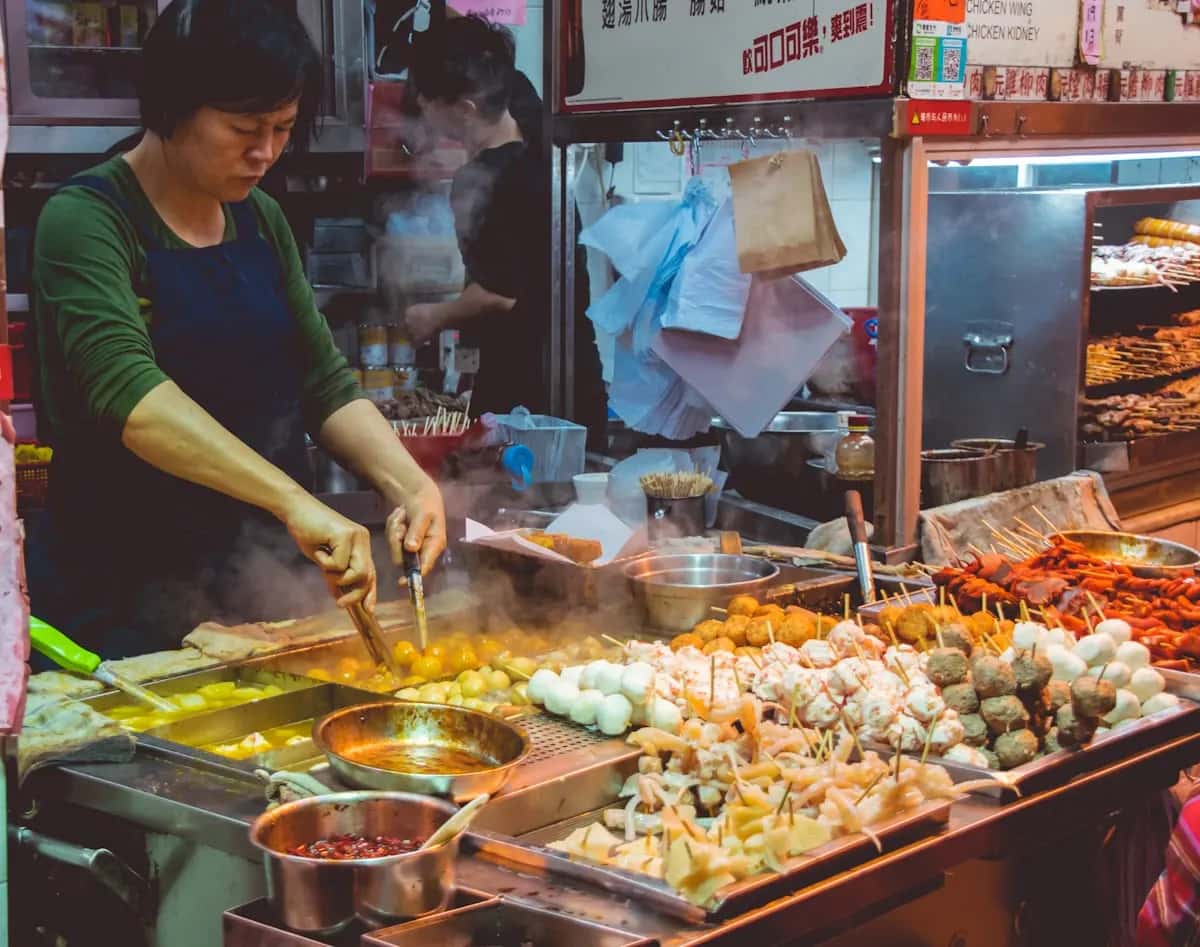
Street Food & Snacks

Street Food & Snacks
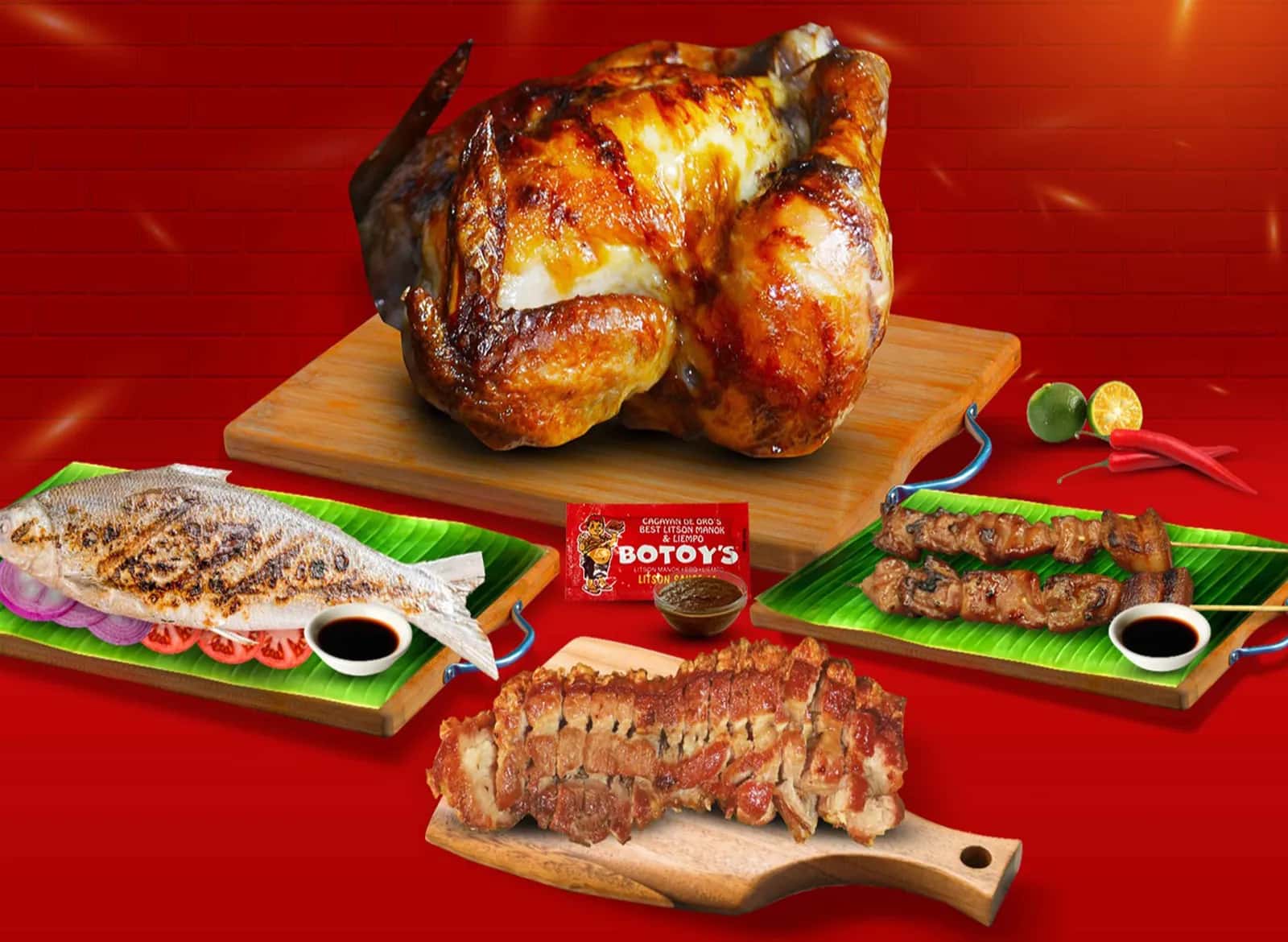
Chicken & BBQ

Filipino Restaurant

Travel & Tours

Street Food & Snacks

Fries & Potato Snacks
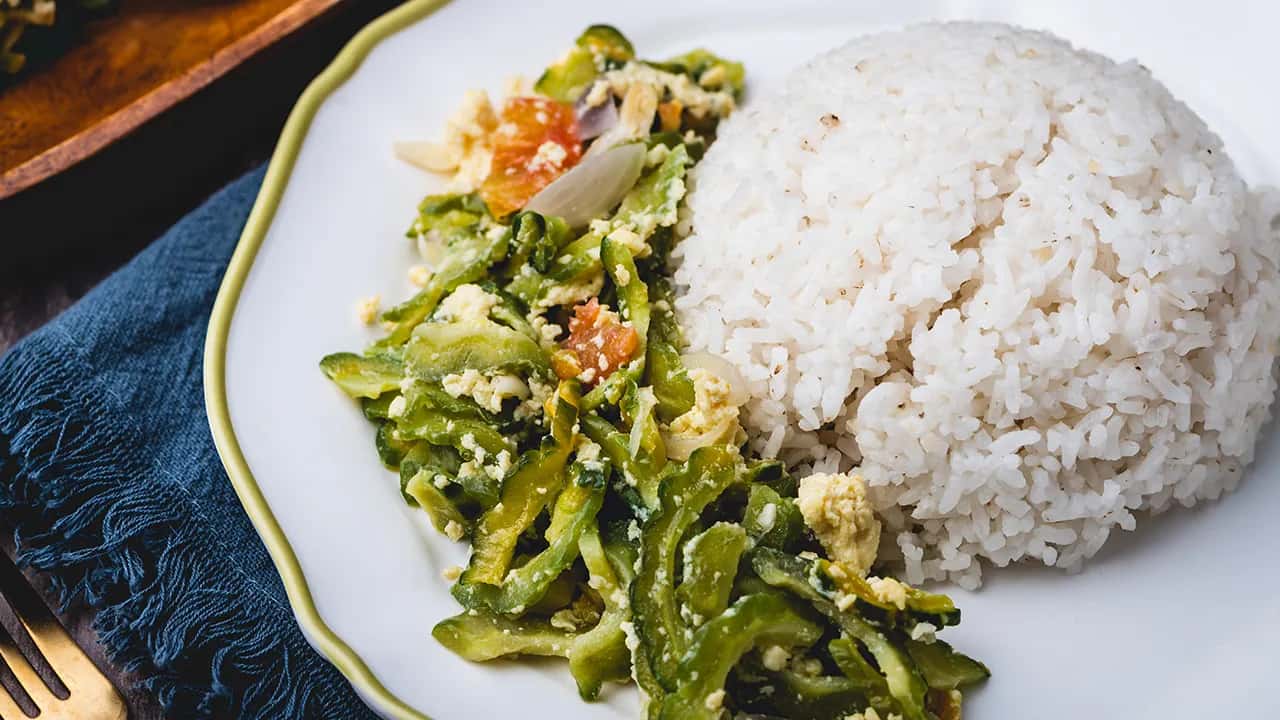
Filipino Restaurant

Learn practical inventory control steps for your Philippine franchise to cut waste, prevent loss, and protect your capital.
Aug 14, 2026 6 min read
Learn how non-compete clauses work when exiting a franchise agreement in the Philippines, protecting your investment after closing.
Jul 20, 2026 5 min read

Learn how to secure financing for your Philippine franchise, from preparation to approval. A practical guide for new operators and OFWs.
Jul 20, 2026 5 min read