Aquahealth
Water Refilling
- Franchise fee
- ₱250k
- Total investment
- ₱600k–₱900k
🎁 Start Your 1 Month Free Trial of the Full Plan, Exclusively for Brands & Advisors.Get Started
Browse 9 water refilling franchises in Sarangani, including 8 medium-investment franchise brands between ₱100k and ₱1M that pay back in 10 to 24 months and a premium franchise brand above ₱1M that pays back in about 18 months.
Updated
Water Refilling
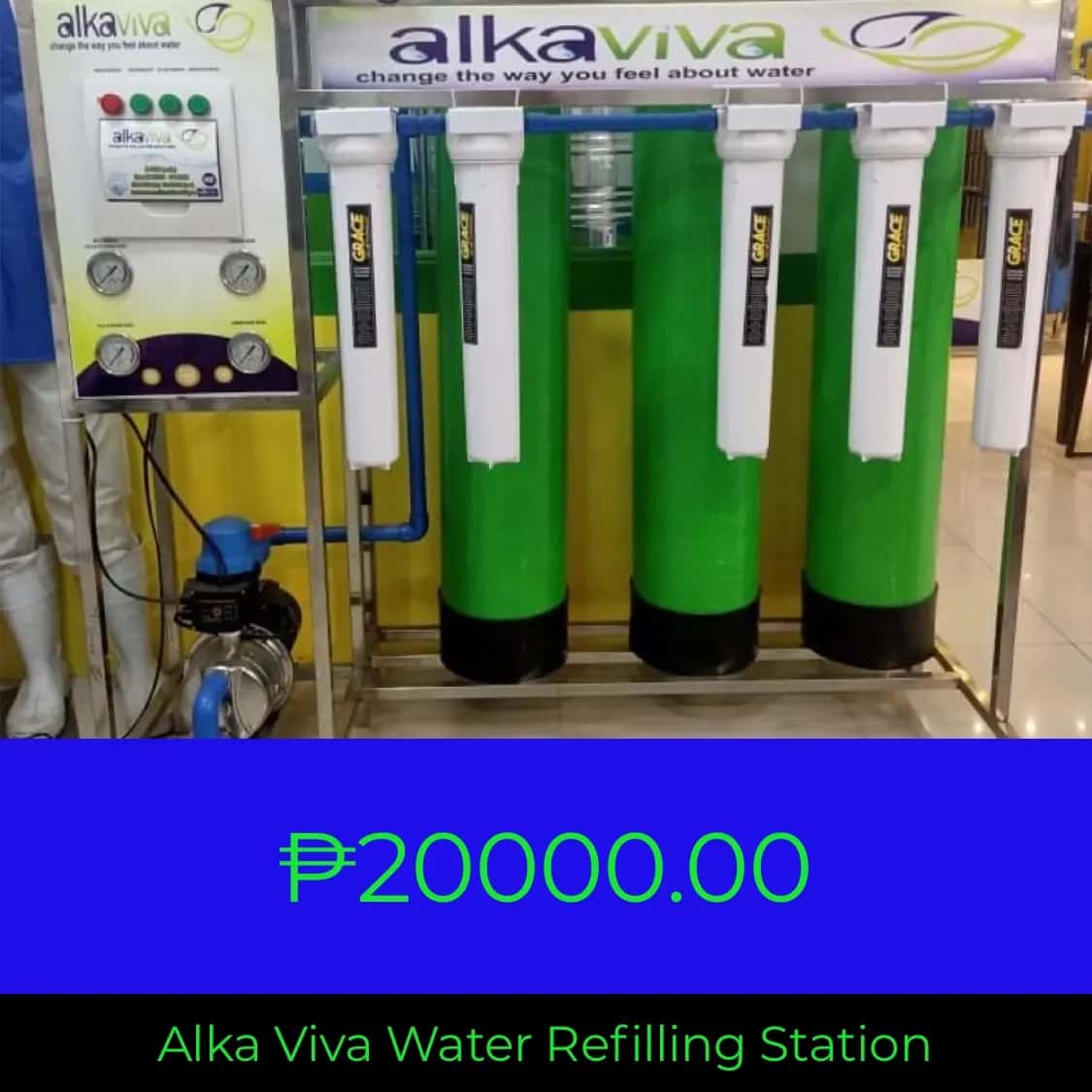
A water refilling station is quoted to pay itself back within six months to two years, depending on how compact the build is and how quickly the neighbourhood adopts it. No brand names Sarangani directly yet, so anyone planning a station here works from the nationwide range, which starts near ₱100,000 and reaches ₱1.5M. Fishing towns, farm barangays and a coastline with hot weather all keep people buying drinking water every day, and that steady habit is what the payback depends on.
A compact station can start near ₱100,000, while a larger build with more equipment and space reaches ₱1.5M. Fees start at nothing for some brands and stretch to ₱500,000 for others, so two stations with similar build costs can ask different amounts up front. Sarangani spreads its people across fishing communities, corn and banana farms and a handful of growing town centres, which means the customer base is scattered rather than packed into one downtown. That favours a station placed inside a barangay or beside a market, where households can walk over with their own containers, over one set up on a quiet highway stretch. Working days here start early and heat builds by late morning, so refills sell hardest before noon and again in the late afternoon. Rent, permits and the first stock of gallons come out of the same savings, and a few months of wages should be set aside before the first sale. An owner who starts modestly and adds a delivery bike once orders build up keeps the early risk small.
Because every brand serving Sarangani operates nationwide, their terms are the terms a local buyer gets. Payback quotes run from six to twenty-four months across the range, and a buyer can ask each brand which builds produced the quicker returns and in what kind of town. Inline stores are the everyday choice, and they suit a shop row near a public market. A brand that supports a province far from its main office should be able to explain, in plain terms, who installs the equipment, who services the filters and how long a repair takes. Those answers matter more than the headline price, because a station that sits idle for a week loses regular customers who go back to buying bottled water. A written service promise, kept with the contract, turns a friendly assurance into something the owner can point to when a filter fails on a Saturday.
The inline store is offered by every nationwide brand, so a shop unit in a poblacion or beside a market is always available. Standalone stations are offered by a little over half of them and suit an owner with a corner lot, room for a delivery tricycle and space to stack gallons. A kiosk is offered by very few, so a tiny counter is the harder route to find. Choosing among these is mostly about land and foot traffic: an inline unit costs rent every month but sits where people walk, while a standalone build costs more at the start and then depends on the owner promoting delivery. Someone who already owns a lot should ask which format uses it best. Whichever the owner picks, the brand should say whether extra dispensers or a delivery add-on can come later without a second fee. Demand tends to grow slowly and then all at once when a neighbourhood adopts the habit.
Start with the water itself. Ask where the supply comes from, how it is tested, and how often the filters are changed, since customers taste the difference within days. Check the power supply, because brownouts stop pumps and purifiers, and a small generator or a plan for refilling stored water can save a busy morning. Look at roads and distance, since delivery to farther barangays is where a station earns extra but also spends on fuel. Confirm the permits and inspections a local government expects for a drinking water business. Then walk the site at different hours and count the households within a short walk before signing the lease. It also helps to speak with a station owner in a nearby town about how customers behave in the rainy months, when roads worsen and more households choose to order delivery instead of walking over.
Now that you've seen what's here, a real advisor can help you shortlist and weigh the options against your budget. Free, at your pace.

Financing Readiness · Site Selection

Low-Capital Startups

Franchise Agreements · Multi-Unit Expansion

Low-Capital Startups · Site Selection
Are you a franchise advisor?Get your own workspace here
Get honest answers on fees, payback and the best setups for your area, free and with no pressure.
Right now, nine water refilling franchises are accepting new franchisees in Sarangani. All of them are open nationwide rather than focused on Sarangani. Before signing with a nationwide franchisor, ask whether it already has branches near Sarangani and how it handles deliveries there. Most options fall in the medium-investment range, out of eight medium-investment and one premium franchises in total. There is no affordable option under ₱100k here yet. A good next step is to filter by budget and franchise format, then contact two or three franchisors.
Payroll costs are outside the quote, even for the cheapest water refilling franchise in Sarangani, which starts at ₱100k while most owners start within ₱145k to ₱800k. Wages and mandatory contributions for your crew arrive from the first month. Ask an accountant what applies and add it to your monthly budget. This working capital sits beside the package price and belongs in your total.
For a water refilling franchise in Sarangani, plan for a franchise fee between ₱100k and ₱375k. Ask whether starter stock and basic equipment come with that fee or are billed separately, because the answer shifts your total cost. Find out what support the fee entitles you to after opening, such as a field visit or a help line, and get those promises written into the agreement before you pay. Of these, three charge no franchise fee at all, which lowers your upfront cost.
Reading a floor plan before a price list saves money, since water refilling franchises in Sarangani are offered as inline stores with 9 franchises, standalone stores with 5 and kiosks with 1. Ask for the standard layout of every format and lay it over the measured plan of your unit at the same scale. Notice where doors, columns and windows fall, because those fixed points often block a counter or work area. The setup whose layout slides in without moving walls is the one your space can truly hold.
Reliable stock is one thing a bigger package can buy, and the top water refilling franchise in Sarangani at around ₱1M often comes with it. Larger systems tend to run central kitchens or warehouses that keep quality steady across outlets. That suits owners who value consistency and have little time to source supplies. Judge the premium by asking whether steady product and supply would really lift your sales, or whether a cheaper local setup could do the job.
Tracking attendance accurately is a daily task at a water refilling franchise in Sarangani, whether through a logbook, a biometric device or an app. Those records decide how much each staff member is paid and protect you in any later dispute. Late arrivals and early departures also affect how the day runs for everyone else. Ask the franchisor which timekeeping method current outlets use, and choose one before your first staff member clocks in.
Square footage plays a part in how many people a water refilling franchise in Sarangani needs, together with your format, hours and customer flow. A larger space means more floor to clean, more shelves to stock and more ground for crew to cover. Compare the size of your intended site with the franchisor's typical outlet, and ask how they adjust staffing when a location is notably bigger or smaller than usual.
Many first-time franchisees in Sarangani lose time during the lease negotiation. Landlords may need time to approve tenants, request documents or adjust terms, and back and forth over rent or lease length can drag. Decide your limits on rent, deposits and contract length before you start talking to landlords, so you can respond quickly and close the deal without endless rounds of revisions.
Should the franchisor change its products, pricing or rules midway, your outlet in Sarangani has to follow, and that is a risk outside your control. Any water refilling system that updates often may require new equipment, signage or training at your expense, and while some changes help, others raise costs without lifting sales. Ask how often the franchisor has required upgrades in the past and who paid for them, so you know what kind of future spending to expect.
Remember that rain, heat and traffic affect how willing people are to travel to a water refilling franchise. A promo that rewards customers who make the effort, or a delivery option that saves them the trip, can help during harsh weather in Sarangani. Plan around the rainy months before they arrive. Prepare a simple rainy day offer in advance and confirm with the franchisor that it fits their pricing guidelines.
Compare how many water refilling brands take franchisees in the cities nearest Sarangani.
Every industry in Sarangani, by how much it takes to start and by the kind of space it runs from.
By budget
Franchises from other industries that also take franchisees in Sarangani and cost about the same to start.

Pizza & Pasta
Filipino Restaurant

Burgers

Cleaning & Pest Control
Shawarma

Siomai & Dimsum

Milk Tea & Boba
Donut Shop
Compare water refilling franchises in Sarangani with other industries there, each with its own brands, fees and investment ranges.

Carts, kiosks, and full restaurants.
235 brandsFrom ₱3k
Kwatogs, Konam, Minute Burger +232 more
See brands
Coffee, milk tea, and cold drink shops.
53 brandsFrom ₱17k
Zagu, Macao Imperial Tea, Barista Choi +50 more
See brands
Mini marts and convenience stores.
48 brandsFrom ₱500
Folded & Hung, Halo Mobile Clothing, Monterey Meatshop +45 more
See brands
Bread, cakes, and pastry shops.
32 brandsFrom ₱17k
Waffle Time, Mister Donut, Goldilocks +29 more
See brands
Salons, barbershops, and spa services.
31 brandsFrom ₱200k
Big Apple Express Spa, Bruno's Barbers, Body and Sole Spa +28 more
See brands
Drugstores and health supplement outlets.
16 brandsFrom ₱300k
Farmacia ni Dok, Gamot Publiko, Generika Drugstore +13 more
See brands
14 brandsFrom ₱250k
ALOHA (Abacus Learning of Higher Arithmetic), Kumon, STI +11 more
See brands
14 brandsFrom ₱20k
eTap Self-Service Payment Machine, M Lhuillier (ML Express), Palawan Express Pera Padala +11 more
See brands
Gyms, studios, and sports facilities.
9 brandsFrom ₱1.6M
GoFit Gym, Snap Fitness 24/7, Gold's Gym Philippines +6 more
See brands
Self-service and full-service laundry shops.
7 brandsFrom ₱400k
CS Laundry, Tipidsulit Laundromat, Quicklean One Hour Laundry +4 more
See brands
Padala, parcel, and delivery outlets.
7 brandsFrom ₱10k
Alin Cargo Express, Ninja Van, J&T Express +4 more
See brands
6 brandsFrom ₱25k
SMB Travel & Tours, South Shore Travel Biz, RedDoorz +3 more
See brandsCompare industries by budget, daily work and payback before you choose one, free and with no pressure.
Learn how security deposits, performance bonds, and refundable fees work in Philippine franchising to protect your investment.
Jul 20, 2026 5 min read

Learn how to pay yourself early as a new franchise operator in the Philippines. This guide covers cash flow management, ROI, and setting a salary.
Jul 20, 2026 6 min read
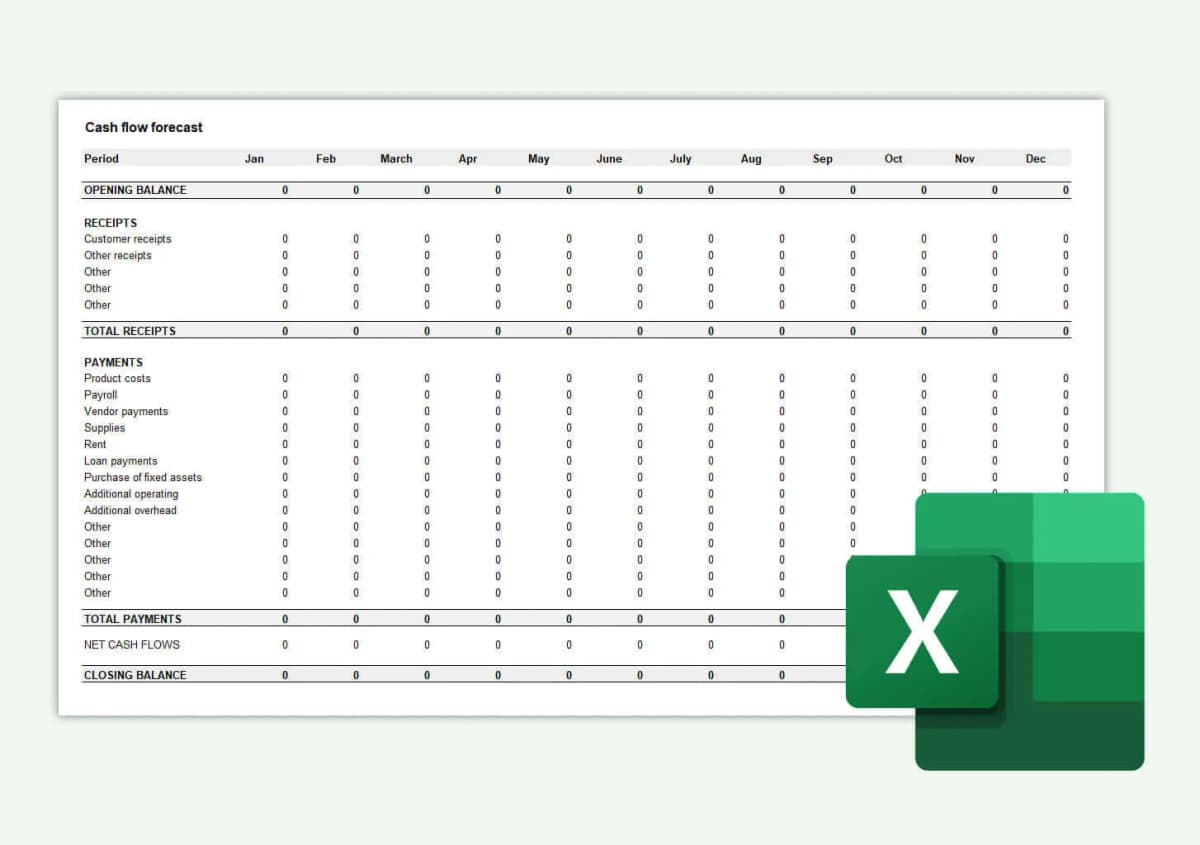
A practical guide for Filipino investors on forecasting franchise cash flow, covering expenses and revenue tracking for a stable business.
Jul 20, 2026 6 min read