J&T Express
Logistics & Courier
- Franchise fee
- ₱10k
- Total investment
- ₱10k–₱50k
🎁 Start Your 1 Month Free Trial of the Full Plan, Exclusively for Brands & Advisors.Get Started
Browse 20 franchises up to ₱50k in Sarangani, with investments from ₱17k to ₱50k, franchise fees mostly between ₱15k and ₱19k, and most paying back in 2 to 6 months.
Updated

Retail & Convenience
Sarangani has about 1,042 businesses on the map across its cities and towns, from food and drink to shops, services and clinics. Check what already operates near the spot you have in mind.
Population
558,9462020 census
Per 10,000 residents
19businesses we track
Business locations are based on Overture Maps open data (October 21, 2026 release) and do not represent a complete census of all businesses.
Sarangani's market is a coastal one, shaped by tuna fishing, banana and corn farms and the busy fish ports of its towns. No local setup is priced for the province at this budget, so a buyer draws on brands that operate nationwide, with entry from ₱500 to ₱50,000. That range covers everything from a home kitchen to a small kiosk, and it suits a province where people buy food in small amounts through the day.
Sarangani sits on the southern coast of Mindanao, with fishing boats landing early at its ports and banana and corn farms filling the land behind. Dock workers, fishing crews and farm labourers begin work before dawn and want a filling meal at a low price, and the same streets fill again in the late afternoon when they finish. Market towns such as the provincial capital of Alabel gather families on weekends, and the roads to the neighbouring city of General Santos carry a steady flow of traders and commuters. Beaches along the coast draw weekend visitors who buy cold drinks and grilled snacks. These overlapping crowds keep small food units busy at several hours of the day, not only at one peak. A seller who learns which crowd arrives when can set the menu and the stock to match, and waste far less at the end of the day.
In Sarangani the true price of a format lies in what it demands after opening, from rent and helpers to shelter from the sun. A home-based setup costs least, since it needs no rent and only a few supplies, and it suits an owner who can cook at home and take orders by message. A cart costs a little more and can follow the crowd, but it is exposed to sun and rain. A kiosk costs more again and gives shelter and a fixed address, and an inline store adds rent and staff, so few brands offer one at this budget. National fees run from nothing at all to ₱30,000, which is why it pays to ask what each includes. Payback is quoted at up to six months, and the cushion for permits and first stock should be planned beside it. With so little money at stake, a buyer can begin with the lightest format and move to a sturdier one when sales prove the spot, which keeps the risk modest and the learning practical.
Time spent standing at the intended spot pays for itself. Go at first light, again at noon and once more when the boats and farm trucks come in, and note who buys and who walks on. Ask the municipal office about permits and stall fees, and whether a cart may stand near a port, a market entrance or a national highway. Ask whether power, clean water and storage are near enough to use daily. Ask the brand how ingredients reach Sarangani, how long deliveries take in the rainy season, and what training and support come with the fee. Ask what happens to the fee if the location proves poor. Owners of similar units in nearby towns can describe how sales moved through the year, and their answers make any brochure easier to read. Setting aside a full afternoon for this fieldwork before paying a fee is the most useful preparation a first-time buyer can do.
The day starts early, with buying at the market or the port and preparation before the first workers arrive. Breakfast and coffee sell fastest between dawn and mid-morning, snacks and drinks carry the afternoon, and a second rush returns at dusk as crews and farm workers head home. Heat is part of the routine, so cold drinks, ice and covered food need a plan. Rain and rough seas sometimes interrupt trade for a day, and a canopy and a dry storage box protect stock. An owner who keeps daily records of takings and costs for the first two months learns which hours pay and which do not, and can adjust the menu and the opening time to suit. After a few weeks, most owners settle into a rhythm of early buying, a long midday break for cleaning and a late shift, and that steady routine is what turns a small unit into a dependable income.
Now that you've seen what's here, a real advisor can help you shortlist and weigh the options against your budget. Free, at your pace.

Financing Readiness · Site Selection

Franchise Agreements · Multi-Unit Expansion

Low-Capital Startups

Low-Capital Startups · Site Selection
Are you a franchise advisor?Get your own workspace here
Choose an industry to see its franchises in Sarangani, with their fees and investment ranges.
Get honest answers on what this budget really covers, fees and payback, free and with no pressure.
Power and water reliability deserve a look, because ₱50k meets the 20 franchises in Sarangani with an investment up to ₱50k, but a store that loses electricity loses sales and sometimes stock. Ask the franchisor whether a backup power source is required or recommended for their equipment. Then check with nearby shop owners how often outages happen on that street, and add backup equipment to your setup budget if the answer worries you.
Cash cycles are tied to format, and ₱50k in Sarangani offers kiosks with 13 franchises, home-based or online setups with 11 and food carts with 10. Formats that sell daily items bring cash in every day, while those that sell larger items bring it in less often but in bigger amounts. Think about which pattern you prefer. Daily income feels steadier, while larger sales can feel uneven. Match the format to the way you like money to arrive.
Reading a profit and loss statement is a skill worth learning before you rely on the 2 to 6 months payback that ₱50k franchisors in Sarangani quote. The statement shows where money goes each month and makes it obvious when a cost is creeping up. Ask whether the franchisor's training covers basic financial reports, and if it does not, take a short course or ask a bookkeeper to walk you through one.
Closed shops linger in data, so the 1,042 businesses mapped in Sarangani, led by places to stay with 277, food and drink with 168 and services with 162, may include some that no longer trade, while open data still misses many that do. Look at shutters and for lease signs near your spot and cross off any pins that are dead. A cleaned list gives a truer view of how many businesses are operating there today.
Treating your relative as a partner rather than an employee often changes how they care for the store, and it makes ownership from abroad smoother. Involve them in choosing the ₱50k franchise in Sarangani, from comparing options to meeting the franchisor. When they help pick the business, they are more likely to feel ownership and stay committed through hard stretches. Shared choices also mean shared responsibility, which eases the pressure on you as the investor.
A full permit set for a ₱50k franchise in Sarangani covers DTI or SEC registration, barangay clearance, a mayor's permit and BIR registration, with fire safety and sanitary permits as needed. Offices usually give a claim stub or reference number when you file. Keep these safe and ask when to follow up, so you can check the status of each application without starting over if something gets misplaced.
Hiring relatives can feel safer but brings its own risks for a small franchise. Family members working at a ₱50k outlet in Sarangani may be harder to correct, discipline or let go, and blurred lines can lead to unpaid work or missing cash. If you do hire family, give them the same written duties, pay and rules as any other crew member, and keep business and household money strictly apart.
The short answer is maybe, because ₱50k franchises in Sarangani differ by franchisor. What you really want to know is how much of each peso you earn will stay with you after fees. Ask the franchisor to show how a typical sale is split between costs, royalties and the owner's share. That breakdown makes it far easier to see whether the business can pay you a fair return for your money and effort.
Compare how many franchises start at each budget level in Sarangani, from the smallest packages up.
Franchises at the next budget level, ₱100k, worth a look if you can stretch your savings a little.
Siomai & Dimsum

Payment & Remittance Center

Payment & Remittance Center
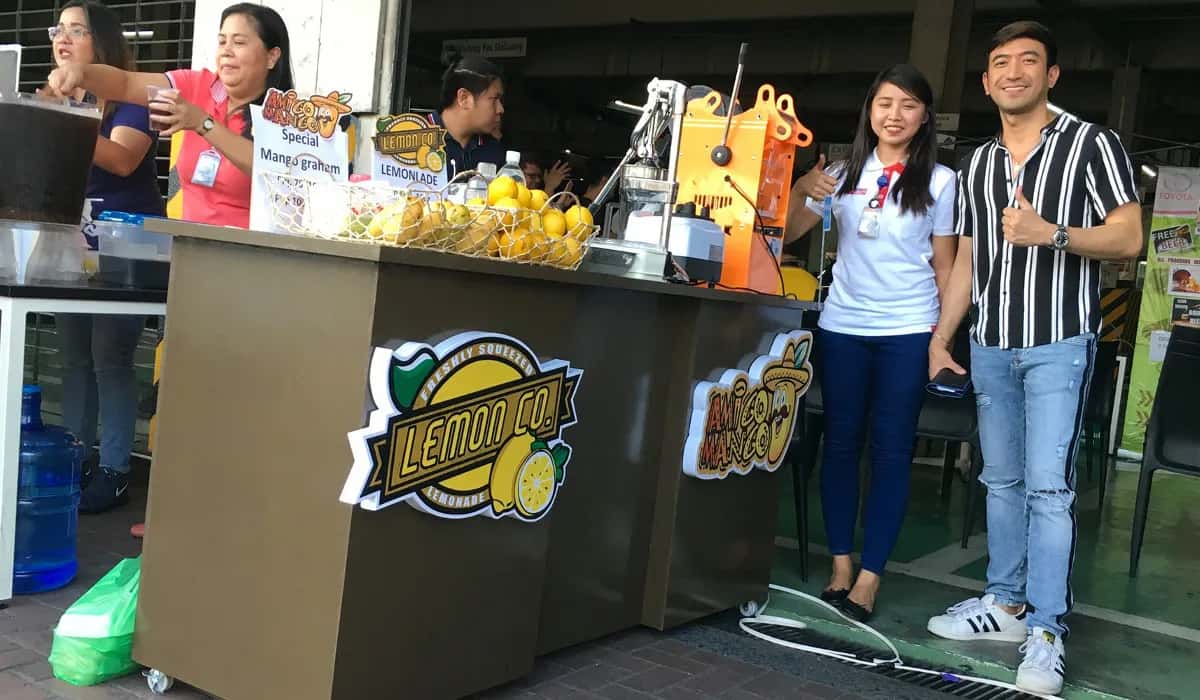
Waffle Shop

Fries & Potato Snacks

Street Food & Snacks
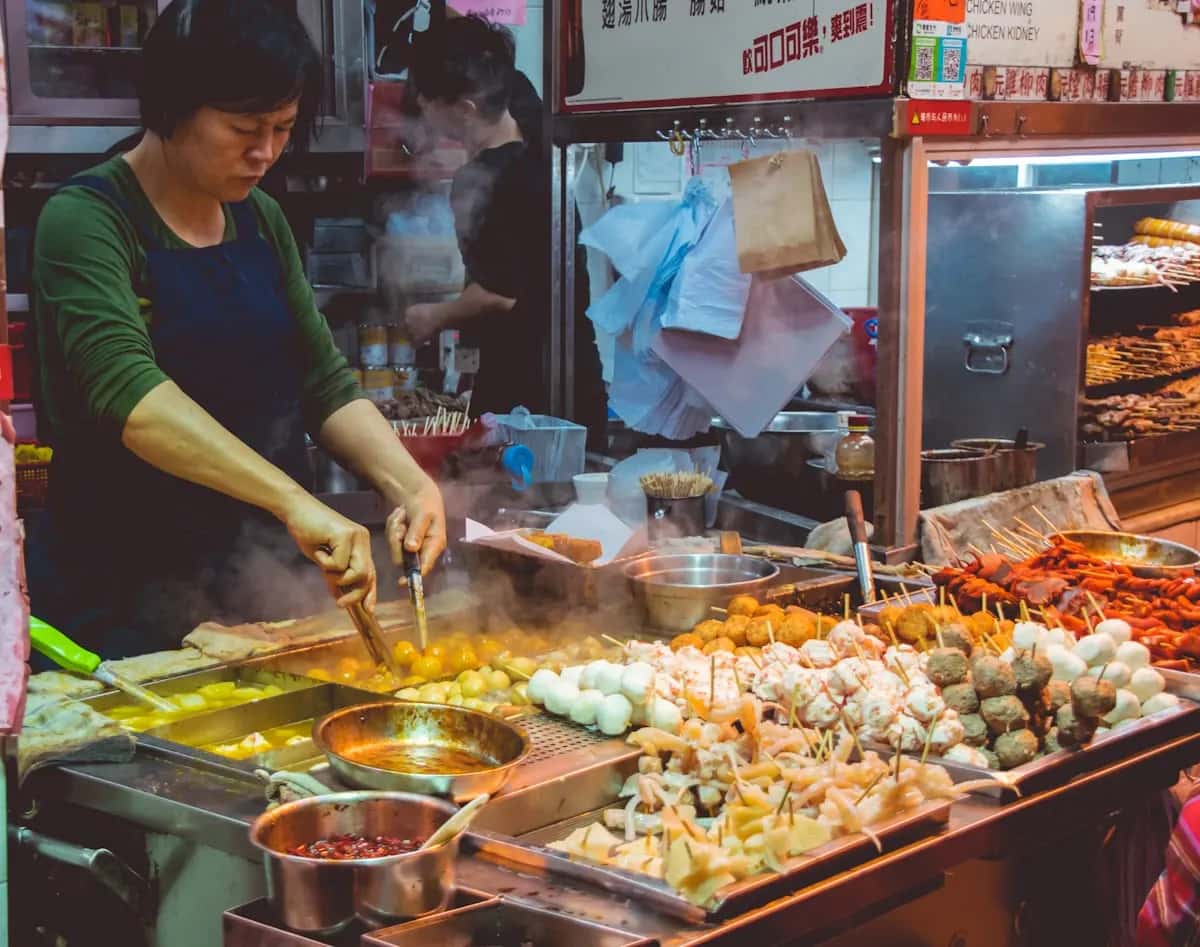
Street Food & Snacks
Street Food & Snacks

Learn how non-compete clauses work when exiting a franchise agreement in the Philippines, protecting your investment after closing.
Jul 20, 2026 5 min read
Learn practical inventory control steps for your Philippine franchise to cut waste, prevent loss, and protect your capital.
Aug 14, 2026 6 min read

Learn what dispute resolution clauses mean for Philippine franchisees. Protect your investment with this guide to arbitration, mediation, and litigation steps.
Jul 21, 2026 6 min read