Annyeong Corndog
Korean Street Food
- Franchise fee
- ₱50k
- Total investment
- ₱250k–₱400k
🎁 Start Your 1 Month Free Trial of the Full Plan, Exclusively for Brands & Advisors.Get Started
Browse 3 Korean street food franchises in Dinagat Islands, including 2 affordable franchise brands under ₱100k that pay back in about 3 months and a medium-investment franchise brand between ₱100k and ₱1M that pays back in about 10 months.
Updated
Dinagat Islands runs on mining and fishing trades, its towns connected mainly by boat rather than a single road network, and no Korean street food package has priced a location here yet. Anyone opening a stand works entirely from the nationwide field, where entry starts near ₱17,000 for the simplest cart and tops out around ₱400,000 for a fuller kiosk build. The signing fee mirrors that same range, and payback on these packages is quoted fast, from three months up to ten months.
Korean street food travels well precisely because it needs so little to work. Corn dogs, tteokbokki, and similar items cook fast from a compact setup, use ingredients that keep without heavy refrigeration, and sell at a price a passerby decides on without much thought. That combination matters more on a scattered island province than almost anywhere else, since a stand here cannot count on the dense, constant foot traffic a mainland city street provides. Dinagat Islands moves people mainly through its port towns, where boats arrive and leave on a schedule rather than continuously. A food stand does best when it can serve a burst of buyers quickly right as a boat comes in or a market day starts. The category's whole appeal, cheap to make, quick to eat, easy to sell from almost no footprint, suits that rhythm better than a sit-down meal ever could. A stand does not need a captive local population large enough to visit daily. It only needs to sit where the periodic crowds already gather, and Korean street food asks little enough in setup that testing a spot before committing further stays realistic.
With no package pricing a location on Dinagat Islands directly, every figure available here comes from the nationwide field. Entry starts near ₱17,000, enough for the plainest cart setup, and climbs to about ₱400,000 for a fuller kiosk build with proper signage and equipment. The signing fee tracks the same span, running from about ₱17,000 up to ₱50,000, modest next to most other food categories nationwide. Payback is quoted fast too, from three months on the quickest end to ten months on the slower one. That reflects how little capital sits tied up in a cart-based operation compared with a full restaurant build. For someone weighing an island location specifically, that fast payback matters more than usual, since freight and setup logistics already add cost and delay a mainland opening would not carry. A stand that recovers its investment inside a matter of months has more room to absorb a slow first few weeks while boat schedules, market days, and word of mouth line up.
The first year for a Korean street food stand on Dinagat Islands is less about competing with anyone else in the category, since nothing local exists yet, and more about learning the island's own rhythm. Early weeks should go toward figuring out which port town or market day actually draws the steadiest crowd. Demand here follows boat schedules and fishing seasons rather than a fixed weekday pattern found in a bigger city. Sourcing ingredients consistently is the other early challenge. A stand needs a reliable supplier for sausages, fish cake, or whatever the format calls for, since running out mid-week without a same-day backup costs more here than on the mainland. Staffing usually stays to one or two people, often the owner and a family member, covering prep and the counter together during the busiest hours. By the second half of the year, a stand that has found its rhythm should start seeing real repeat buying. That is what pushes it toward the payback window the nationwide figures already suggest, provided the early groundwork on sourcing and location held up.
Close to a third of Korean street food packages nationwide also offer a home-based or online version, an option worth a second look on a spread-out province like this one. Cart and kiosk formats still cover almost everything else in the category. A home setup skips the need for a fixed stall on a market street entirely. It lets an operator sell through pre-orders and delivery arranged around the boat schedule instead of a walk-up counter. For a scattered island population where no single spot draws a dependable crowd all day, taking orders ahead of time and fulfilling them on fixed days can work better than staffing a stall that sits empty between boat arrivals. That said, a cart still gives a new operator the fastest way to learn whether the food itself sells, since it puts the product in front of buyers directly. A sensible path starts with a cart at the busiest port or market day, then shifts weight toward a home-based, pre-order model once repeat customers already exist to sell to.
Now that you've seen what's here, a real advisor can help you shortlist and weigh the options against your budget. Free, at your pace.

Financing Readiness · Site Selection

Low-Capital Startups · Site Selection

Low-Capital Startups

Franchise Agreements · Multi-Unit Expansion
Are you a franchise advisor?Get your own workspace here
Compare Korean street food franchises with other food & beverage businesses in Dinagat Islands, each with its own brands, fees and investment ranges.

Fresh juices, shakes, and smoothie bars.
26 brandsFrom ₱99k
Buko Express, Barefruit Guyabano, Johnn Lemon +23 more
See brands
Roast chicken, inasal, and grilled favorites.
24 brandsFrom ₱15k
Konam, 24 Chicken, Bacolod Chicken Inasal +21 more
See brands
Ice cream, halo-halo, and sweet treats.
23 brandsFrom ₱3k
Arce Dairy, Momoyo, Llaollao +20 more
See brands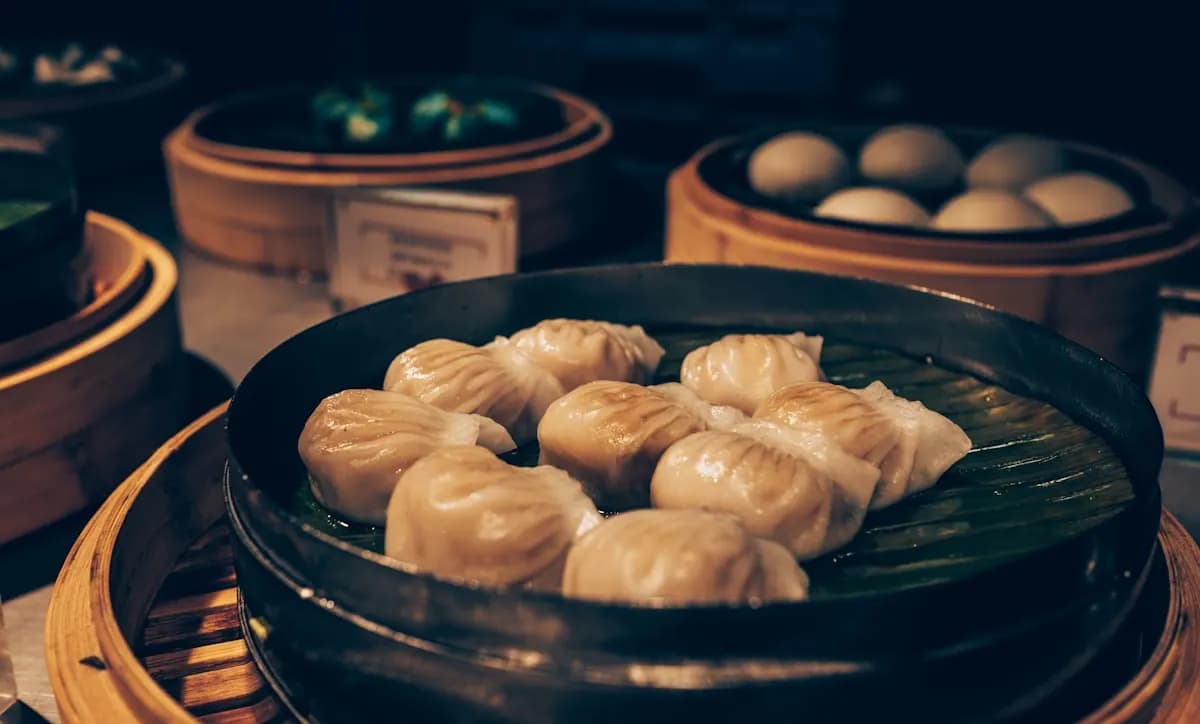
19 brandsFrom ₱25k
Dimsum Empire, Dimsum Temple, Hong Kong Style Fried Noodles & Dimsum +16 more
See brands
Burger joints and snack grills.
18 brandsFrom ₱17k
Minute Burger, Army Navy Burger + Burrito, Burger Factory +15 more
See brands
Homegrown Filipino food concepts.
18 brandsFrom ₱17k
Kwatogs, Boy Kanin, Bente Silog +15 more
See brands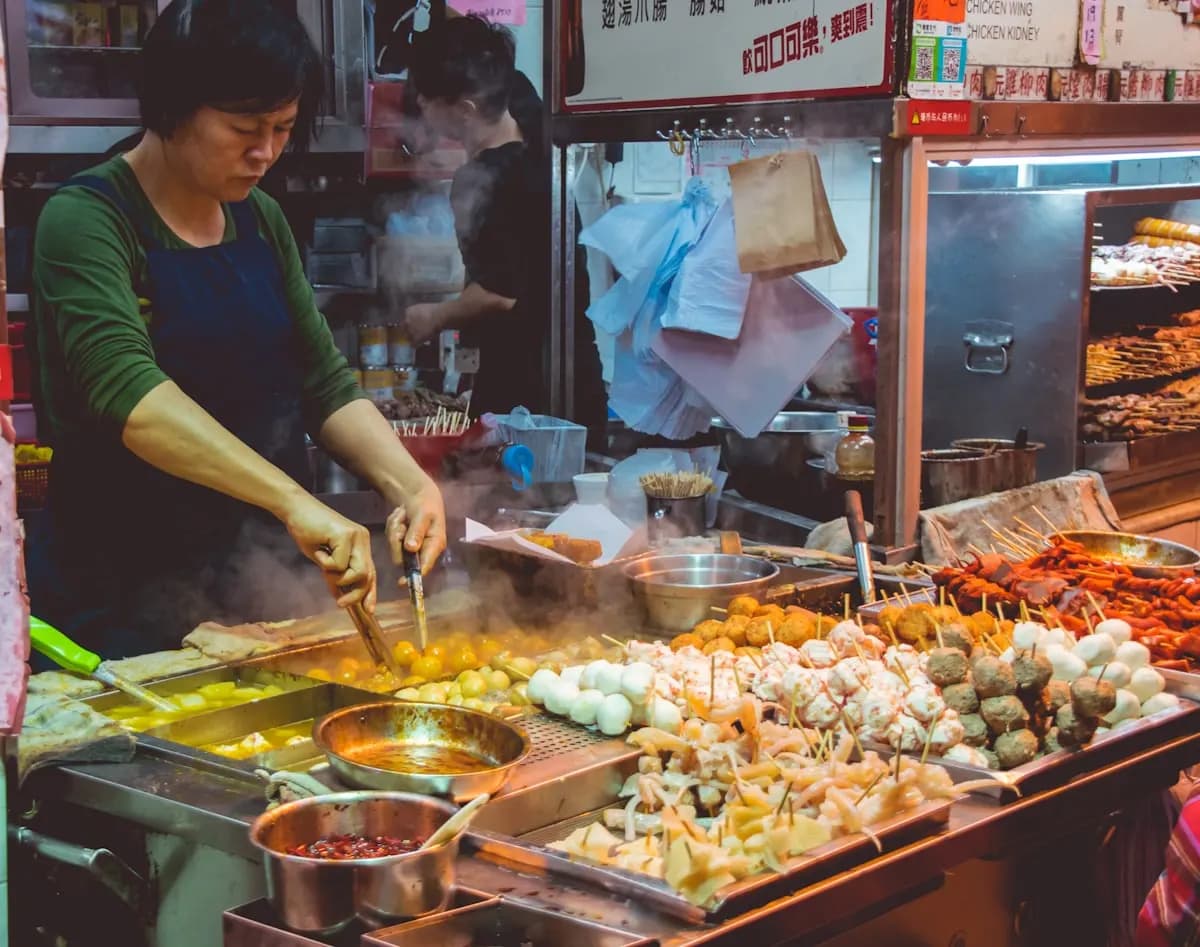
Fishball, siomai, and grab-and-go bites.
18 brandsFrom ₱25k
Chings Fried Noodles, Captain Calamares, Kerrimo +15 more
See brands
Sit-down restaurants with full menus.
16 brandsFrom ₱600k
Gerry's Grill, Kuya J Restaurant, Pho Hoa +13 more
See brands
Quick-service restaurants and fast-food chains.
16 brandsFrom ₱150k
Jollibee, Mang Inasal, Chowking +13 more
See brands
Pizza parlors and pasta houses.
14 brandsFrom ₱17k
Shakey's, Greenwich, Santino's Supreme Slice +11 more
See brands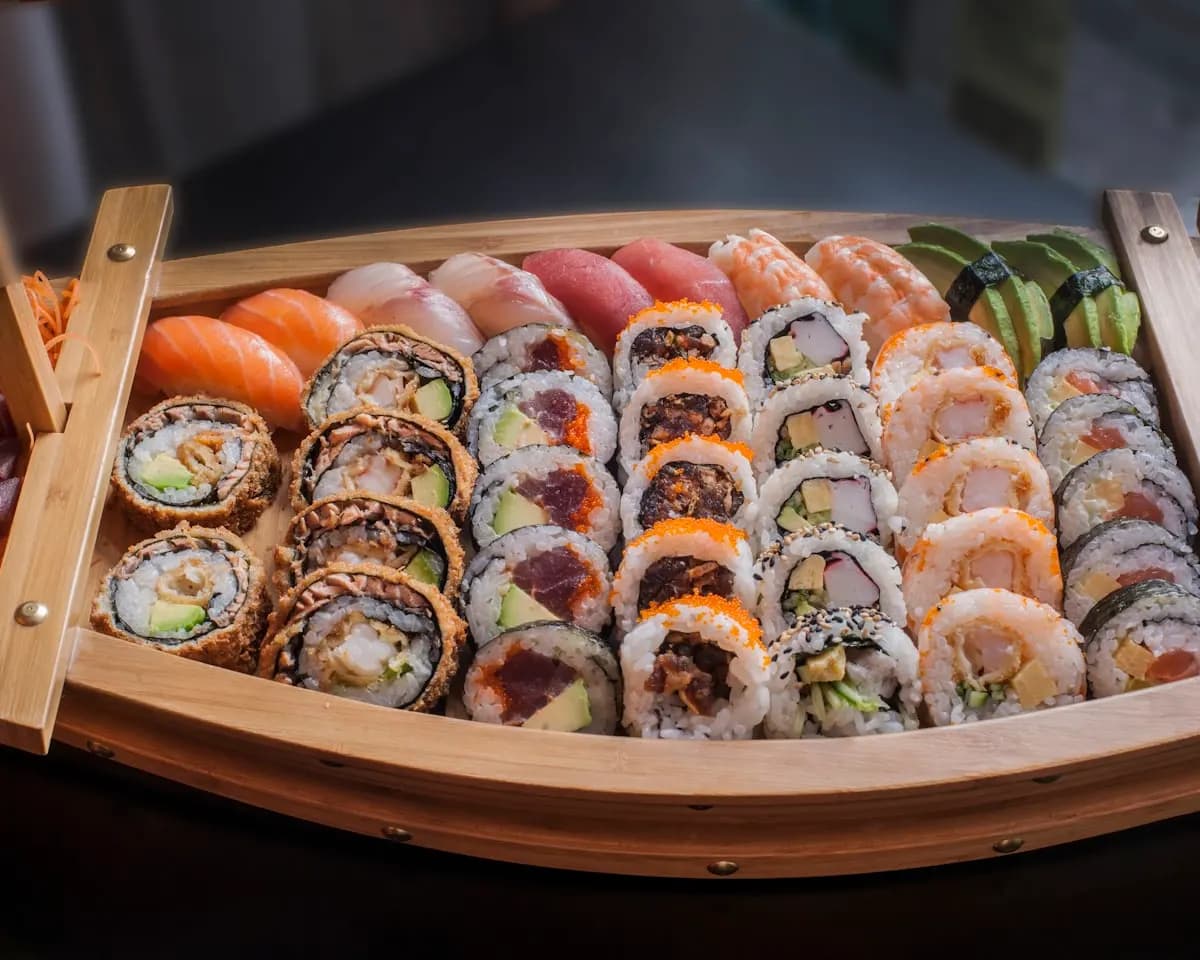
9 brandsFrom ₱17k
Kyu Kyu Ramen 99, Misuta Gyoza, Yaki Yaki +6 more
See brandsGet honest answers on fees, payback and the best setups for your area, free and with no pressure.
You can choose from three Korean street food franchises if you plan to open in Dinagat Islands. None of them name Dinagat Islands directly, so every option here accepts franchisees anywhere in the country. When a franchisor accepts franchisees anywhere, ask who your area coordinator would be and how quickly they can visit Dinagat Islands. Your budget narrows the field quickly, since the split is two affordable and one medium-investment franchises. Narrow the list to three or four options and ask each for its latest franchise package.
Average spend per customer is one of the strongest levers on whether a Korean street food franchise in Dinagat Islands reaches payback within the 3 to 10 months franchisors quote. Even a small add on with each purchase can lift monthly profit without needing a single extra visitor. Ask what add ons or bundles the franchise offers, and how current owners train their staff to suggest them politely without making customers feel pressured at the counter.
Break your budget into the parts that cannot be negotiated and those that can. The franchise fee is usually set, but rent, furniture, and build out often have room to adjust. A smaller or simpler layout reduces the second group. Ask the franchisor what is mandatory in design and what is flexible. The setups in Dinagat Islands are food carts with 3 franchises, kiosks with 3 and home-based or online setups with 1. Pick the one that leaves breathing room.
Before settling on a crew size, figure out what tasks each person must handle in a day. Preparation, serving, cleaning, cashiering and inventory all take time, and in some Korean street food setups the same person can cover several roles while in others each needs its own staff. Your franchisor will recommend a starting crew, so ask them to break that recommendation down by role and shift so you understand exactly what each hire is for.
Tracking every peso spent is what makes owning a Korean street food franchise in Dinagat Islands from overseas workable, and an OFW can certainly manage it. Small purchases pile up quickly and slip out of view when you live far away. Ask your representative to log each expense in a shared spreadsheet or app along with a photo of the receipt, so you can check spending whenever your shift allows rather than waiting on a summary when the month closes.
The upfront fee is paid once, but monthly costs are what decide earnings from a Korean street food franchise in Dinagat Islands. Lease payments, payroll, stock, power bills and royalty charges come due every month. Total the monthly items to find the sales your outlet must reach before it earns anything, then ask current franchisees whether their real costs ended up higher than they planned, so none of it surprises you.
You can learn a lot by asking what a franchisor's trainees struggle with most. Training for Korean street food franchisees typically covers operations, products or services, staff and systems, and experienced trainers know where new owners usually stumble. Ask that question directly, then ask how the program helps people overcome it, which tells you whether training for your Dinagat Islands outlet will be thoughtful or just routine.
Think about the comparison in stages so you do not get overwhelmed. First narrow Korean street food franchises in Dinagat Islands by total cost, then by contract fairness, then by what current franchisees say, and finally by fit with your location. Dropping options at each stage keeps you focused, and it stops a single exciting feature from distracting you from weaknesses elsewhere. A written note at each stage also helps you explain your choice to family.
Food and health businesses need sanitary clearances. If the Korean street food concept involves preparing or storing consumables, ask whether the commissary and sample branches hold current sanitary permits, and what staff health requirements apply in Dinagat Islands. Look at the permits displayed during your visit. A franchisor that handles these basics well is more likely to guard other details that protect your customers and your license to operate.
Nobody expects a new owner to know everything about promotion, so ask for help openly. Relatives with business experience, former coworkers or a local mentor in Dinagat Islands can look over your plans for a Korean street food franchise and point out weaknesses. Fresh eyes catch simple mistakes. Share a one page marketing plan with one trusted person, listen without arguing and adjust what makes sense.
Compare how many Korean street food brands take franchisees in the cities nearest Dinagat Islands.
Every industry in Dinagat Islands, by how much it takes to start and by the kind of space it runs from.
By budget
Other food & beverage franchises taking franchisees in Dinagat Islands, worth comparing on cost, fees and payback.

Burgers

Shawarma

Ice Cream & Desserts
Chicken & BBQ
Shawarma
Ice Cream & Desserts
Siomai & Dimsum
Chicken & BBQ
Compare Korean street food franchises in Dinagat Islands with other industries there, each with its own brands, fees and investment ranges.

Coffee, milk tea, and cold drink shops.
53 brandsFrom ₱17k
Zagu, Macao Imperial Tea, Barista Choi +50 more
See brands
Mini marts and convenience stores.
48 brandsFrom ₱500
Folded & Hung, Halo Mobile Clothing, Monterey Meatshop +45 more
See brands
Bread, cakes, and pastry shops.
32 brandsFrom ₱17k
Waffle Time, Mister Donut, Goldilocks +29 more
See brands
Salons, barbershops, and spa services.
31 brandsFrom ₱200k
Big Apple Express Spa, Bruno's Barbers, Body and Sole Spa +28 more
See brands
Drugstores and health supplement outlets.
16 brandsFrom ₱300k
Farmacia ni Dok, Gamot Publiko, Generika Drugstore +13 more
See brands
14 brandsFrom ₱250k
ALOHA (Abacus Learning of Higher Arithmetic), Kumon, STI +11 more
See brands
14 brandsFrom ₱20k
eTap Self-Service Payment Machine, M Lhuillier (ML Express), Palawan Express Pera Padala +11 more
See brands
Gyms, studios, and sports facilities.
9 brandsFrom ₱1.6M
GoFit Gym, Snap Fitness 24/7, Gold's Gym Philippines +6 more
See brands
Purified and mineral water stations.
9 brandsFrom ₱100k
Aquabest, Aqualipure, Crystal Clear +6 more
See brands
Self-service and full-service laundry shops.
7 brandsFrom ₱400k
CS Laundry, Tipidsulit Laundromat, Quicklean One Hour Laundry +4 more
See brands
Padala, parcel, and delivery outlets.
7 brandsFrom ₱10k
Alin Cargo Express, Ninja Van, J&T Express +4 more
See brands
6 brandsFrom ₱25k
SMB Travel & Tours, South Shore Travel Biz, RedDoorz +3 more
See brandsCompare industries by budget, daily work and payback before you choose one, free and with no pressure.
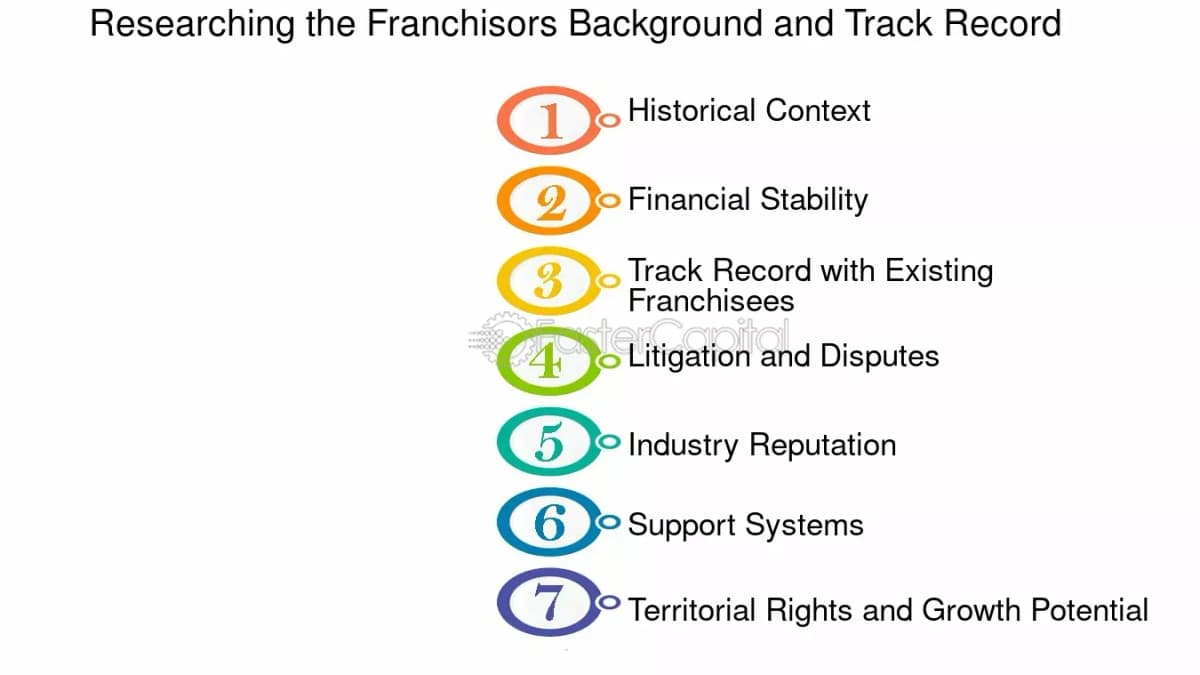
Learn how to verify a franchisor's track record in the Philippines. Protect your investment by checking company history and speaking to existing franchisees.
Jul 20, 2026 6 min read

Learn how to validate any franchise in the Philippines by speaking directly to current operators. Get honest feedback on ROI, support, and hidden costs.
Jul 20, 2026 5 min read

Learn what high or low turnover really means for your franchise investment. Discover how to evaluate brand stability and avoid failing businesses.
Jul 20, 2026 6 min read