Cookie Chef
Cakes & Pastries
- Franchise fee
- ₱250k
- Total investment
- ₱600k–₱900k
🎁 Start Your 1 Month Free Trial of the Full Plan, Exclusively for Brands & Advisors.Get Started
Browse a cake & pastry franchise up to ₱900k, with an investment of about ₱900k, a franchise fee of about ₱250k, and paying back in about 18 months.
Updated
Up to ₱900,000 for cakes and pastries stays inside cart and kiosk formats, but at a noticeably higher spec than the leaner entry points into the category. Investment runs from around ₱600,000 to ₱900,000, and the franchise fee sits near ₱250,000, a bigger share of the total than most packages ask for. Brands pricing a fee this high are usually betting on stronger training and support paying for itself, with payback pencilled in at roughly eighteen months.
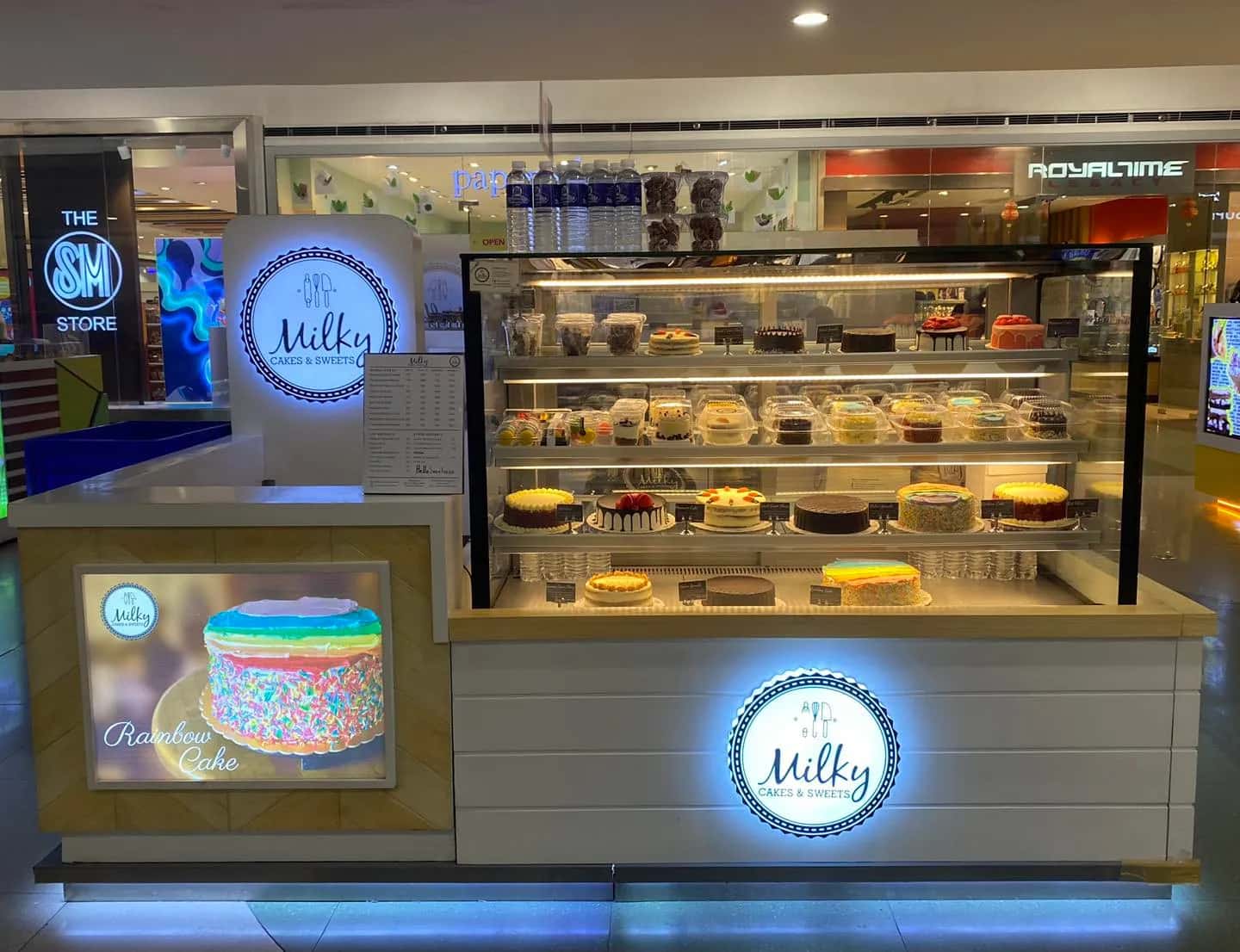
A kiosk build at this level typically means more than a bare counter: proper refrigerated display, a wider daily menu, and a checkout setup built to handle steady footfall rather than occasional sales. A cart at the same budget carries a similar upgrade: sturdier construction, a stronger cooling system, and enough capacity to serve a busier corner without running out of stock by midafternoon. What stays constant across both formats is the scope. This is still a mobile or fixed-counter business, not a shopfront with a seating area or a full production kitchen behind it. The jump in spec from the category's cheaper packages goes into reliability and presentation rather than a bigger footprint, so the physical scale of the business looks familiar even though the money behind it does not. Growth from here usually means adding a second unit once the first is proven, carrying the same format forward rather than turning it into something bigger.
At lower budgets in this category the fee is often a small share of the total spend, but here it makes up close to a third of the money. That shift usually reflects what the fee is paying for: a longer training period, a more developed operating manual, and support that continues after opening rather than stopping once the doors are open. The investment side, roughly ₱600,000 to ₱900,000, still needs to cover the physical build, refrigeration, counter fixtures, and enough opening stock to run a full menu from the first day. Working capital sits outside both numbers entirely. Ingredients, wages, and rent for the early months, before daily sales are covering costs on their own, need their own reserve. A reader who spends every peso of the budget on the build and the fee, leaving nothing in reserve, is the one most likely to feel the pinch before the eighteen month payback estimate has a chance to prove out.
A fee approaching a third of the total spend deserves closer questions than a cheaper package would. How long does training actually run, and does it extend into the weeks after opening rather than stopping at launch. Is the equipment named in the package already covered by the investment figure, or added on top as a separate cost once the paperwork is signed. What happens if the first site underperforms: does help exist for relocating a cart or kiosk, or does that risk sit entirely with the person who signed up. Asking does not mean doubting the category, which sells well enough that a fee this size can still make sense. It simply means a bigger number deserves a clearer account of where it goes. A reader who gets vague answers to any of these has learned something useful before signing rather than after, and that is the whole point of asking early instead of finding out the hard way once money has changed hands.
A higher fee does not reduce the daily workload. Someone still needs to open early, watch perishable stock closely, and hold quality steady, whether that is the owner behind the counter or a hire who has been trained properly. What the fee is meant to change is consistency: fewer surprises in how the recipes turn out, fewer gaps in how the counter is run when the owner is not there. That consistency matters most once a reader starts thinking about a second unit. A format that runs the same way regardless of who is behind the counter is far easier to repeat than one that depends entirely on one person's instincts. The practical measure of success in the first year is not just whether the cart or kiosk turns a profit, but whether it could be handed to someone else and still perform the same way.
Now that you've seen what's here, a real advisor can help you shortlist and weigh the options against your budget. Free, at your pace.

Financing Readiness · Site Selection

Low-Capital Startups

Low-Capital Startups · Site Selection

Franchise Agreements · Multi-Unit Expansion
Are you a franchise advisor?Get your own workspace here
Compare cake & pastry franchises with other bakery & pastry businesses up to ₱900k, each with its own brands, fees and investment ranges.
Get honest answers on fees, payback and the best setups for your area, free and with no pressure.
When you work out how to raise ₱900k, also work out how a cake & pastry franchise will repay any money you borrow, because the two decisions belong together. A loan that looks manageable on paper can feel heavy if early sales are modest. Build a simple monthly budget using cautious sales guesses, subtract rent, wages, supplies and loan payments, and borrow only what the business can carry even on a quiet month.
Look at ₱900k as a package whose value depends on what you would otherwise have to buy yourself. In a cake & pastry franchise, packages may include equipment, initial stock, training, signage and opening support, though franchisors differ. Estimate the cost of sourcing each missing item on your own, then add that to the package price so you are comparing true totals rather than advertised figures.
Your first franchise teaches you a lot, and a cake & pastry franchise at ₱900k can be a good classroom if you have someone experienced to guide you. Find a mentor, perhaps a business owner in your circle, who can review your plans and check in while the outlet is new. Even an informal mentor can point out problems you are too close to see. Ask them to look over the franchise offer before you sign.
Counter space and display room matter when choosing among food carts with 1 franchise and kiosks with 1 for a cake & pastry franchise at ₱900k. Customers should see what you offer from a distance, and staff should reach everything quickly during a rush. Measure the front of your spot and compare it with what each format needs to show products and serve people at once, and favor the layout that lets one or two workers cover the whole front without strain.
Delivery and logistics can quietly raise your costs beyond the ₱900k package. If supplies come from a central commissary or warehouse, you may pay shipping each time you reorder, and the amount depends on how far you are from the franchisor's supply point. These charges repeat with every order, so they matter more over time than they seem at first. Ask whether delivery fees are included in supply prices or charged separately, and factor that into your monthly costs.
Compare how many cake & pastry franchises start at each budget level, from the smallest packages up.
Cake & Pastry franchises priced close to your budget, worth a look if you can stretch your savings or want to spend less.
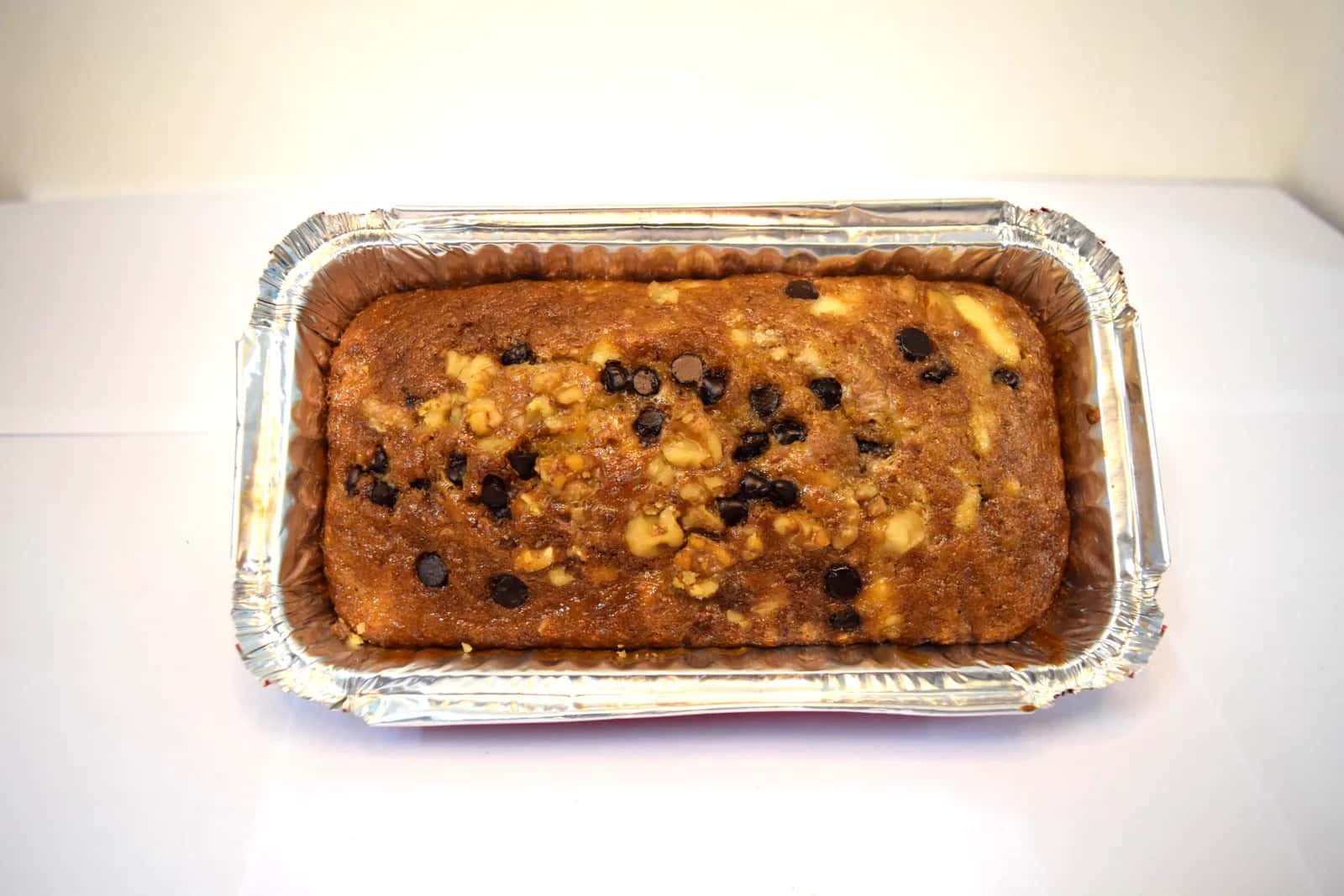
Cakes & Pastries

Cakes & Pastries
Cakes & Pastries
Cakes & Pastries
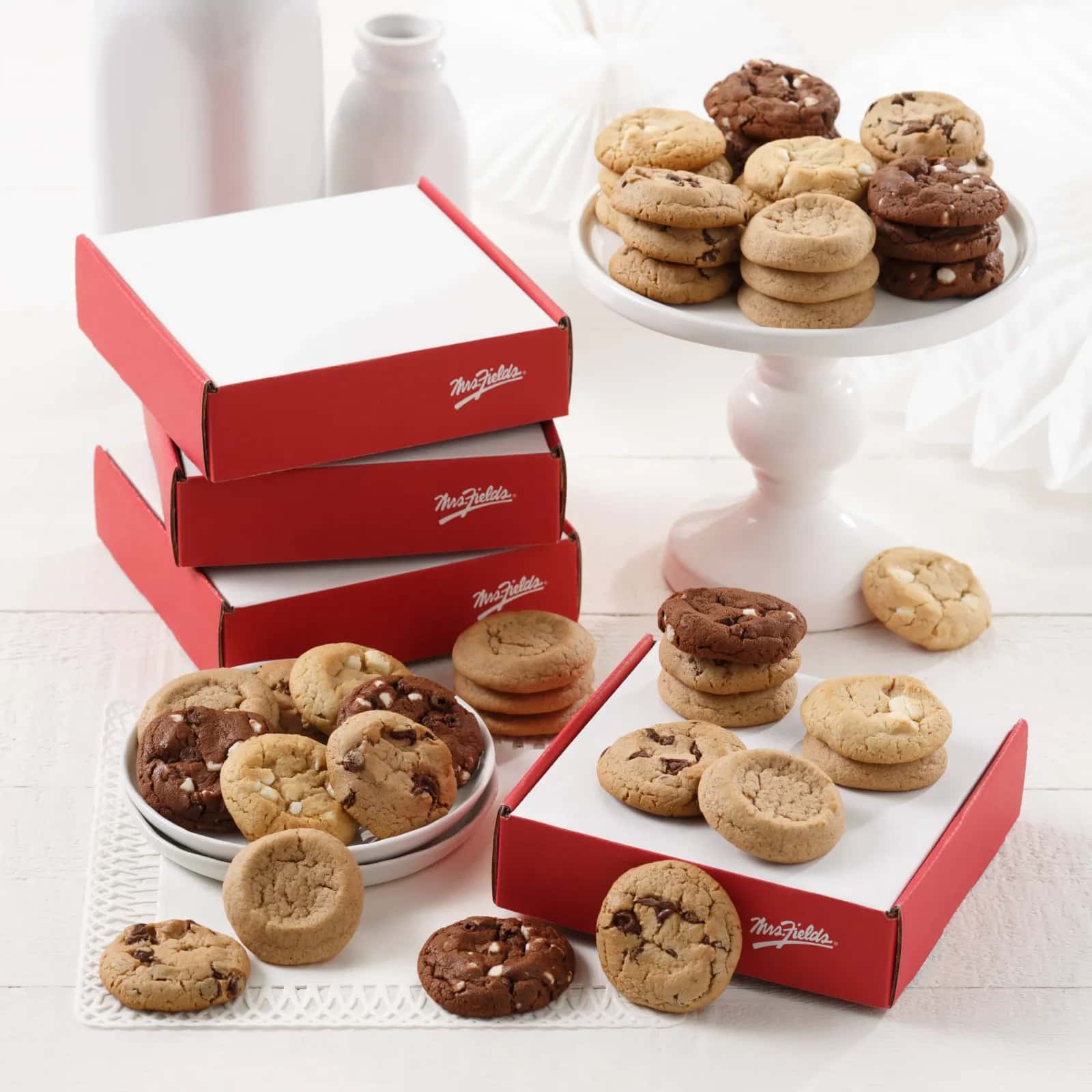
Cakes & Pastries

Cakes & Pastries
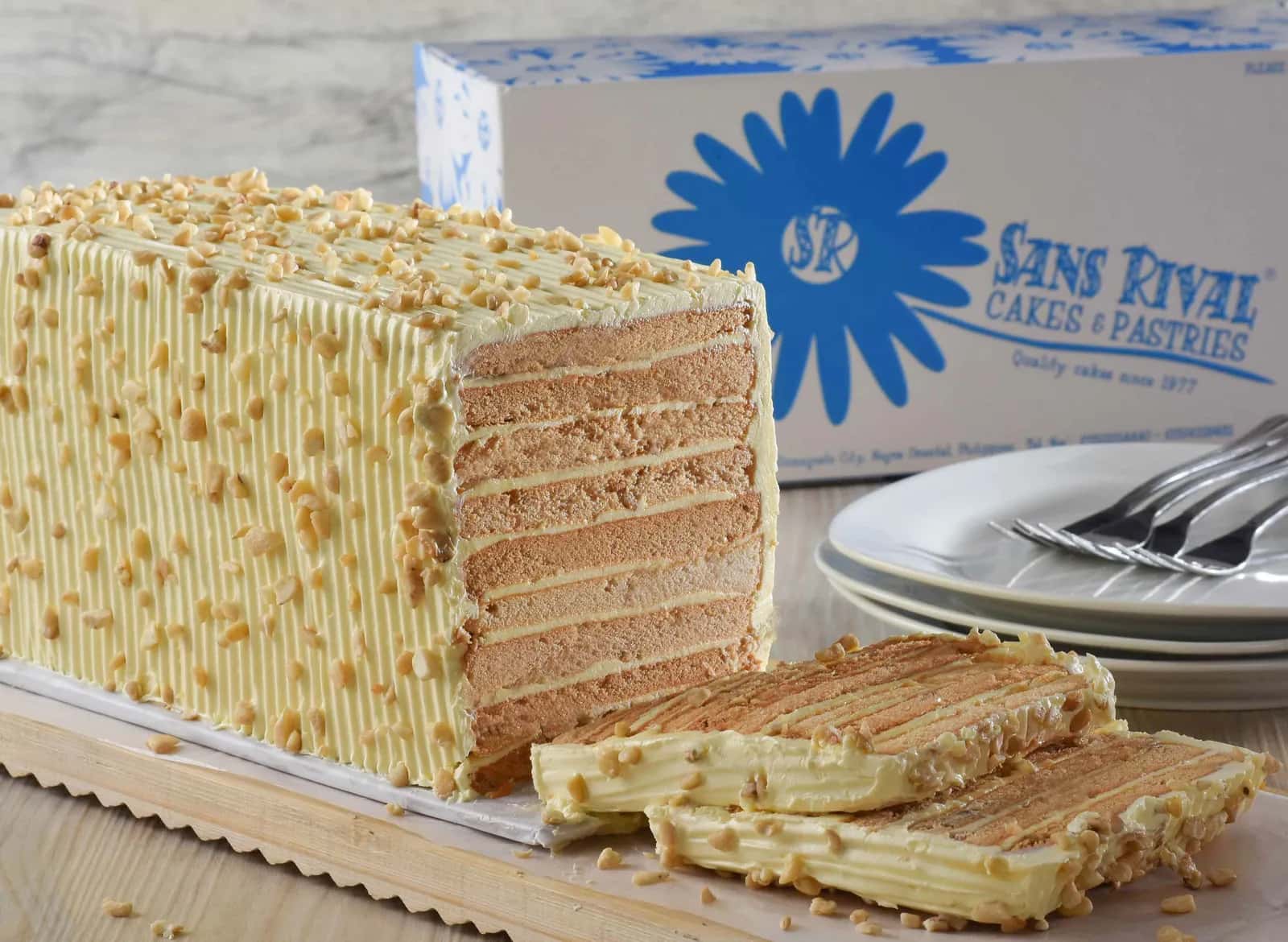
Cakes & Pastries
Cakes & Pastries
Compare cake & pastry franchises with other industries at the same budget, each with its own brands, fees and investment ranges.

Carts, kiosks, and full restaurants.
17 brandsFrom ₱400k
Kulpy Chicken, The Lemon Co., Thirsty Fresh Fruit Juices & Shakes +14 more
See brands
Coffee, milk tea, and cold drink shops.
5 brandsFrom ₱450k
Nitro 7 Coffee and Tea, Jelly G, Mocha Blends +2 more
See brands
Mini marts and convenience stores.
2 brandsFrom ₱450k
Palawan Pearls, CasyPH
See brandsCompare industries by budget, daily work and payback before you choose one, free and with no pressure.

Learn practical inventory control steps for your Philippine franchise to cut waste, prevent loss, and protect your capital.
Aug 14, 2026 6 min read
Learn how non-compete clauses work when exiting a franchise agreement in the Philippines, protecting your investment after closing.
Jul 20, 2026 5 min read

Learn how to secure financing for your Philippine franchise, from preparation to approval. A practical guide for new operators and OFWs.
Jul 20, 2026 5 min read