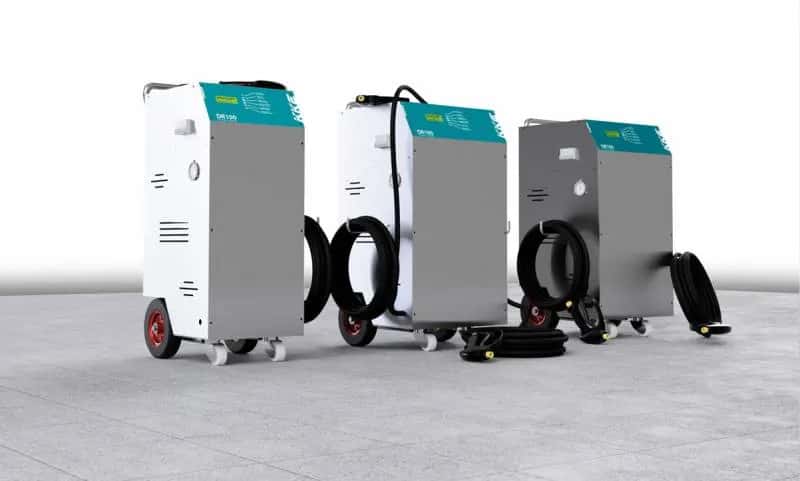
Ventian Steam Washing
Car Wash
- Franchise fee
- ₱200k
- Total investment
- ₱800k–₱2.5M
🎁 Start Your 1 Month Free Trial of the Full Plan, Exclusively for Brands & Advisors.Get Started
Browse 13 mobile unit franchises in Cebu, including 2 affordable franchise brands under ₱100k that pay back in about 3 months, 6 medium-investment franchise brands between ₱100k and ₱1M that pay back in 12 to 18 months, and 4 premium franchise brands above ₱1M that pay back in 24 to 36 months.
Updated

Cleaning & Pest Control
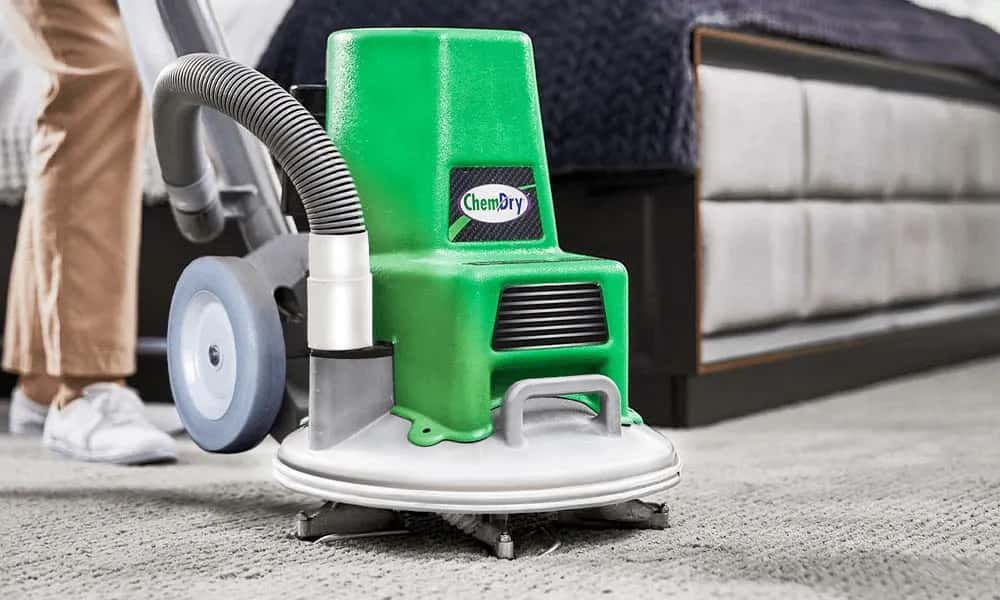
Cleaning & Pest Control
Cebu has about 56,653 businesses on the map across its cities and towns, from food and drink to shops, services and clinics. Check what already operates near the spot you have in mind.
Population
5,151,2742020 census
Per 10,000 residents
110businesses we track
Business locations are based on Overture Maps open data (October 21, 2026 release) and do not represent a complete census of all businesses.
A mobile unit package already covers Cebu province, priced from around ₱800,000 to ₱2.5M with a fee near ₱200,000 and payback quoted around eighteen months. That entry sits well above what the format asks for nationwide, where a mobile setup can start from close to ₱18,000 and climb past ₱25M, with payback quoted anywhere from three months to three years. Cebu province stretches far past its dense urban core into highland farming towns, coastal municipalities, and smaller cities strung along both coasts, each with its own driving distance and crowd pattern. A mobile unit here is being asked to cover ground, not just a single neighbourhood.
At the low end nationwide, close to ₱18,000 buys a basic pushcart-style mobile setup with a light fee to match. That entry is built for someone testing a route on a shoestring budget. At the high end, past ₱25M buys a fully equipped mobile operation with a fee that can run into seven figures. That level suits someone running several units or a much larger vehicle and system behind it. The package already covering Cebu province sits closer to the middle of that range, at ₱800,000 to ₱2.5M with a fee near ₱200,000. That price buys a proper vehicle or trailer built for daily use across a province this size, rather than a bare cart, and a system already built to handle a route longer than a single city block. Payback quoted around eighteen months sits toward the middle of the nationwide spread as well, assuming steady use of the vehicle rather than an occasional outing.
Cebu province runs from the dense commercial belt around its capital out to highland towns growing corn and vegetables, and coastal municipalities running on fishing and, in places, tourism. A mobile unit covering the whole province is a different proposition than one working a single dense city. The routes stretch further, and the crowd at each stop looks different depending on whether it is a market town, a beach barangay, or a mountain municipality. The package already listed for the province offers both a mobile setup and an inline storefront under the same brand. That lets the format decision shift by town: a fixed unit where a spot in an existing building makes sense, and a mobile route where the crowd is too spread out to justify one. Nationwide, mobile packages lean the same way, with roughly a third also running as an inline store and smaller shares as a kiosk, a home-based setup, a food cart, or a standalone building.
Operating a mobile unit across a whole province means budgeting for longer drives, more fuel, and more vehicle wear than a route confined to one city. A schedule has to account for travel time between towns as much as time spent actually selling. A route that looks efficient on a map can lose most of a morning to mountain roads or a single-lane coastal highway. Permits and parking arrangements also vary by municipality rather than staying consistent across one city's rules, so building relationships with more than one local government becomes part of the job. The upside is reach. A single mobile operation can serve several towns that would each be too small on their own to support a fixed storefront. That spreads the fixed costs of the vehicle and the brand's fee across a wider customer base than a single neighbourhood could provide.
Running a mobile unit across Cebu province suits someone willing to manage logistics as much as sales, since the job is really about building a schedule that reaches enough towns often enough to matter. It suits someone who already knows, or is willing to learn, which towns pay well on which days. A route built on guesswork wastes fuel and time that a fixed storefront never has to spend. It suits less well someone who wants a single, familiar patch to build loyalty in, since the whole appeal of covering a province is breadth rather than depth in any one spot. Anyone weighing this against a single-city mobile route should treat the wider footprint as its own kind of business. It runs on a stronger vehicle, a longer fuel budget, and a route planned like a small logistics operation rather than a single stall that happens to move.
Now that you've seen what's here, a real advisor can help you shortlist and weigh the options against your budget. Free, at your pace.

Financing Readiness · Site Selection

Franchise Agreements · Multi-Unit Expansion

Low-Capital Startups

Low-Capital Startups · Site Selection
Are you a franchise advisor?Get your own workspace here
Choose an industry to see all of its franchises in Cebu, with their fees and investment ranges.
Get honest answers on the space, staff and money this setup really needs, free and with no pressure.
Speed of service decides how much a mobile unit can sell during a short rush, and that holds for every one of the 13 franchises in Cebu with this setup. A crowd at a school gate or a terminal will not wait long. Time how long it takes an existing unit to serve one order from start to finish, then judge whether that pace can handle the peak hours at your spots.
Recovery rarely moves at a steady pace, so read 12 to 24 months for mobile units in Cebu as an average rather than a monthly rhythm. Early months usually return little, and profit tends to build as regulars appear and the crew gets faster. That means a slow first year does not automatically spoil the range, though it does tell you to watch the trend. Compare each quarter with the one before it and look for steady improvement.
Population matters alongside the count, and Cebu City leads Cebu with 13 mobile unit franchises, followed by Mandaue with 13 and Talisay with 13. A city with fewer branches but plenty of residents may actually be underserved, while a heavily listed city could already be crowded for its size. Look up recent census figures for each city on the list, compare them with the franchise counts, and ask franchisors whether an underserved city interests them.
Keeping a reliable team is a constant thread in the daily work of a mobile unit franchise in Cebu, alongside stock, cash and customers. When someone quits, you may find yourself covering shifts and training a replacement quickly. Owners who plan for this feel far less stretched. Ask current franchisees how often staff leave and where they find new hires in Cebu, whether through referrals, the barangay or online job groups.
Ask the franchisor how they arrived at any sales or payback figures they show you for a mobile unit in Cebu. Projections are only useful if you know the assumptions behind them, such as foot traffic, average sale and operating days, and those assumptions may come from very different locations. Redo the projection using your own conservative guesses, and if the result looks far from theirs, ask the franchisor to explain the gap before you go further.
Mid-contract upgrades are a risk that can surprise owners of mobile units in Cebu. Franchisors sometimes require new equipment, signage or a redesign to keep the network looking current, and the cost usually falls on the franchisee. Ask how often the franchisor has required upgrades in the past and what they cost, and set aside a small amount each month so a required refresh does not catch you unprepared.
Franchisors fall along a spectrum on this, from those who scout Cebu, negotiate the lease and hand you a ready spot for a mobile unit, to those who only sign off on a location you found yourself. Where a franchisor sits on that spectrum affects both your timeline and your workload. Ask for examples of recent franchisees and how their sites were chosen, which reveals the real practice far better than any sales pitch or brochure can.
If you ask a franchisor for its company documents and get a quick, organized response, that is a good early sign. Legitimate companies keep their DTI or SEC registration, BIR certificate and sample agreement ready because serious buyers request them. Disorganized or delayed responses do not prove fraud, but they hint at how the company may handle your orders and concerns later. Note how easily the franchisor behind a mobile unit in Cebu produces what you ask for.
Asking for a rent breakdown in writing protects you from surprises after you sign for a mobile unit franchise in Cebu. Verbal promises about included utilities, free parking or waived dues are easy to forget or deny later. Request a formal offer letter that lists every charge, the start date of rent and any concessions, and compare it line by line with the final lease before signing.
Compare how many franchises run as each kind of setup in Cebu, from food carts to full standalone stores.
Compare how many mobile unit franchises take franchisees in each place.
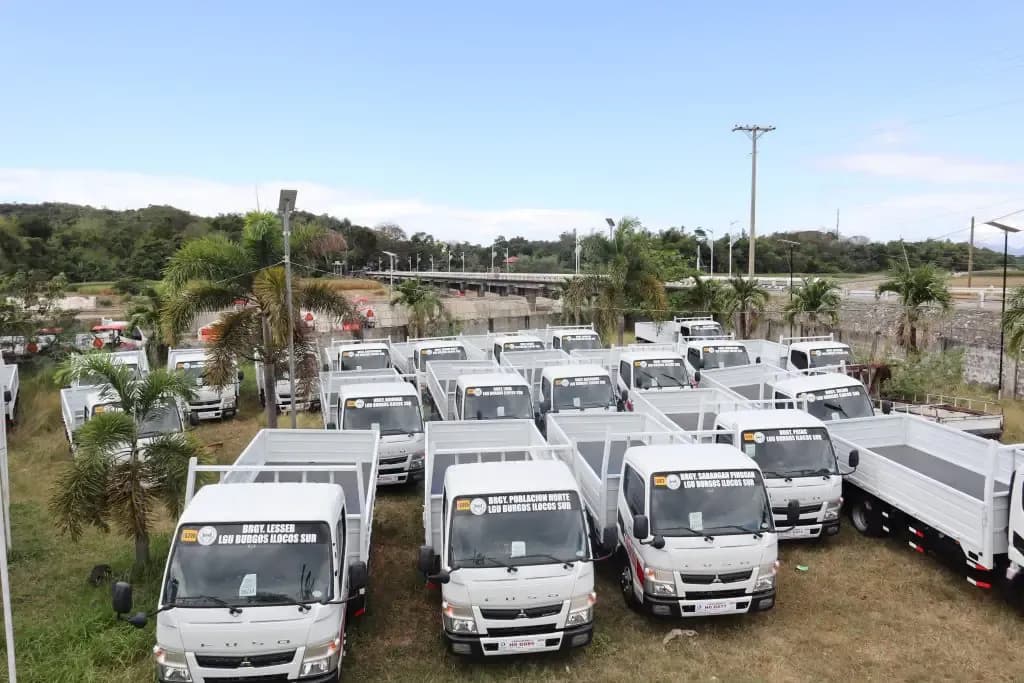
Learn the daily realities, routines, and operational demands of running a mobile franchise unit in the Philippines.
Aug 4, 2026 6 min read

Don't fall for high store counts. Learn why top franchise numbers don't guarantee profit and how to find the best business for you.
Jul 24, 2026 5 min read
Discover how to safely review a young franchise concept in the Philippines and protect your hard-earned capital.
Jul 24, 2026 5 min read