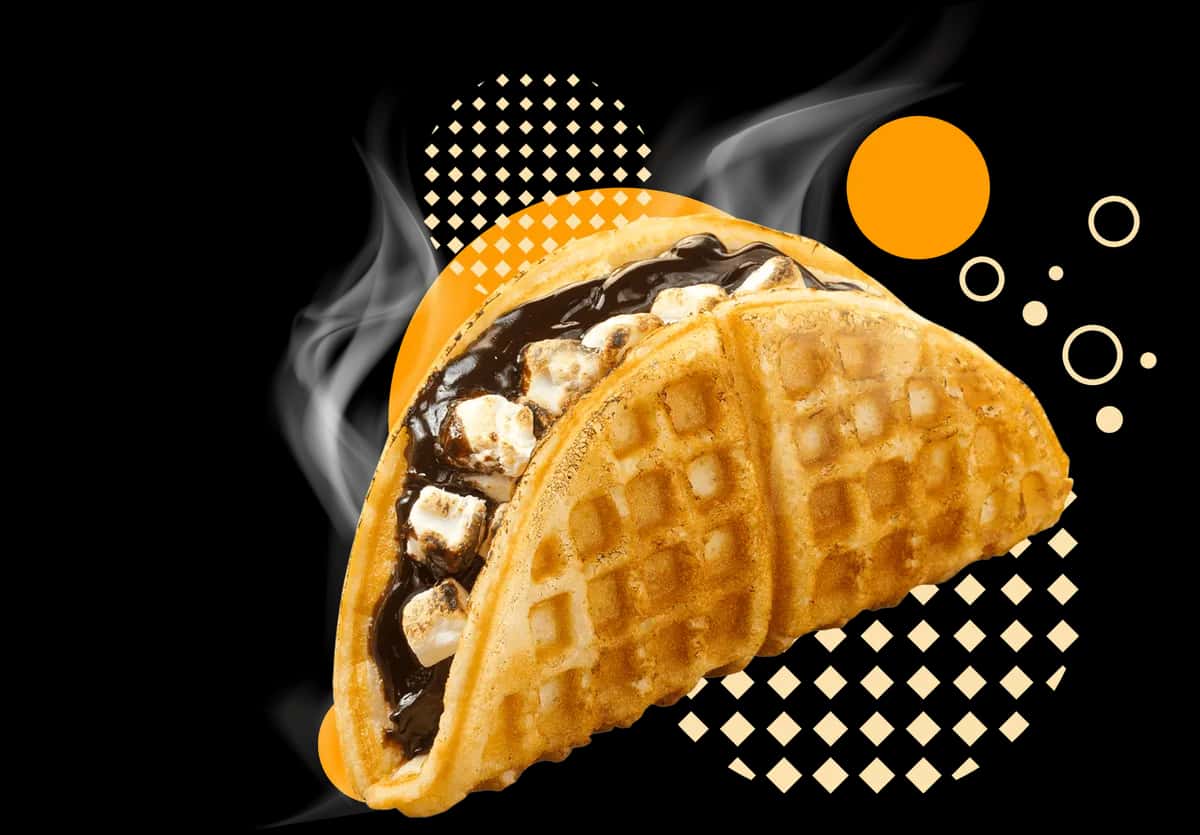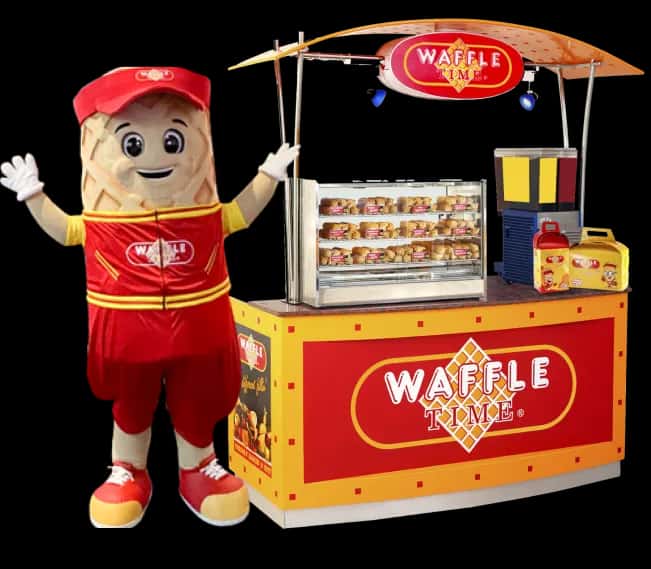
Waffle Time
Waffle Shop
- Franchise fee
- Not disclosed
- Total investment
- From ₱400k
🎁 Start Your 1 Month Free Trial of the Full Plan, Exclusively for Brands & Advisors.Get Started
Browse 297 kiosk franchises in Sulu, including 35 affordable franchise brands under ₱100k that pay back in 3 to 12 months, 184 medium-investment franchise brands between ₱100k and ₱1M that pay back in 10 to 18 months, and 72 premium franchise brands above ₱1M that pay back in 18 to 36 months.
Updated

Street Food & Snacks
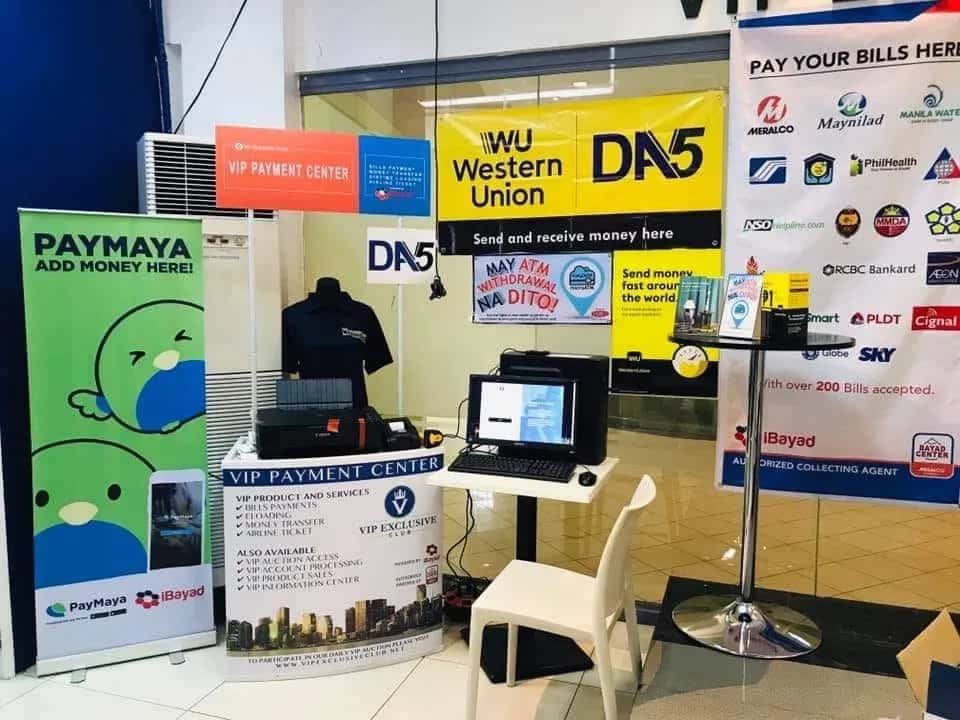
Payment & Remittance Center
Showing 24 of 297
Sulu has about 229 businesses on the map across its cities and towns, from food and drink to shops, services and clinics. Check what already operates near the spot you have in mind.
Population
1,000,1082020 census
Per 10,000 residents
2businesses we track
Business locations are based on Overture Maps open data (October 21, 2026 release) and do not represent a complete census of all businesses.
A kiosk is a small counter set up in a busy corner, and it is the format that lets a first-time owner start a franchise with the least space and the least rent. In Sulu, an island province in the far southwest of the country, no kiosk arrangement carries the province as its own territory yet. Buyers therefore work from terms that apply nationwide, which begin at ₱3,000 and reach past ₱20M.
Most kiosk systems in the country also offer a food cart, and that pairing matters in an island province. A movable stall can follow the crowd from a pier to a market to a town plaza. Nearly half of them add an inline store for owners who want a fixed shop later. A kiosk in Sulu can therefore be the first step of a longer plan without a change of franchisor. Home-based or online selling is offered by only a few systems, and standalone buildings and mobile units are rare in this format. For a buyer, the practical meaning is that the smallest options are the widely available ones. The heavier formats need a larger sum and a longer wait. A counter that costs little to build can be moved or closed with far less risk than a building, which suits a province where boats and weather shape the week. That flexibility also lets an owner try a second corner cheaply if the first one turns out quieter than expected, and it keeps the early months of trading lighter on the household budget.
Sulu is a chain of islands, and daily life turns around the sea, from fishing and seaweed farming to the boats that link one island to the next. People gather at piers, public markets, school gates and the town centres, and those crowded corners are where a small counter can sell snacks, drinks, or simple goods quickly. Traders and travellers passing through add to the local buyers. Families with relatives working elsewhere also spend remittances on everyday treats, and that trade peaks around holidays, school openings and the days after a boat arrives with visitors. Because the islands are spread out, a kiosk serves its own neighbourhood more than the whole province, so the corner matters as much as the trade. Standing at the chosen spot on a market day and on a quiet weekday, and noting who passes and what they carry, is the most useful research a buyer can do before choosing what to sell.
Money matters first for a kiosk in Sulu, and the nationwide range is the guide. Entry starts at ₱3,000 for the simplest counters and climbs beyond ₱20M for the largest builds with custom fixtures and heavy equipment. Franchise fees begin at nothing and reach ₱2.5M, and the fee usually follows the strength of the system behind the counter. Payback for the range extends to four years, and the leaner arrangements recover their money faster because rent and wages stay small. Most first-time owners will find their comfortable zone in the lower part of the range, where a slow first season does not put savings at risk. Setting aside money for permits, signage, transport of stock by boat and a reserve for slow weeks keeps a modest start from becoming a strain. A buyer who knows the running costs in advance can price goods properly from the first day instead of discounting to cover surprises.
The most important question is how supplies will reach the islands, how often they will arrive and who pays when a boat is delayed. Ask whether the franchisor has experience supporting owners far from the main distribution centres, and whether training can be done nearby or requires travel. Ask what the fee includes, whether the territory is protected, and what happens if the chosen corner does not perform. It also helps to ask how the kiosk copes with heavy rain and rough seas, which can keep customers home for several days, and whether spoilage is the owner's loss or shared. Speaking with an existing owner in a similar small town gives a clearer picture of daily sales than any brochure. Putting the answers in writing keeps the decision calm and protects the savings behind it.
Now that you've seen what's here, a real advisor can help you shortlist and weigh the options against your budget. Free, at your pace.

Financing Readiness · Site Selection

Low-Capital Startups

Low-Capital Startups · Site Selection

Franchise Agreements · Multi-Unit Expansion
Are you a franchise advisor?Get your own workspace here
Choose an industry to see all of its franchises in Sulu, with their fees and investment ranges.

Carts, kiosks, and full restaurants.
From ₱3k
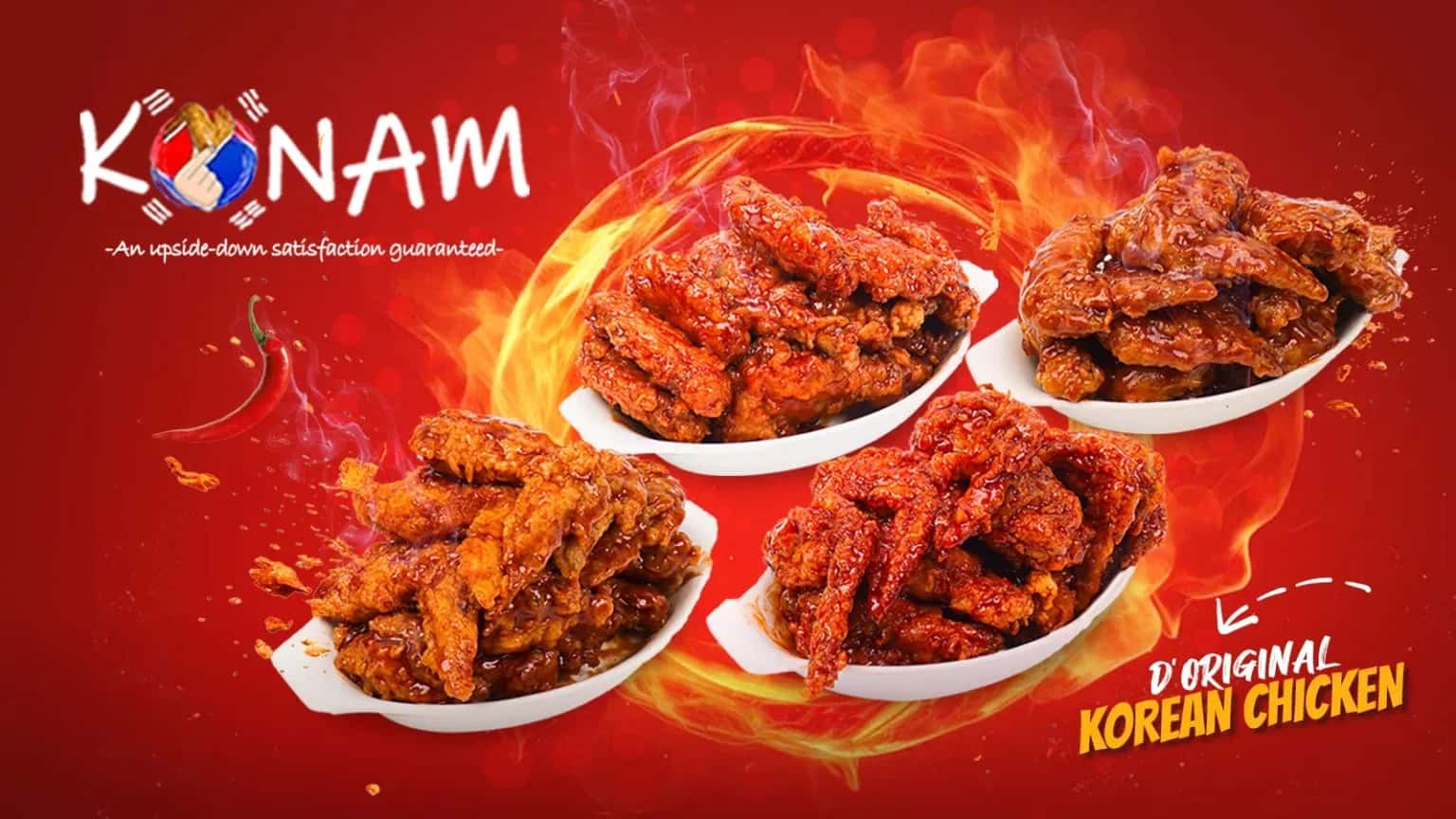
Konam, Minute Burger, Turks Shawarma
See brands
Coffee, milk tea, and cold drink shops.
From ₱17k
Zagu, Macao Imperial Tea, Barista Choi
See brands
Bread, cakes, and pastry shops.
From ₱17k
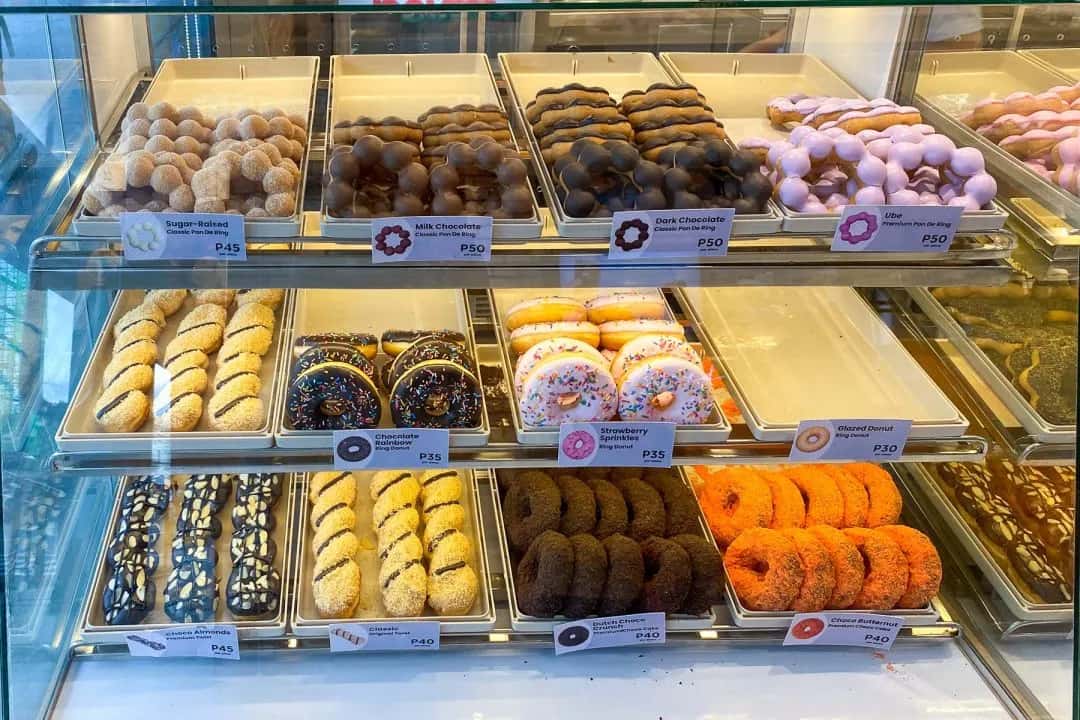
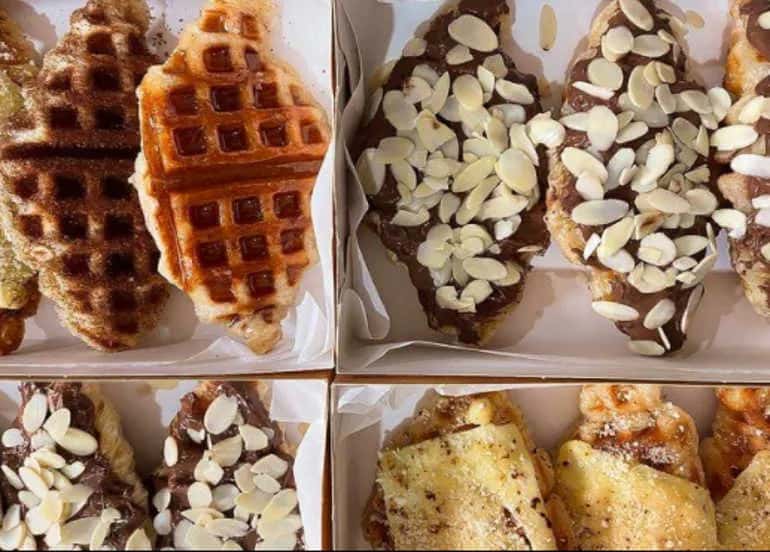
Waffle Time, Mister Donut, Red Ribbon
See brands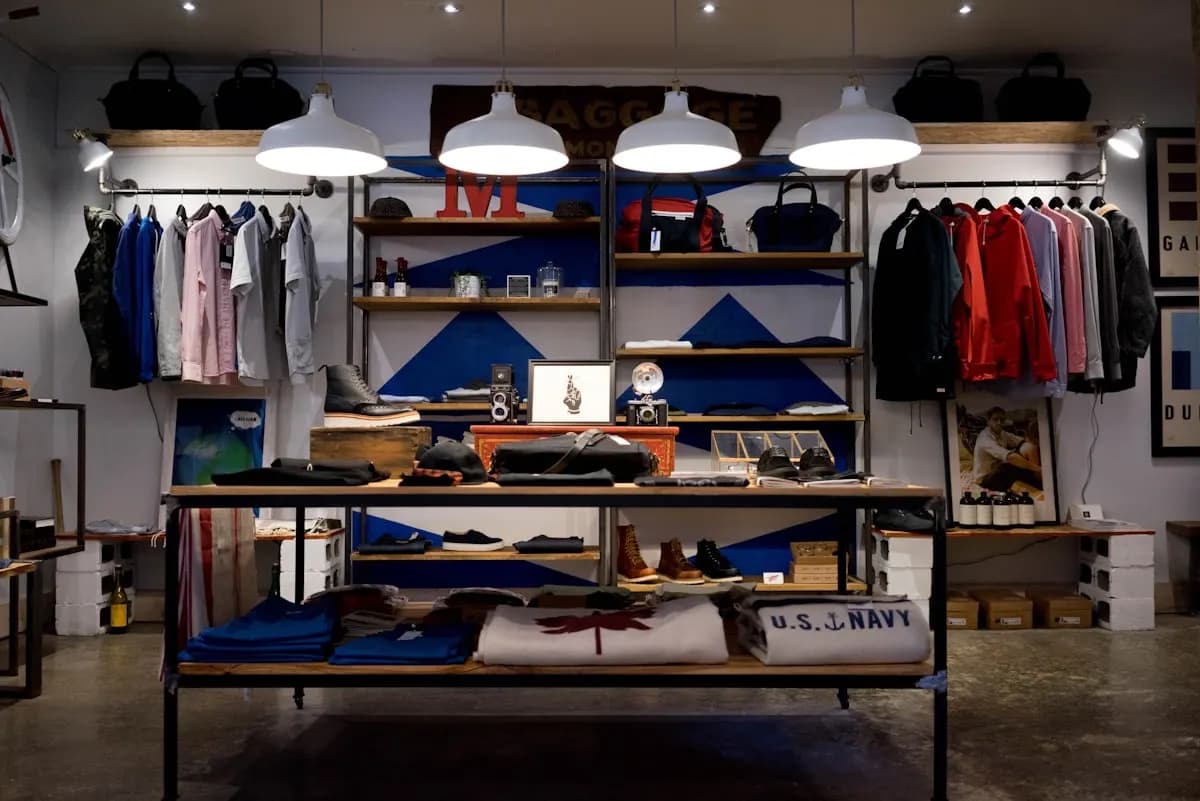
Mini marts and convenience stores.
From ₱300k
Folded & Hung, National Book Store Express (NBS Express), San Mig Food Avenue
See brands
From ₱20k
eTap Self-Service Payment Machine, M Lhuillier (ML Express), Palawan Express Pera Padala
See brands
Salons, barbershops, and spa services.
From ₱200k
Aficionado Germany Perfume, Nail Cocktales, Oryspa
See brandsGet honest answers on the space, staff and money this setup really needs, free and with no pressure.
Steady remittances make it easier for an OFW family to support a kiosk, and 297 franchises in Sulu offer this setup. If the business depends on money sent from abroad to cover early shortfalls, a job loss or contract gap overseas could leave the counter without backup. Agree with your family on a fixed amount the kiosk may draw from remittances, and plan how the business would survive if those transfers paused.
Putting a kiosk franchise in Sulu in motion takes ₱3k or more, with most people investing ₱80k to ₱2.5M, and that money stops earning anything safe the day you hand it over. Count that lost return as part of the cost. Check what the same amount would earn in a time deposit over a year, then ask whether the franchise can realistically beat it after rent, wages and your own hours. If the gap looks thin, a smaller package keeps more of your savings working safely while you learn.
Local income gives context to a fee of ₱50k to ₱500k for kiosks in Sulu. Compare the amount with what a typical household in your area saves in a year, and with what you personally can save. If the fee equals several years of saving, a lower priced option or a longer saving period may be wiser than reaching for a figure beyond your means.
Insurance is often overlooked in the 6 to 24 months payback franchisors quote for kiosks in Sulu. Fire, theft or equipment damage could wipe out months of profit if you are not covered. Ask what insurance the franchisor or landlord requires and get quotes from local providers. Including insurance in your monthly costs protects your investment and keeps a single bad event from setting your recovery back significantly.
In many families, running a kiosk franchise in Sulu day to day becomes a shared job, with someone opening and handling stock while someone else checks the cash and reports at night. That split can work well, but only if everyone agrees on roles. Misunderstandings at home tend to show up at the counter. Have a frank talk with your household about who does which daily task before you sign anything.
Franchisor support with location exists in many systems, though some franchisors push to open quickly, which can rush you into a spot that is merely available rather than right for a kiosk in Sulu. An outlet lives with its location for a long time, so it is fine to say no to a weak option. If you feel pushed, ask the franchisor to explain in detail why a suggested spot suits their concept, and walk away from any answer that sounds vague.
Where the training takes place shapes both its cost and its usefulness when you buy a kiosk franchise in Sulu. Some franchisors teach operations, products and staff routines at a central training center, others at an operating outlet, and some partly online. Ask whether any session can happen at your own outlet before opening, so your team learns using the exact equipment and space they will work in every day.
Your instincts matter, but they work well alongside evidence. If something about the franchisor feels wrong, write down exactly what it is and try to confirm or dismiss it through checks. Perhaps the office address does not exist, or the agent cannot name any franchisees in Sulu. Specific concerns can be verified, while a vague worry might fade once you look into it. Either way, you end up deciding about a kiosk based on facts rather than feelings.
If foot traffic around your kiosk is lower than expected, you may need to bring customers to you rather than waiting. Pop-up selling at events, delivery, partnerships with nearby offices or a stronger online presence can fill the gap in Sulu. Discuss these options with the franchisor early, since some restrict selling outside your approved site or require approval for delivery.
It helps to separate a bad location from a bad business when a kiosk in Sulu struggles. Your unit might fall short because of where it sits, while the same franchise does well elsewhere, and in that case relocation or a sale to a buyer with a better site may make more sense than closing. Ask the franchisor for performance comparisons across their units so you can see whether the problem is local or system-wide.
Compare how many franchises run as each kind of setup in Sulu, from food carts to full standalone stores.
The kiosk franchises with the smallest published starting packages, a good place to look if you want to start small.

Ice Cream & Desserts
Chicken & BBQ

Korean Street Food
Korean Street Food
Cakes & Pastries

Milk Tea & Boba
Takoyaki & Japanese Snacks
Pizza & Pasta
The kiosk franchises whose franchisors quote the shortest time to earn back the investment, worth checking against your own costs.
Payment & Remittance Center
Payment & Remittance Center

Juices & Shakes
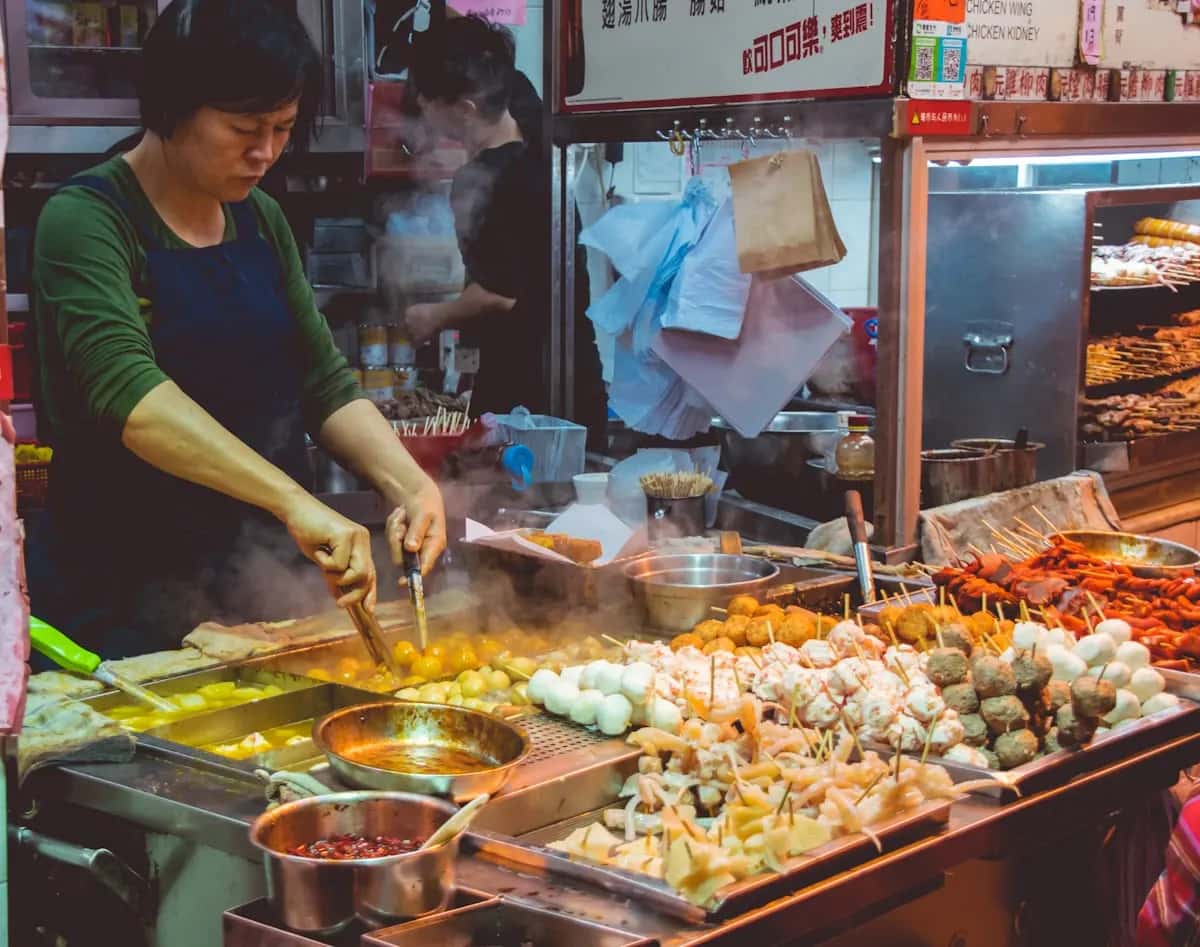
Street Food & Snacks
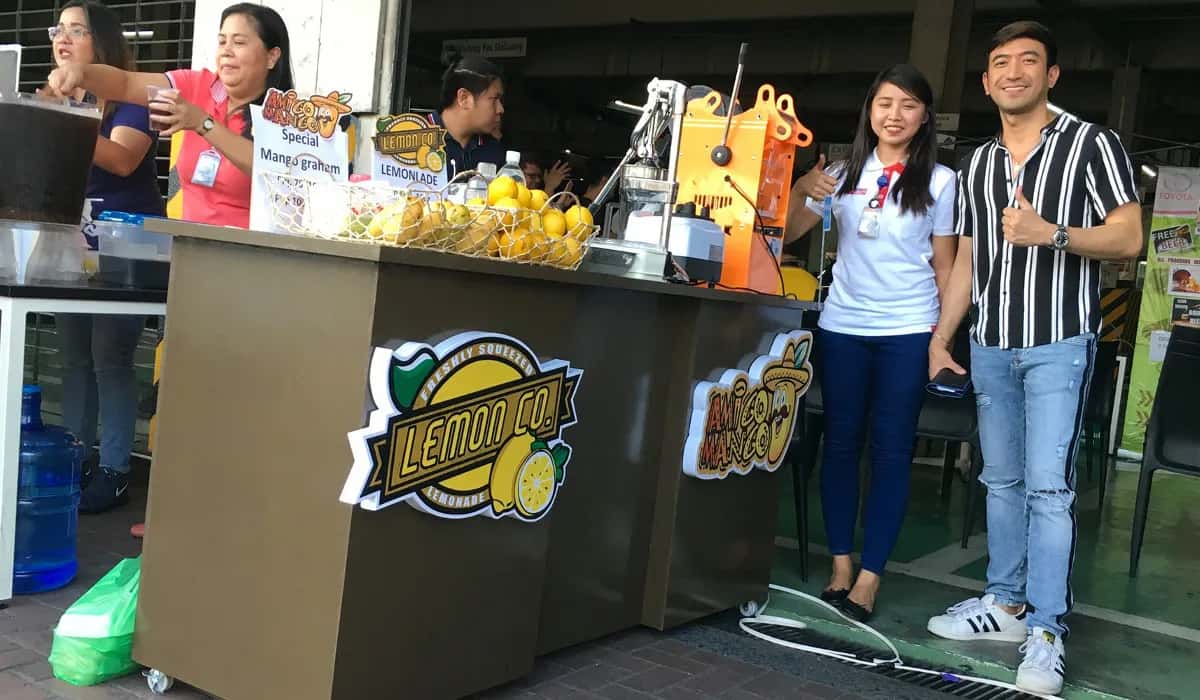
Waffle Shop
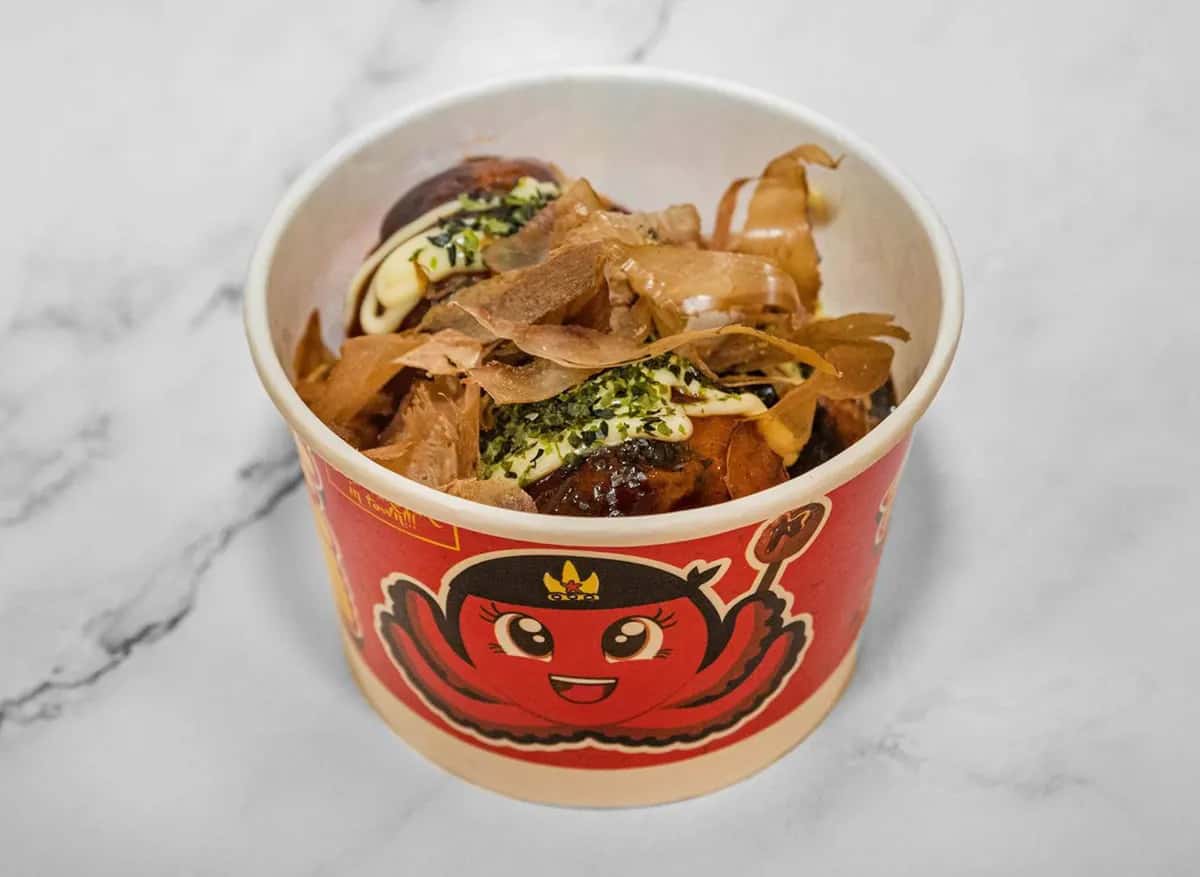
Takoyaki & Japanese Snacks
Street Food & Snacks
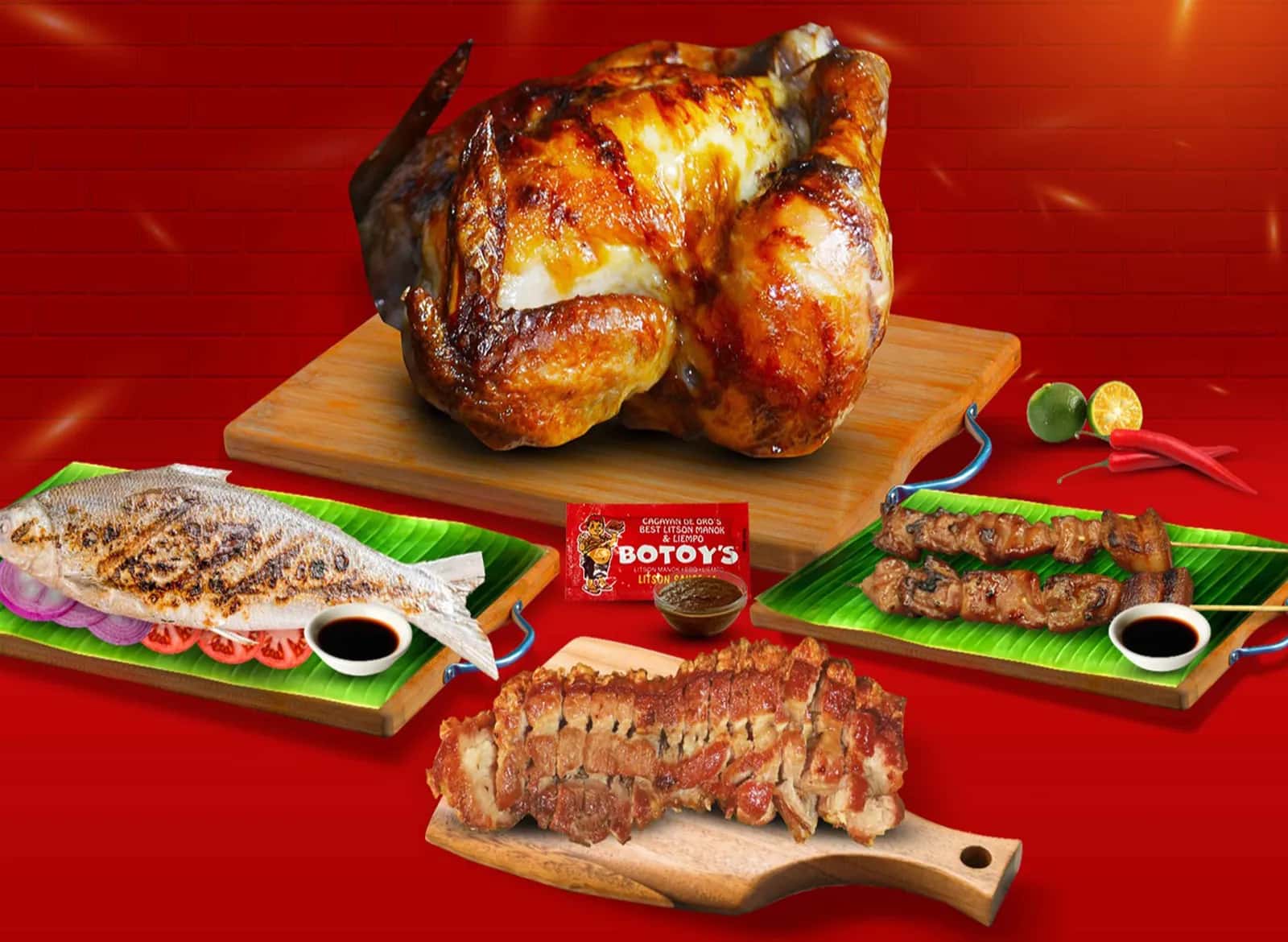
Chicken & BBQ
Kiosk franchises that charge no franchise fee, so more of your money goes into the setup itself.
Ice Cream & Desserts
Payment & Remittance Center
Takoyaki & Japanese Snacks

Payment & Remittance Center

Convenience Store

Payment & Remittance Center

Retail & Convenience

Coffee Shop
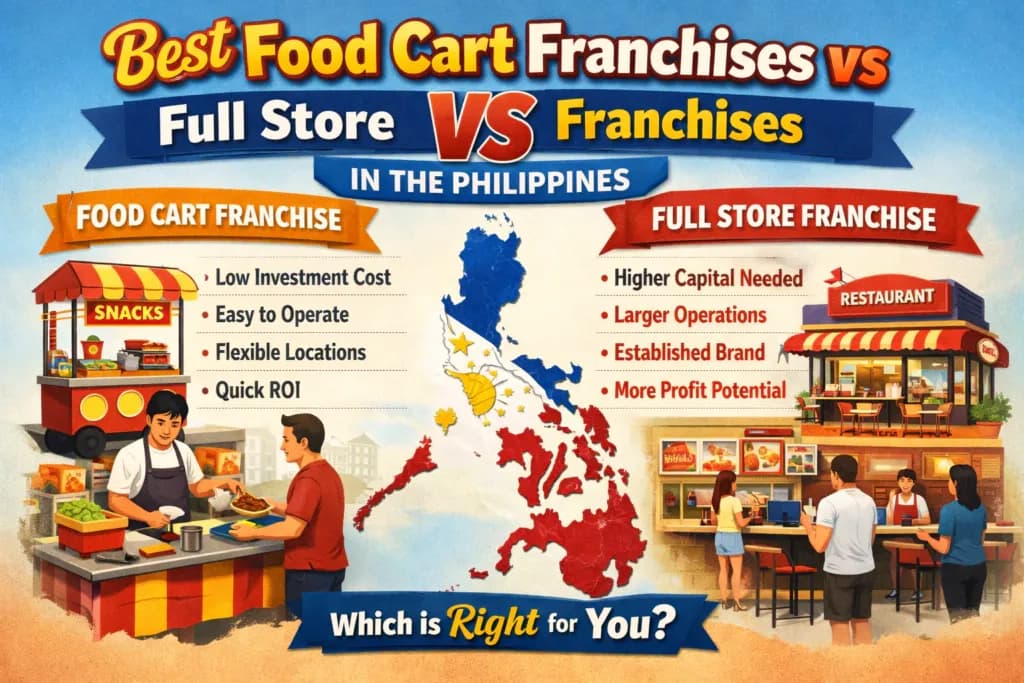
Learn how to choose between a food cart and a kiosk franchise in the Philippines by comparing costs, space, and target locations.
Aug 4, 2026 6 min read

Learn what brand voice covers, why a franchisor guards it so closely, and how to work inside those rules while still sounding like your own neighborhood.
Sep 30, 2026 4 min read
Learn how a franchise owner can collect honest customer reviews by asking at the right moment, making it easy, and handling the bad ones well.
Sep 30, 2026 4 min read