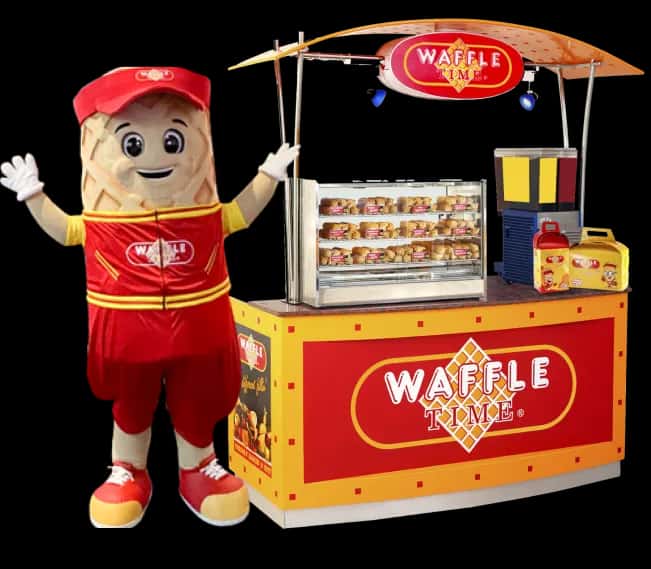
Waffle Time
Waffle Shop
- Franchise fee
- Not disclosed
- Total investment
- From ₱400k
🎁 Start Your 1 Month Free Trial of the Full Plan, Exclusively for Brands & Advisors.Get Started
Browse 217 food cart franchises in Naga, including 31 affordable franchise brands under ₱100k that pay back in 3 to 9 months, 171 medium-investment franchise brands between ₱100k and ₱1M that pay back in 10 to 18 months, and 10 premium franchise brands above ₱1M that pay back in 18 to 24 months.
Updated
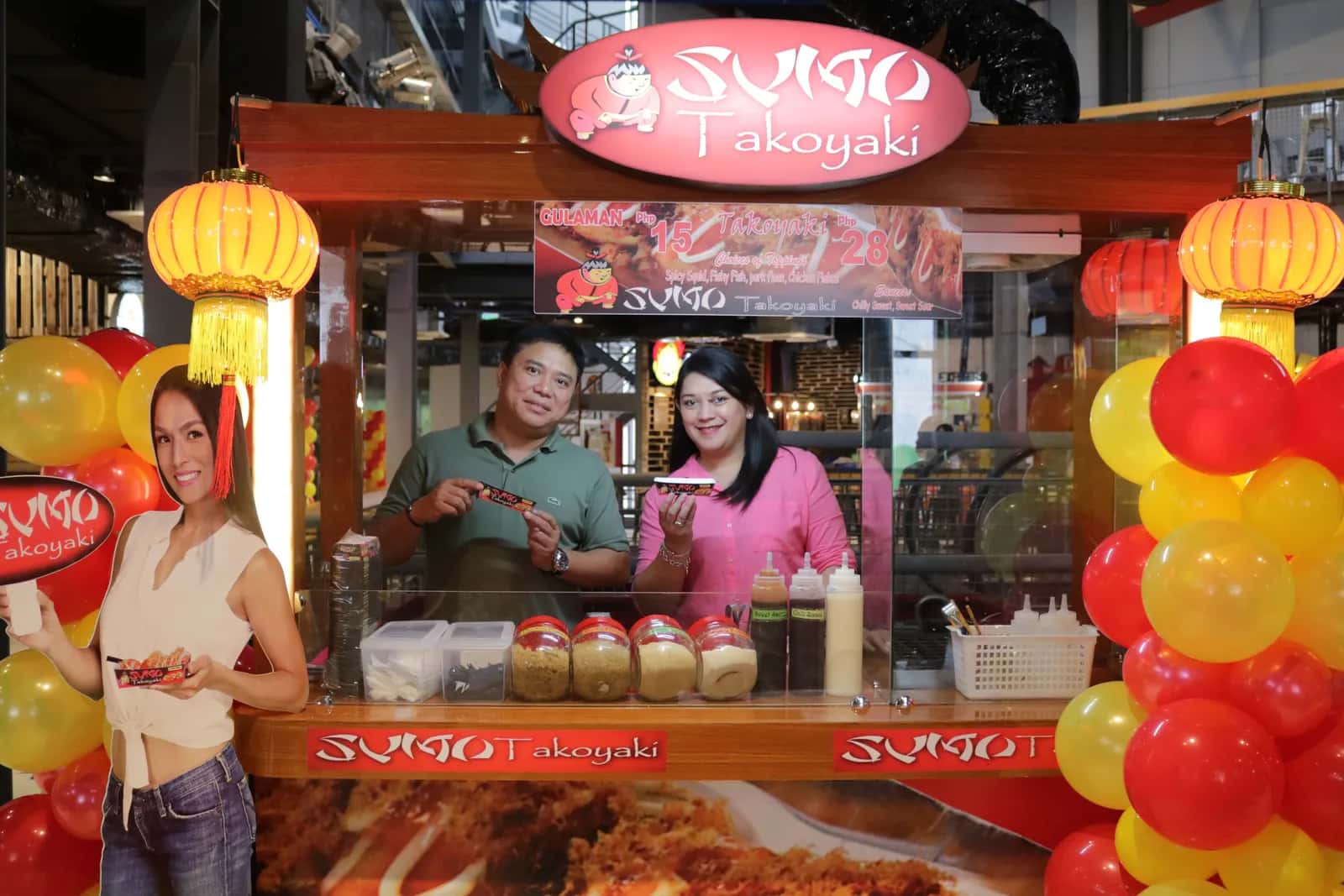
Takoyaki & Japanese Snacks
Visit a branch
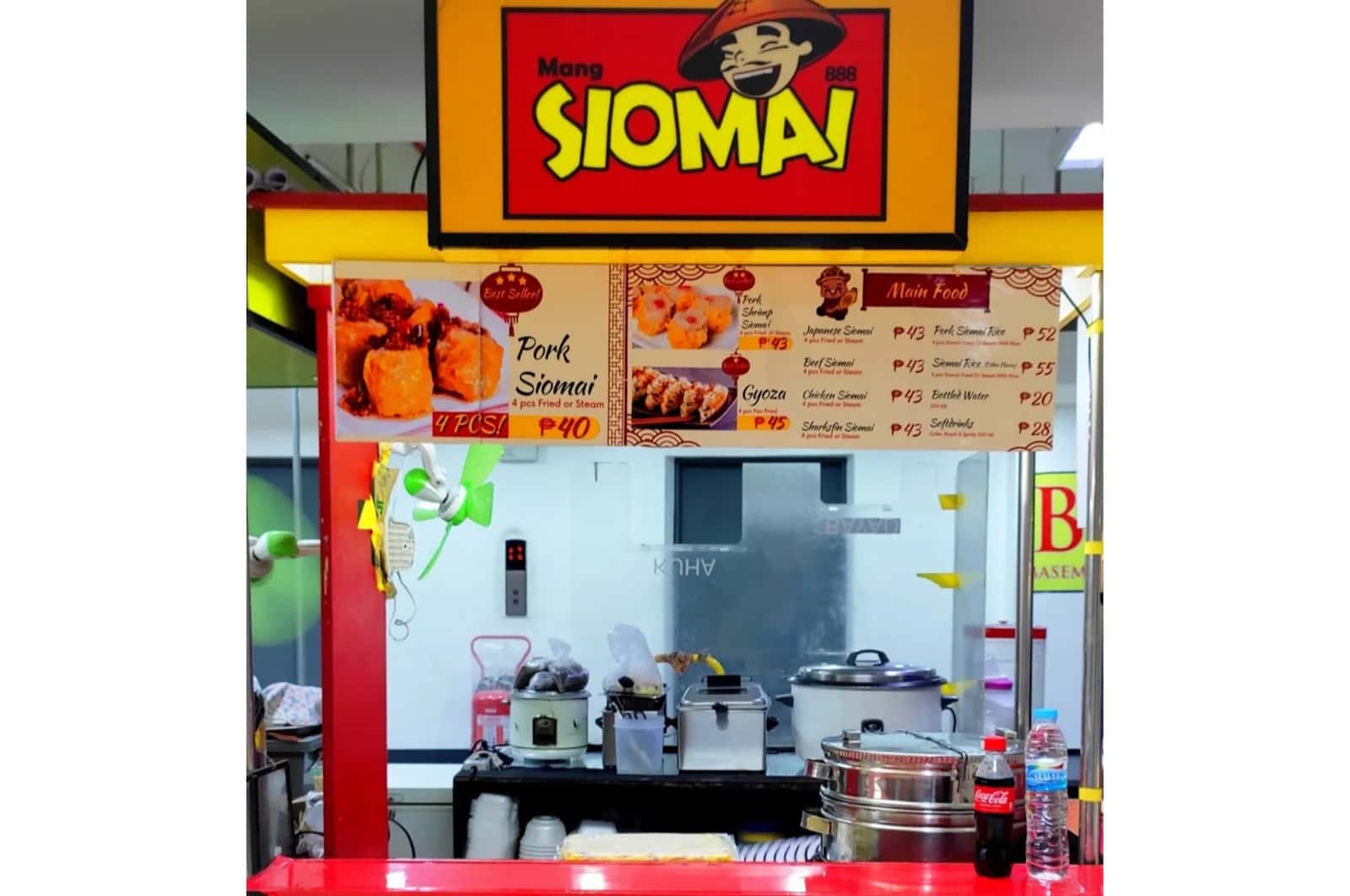
Siomai & Dimsum
Visit a branch

Juices & Shakes
Visit a branch
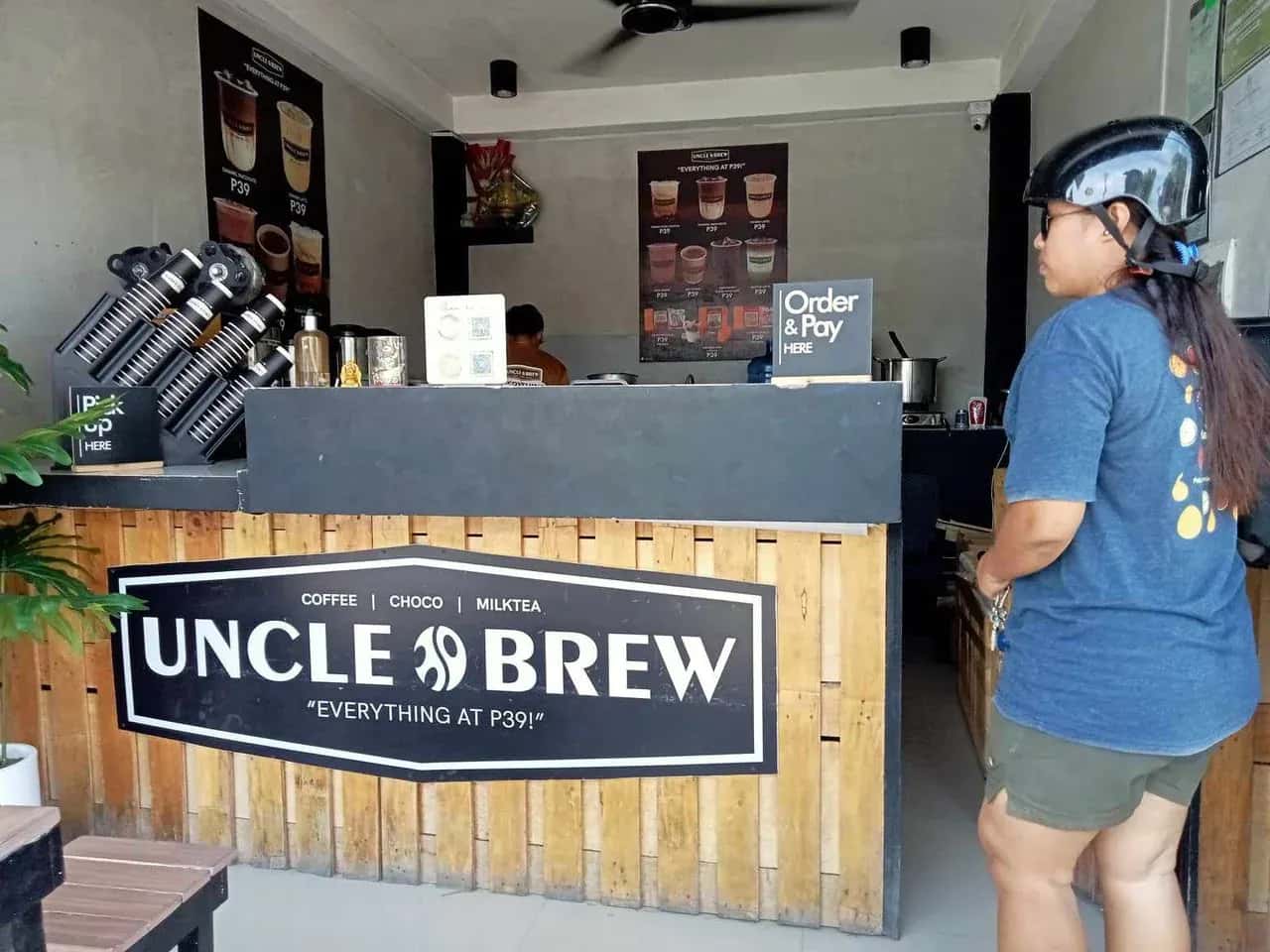
Coffee Shop
Visit a branch

Milk Tea & Boba
Visit a branch
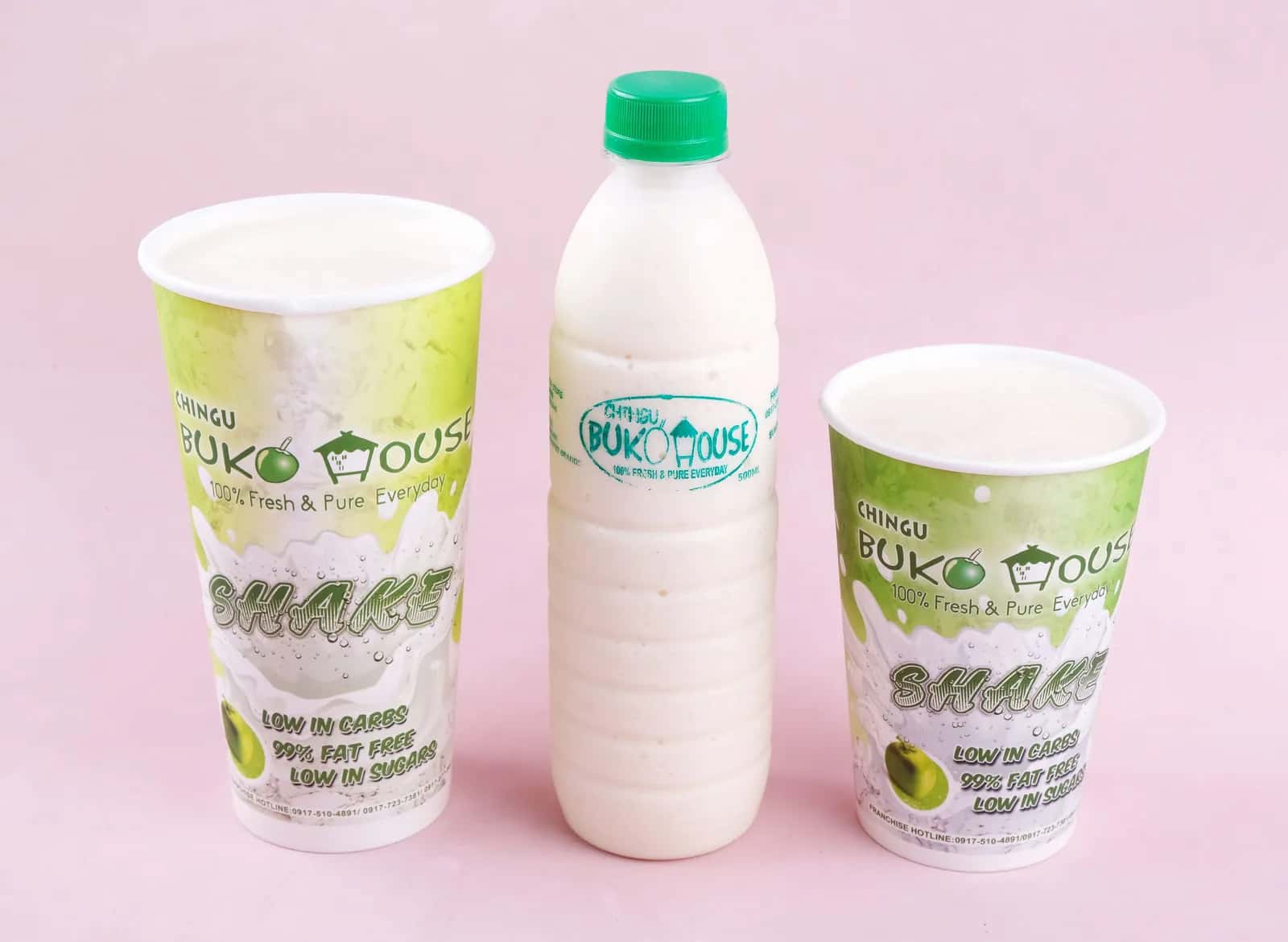
Juices & Shakes
Visit a branch
Showing 24 of 221 (217 in Naga, 4 nearby)
Naga has about 570 businesses on the map, from food and drink to shops, services and clinics. Check what already operates near the spot you have in mind.
Population
133,1842020 census
Per 10,000 residents
43businesses we track
Business locations are based on Overture Maps open data (October 21, 2026 release) and do not represent a complete census of all businesses.
Naga, Cebu is an industrial town in Cebu province, long tied to limestone quarrying and cement production rather than a retail-heavy core. A food cart here works as a low-cost way to test that local foot traffic before committing further. Entry starts around ₱150,000 and runs up to about ₱3.8M for a fuller build. Fees range from ₱50,000 to ₱365,000, and payback typically takes eight to eighteen months. The local presence in this format stays modest, so a new cart here is not stepping into a crowded field.
An industrial town built around quarrying and cement production runs on shift patterns rather than mall-style crowds. Workers, drivers, and small traders move through fairly fixed hours, and a cart placed near that flow can do steady business without needing a retail-style location. The format mix here leans toward permanence more than most cart markets. Well over half of the brands offering a cart also offer an inline storefront version, a notably higher share than what shows up in most places. That suggests operators here often plan to move a proven cart into a fixed storefront once a spot earns its keep, rather than treat the cart as the final form of the business. Nearly every brand also lists a kiosk build, giving a middle step between the two. For someone starting out, this means the cart stage can work as a trial run for the corner rather than a permanent commitment, with room to grow into something sturdier already built into how brands package this format here.
Entry at this level starts around ₱150,000, already covering more than a bare minimum cart and stock. A fuller build, with more equipment and stronger backing, climbs toward ₱3.8M. Fees start near ₱50,000 and reach roughly ₱365,000 for the setups with more support and training built in. That gap in the fee gives a fair sense of how much backing an operator gets before opening day. Payback tends to run between eight and eighteen months. That longer runway fits an industrial town, where trade builds steadily around shift changes rather than in a sudden rush. Someone with ₱150,000 to start already has a real option here. Someone with a few million more can aim straight for the inline version instead of starting smaller and upgrading later. Either way, the money at this level buys time to learn the corner properly before deciding whether to grow further.
The first year in a town like this follows the rhythm of shift work rather than weekend spikes. Trade picks up around shift changes at nearby plants and job sites, and a cart timed to those hours does better than one open on a generic retail schedule. Working capital needs to stretch through slower stretches between shift changes, since the daily flow is not as constant as in a busier commercial strip. Staffing is usually light, often one person running the cart with occasional help during the busiest hours. Rent for a fixed spot is a smaller cost than in a denser commercial area, which helps offset the higher entry price at this level. Weather and activity at nearby plants can shift daily traffic more than a first-timer expects, so flexibility in hours matters. Reaching payback inside the eight to eighteen month window depends on locking down a spot near where workers actually pass, not just a visible corner.
Weighed against the nationwide pattern for this format, entry money in Naga, Cebu sits toward the higher end of the range rather than the lowest rung, where the lightest carts nationwide start around ₱3,000. The upper local figure still falls inside the widest nationwide numbers, which stretch past ₱7M for the biggest builds. Where this town stands out is the format mix. Nationwide, less than a quarter of brands offering a cart also offer an inline storefront, while here that share climbs past half. That gap says something real about how this local market works. A cart is less often the end goal and more often a stepping stone toward a permanent counter. Fees nationwide can reach as high as ₱1.5M for the most built-out setups, well above what the local figures reach at their highest. That leaves room to grow within the format itself before an operator here would need to look at a bigger investment altogether.
Now that you've seen what's here, a real advisor can help you shortlist and weigh the options against your budget. Free, at your pace.

Financing Readiness · Site Selection

Franchise Agreements · Multi-Unit Expansion

Low-Capital Startups

Low-Capital Startups · Site Selection
Are you a franchise advisor?Get your own workspace here
Choose an industry to see all of its franchises in Naga, with their fees and investment ranges.

Carts, kiosks, and full restaurants.
From ₱3k
Konam, Minute Burger, Turks Shawarma
See brands
Coffee, milk tea, and cold drink shops.
From ₱17k
Zagu, Barista Choi, CLT Cafe
See brandsGet honest answers on the space, staff and money this setup really needs, free and with no pressure.
Together the price groups 31 affordable, 171 medium-investment and 10 premium franchises account for 217 food cart franchises recruiting in Naga. Each group is a rough size of commitment, so choosing a group is really choosing how large a business you want to start. Choose that first, using your savings as the guide. Then compare only inside the group, where listings are similar enough for differences in product and terms to show clearly.
Night shift workers from call centers can keep a food cart busy long after midnight, and in Naga the franchises offering carts total 217. That crowd tends to be steady on weekdays and often wants coffee, rice meals or warm snacks during breaks. It also means late hours, crew safety concerns and permission from the building owner to operate overnight. Ask the building administrator what hours vendors may keep, then decide whether you or a trusted crew member can realistically cover those shifts week after week.
Checking the franchisor's own operations can help you trust or question the 6 to 18 months payback quoted for a food cart franchise in Naga. A franchisor that runs some branches itself has real sales and cost data behind its estimate, while one that only sells franchises may be relying on guesses. Ask whether they operate any outlets of their own, how long those have been open, and whether they will share how those outlets performed. Firsthand experience makes their projections far more believable.
Franchisors offering food cart franchises in Naga come from food & beverage with 166 franchises, coffee & milk tea with 33 and bakery & pastry with 16, and the smaller groups on that list deserve a look alongside the larger ones. A smaller industry can mean less direct competition for the same buyers, though customers may need time to get used to the product. A larger industry offers familiarity and more franchisors to choose from. Neither is better for everyone, so decide which trade matters more to you.
Look at it from the franchisor side. With Naga showing 217 food cart franchises and Bogo with 217, Carcar with 217, Cebu City with 223 and Danao with 217 showing a similar figure, each franchisor decides how many partners to place in an area. Ask how many they would accept in your city and how they decide the spacing between outlets. A franchisor that limits the number protects each partner, while one that allows many risks crowding the market, and the limit matters more than the count.
Inspecting the data, Naga shows 570 businesses in services with 153, food and drink with 123 and shops and retail with 107 categories, with unlisted sellers still out there. Think about how the count would shift if you widened or narrowed the area. A larger radius adds more businesses but also more distant ones that hardly affect you. Pick a radius that matches how far your customers would really walk or ride, and count only inside it.
Once you have an approved site, the rest of the time to open a food cart franchise in Naga depends mainly on permits and fit-out. These two stages often run side by side, and each can affect the other if inspectors ask for changes to the physical setup. Ask the permit office what inspections apply to your type of business before your contractor begins, so the fit-out is built to pass the first time.
It depends on the franchisor, because each writes its own contract term, and that includes the agreement for a food cart franchise in Naga. If you are unsure whether a term is reasonable, compare it with other franchises offering food carts so you have a point of reference. Seeing several agreements side by side quickly shows you which terms, renewal rules and exit clauses are fair and which are unusually strict.
An honest answer is that rent for a food cart franchise in Naga could range from modest to steep, and the only way to pin it down is to look at actual spaces. Asking prices often have room for negotiation, so they are a starting point rather than a final number. Make a list of at least a handful of spaces, record their terms side by side, and use the comparison to set a target you can defend.
Compare how many franchises run as each kind of setup in Naga, from food carts to full standalone stores.
Compare how many food cart franchises take franchisees in each place, nearest first.
The food cart franchises with the smallest published starting packages, a good place to look if you want to start small.

Ice Cream & Desserts

Chicken & BBQ
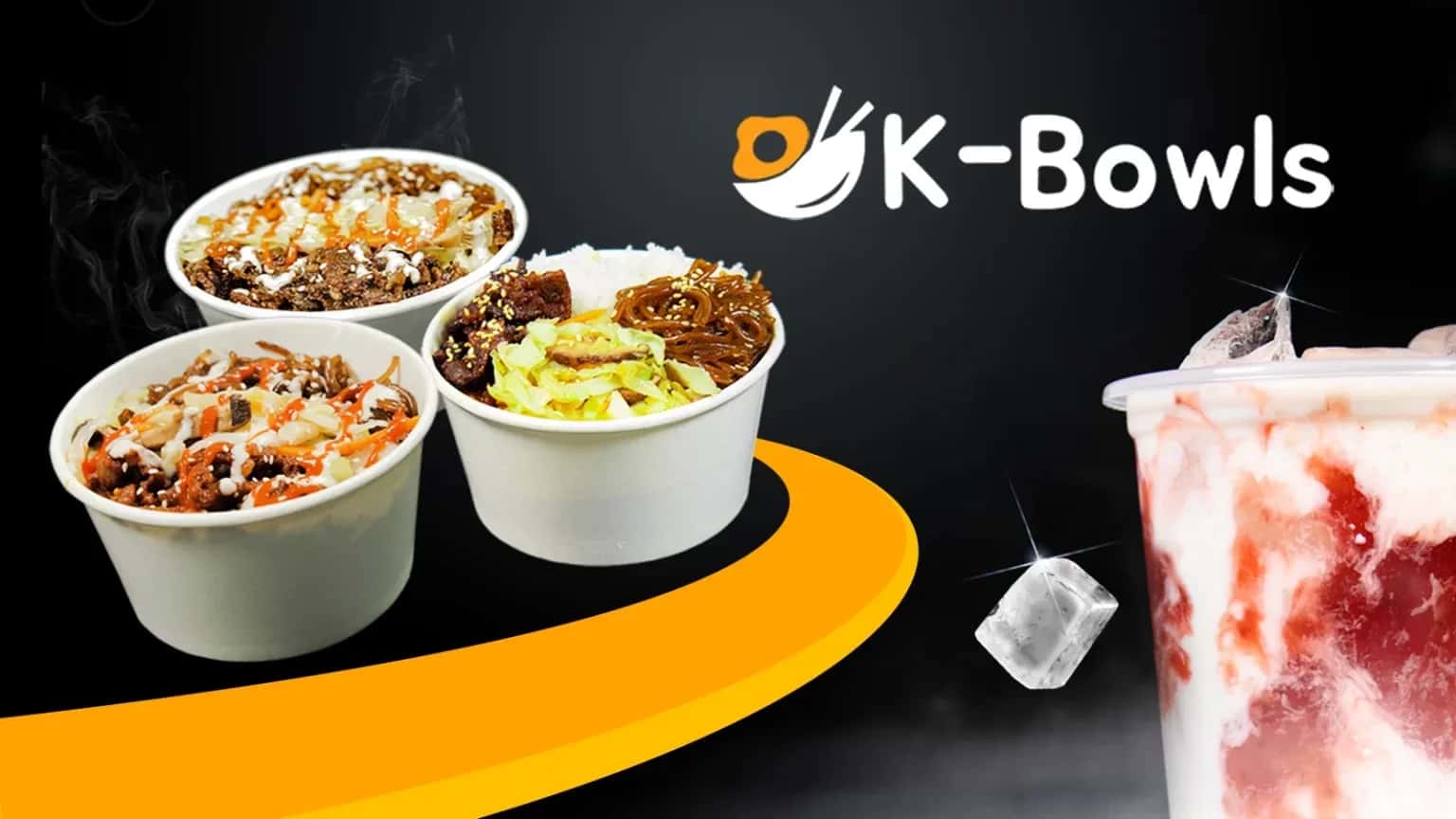
Korean Street Food
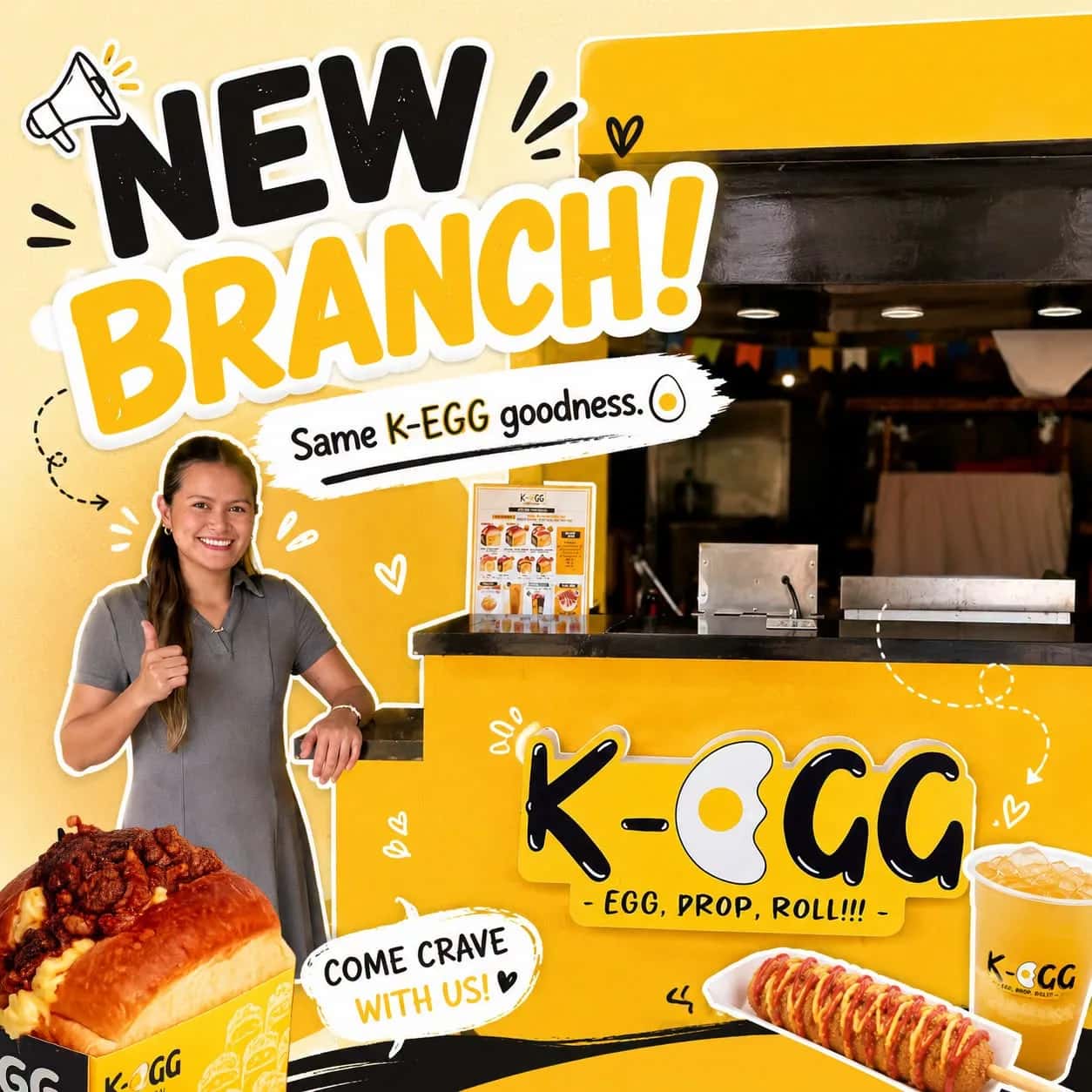
Korean Street Food
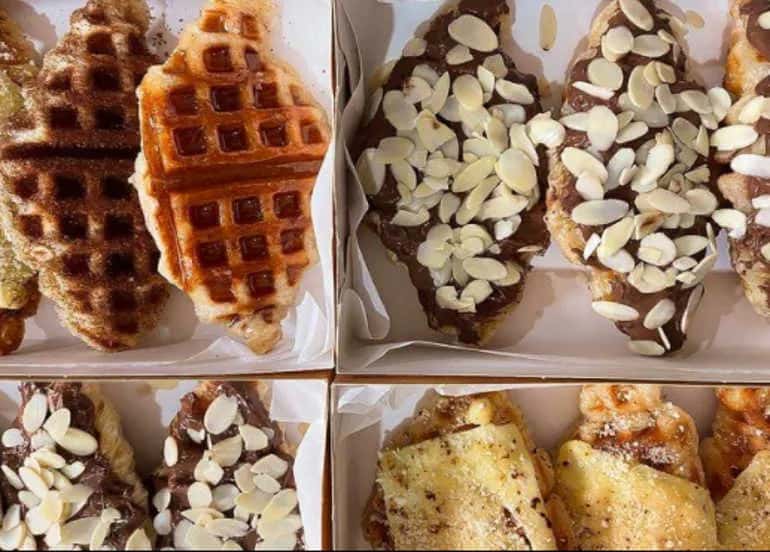
Cakes & Pastries

Milk Tea & Boba
Takoyaki & Japanese Snacks
Pizza & Pasta
The food cart franchises whose franchisors quote the shortest time to earn back the investment, worth checking against your own costs.

Juices & Shakes
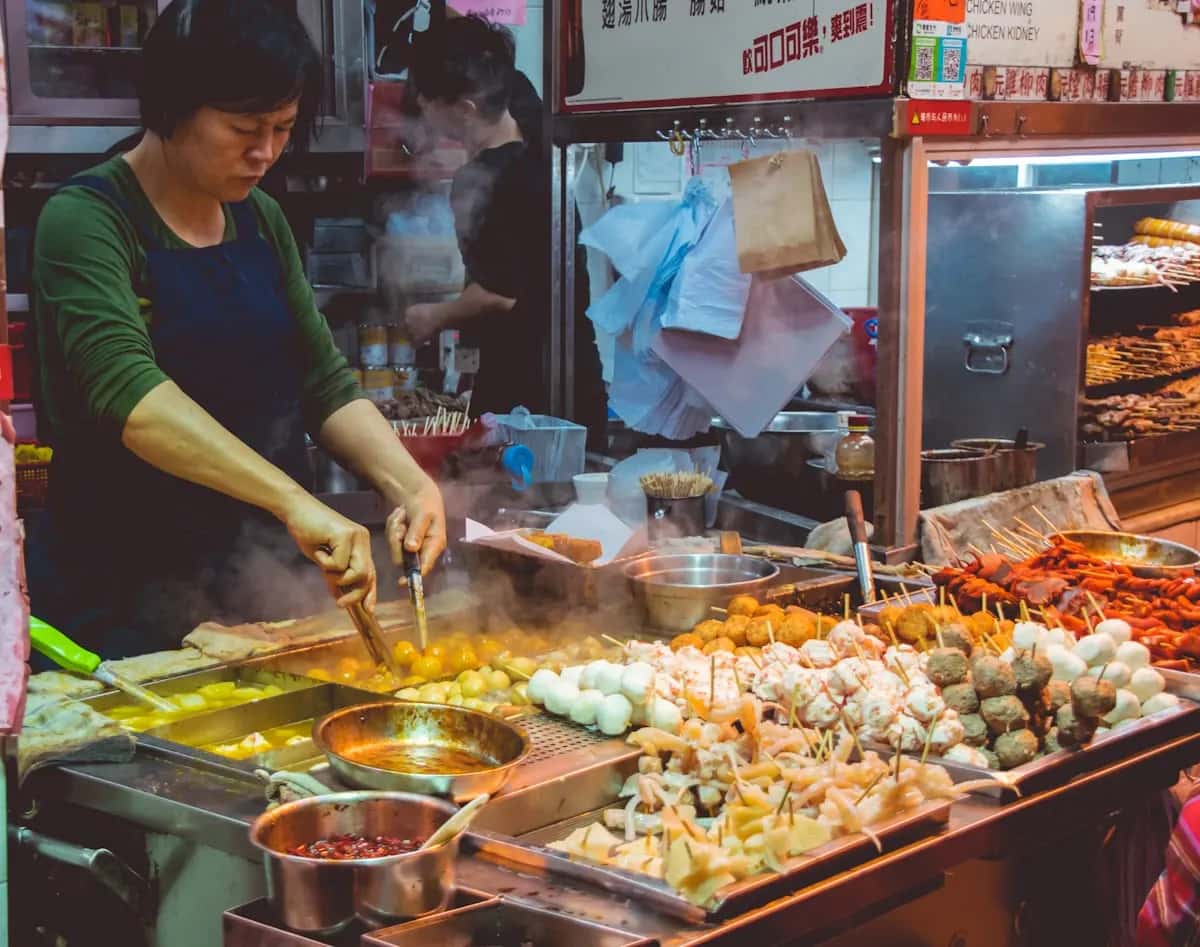
Street Food & Snacks
Waffle Shop
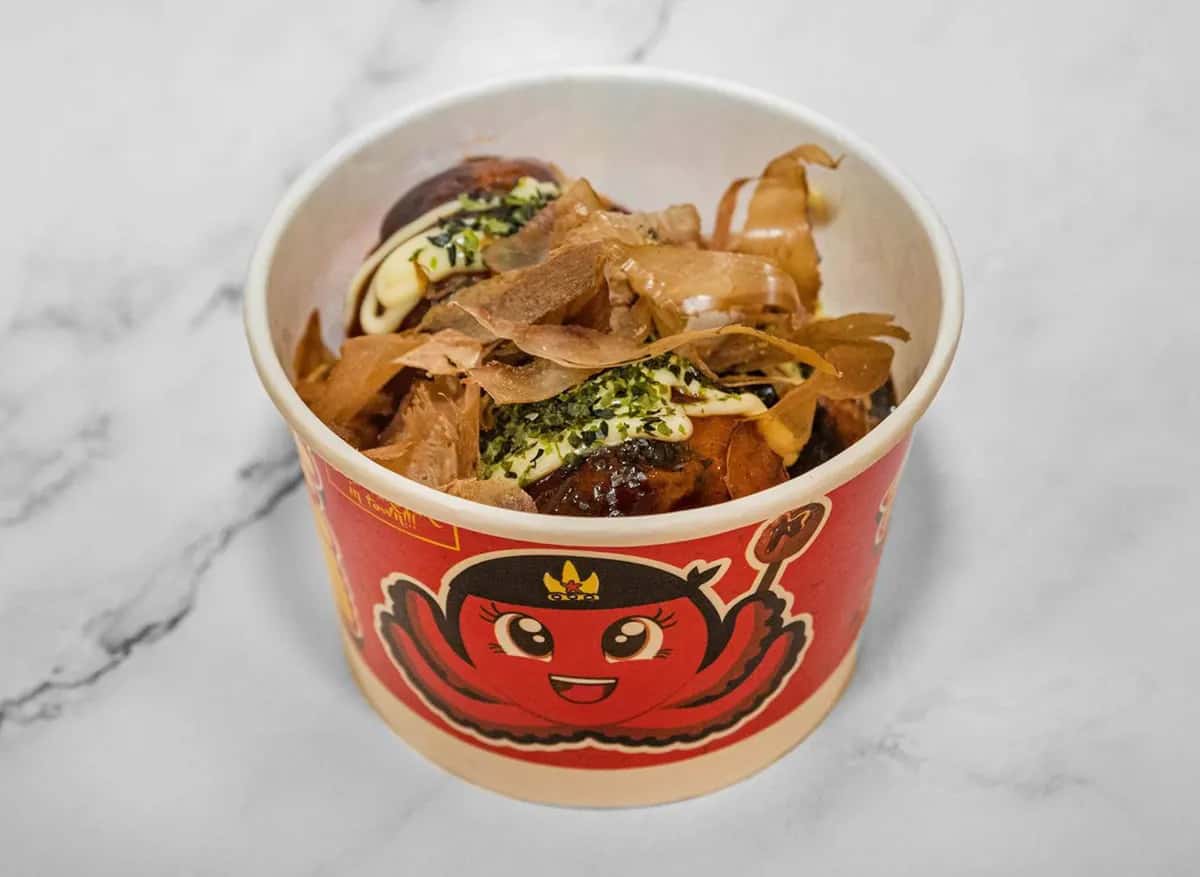
Takoyaki & Japanese Snacks
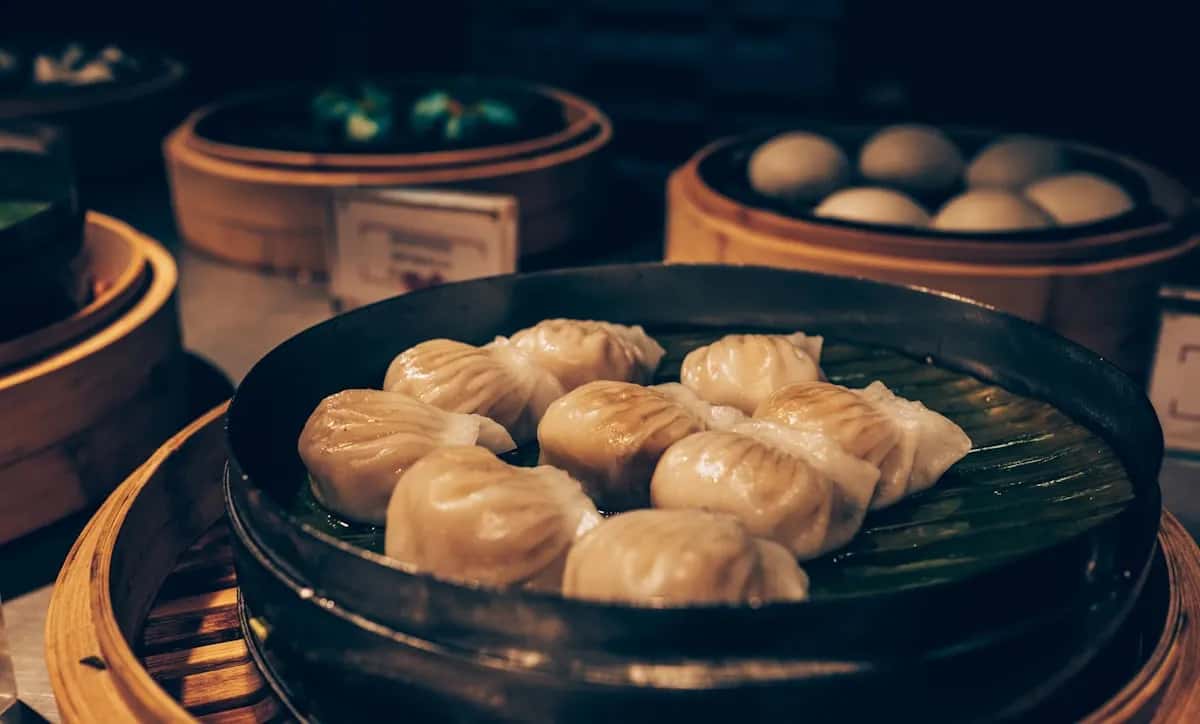
Siomai & Dimsum
Street Food & Snacks
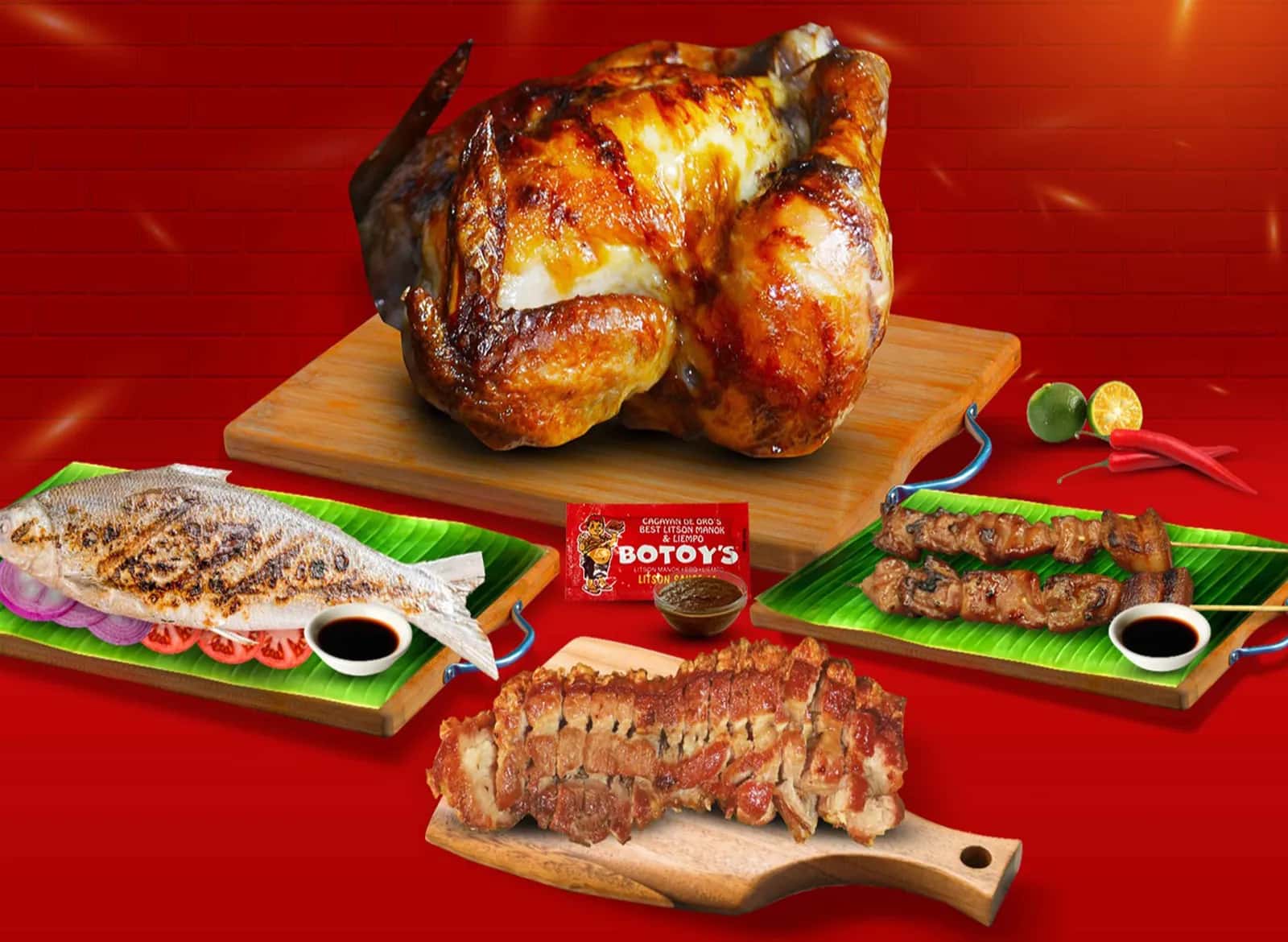
Chicken & BBQ
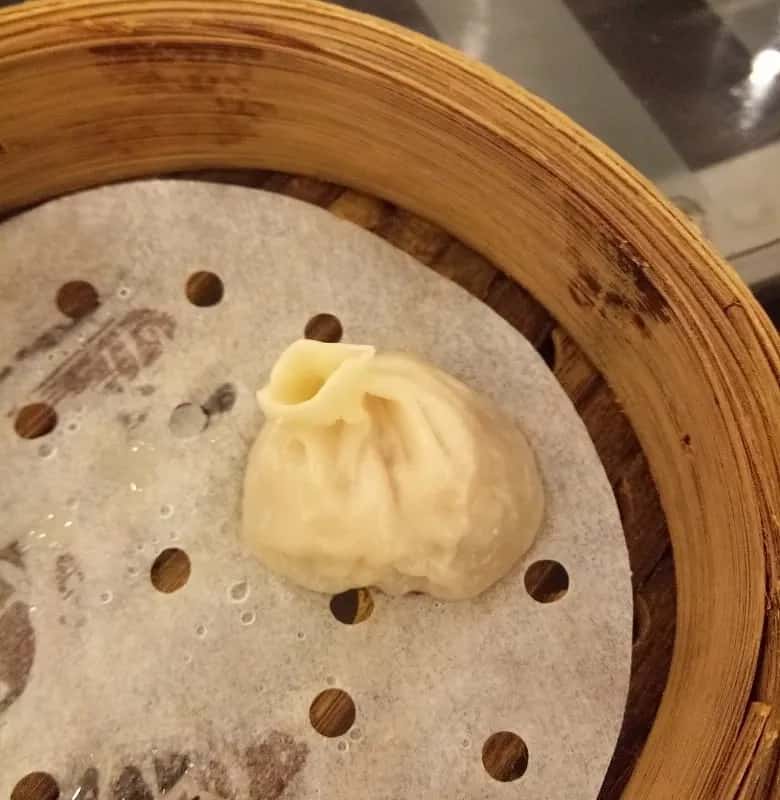
Siomai & Dimsum
Food Cart franchises that charge no franchise fee, so more of your money goes into the setup itself.

Filipino Restaurant
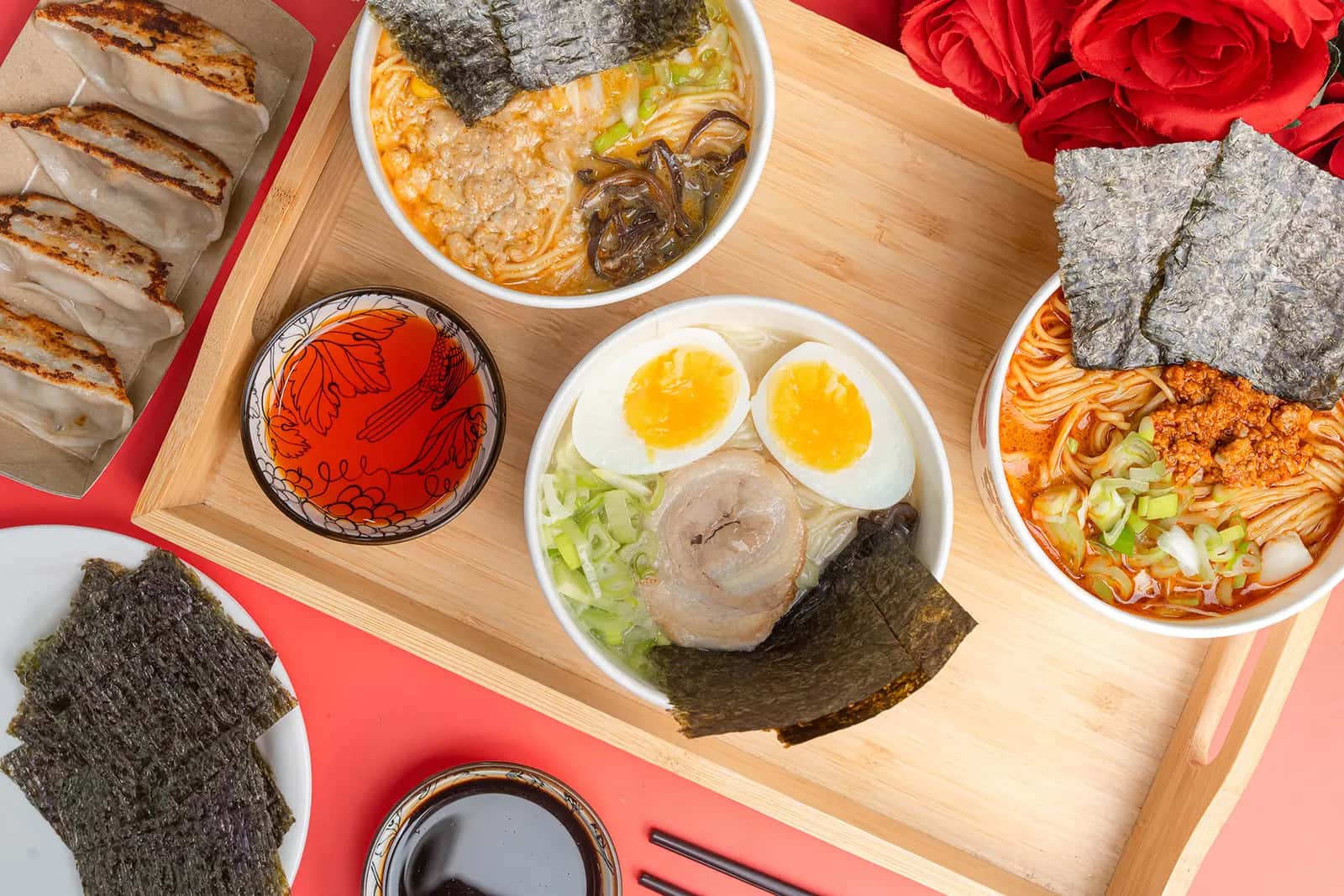
Takoyaki & Japanese Snacks

Ice Cream & Desserts
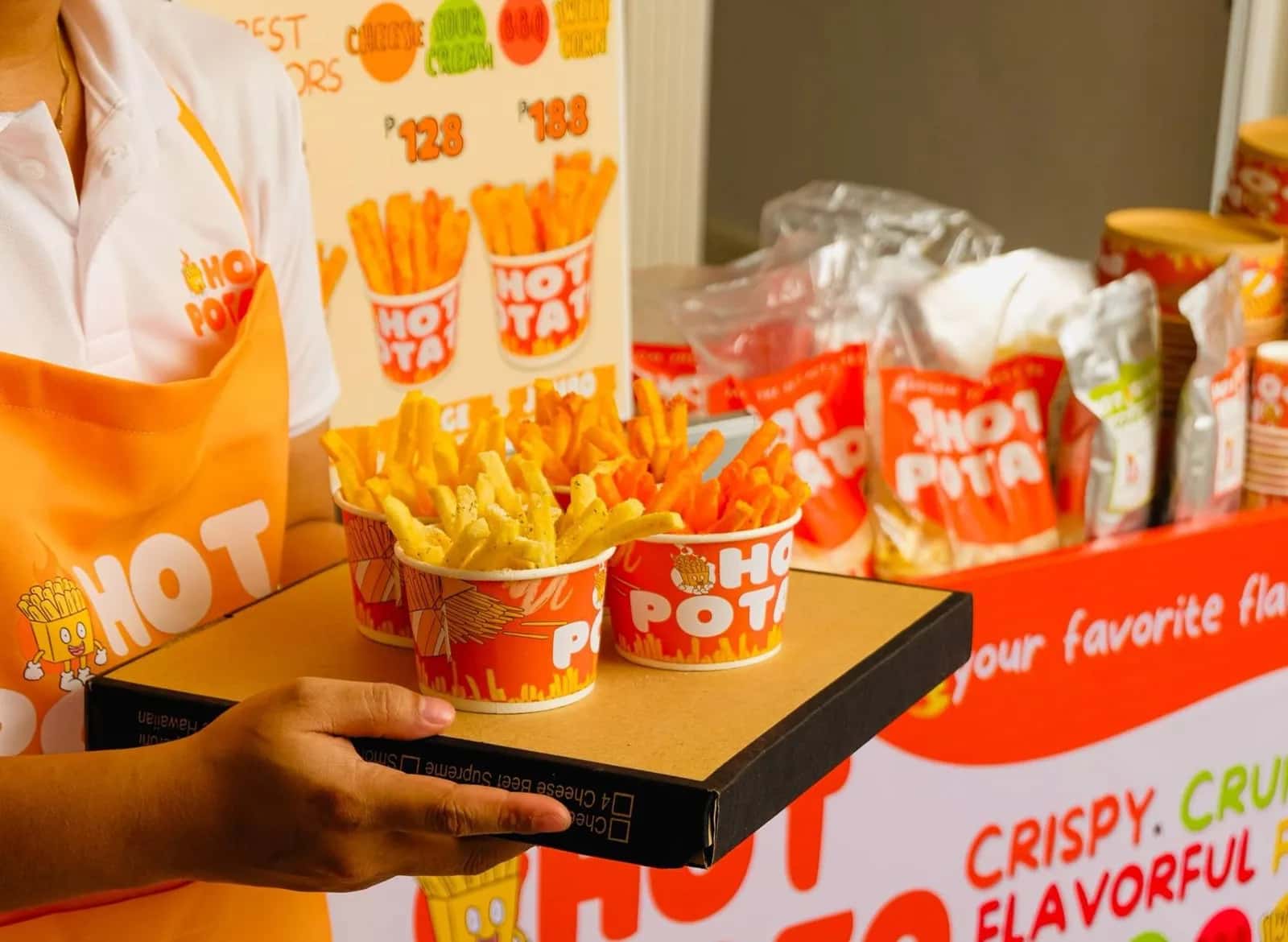
Fries & Potato Snacks
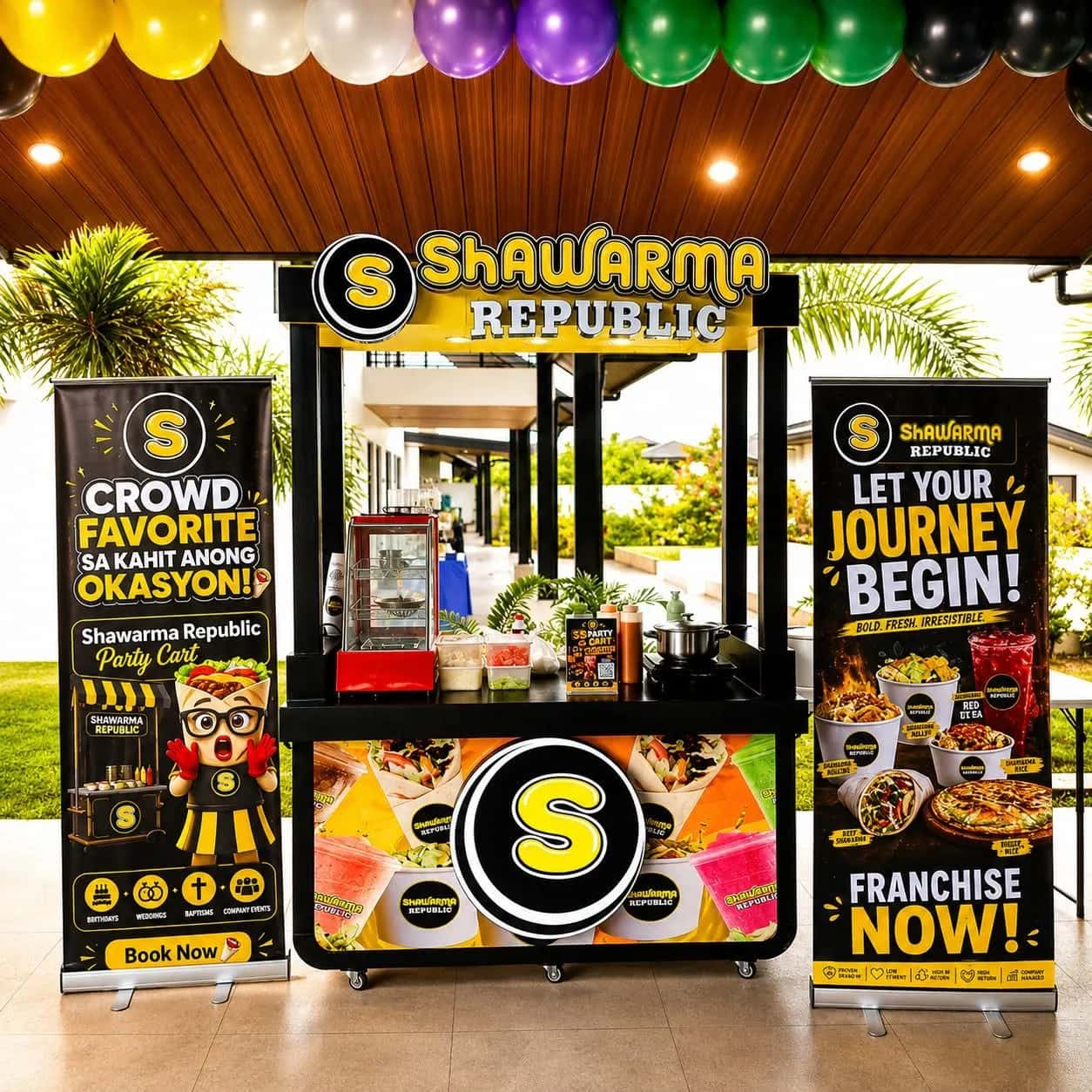
Shawarma
Juices & Shakes
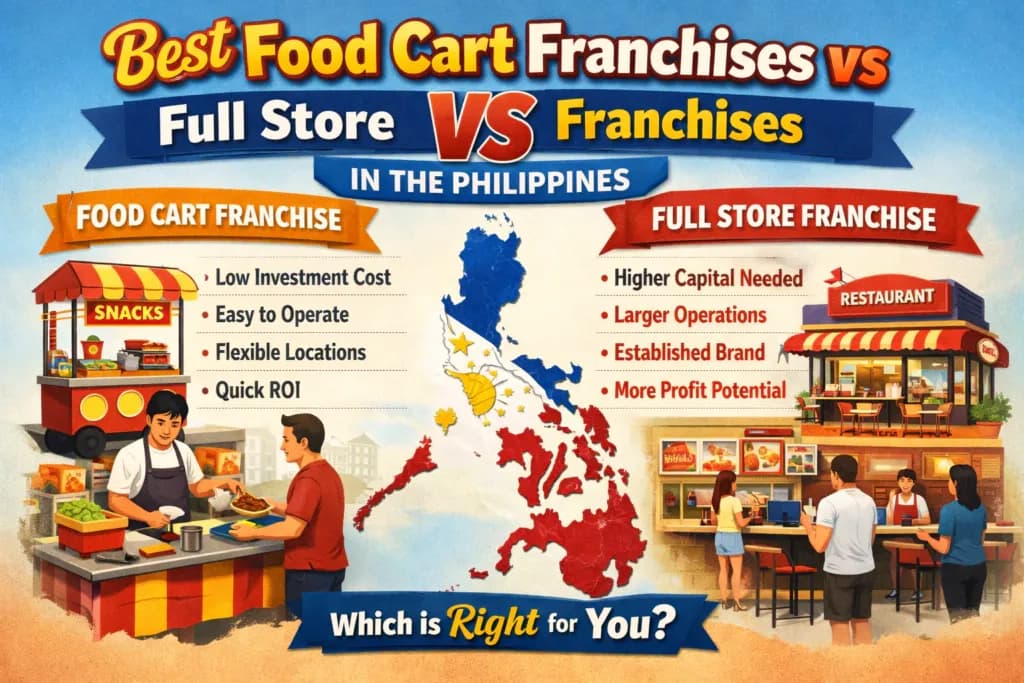
Learn how to choose between a food cart and a kiosk franchise in the Philippines by comparing costs, space, and target locations.
Aug 4, 2026 6 min read

Learn what brand voice covers, why a franchisor guards it so closely, and how to work inside those rules while still sounding like your own neighborhood.
Sep 30, 2026 4 min read

Learn how a franchise owner can collect honest customer reviews by asking at the right moment, making it easy, and handling the bad ones well.
Sep 30, 2026 4 min read