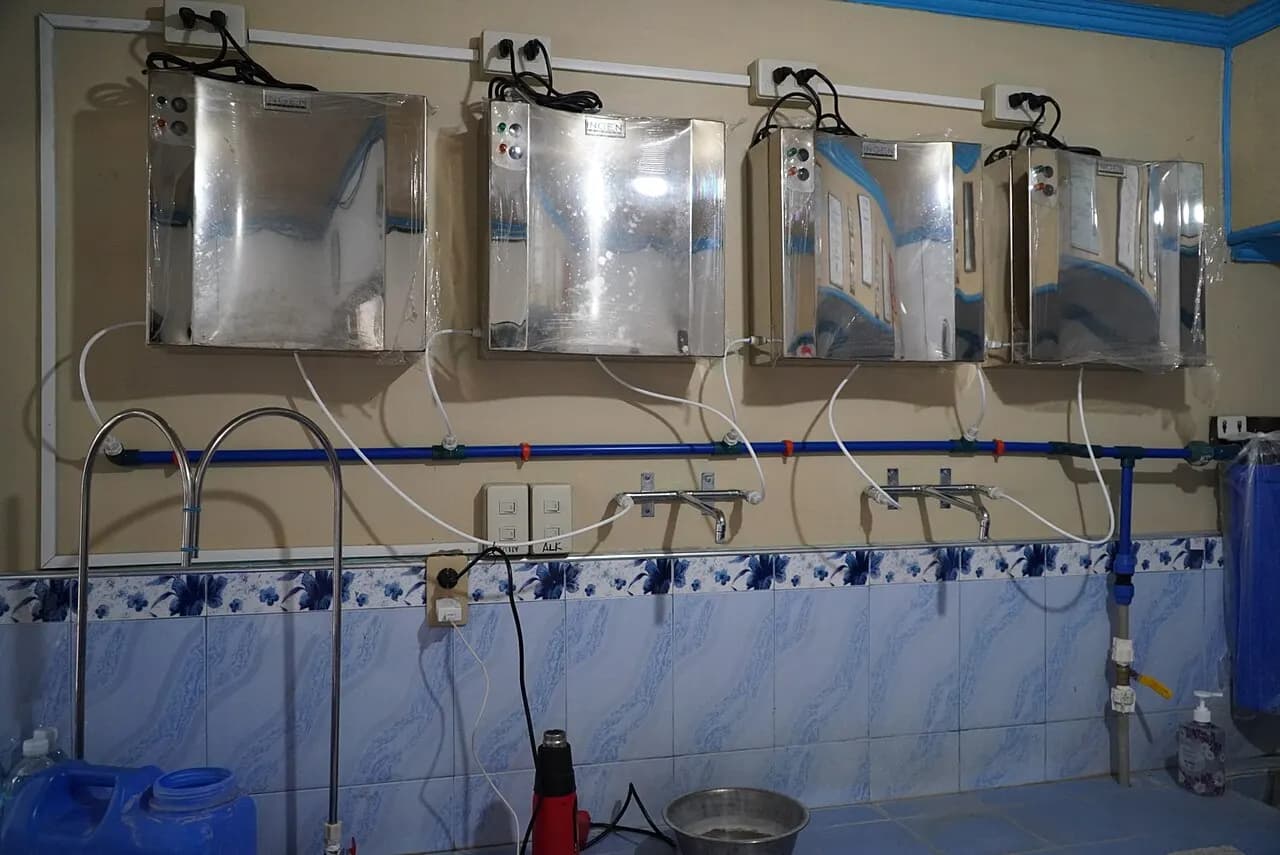
Hero Sausages
Street Food & Snacks
- Franchise fee
- ₱150k
- Total investment
- ₱250k–₱450k
🎁 Start Your 1 Month Free Trial of the Full Plan, Exclusively for Brands & Advisors.Get Started
Browse 26 franchises up to ₱500k in Palayan, with investments from ₱450k to ₱500k, franchise fees mostly between ₱63k and ₱150k, and most paying back in 12 to 18 months.
Updated
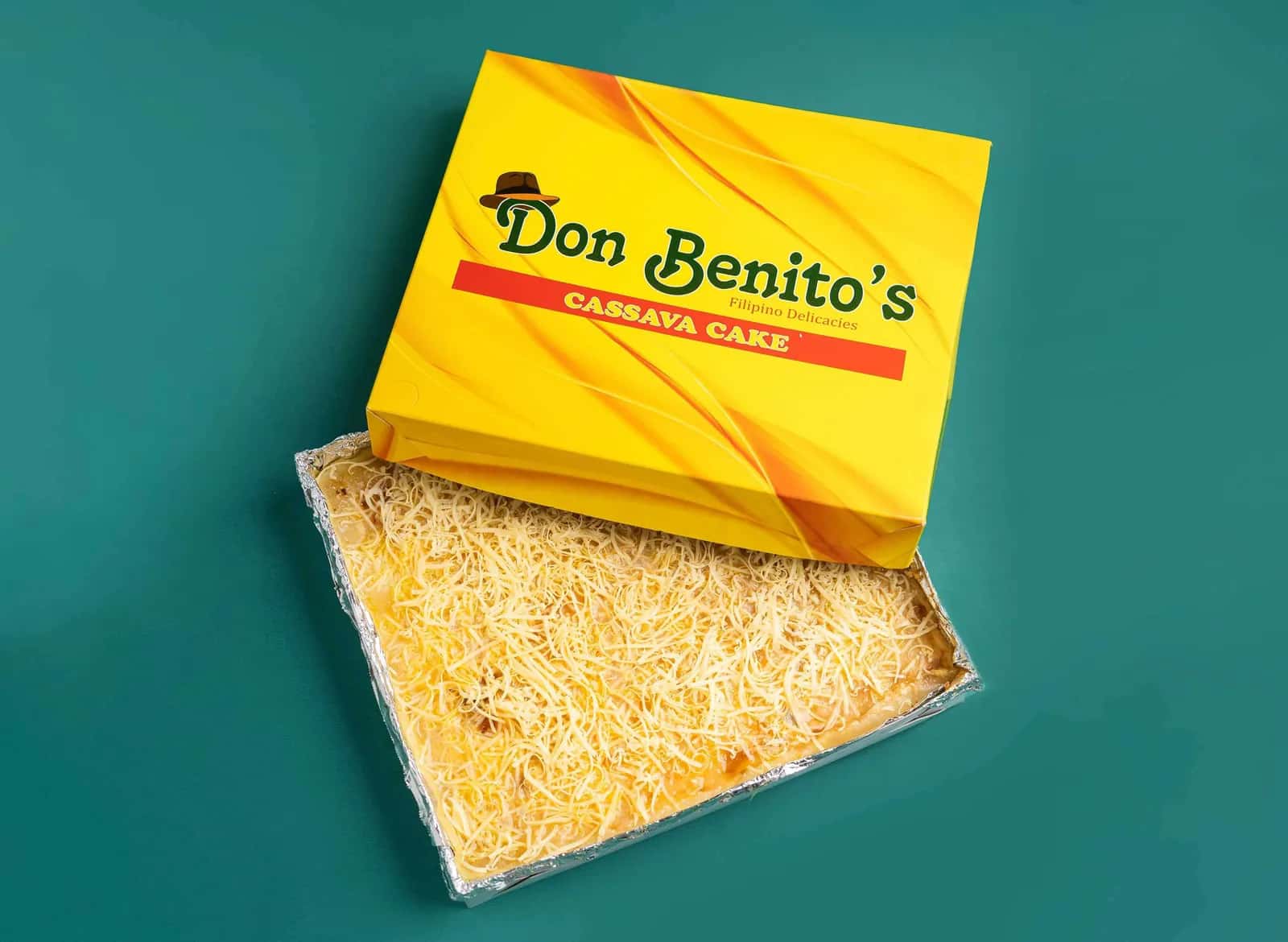
Bakery & Pastry
Visit a branch

Fries & Potato Snacks
Visit a branch

Payment & Remittance Center

Retail & Convenience
Visit a branch
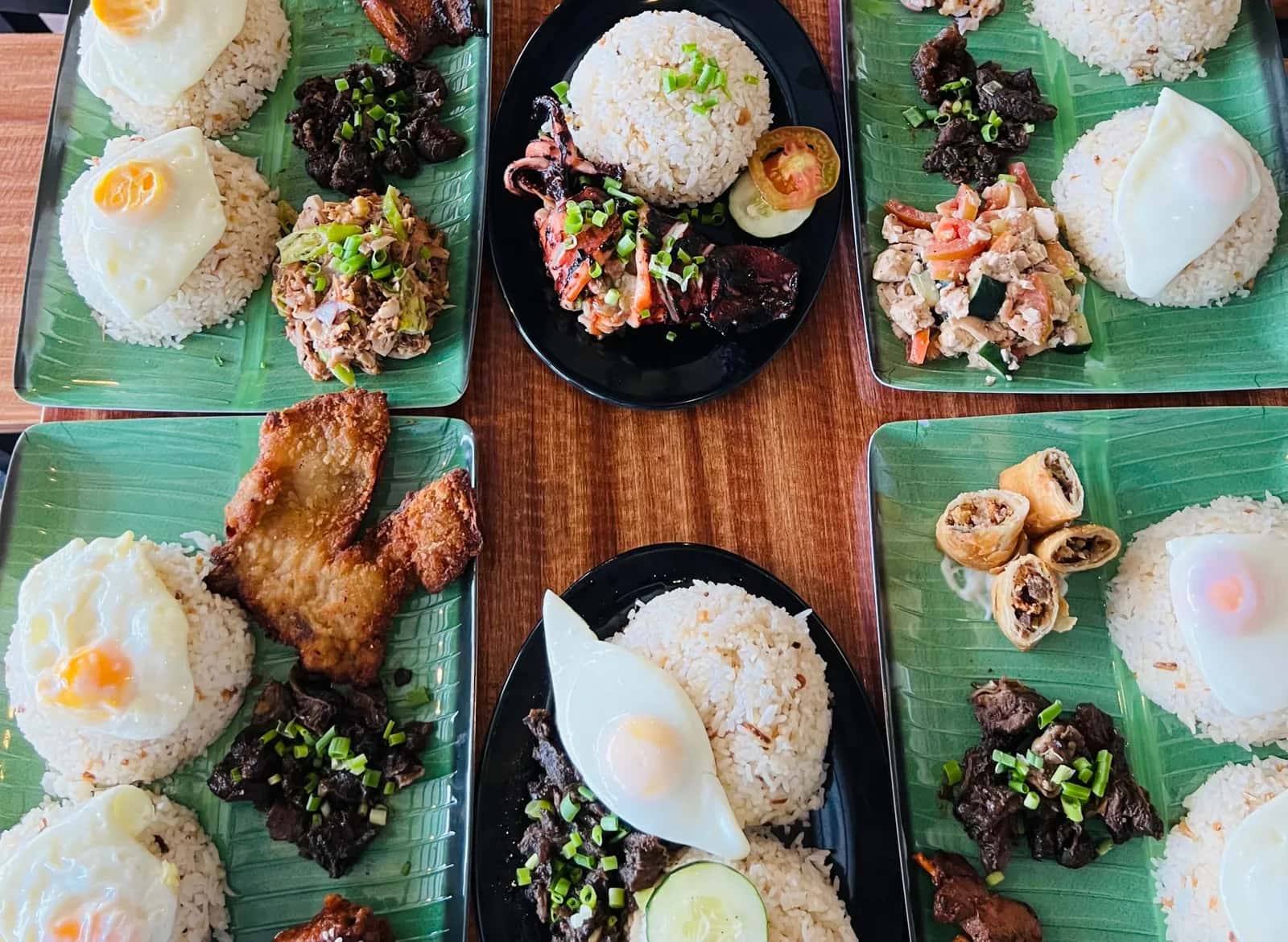
Filipino Restaurant

Street Food & Snacks

LPG Dealership
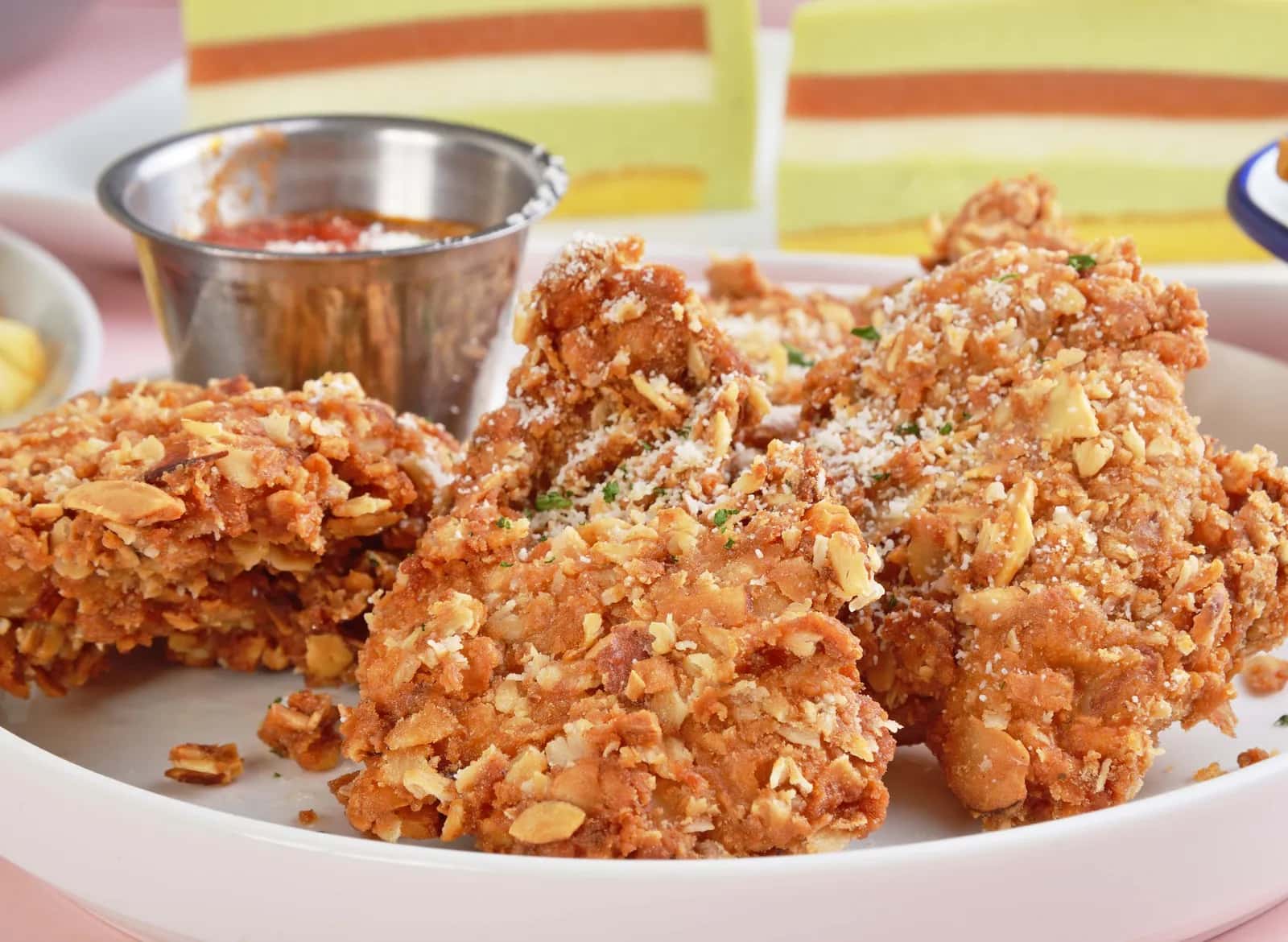
Chicken & BBQ
Visit a branch
Showing 24 of 30 (26 in Palayan, 4 nearby)
Palayan has about 249 businesses on the map, from food and drink to shops, services and clinics. Check what already operates near the spot you have in mind.
Population
45,3832020 census
Per 10,000 residents
55businesses we track
Business locations are based on Overture Maps open data (October 21, 2026 release) and do not represent a complete census of all businesses.
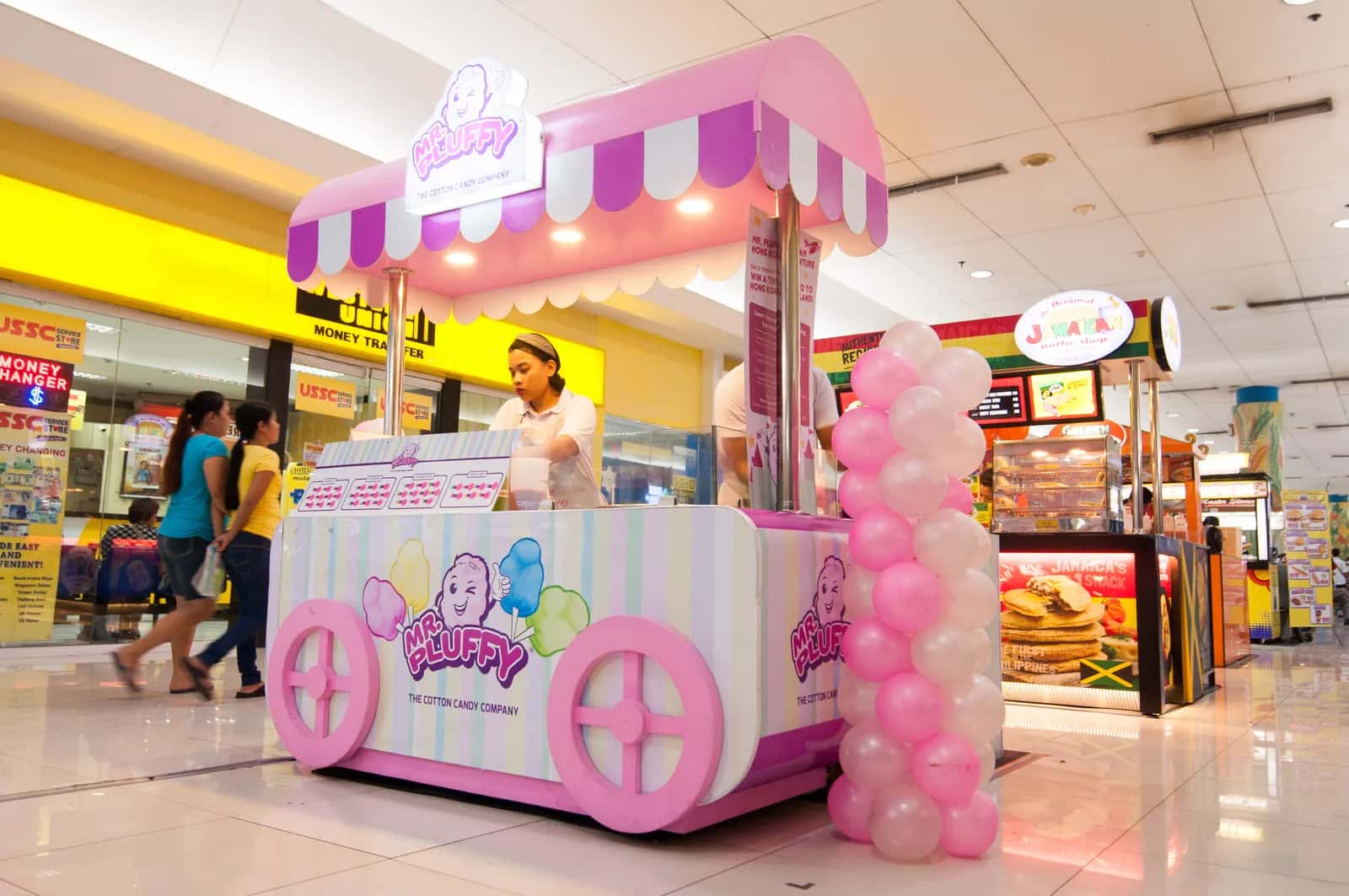
A food cart or a kiosk is the way into Palayan, Nueva Ecija on up to ₱500,000, because those are the two shapes the local setups take. The money asked runs from about ₱250,000 to ₱450,000, with a fee of ₱150,000 inside it and payback quoted at roughly a year. Palayan is a small, orderly city surrounded by rice country, so a first business here succeeds or fails on the habits of a modest, steady community.
Palayan is the capital of Nueva Ecija, a province that lives by its rice harvests, and money in the local economy tends to arrive in seasons. When the palay is sold, farm families and the traders who serve them spend more freely on food, drinks and treats, and the quiet weeks before harvest ask for sharper pricing. The city itself is compact, with government offices, schools and a growing number of homes, so the daily trade comes from workers, students and parents rather than from tourists. That favours inexpensive snacks and drinks that sell at a steady pace and can be made quickly at a counter. Local choice is limited at this budget, which means the cart and kiosk setups already trading in the city are what a newcomer has to work with, and a stall that serves well beside them can build a loyal following. Evenings are quieter than in a larger city, so most sales cluster around the morning rush, the school break and the lunch hour.
The local range of ₱250,000 to ₱450,000 pays for the cart or kiosk, the equipment, the first stock and the signage that makes the stall recognisable. The fee of ₱150,000 sits inside that amount and covers the training, the recipes or systems and the right to trade under the concept. A buyer at the cheaper end holds some of the budget back, and that reserve is useful, since permits, a rental deposit and a few weeks of wages are all paid before the first peso of profit arrives. The quoted payback is about twelve months, assuming daily sales hold up and the owner works the counter personally. In practice the figure is reached sooner by stalls that find a good corner early and later by those that need a few months of adjusting their menu and their hours. Setting out each of these costs on paper before paying the fee keeps the first year from turning into a scramble for cash.
The first two months are about learning, and sales will usually sit below the long-run level while the neighbourhood notices the stall. An owner who tracks each day's takings, the busiest hours and the products that sell out can adjust quickly, whereas one who guesses tends to waste stock. Months three to six settle into a routine, with the harvest season giving a lift and the lean weeks asking for tighter purchasing. By the second half of the year the owner should know whether the spot is working, whether one helper is enough and whether a second stall is worth considering. Rainy weather, power interruptions and slow deliveries from suppliers are the practical interruptions to plan around. A written monthly budget that sets aside rent, wages and a repair reserve is the simplest way to see the real picture. Keeping receipts for every purchase also makes permit renewals and any later expansion much easier to manage.
Across the country the kiosk is the format that dominates up to ₱500,000, and it is the one a Palayan buyer is most likely to meet first. Food carts are offered nearly as often, inline stores less so, and standalone shops, mobile units and home-based setups are scarce. For a small city, a kiosk is attractive because it can stand inside a market, a school area or a roadside lot, with a small footprint and modest rent. A cart is lighter still and can be moved to follow the crowd, which helps in a city where foot traffic shifts with office hours and harvest weeks. Fees across the country range from nothing at all to ₱280,000, so the local ₱150,000 is a mid-range figure. The better question for a buyer is which of the local setups offers the stronger training and supplier terms for the money.
Now that you've seen what's here, a real advisor can help you shortlist and weigh the options against your budget. Free, at your pace.

Financing Readiness · Site Selection

Low-Capital Startups · Site Selection

Low-Capital Startups

Franchise Agreements · Multi-Unit Expansion
Are you a franchise advisor?Get your own workspace here
Choose an industry to see its franchises in Palayan, with their fees and investment ranges.

Carts, kiosks, and full restaurants.
From ₱50k
Kettle Korn, KUKU Frozen Yogurt, Potato Giant
See brands
Bread, cakes, and pastry shops.
From ₱200k
Don Benito's Cassava Cake, Magic Melt, Mrs. Pandesalan
See brandsGet honest answers on what this budget really covers, fees and payback, free and with no pressure.
Staffing a full day costs money, and ₱500k is enough for the 26 franchises in Palayan quoting an investment between ₱400k and ₱500k. Picture opening, deliveries, the rush, cleaning and the evening count, and note which tasks need a paid person. Price that crew for several months and keep it in reserve, so ₱500k covers the package and the payroll. Counting the people the day needs prevents a payroll surprise.
Every extra city you add to the comparison costs time, and here Palayan lists 26 ₱500k franchises, while the surrounding cities list Cabanatuan with 26, Gapan with 26, Muñoz with 26 and San Jose City with 26. Since the benefit is small, set a limit. Compare Palayan with the closest neighbour only, and add a further city only if the first neighbour reveals a franchise or category that is missing from your home list.
Not all of the 249 businesses mapped in Palayan, led by food and drink with 53, services with 50 and shops and retail with 38, are equally active, and open data cannot show which ones are busy. Stand near your spot and watch which pins attract steady customers and which stay empty. Counting only the busy ones gives a smaller figure that reflects the rivals who actually take sales, and that is the number to compare with your own plans.
Honestly, running a ₱500k franchise in Palayan while employed is a stretch for some people and comfortable for others. A solid crew keeps the store open, yet the business still brings phone calls during work hours and weekend errands. Ask yourself whether your job allows you to answer an urgent call during the day, because some roles simply do not, and that changes how you staff the store.
Foreign employment is no barrier here, since OFW families are among the people who open a ₱500k franchise in Palayan. The practical question is which franchises accept owners who are not on site. Make a shortlist, then ask each franchisor the same plain question about absentee owners and compare how clearly they answer. Keep their replies together so the comparison stays fair. The clearest replies point to companies that have handled this before.
Microfinance institutions lend to small entrepreneurs and can help with part of a ₱500k franchise in Palayan, particularly when a bank finds your income history too thin. Their loans tend to be smaller and are often collected in frequent installments, which suits a franchise that brings in cash every day. Ask a local microfinance office how much a new borrower can typically get and how often payments are due, then check whether your expected sales fit that rhythm.
Nearly every ₱500k franchise in Palayan requires DTI or SEC registration, barangay clearance, a mayor's permit and BIR registration, with sanitary and fire safety permits depending on the business. The sequence matters more than people expect, since the mayor's permit office usually asks for your barangay clearance and registration papers first. Some local governments run a one-stop business center where several steps happen in a single visit. Ask whether your city or municipality has one before you plan separate trips.
Thinking only about the opening and not the long run is a risk with any ₱500k franchise in Palayan. Illness, a move abroad or a change in family plans can leave the outlet without anyone to run it. Find out whether the agreement allows you to transfer the business to a relative or sell it, and keep your operations simple enough that someone else could step in without starting from scratch.
Franchisor income does not decide your own, so judge what a ₱500k franchise in Palayan earns from outlet level numbers alone. Ask for the sales, rent and supply costs of real branches, then work out what remains after royalties. A company can look healthy from fees while individual outlets earn little, which is why branch profit figures matter more than company size when you estimate your income.
You can find franchisors who help with site selection and others who do not, even within the same ₱500k range in Palayan. If you have a space you already own or rent, tell the franchisor early. Ask whether that space would qualify and what changes might be needed, because using a space you already control can save you a lot of time and rent.
Compare how many franchises start at each budget level in Palayan, from the smallest packages up.
Compare how many ₱500k franchises take franchisees in each place, nearest first.
Franchises at the next budget level, ₱600k, worth a look if you can stretch your savings a little.

Filipino Restaurant

Milk Tea & Boba

Milk Tea & Boba

Filipino Restaurant

Takoyaki & Japanese Snacks
Visit a branch

Milk Tea & Boba

Filipino Restaurant
Visit a branch
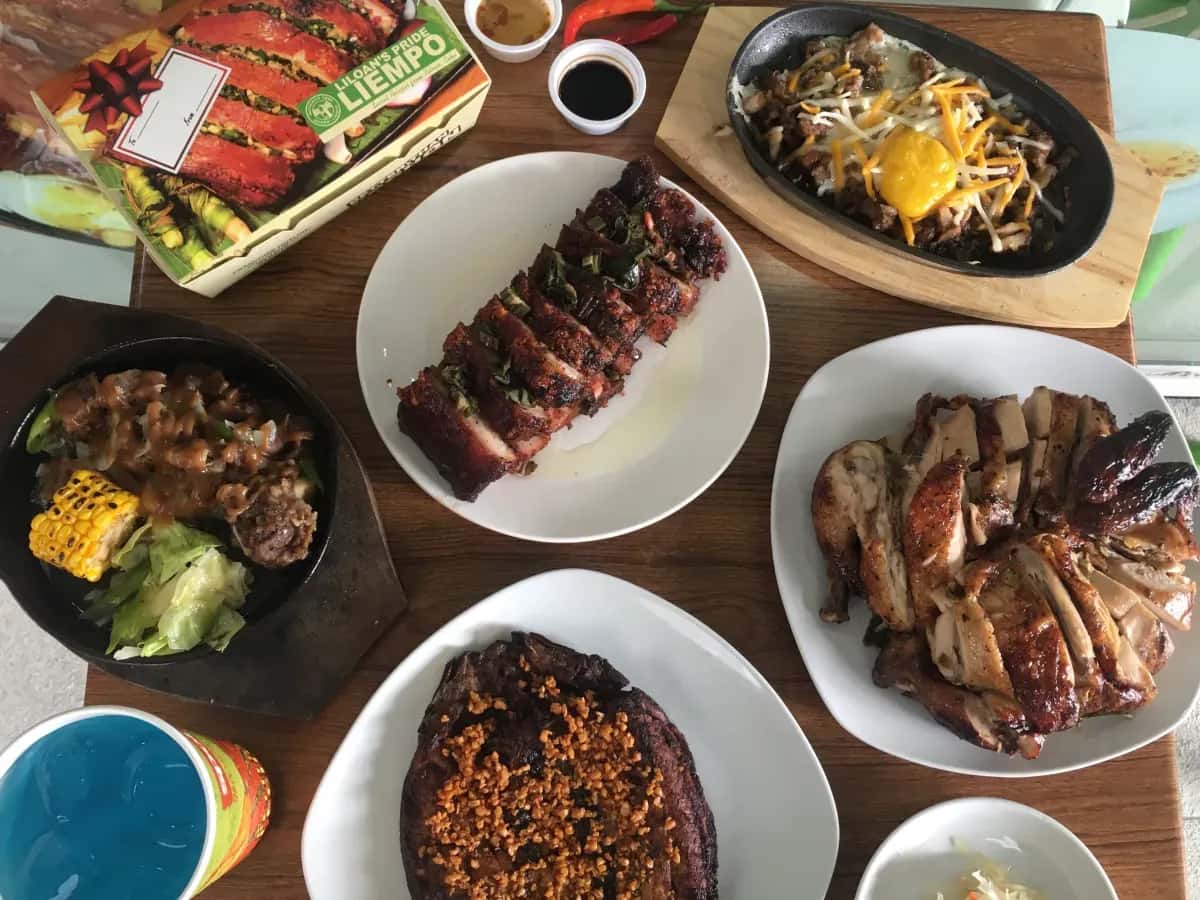
Chicken & BBQ

Learn practical inventory control steps for your Philippine franchise to cut waste, prevent loss, and protect your capital.
Aug 14, 2026 6 min read
Learn how non-compete clauses work when exiting a franchise agreement in the Philippines, protecting your investment after closing.
Jul 20, 2026 5 min read

Learn how to secure financing for your Philippine franchise, from preparation to approval. A practical guide for new operators and OFWs.
Jul 20, 2026 5 min read