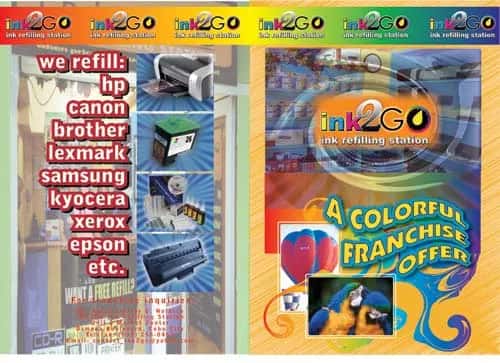
Ink2Go
Printing Services
- Franchise fee
- ₱150k
- Total investment
- ₱150k–₱300k
🎁 Start Your 1 Month Free Trial of the Full Plan, Exclusively for Brands & Advisors.Get Started
Browse a printing franchise up to ₱300k, with an investment of about ₱300k, a franchise fee of about ₱150k, and paying back in about 18 months.
Updated
Printing Services

Printing Services
Printing Services
Printing Services
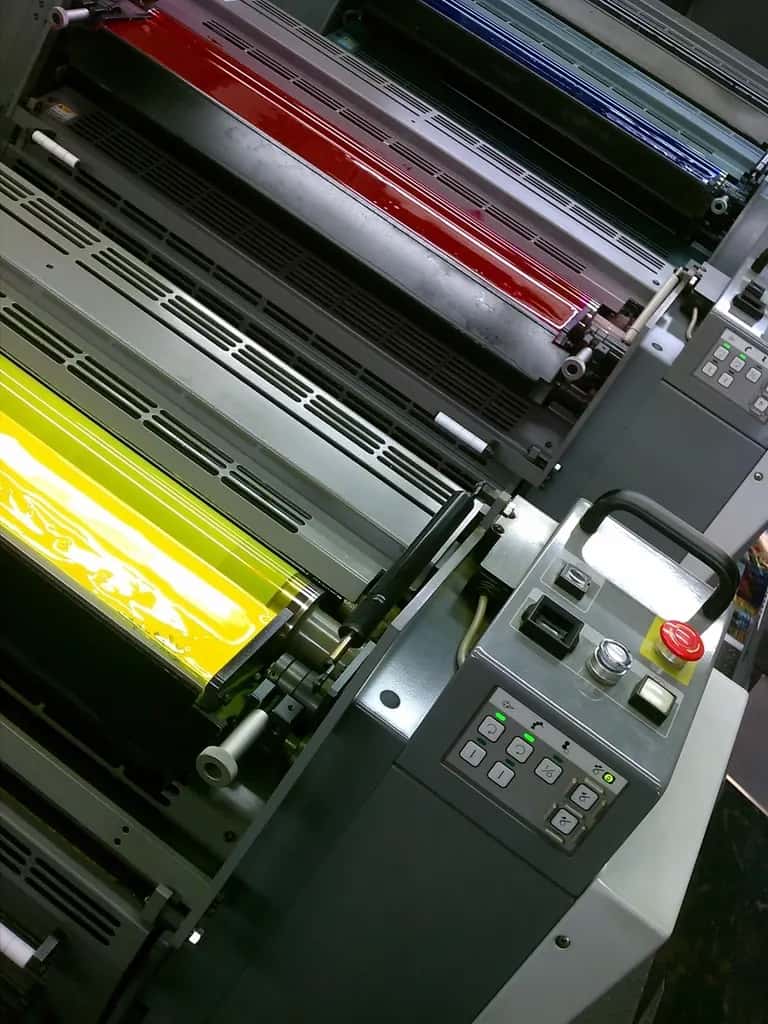
A printing franchise at this budget runs between ₱150,000 and ₱300,000 to open, with the franchise fee fixed at ₱150,000 regardless of where the total lands. Payback is set at around eighteen months. What separates the cheaper end from the pricier end here is less about the fee, which stays the same, and more about the format chosen: a compact kiosk counter or a small inline shop.
At ₱150,000, the entire budget goes to the franchise fee itself, which covers a compact setup with the smallest viable equipment list and a bare-bones fit-out. There is little left over for a second machine or extra working capital at that end. Moving toward ₱300,000, the fee does not change. Every extra peso instead goes into a bigger equipment list, sturdier signage, and a larger cash cushion to cover the first slow weeks before regular customers build up. That is unusual for a franchise category: most of the spread between the cheapest and priciest version of this budget comes from what gets built around the fee, not the fee itself. Payback stays fixed at around eighteen months across the whole range, which suggests the extra equipment bought at the top of this budget is expected to earn its own keep in volume, not in a shorter wait to break even. Anyone budgeting near the top of this range should treat that extra equipment and cushion as the real decision, since the fee itself offers no clue either way.
This budget covers two different footprints, and the fee does not shift between them. One version is a small kiosk, a compact counter placed inside an existing space, built for walk-in jobs like id photos, photocopies, and quick print runs rather than full production work. The other is a small inline shop, its own leased space with a counter and enough room for basic printing equipment behind it. Someone with access to a corner inside an already busy establishment gets more from the kiosk format, since it borrows that location's existing foot traffic instead of building a customer base from nothing. Someone with a small commercial space of their own gets more from the inline format, since it can run independently and take on slightly larger jobs than a shared counter allows. Neither version needs the heavier equipment a bigger budget affords, so both stay limited to routine jobs rather than bulk institutional work.
At this budget, the equipment on hand decides what jobs can be taken, more than staffing or hours do. A kiosk or small shop at this level handles routine walk-in printing well, id photos, photocopies, basic documents, but is not built for bulk runs or large-format work. Turning that kind of job away is normal rather than a sign of a struggling setup. Consumables, ink, paper, and toner, are a real running cost relative to the size of the budget, and at eighteen months of payback there is not much room to absorb a stretch of slow sales or a wasted print run. Staffing tends to be minimal, often one person covering the counter, so being present during the hours walk-in customers actually show up matters more than any marketing effort. A steady daily routine, keeping the counter open and the consumables stocked, does more for this business at this scale than trying to compete on price with a bigger shop.
Since the fee does not change across this budget, the real planning question is how much of the extra room toward ₱300,000 to set aside for equipment and cushion versus how much to save. Worth working out in advance what the kiosk or inline space will actually cost to secure, since that is separate from the fee and varies by location far more than the franchise terms do. Worth asking too what the eighteen-month payback assumes about volume, so the daily target does not come as a surprise once the counter opens. For the kiosk route, confirming the arrangement with whatever space is hosting it, the terms and the split of foot traffic, matters as much as the fee itself. For the inline route, the lease terms and the buildout timeline matter more, since a delayed opening pushes the entire eighteen-month clock back with it. None of this changes what ₱150,000 to ₱300,000 buys. It simply decides how comfortably that budget gets spent.
Now that you've seen what's here, a real advisor can help you shortlist and weigh the options against your budget. Free, at your pace.

Financing Readiness · Site Selection

Franchise Agreements · Multi-Unit Expansion

Low-Capital Startups · Site Selection

Low-Capital Startups
Are you a franchise advisor?Get your own workspace here
Compare printing franchises with other business services businesses up to ₱300k, each with its own brands, fees and investment ranges.
Get honest answers on fees, payback and the best setups for your area, free and with no pressure.
Minimum fees in some franchise agreements can create costs beyond ₱300k even when sales are slow. A franchisor may charge a fixed monthly royalty or marketing fee instead of a percentage, which means you pay the same amount in a weak month as in a strong month. Check whether your agreement uses fixed or sales based fees, and plan your reserves around the worst month rather than the average.
Household involvement shapes the choice among kiosks with 1 franchise and inline stores with 1 for printing at ₱300k. If relatives will take shifts, a staffed format becomes realistic, but only if everyone can commit to specific days and hours. Sit down together, write out who covers which shift, and choose the setup whose schedule your family can truly keep, since a plan that leans on someone who cannot show up regularly will fall apart quickly.
Informal lenders who charge daily or weekly interest can make raising ₱300k feel easy, but they are a risky way to fund a printing franchise. The repayments often grow faster than a new business can earn, and pressure to pay can damage family and work relationships. If a formal loan is not yet possible, give yourself more time to save rather than taking money on terms you cannot see clearly.
Ownership of the items is part of what ₱300k buys in a printing franchise, so ask whether equipment is sold to you or only supplied for use. The franchise fee, equipment, supplies and training are the usual inclusions. Have the franchisor state on the written inclusion list which items you own outright, and compare that detail across offers, since two similar packages can differ on it.
Whether a printing franchise between ₱200k and ₱300k suits you as a beginner depends partly on how much hands-on skill the work needs. Some trades can be learned in a few days of training, while others take months of practice. Ask yourself honestly which kind this is and whether you could learn it or would rely on hired staff. Matching the skill demand to your own abilities is a quiet but important readiness check.
Compare how many printing franchises start at each budget level, from the smallest packages up.
Printing franchises priced close to your budget, worth a look if you can stretch your savings or want to spend less.

Printing Services
Printing Services
Printing Services
Printing Services
Printing Services

Printing Services
Printing Services
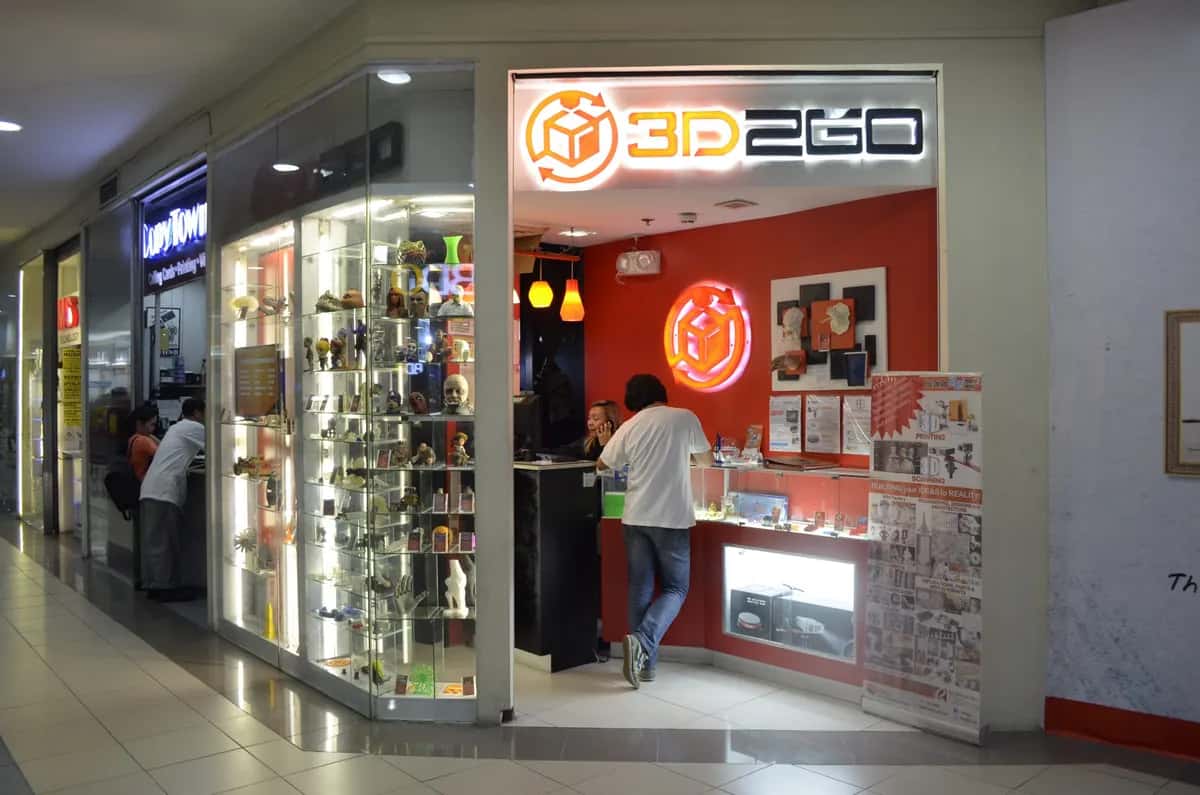
Printing Services
Compare printing franchises with other industries at the same budget, each with its own brands, fees and investment ranges.

Carts, kiosks, and full restaurants.
83 brandsFrom ₱30k
Chings Fried Noodles, 99 Silog, Captain Calamares +80 more
See brands
Coffee, milk tea, and cold drink shops.
7 brandsFrom ₱150k
I Love Milk Tea, Milktealicious, Zan's Gallon Milktea +4 more
See brands
Bread, cakes, and pastry shops.
2 brandsFrom ₱150k
Puto ni Bumbong, Choo-Choo Waffle Station
See brandsCompare industries by budget, daily work and payback before you choose one, free and with no pressure.

Learn practical inventory control steps for your Philippine franchise to cut waste, prevent loss, and protect your capital.
Aug 14, 2026 6 min read
Learn how non-compete clauses work when exiting a franchise agreement in the Philippines, protecting your investment after closing.
Jul 20, 2026 5 min read

Learn how to secure financing for your Philippine franchise, from preparation to approval. A practical guide for new operators and OFWs.
Jul 20, 2026 5 min read