LABLIFE Medical and Diagnostic Center
Clinics & Diagnostics
- Franchise fee
- No franchise fee
- Total investment
- ₱2.5M–₱6M
🎁 Start Your 1 Month Free Trial of the Full Plan, Exclusively for Brands & Advisors.Get Started
Browse 7 clinic & diagnostic franchises over ₱1.5M, with investments from ₱4.6M to ₱20.8M, franchise fees mostly between ₱410k and ₱960k, and most paying back in 24 to 41 months.
Updated
Clinics & Diagnostics
Clinics & Diagnostics
Clinics & Diagnostics
Clinics & Diagnostics
Clinics & Diagnostics
Clinics & Diagnostics

Clinics & Diagnostics
At ₱2M and up, clinics and diagnostics stops looking like a small business and starts looking like a real medical facility. Investment at this level runs from about ₱2.5M to ₱25M. The franchise fee ranges just as widely, from nothing at all to close to ₱1M. What that money actually buys depends entirely on whether the package on offer is a laboratory service or a dialysis operation, and those two kinds of business barely resemble each other once the doors open.
Every option at this level offers an inline package, built inside an existing space rather than a purpose-built structure. A smaller share also offer a standalone package, a separate building a franchisee puts up on its own lot. A laboratory service can often share space comfortably with a clinic or a hospital wing, which keeps its footprint down even at a high price. A dialysis operation tends to need a dedicated floor to manage patient scheduling and machine capacity through the day, no matter what the overall budget looks like. Knowing which shape a brand actually takes matters more than the headline number, since a laboratory sharing an existing building can open its doors far sooner than a dialysis build ever could. A reader touring a site should ask what the brand is actually proposing to build before assuming every option costs roughly the same to fit out, because they rarely do.
The wide gap between ₱2.5M and ₱25M is not a pricing quirk. It reflects how different the equipment and licensing needs are at each end of this budget. Payback stretches from about two years to about four, and that spread tracks how long it genuinely takes specialized machinery to earn back its cost rather than any real difference in how much demand exists. A reader drawn here by the ₱2M starting point should expect the top of the range to run roughly ten times higher, far beyond a modest rise above the entry cost. Two locations opening the same year can end up worlds apart in scale, staffing, and monthly overhead once the actual equipment order is placed. Franchise fees sit somewhere in between, from close to nothing where income instead comes through supply and referral arrangements, up to around ₱1M for the more established packages.
Nearly everything at this budget carries a heavier compliance load than a typical retail or food franchise. Health authorities inspect medical facilities on a stricter schedule than they apply to a shop or a restaurant. Equipment at this scale usually needs its own maintenance contracts and regular calibration, and staffing has to include licensed professionals whose credentials stay current at all times. None of that is optional here, and skipping it is not a way to save money, since a lapse in either area can shut a facility down until it gets corrected. A reader should budget for that compliance work as an ongoing cost, not a one-time hurdle cleared before opening day. Building that into the monthly numbers from the very start avoids an unpleasant surprise a year or two into operating. Margins at this scale tend to hold up better once the equipment is paid off, since a laboratory or dialysis service keeps billing the same patients for repeat tests and sessions long after the initial build cost is behind it. Growth from a single site usually means adding capacity first, a second machine, an extra shift, or a wider panel of tests, rather than opening a second address right away. The compliance and staffing work scales with each new site almost as much as it did with the first.
This level of investment suits an investor with real capital behind them and, ideally, a partner with clinical or laboratory experience. It does not suit someone looking for a fast, simple counter operation. The payback horizon here runs in years, and the regulatory demands sit closer to a hospital department than a retail franchise. It rewards patience above almost anything else. It also rewards a genuine, lasting interest in the healthcare side of the business, not just the returns. Someone chasing the next available opportunity without understanding daily operation tends to struggle here more than in most other categories. Going in with a clear picture of that hands-on commitment, before signing anything, is what actually separates a smooth first year from a rough one at this level. The reward for that preparation is a business built on steady, recurring demand rather than one-off sales.
Now that you've seen what's here, a real advisor can help you shortlist and weigh the options against your budget. Free, at your pace.

Financing Readiness · Site Selection

Franchise Agreements · Multi-Unit Expansion

Low-Capital Startups · Site Selection

Low-Capital Startups
Are you a franchise advisor?Get your own workspace here
Compare clinic & diagnostic franchises with other pharmacy & health businesses over ₱1.5m, each with its own brands, fees and investment ranges.
Get honest answers on fees, payback and the best setups for your area, free and with no pressure.
For newcomers, the count at ₱2M is seven clinic & diagnostic franchises with an investment above ₱1.5M, and a list that long can feel heavy. A simple method is to split it into two piles, those whose package details are clear and those whose details are thin. Study the clear pile first. You can return to the thin pile if the clear one disappoints, but starting there saves effort and speeds up your decision.
Experience with customers helps you handle the clinic & diagnostic setups at ₱2M, namely inline stores with 7 franchises and standalone stores with 1. Formats with direct service call for patience and quick thinking at the counter, while others lean more on preparation and organization behind the scenes. Be honest about which kind of work you do well, and choose the setup whose daily tasks fit your strengths, with staff covering the areas where you are weaker.
Franchisors say 24 to 41 months is a fair expectation for a ₱2M clinic & diagnostic franchise to recover its cost. Check that against owners who already run one by asking how long their own payback took and how their first months went. Owners can also tell you which costs surprised them and what cushion they wished they had saved, which helps you plan for a slower start than the estimate suggests.
Listening to current owners is the most direct check on ₱2M. Owners from the seven clinic & diagnostic franchises quoting an investment above ₱1.5M can tell you how their actual opening cost compared with the quote and how much cash they needed before the outlet steadied. Ask a few of them the same questions, and look for a pattern in their answers rather than relying on a single story.
Your stage of life shapes the answer, and a ₱2M clinic & diagnostic franchise fits best when your responsibilities leave room for a new business. A young single worker, a parent with small children and a retiree each face different limits on time and risk. Think about which describes you and what you can give up for a year or two. Fit between the franchise and your life matters more than the size of the package.
Looking at clinic & diagnostic franchises at ₱2M, the franchise fee generally sits from ₱410k to ₱960k. A fee near either end means little until you know how many years it covers, because the same amount spread over a longer contract works out cheaper per year. Check the term written in the agreement and divide the fee by those years to get a fairer comparison between franchisors whose fees look similar at first glance.
Thinking about worst cases makes your plan to raise ₱2M for a clinic & diagnostic franchise stronger, not gloomier. Ask yourself what happens if the store opens late, sales are slow or a family member needs money. Build a little extra into your target for those surprises, so a single setback does not force you to close or borrow again. Preparing for setbacks also makes lenders and family more confident in your plan.
Water use can be significant for some outlets, so add it to what you budget beyond ₱2M. Businesses that wash, clean, cook or prepare drinks may use far more water than a household, and some spaces need filtration or a water tank too. Read the water meter arrangement in your lease, and ask the franchisor whether they require any filtration equipment that the package does not include.
Your city may well be open, because among the seven clinic & diagnostic franchises at about ₱2M, two say they accept franchisees nationwide. Existing outlets gather mostly in Caloocan, Manila and Quezon City, which shows where these franchisors have the most experience. The simplest way to confirm is to send each franchisor an inquiry that names your city, the type of site you are considering, such as a mall stall or a street front, and your target opening month. Their reply will tell you quickly whether you fit their expansion plans.
The ₱2M figure is a package price, and the franchisor decides what it contains. You will usually find equipment, training, initial stock and signage, though some packages add extras and others quietly drop an item or two. Take your time comparing the full inclusions, and if a franchisor pushes you to pay a deposit before you have seen the written list, treat that pressure as a clear reason to slow down.
Compare how many clinic & diagnostic franchises start at each budget level, from the smallest packages up.
Clinic & Diagnostic franchises priced close to your budget, worth a look if you can stretch your savings or want to spend less.
Clinics & Diagnostics
Drugstore
Drugstore

Drugstore
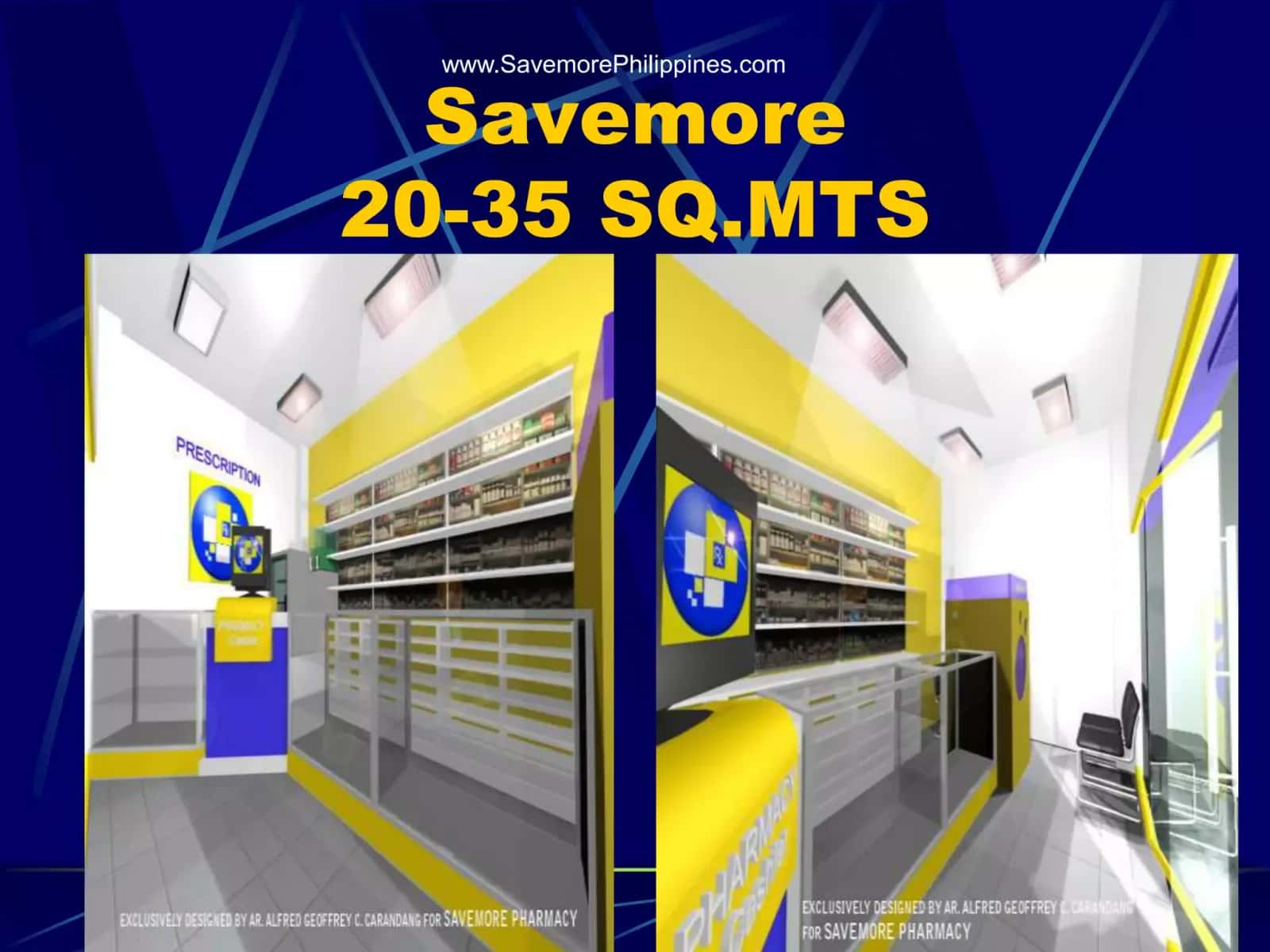
Drugstore

Drugstore

Drugstore
Drugstore
Compare clinic & diagnostic franchises with other industries at the same budget, each with its own brands, fees and investment ranges.

Carts, kiosks, and full restaurants.
267 brandsFrom ₱150k
Jollibee, Shakey's, Mang Inasal +264 more
See brands
Salons, barbershops, and spa services.
85 brandsFrom ₱499k
Big Apple Express Spa, Bruno's Barbers, Chroma (by Cre8) +82 more
See brands
Coffee, milk tea, and cold drink shops.
65 brandsFrom ₱500k
Zagu, Macao Imperial Tea, Ai-CHA +62 more
See brands
Mini marts and convenience stores.
59 brandsFrom ₱300k
Animaland Stuffery, Alfamart, Folded & Hung +56 more
See brands
32 brandsFrom ₱1M
MSA Academic Advancement Institute, STI, Top Drive Driving Institute +29 more
See brands
Bread, cakes, and pastry shops.
29 brandsFrom ₱100k
Mister Donut, Goldilocks, Red Ribbon +26 more
See brands
28 brandsFrom ₱800k
Eastern Petroleum, Speedy1 Carwash, Pilipinas Shell +25 more
See brands
Gyms, studios, and sports facilities.
24 brandsFrom ₱1.6M
Active Fun, GoFit Gym, Snap Fitness 24/7 +21 more
See brands
20 brandsFrom ₱1M
TNC Cyber Cafe, BNI Philippines, Cosmopolitan Funeral Homes +17 more
See brands
Self-service and full-service laundry shops.
12 brandsFrom ₱450k
CS Laundry, Tiny Bubbles Self-Service Laundry, LabaBox +9 more
See brandsCompare industries by budget, daily work and payback before you choose one, free and with no pressure.

Learn practical inventory control steps for your Philippine franchise to cut waste, prevent loss, and protect your capital.
Aug 14, 2026 6 min read
Learn how non-compete clauses work when exiting a franchise agreement in the Philippines, protecting your investment after closing.
Jul 20, 2026 5 min read

Learn how to secure financing for your Philippine franchise, from preparation to approval. A practical guide for new operators and OFWs.
Jul 20, 2026 5 min read