How Franchise Formats Drive Your Monthly Staffing Bill
Want help applying this to your own plan? A real advisor can walk you through it, free.
Get Free GuidanceWhen planning your first business, it is easy to focus only on the initial franchise fee or the cost of construction. However, your choice of franchise format directly shapes your most significant recurring expense, which is your monthly payroll. Understanding how layout dictates headcount helps you protect your profit margins from day one. Choosing the right format ensures your operating costs remain sustainable for the long haul.
1. The Low Cost Food Cart and Kiosk Advantage
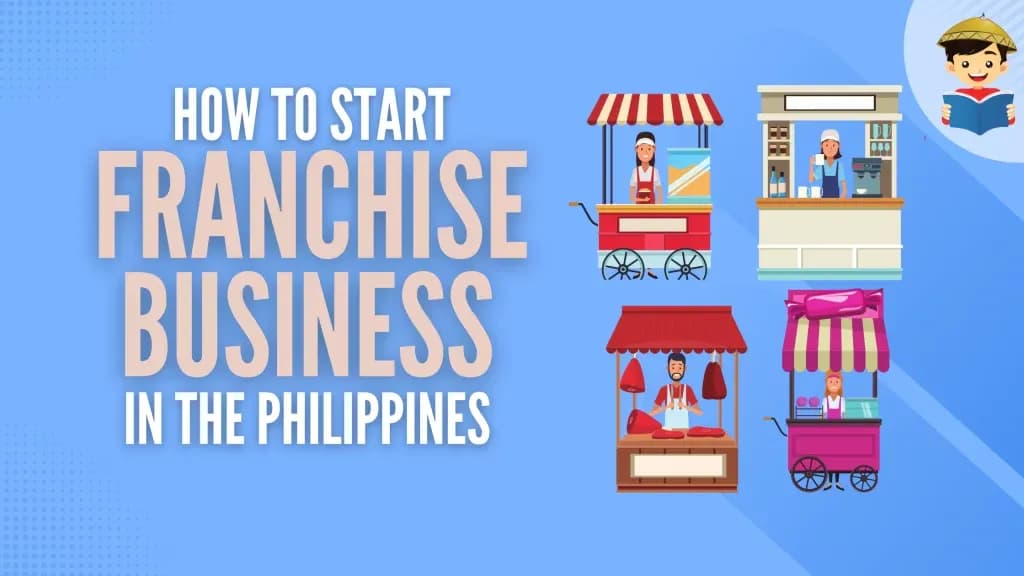
Small formats like a Food Cart or a Kiosk require the absolute minimum number of employees to operate. Because the physical footprint is tight, one or two workers can handle inventory, prepare products, and manage the cash register simultaneously. Brands like Kwatogs or Myungjang Korean Corndog thrive in this setup because the simplified menu fits perfectly into a compact space. For Overseas Filipino Workers or side income seekers, this format reduces management headaches. You do not need a complex shifting schedule or a large team to keep the business running smoothly. Your primary staffing challenge here is simply finding trustworthy individuals who can work independently without constant on site supervision.
2. Hidden Payroll Costs of the Inline Store
Moving up to an Inline Store or a Standalone format changes your financial dynamics completely. A larger floor plan means you need dedicated staff for different roles. You will need separate personnel for front of house customer service, back of house kitchen preparation, and overall store maintenance. Brands like Deco's Original La Paz Batchoy or Flame It! Burgers and Sausages require these larger layouts to accommodate sit down diners. More square meters mean more areas to clean, secure, and manage. This format forces you to hire a full time store supervisor to oversee daily operations. Consequently, your monthly staffing bill will multiplicate compared to a basic cart setup.
3. Shifting Schedules and Operational Hours
Your physical location dictates your store hours, which directly impacts your total headcount. Malls typically require tenants to operate for twelve hours a day, seven days a week. Because a standard legal work shift is eight hours, a mall based inline store requires at least two full shifts of workers. You must hire additional reliever staff to cover rest days, sick leaves, and sudden absences. Even a modest milk tea brand like BenTea will need a larger team if it is located inside a major shopping mall. When computing your budget, always multiply the base headcount by the number of shifts required to keep the doors open during mandatory operating hours.
Advisors Ready To Help

Consultant
Financing Readiness · Site Selection

Advisor
Franchise Agreements · Multi-Unit Expansion

Mentor
Low-Capital Startups

Coach
Low-Capital Startups · Site Selection
Are you a franchise advisor? Get your own workspace here
4. Specialization and the Need for Skilled Labor
Different business sectors require different levels of employee expertise, which drives up wages. Food and Beverage franchises often use automated systems so that anyone can learn to cook the menu items within a few days. However, service intensive sectors require specialized professionals. For example, a spa and massage franchise like Dr. White Glow requires licensed therapists and trained receptionists. A specialized laundry service like Labadab requires staff who understand machine maintenance and fabric care. Skilled workers command higher salaries and expect better benefit packages. If your chosen format requires specialized labor, you must budget for higher retention costs to prevent your trained staff from leaving.
5. Step by Step Staffing Estimation for Beginners
To avoid cash flow problems, calculate your manpower needs before signing any franchise agreement. First, ask the franchisor for the exact minimum headcount required to run the specific format during a single shift. Second, check the operating hours of your target location to determine if you need one, one and a half, or two full shifts. Third, research the prevailing minimum wage and mandatory government benefits in that specific region. Fourth, add a ten percent buffer to your total estimate to cover overtime pay and holiday premiums. This systematic approach ensures you know exactly how much cash you need to set aside for payroll during the initial months of business.
6. Operational Red Flags to Watch Out For
Be careful not to understaff your business just to save on monthly expenses. Understaffing leads to long customer wait times, poor service quality, and rapid employee burnout. High employee turnover actually costs more money because you constantly spend on recruiting and training new personnel. On the flip side, overstaffing during slow afternoon hours eats away your daily profits. Look for a franchisor that provides comprehensive cross training for all employees. When your workers know how to handle the cash register, prepare food, and clean the premises, you can maintain a lean and flexible team without sacrificing service standards.
Ready to see real options? Browse franchise opportunities with published costs across the Philippines.
Browse Franchises