Go Forward Pest Control
Cleaning & Pest Control
- Franchise fee
- ₱300k
- Total investment
- ₱800k–₱1.5M
🎁 Start Your 1 Month Free Trial of the Full Plan, Exclusively for Brands & Advisors.Get Started
Browse 12 mobile unit franchises in Tanjay, including 2 affordable franchise brands under ₱100k that pay back in about 3 months, 5 medium-investment franchise brands between ₱100k and ₱1M that pay back in 12 to 18 months, and 4 premium franchise brands above ₱1M that pay back in 24 to 36 months.
Updated
Cleaning & Pest Control
Cleaning & Pest Control
Tanjay has about 409 businesses on the map, from food and drink to shops, services and clinics. Check what already operates near the spot you have in mind.
Population
82,6422020 census
Per 10,000 residents
49businesses we track
Business locations are based on Overture Maps open data (October 21, 2026 release) and do not represent a complete census of all businesses.
Fees for a mobile unit begin under ₱20,000 and reach ₱1.5M, which makes it one of the widest-priced formats a buyer in Tanjay, Negros Oriental, can look at. The city lies along the coastal highway north of Dumaguete, so a unit has both local crowds and passing travellers to serve. The money, the market and the working day decide how that wide price range turns into earnings.
A cheap unit is usually a cart or a small vehicle with a short product list, and a fully equipped one carries a larger vehicle, a fuller kit and a bigger stock. The fee rises with the build, from under ₱20,000 for the simplest setups to ₱1.5M for the heaviest, so the money an owner has settles which end is realistic. Payback is quoted from as little as three months for the lightest setups, and heavier ones take longer because there is more to repay. Fuel, parking, permits, insurance and repairs recur monthly at every level. A buyer who adds those to the purchase price and keeps a small reserve will find the quoted timeline easier to meet. Nobody needs the biggest build to begin, and many owners choose a lighter unit first, then upgrade the vehicle or the kit once the route earns well. That path keeps early losses small if a stop turns out weaker than expected. A written list of every cost before the first payment makes the comparison between setups fair.
Tanjay has a busy public market, schools, offices and a long stretch of highway, so a unit can serve very different customers in a single day. Fishing and farming families buy early, students and workers around midday and travellers at any hour along the road to the north and south. Barangays away from the centre have fewer shops, and a unit that visits on a regular day becomes part of their routine. Evenings around the plaza and at events bring families who stay and buy more, and weekends carry the busiest crowds. A name people recognise from elsewhere gives travellers a reason to stop at a unit they have never seen. Because the city is small enough to cover in a morning, a unit can visit several kinds of crowd in one shift without losing hours on the road. That is a real advantage over a fixed shop, which has to wait for each crowd to come to it.
A day begins at a base where stock is loaded and the vehicle is checked, and the first stop is usually the market, where the earliest buyers gather. Rain on the coast can empty a street quickly, so the owner keeps a covered alternative and moves when the weather turns. Highway stops need space to pull over safely, and the city government's rules on where a unit may stand are worth learning before the first trip. A helper who knows the route and the regulars shortens every stop. Evening work is cleaning, restocking and counting cash, and a note of sales per stop shows which places deserve a regular visit. Heavy rain, a flat tyre or a late delivery can wreck a plan, so owners who carry a small repair kit and a spare supplier contact lose far less than those who do not. Days off are worth scheduling too, because the work is physical and tiredness shows at the window.
Alongside a mobile unit, the inline store is the format most often sold, appearing in about one in three setups, and it asks for a lease, a fit-out and a crew. Kiosks come next at about one in four, while food carts and home-based setups each appear in about one in six and standalone buildings in about one in twelve. The unit asks for the least rent and staff of them all. Owners who start with it can learn the best spot and later open a counter there under the same name, if the agreement allows. Taken together the formats offer a ladder, with the unit on the lowest rung and the standalone building on the highest. A buyer who is unsure can look at how many staff and how much rent each rung adds, then pick the one that suits the savings. Asking existing owners about their first year is the most reliable way to see what each rung really asks.
Now that you've seen what's here, a real advisor can help you shortlist and weigh the options against your budget. Free, at your pace.

Financing Readiness · Site Selection

Franchise Agreements · Multi-Unit Expansion

Low-Capital Startups · Site Selection

Low-Capital Startups
Are you a franchise advisor?Get your own workspace here
Choose an industry to see all of its franchises in Tanjay, with their fees and investment ranges.
Get honest answers on the space, staff and money this setup really needs, free and with no pressure.
Customers in many communities like the convenience of a seller who comes to them, which is the quiet strength behind the 12 franchises offering a mobile unit in Tanjay. Subdivisions, workplaces and gatherings without nearby shops can become loyal stops. Talk to a homeowners association officer or a workplace administrator about scheduled visits, since an agreed weekly slot can give your unit dependable sales that walk-in spots rarely match.
Imported equipment can move what a mobile unit franchise in Tanjay costs to start, which runs from ₱18k to ₱30k to ₱12.5M. If machines or ingredients are priced from abroad, a weaker peso raises the amount due by the time you pay. Ask whether the quote is in pesos and how long it is held. A peso quote with a stated validity gives you a figure you can plan around.
Seating or no seating separates some of cleaning & pest control with 4 franchises, food & beverage with 4 and automotive with 1, the industries offering mobile units in Tanjay. A take out style mobile unit franchise suits busy passersby, while a sit down style invites people to linger. Decide which kind of scene you picture when you imagine your business. That mental picture helps you choose between industries and spares you from researching ones that sell the opposite of what you imagine.
The overlap between lists deserves attention, since Tanjay has 12 mobile unit franchises and Bais with 12, Bayawan with 12, Canlaon with 12 and Dumaguete with 12 show a close count. A high overlap means you can compare the same franchise across cities and learn how location changes terms. A low overlap means the cities offer different menus, and you should compare the lists themselves. Work out which case you face, because it changes how you should go about comparing.
Picture the day your reserve is used up and the mobile unit is still not covering its costs, because planning to avoid that day is what working capital is for. In Tanjay, that means funding every recurring bill, from any rent to wages and stock, for longer than the hopeful forecast. Ask yourself what you would cut or change at that point, and write it down now while you can think clearly.
That is entirely possible, and a responsible plan for a mobile unit franchise in Tanjay includes what happens if the person running it can no longer do so. Illness, a new job or a family move can all leave the outlet without a manager. Name a backup person now, introduce them to the staff and the franchisor, and make sure they know enough of the daily routine to step in on short notice.
Getting legal advice is easier when you arrive with clear questions, so start by asking the franchisor about term length, renewal, termination, territory and transfer for a mobile unit in Tanjay. Bring their answers and the draft contract to a lawyer, and ask the lawyer to flag any clause where the spoken answer and the written text disagree. A focused review like this can cost less than a general reading and highlights the issues most likely to matter.
What you take home depends entirely on how the numbers work out at your own location, so treat any single figure you hear about mobile units in Tanjay with caution. A useful reality check is to learn how existing units of the same franchise have fared over time, including the ones that did not make it. Ask the franchisor plainly how many units have closed in Tanjay and nearby areas, and why, since the reasons often reveal which costs or locations hurt earnings.
When a franchisor claims government recognition or accreditation, ask for the document and check it with the issuing office. Some claims are genuine, while others stretch a simple business registration into something it is not. A DTI certificate, for example, confirms that a business name is registered, not that the franchise is sound. Knowing what each document actually proves helps you judge the franchisor offering a mobile unit in Tanjay more accurately and with less guesswork.
Compare how many franchises run as each kind of setup in Tanjay, from food carts to full standalone stores.
Compare how many mobile unit franchises take franchisees in each place, nearest first.
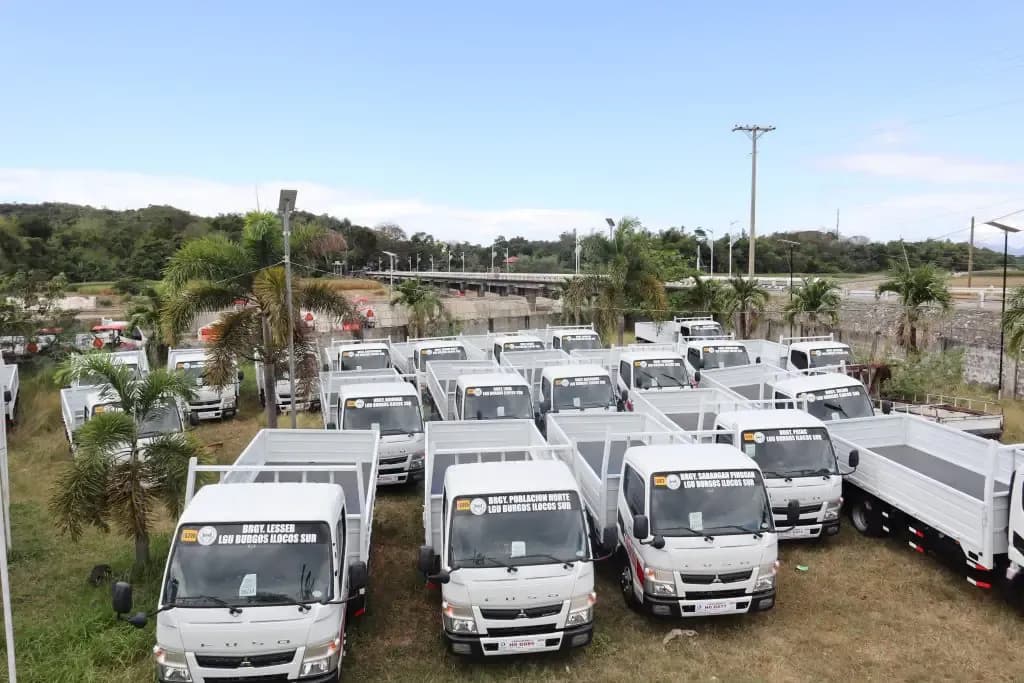
Learn the daily realities, routines, and operational demands of running a mobile franchise unit in the Philippines.
Aug 4, 2026 6 min read

Don't fall for high store counts. Learn why top franchise numbers don't guarantee profit and how to find the best business for you.
Jul 24, 2026 5 min read

Discover how to safely review a young franchise concept in the Philippines and protect your hard-earned capital.
Jul 24, 2026 5 min read