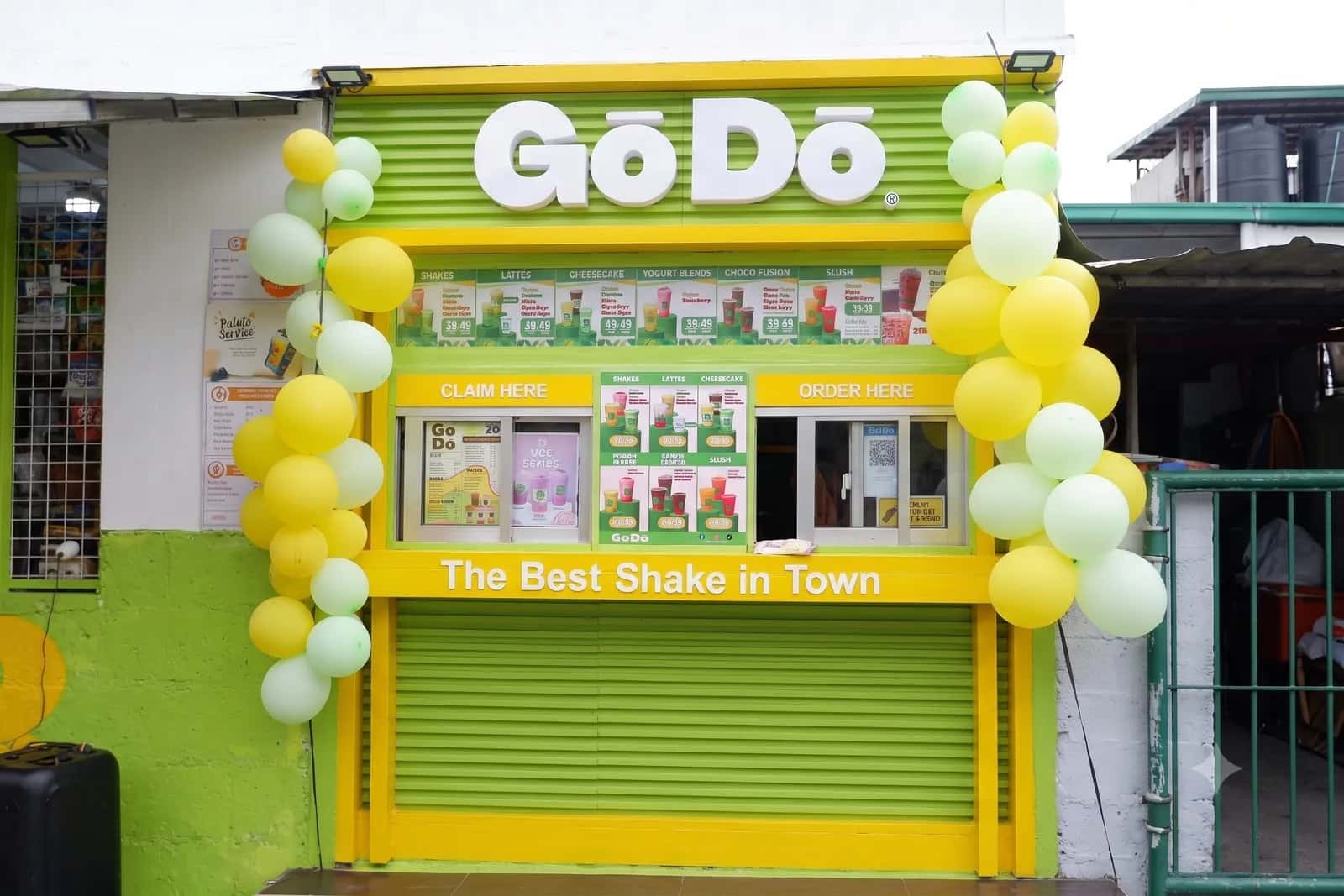
GoDo
Juices & Shakes
- Franchise fee
- Not disclosed
- Total investment
- Not disclosed
🎁 Start Your 1 Month Free Trial of the Full Plan, Exclusively for Brands & Advisors.Get Started
Browse 12 mobile unit franchises in Leyte, including 2 affordable franchise brands under ₱100k that pay back in about 3 months, 5 medium-investment franchise brands between ₱100k and ₱1M that pay back in 12 to 18 months, and 4 premium franchise brands above ₱1M that pay back in 24 to 36 months.
Updated
Cleaning & Pest Control

Cleaning & Pest Control
Leyte has about 9,610 businesses on the map across its cities and towns, from food and drink to shops, services and clinics. Check what already operates near the spot you have in mind.
Population
2,028,7282020 census
Per 10,000 residents
47businesses we track
Business locations are based on Overture Maps open data (October 21, 2026 release) and do not represent a complete census of all businesses.
Leyte's towns still trade heavily in copra and palay, produce that moves through public markets and roadside stops scattered across the province rather than through one central hub, and a mobile unit fits naturally into that spread-out pattern. Nothing yet runs a mobile setup naming any of Leyte's towns directly, so what a buyer at this budget gets comes entirely from the nationwide field. A vehicle-based setup nationwide prices anywhere from about ₱18,000 for the leanest version to eight figures for one built as part of a much bigger operation.
A mobile unit rarely comes bundled with a standalone building option nationwide, since the two formats serve almost opposite purposes: one stays put and waits, the other moves to find customers. A cart shows up about as rarely, chosen by brands that want a second, even leaner footprint alongside the vehicle rather than a genuine alternative to it. Running the business from home between routes is a little more common, useful for prepping and storing stock before a route starts each day. A kiosk turns up more often still, offering a fixed fallback for slower periods when the vehicle is not out on the road. An inline store is the most common alternative footprint of all, chosen by roughly a third of brands offering a mobile unit. These are usually the more established names that already run fixed locations elsewhere and add the vehicle as an extra way to reach customers, rather than as the whole business. Which alternate footprint a brand offers, if any, usually says more about how long that brand has been operating than about the format itself.
Demand for a mobile setup in a province like Leyte comes from reaching buyers who are not clustered around one town center. A harvest-season market day here, a barangay fiesta there, a school or a work site that draws a predictable crowd at a predictable hour, all work the same way. None of those stops alone supports a fixed storefront, which is exactly the gap a vehicle is built to close. Payback nationwide on this format ranges from as fast as three months for the cheapest vehicles up to three years for the costlier ones. That spread mostly tracks what the vehicle itself cost to buy and outfit, rather than how well any given route performs. A cheaper unit clears its cost sooner almost by default, though a route that actually reaches enough of those scattered pockets of demand matters just as much as the price tag on the vehicle.
Before buying into a mobile unit in a province this spread out, ask how the brand expects a route to be planned. Towns here can sit an hour or more apart by road, and a route built for a compact city does not simply scale to island geography. Getting a straight answer to that question before signing says a lot about how much route planning the brand has actually done elsewhere. It is worth asking what backup exists if the vehicle breaks down or a ferry schedule shifts a delivery, given that a mobile business earns nothing while it is stuck rather than selling. A last practical question is who owns maintenance and fuel costs month to month, since those recurring expenses rarely appear in the headline entry figure but shape whether the quoted payback is realistic here specifically.
The fee attached to a mobile unit nationwide runs from about ₱18,000 at the cheap end up to ₱1,500,000 for a vehicle tied to a much larger, more established brand. That top figure covers a fully outfitted unit and a built-out system behind it: training, a supply chain already used to restocking a moving business, and often a route already worked out before the vehicle even arrives. The cheap end usually buys the vehicle concept and little else, leaving the new operator to work out the route, the supply chain, and the daily schedule mostly alone. Neither end is automatically the better choice for a first outing in Leyte specifically. A well-supported vehicle at the higher fee can save months of trial and error working out where the customers actually are. A lean setup at the low end leaves more room to adjust the route, without walking away from money already spent building brand-specific systems.
Now that you've seen what's here, a real advisor can help you shortlist and weigh the options against your budget. Free, at your pace.

Financing Readiness · Site Selection

Franchise Agreements · Multi-Unit Expansion

Low-Capital Startups

Low-Capital Startups · Site Selection
Are you a franchise advisor?Get your own workspace here
Choose an industry to see all of its franchises in Leyte, with their fees and investment ranges.
Get honest answers on the space, staff and money this setup really needs, free and with no pressure.
Some people picture a mobile unit as easy money on wheels, so it helps to know the daily routine before choosing among the 12 franchises offering it in Leyte. You load supplies, drive, set up, sell, pack, clean and restock, often before and after the selling hours. A frank chat with the franchisor about a typical owner's day will tell you whether that rhythm fits your health and your family life.
Local government fee schedules differ by city, which affects what a mobile unit franchise in Leyte costs to start from ₱18k toward ₱30k to ₱12.5M. Business permit fees often depend on the size of your space and the type of business. Ask the city or municipal hall for their current schedule and requirements. Taking that figure to your budget gives a firmer number than any general estimate of permits.
Plan for the possibility that you cannot finish paying the fee, which for mobile units in Leyte runs ₱30k to ₱1.4M. Ask what happens to the amount already paid if you must stop, and whether a pause is allowed. Having this answer before you start helps you choose a payment plan you can complete, and keeps you from sinking money into a deal you can no longer finish.
Cash is what repays you, so check whether the 11 to 25 months quote for mobile units in Leyte is based on cash profit or paper profit. Accounting figures may spread equipment costs over several years, which makes profit look healthier than the money in your drawer. Ask the franchisor to show monthly cash left after every payment, including loan installments and supplies bought in advance. Use that cash figure to count how fast your investment truly comes back.
Long term plans point to different industries among cleaning & pest control with 4 franchises, food & beverage with 4 and automotive with 1, those offering mobile units in Leyte. If you hope to grow into several outlets, look for industries where growth is common. If you want one steady business for your family, almost any industry on the list could work. Be clear about your ambition first, because it filters the list more effectively than any other single factor.
Open maps show a count of 9,610 businesses in Leyte across services with 2,141, food and drink with 2,079 and shops and retail with 1,984 categories, and the count undercounts small sellers. Compare your area to one you already know well. If you know a street where you can name every shop, check how the map covers it. The coverage you observe there is a decent guide to how much is missing here, and it costs you only an afternoon.
Before you settle on a figure, check whether the franchisor's quoted investment already includes any working capital, because some packages do and many do not. For a mobile unit franchise in Leyte, knowing this prevents you from counting the same money twice. Read the package breakdown line by line, ask in writing what each item covers, and treat anything labelled as initial inventory separately from the cash you need to keep running afterward.
For most people opening their first mobile unit in Leyte, the required permits are DTI or SEC registration, a barangay clearance, a mayor's or business permit and BIR registration, with fire and sanitary permits where they apply. It can feel like a lot, but countless small business owners have gone through the same steps. Tackle it with patience, and ask politely for clarification at every counter rather than guessing what an officer meant.
Compare how many franchises run as each kind of setup in Leyte, from food carts to full standalone stores.
Compare how many mobile unit franchises take franchisees in each place.
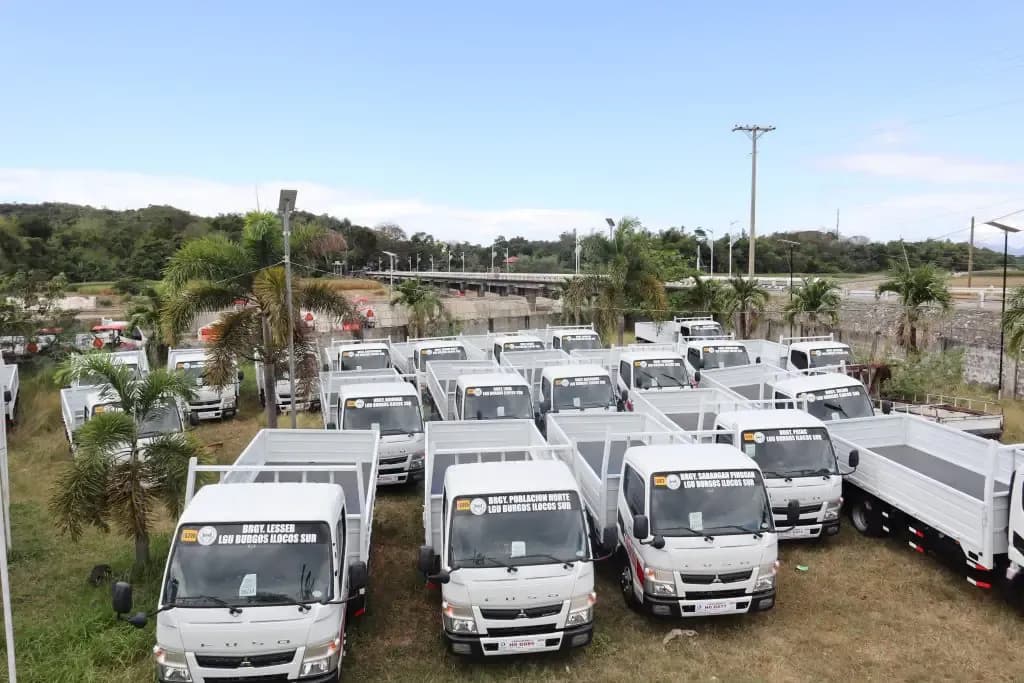
Learn the daily realities, routines, and operational demands of running a mobile franchise unit in the Philippines.
Aug 4, 2026 6 min read
Don't fall for high store counts. Learn why top franchise numbers don't guarantee profit and how to find the best business for you.
Jul 24, 2026 5 min read
Discover how to safely review a young franchise concept in the Philippines and protect your hard-earned capital.
Jul 24, 2026 5 min read