Konam
Chicken & BBQ
- Franchise fee
- ₱15k
- Total investment
- ₱15k–₱30k
🎁 Start Your 1 Month Free Trial of the Full Plan, Exclusively for Brands & Advisors.Get Started
Browse 20 franchises up to ₱50k in Koronadal, with investments from ₱17k to ₱50k, franchise fees mostly between ₱15k and ₱19k, and most paying back in 2 to 6 months.
Updated

Retail & Convenience
Koronadal has about 2,321 businesses on the map, from food and drink to shops, services and clinics. Check what already operates near the spot you have in mind.
Population
195,3982020 census
Per 10,000 residents
119businesses we track
Business locations are based on Overture Maps open data (October 21, 2026 release) and do not represent a complete census of all businesses.
A kiosk, a home-based stall or a small cart is the kind of business that ₱50,000 can start in Koronadal, South Cotabato, and each of them is sold by brands that operate across the country. No setup is priced for the city itself, so a newcomer chooses from a range that begins near ₱500 and tops out at the full amount. Signing fees range from nothing to about ₱30,000, and quoted payback stays within six months, a short window for a low-cost start.
The cheapest ideas cost only a few hundred in materials and run from a front room or a table by the road, with a small menu and orders taken by phone or message. That suits a person keeping a job while testing the idea. A step further, around ₱15,000 to ₱30,000, brings a proper cart with a counter, basic equipment and a first batch of stock. Near ₱50,000, a kiosk or a larger cart adds storage, a better display and a wider menu. Much of the difference comes from the signing fee, so two setups at the same total can leave very different cash for ingredients. Permits from the city government, packaging, gas or ice and a small reserve come on top, and it is wise to set aside about a fifth of the budget for them. Asking each seller for a written list of what the fee includes makes two similar prices easier to compare.
The city is the government and trading centre for a wide farming area, so offices, schools, markets and banks bring people in from surrounding towns every weekday. Farmers and traders arrive early on market days, and their breakfast and midday snacks are a steady source of sales. Students and government staff fill the streets near schools and offices at fixed hours, and evenings draw families to the plaza. Payday weeks and harvest seasons lift spending, while fiestas fill the streets for days. A cheap, filling item that can be served fast matches most of these customers, and a stall near a school gate, the public market or the bus terminal meets them just as they want to buy. Sunday mornings around the churches and weekends at the plaza add short, reliable rushes for a stall with a simple menu. Heat keeps cold drinks and fruit-based items selling for most of the year, and breakfast items sell best where workers gather early.
Days start early, with shopping for stock or collecting deliveries and prep before the first buyers arrive. Between rushes, an owner cleans, counts what is left and decides how much to prepare for tomorrow, because waste cuts into a thin margin quickly. Most owners work the counter alone at first and add help at the busiest hours. Heat is a daily factor, so cold drinks and covered counters matter, and sudden rain can empty a street within minutes, so a simple cover over the counter earns its cost quickly. Keeping a written record of sales and costs each evening shows which items earn their place. Because payback is quoted in months rather than years, a few weeks of honest records are enough to judge whether the spot and the menu are working. Restocking twice a week rather than once keeps items fresh and stops money from sitting on the shelf.
Mobile units and standalone shops sit at the edge of what brands sell at this money, and inline stores are only a little more common, so the working choice is among a kiosk, a home-based setup and a cart. Kiosks are the most widely sold, and more than half of all setups can be run from home. A home-based stall costs the least because the owner supplies the space, and it fits a family with a front room on a busy street. A cart lets an owner test corners around the market and the schools before settling. A kiosk offers a fixed, covered place that regulars learn to find, and it stores more stock, at the price of a larger share of the budget. Whichever format is chosen, a clean counter, a price list that is easy to read and a friendly greeting matter as much as the menu, because customers here return to the seller they trust.
Now that you've seen what's here, a real advisor can help you shortlist and weigh the options against your budget. Free, at your pace.

Financing Readiness · Site Selection

Low-Capital Startups

Franchise Agreements · Multi-Unit Expansion

Low-Capital Startups · Site Selection
Are you a franchise advisor?Get your own workspace here
Choose an industry to see its franchises in Koronadal, with their fees and investment ranges.
Get honest answers on what this budget really covers, fees and payback, free and with no pressure.
Koronadal franchise seekers at ₱50k will find these industry counts: food & beverage with 9 franchises, logistics & courier with 3 and coffee & milk tea with 2. Look at what sits near your spot, like a school, office, terminal or church, since each draws people with different needs at different hours. Pick the industry from this list that serves the crowd those places bring past your door. Keep in mind that schools empty during breaks and offices quiet down on weekends, so ask yourself how the business would fare when that main source of foot traffic disappears for a while.
Relocation friendly formats stand out among kiosks with 13 franchises, home-based or online setups with 11 and food carts with 10 at ₱50k in Koronadal. Light setups can be packed up and moved, while built in ones are fixed to their spot. Ask how each format is constructed and how much of it you can take with you. A format you can move offers more freedom if a spot turns out poorly, so weigh portability when comparing the names on the list.
A figure of 2,321 businesses in Koronadal, led by food and drink with 570, services with 535 and shops and retail with 447, is an input, not a verdict, and open data is incomplete. It cannot say whether the area is too crowded for you. Combine it with your own rival count and with what nearby owners say about how many customers each shop gets. Only then does the number support a decision.
For many OFW families, the biggest hurdle is not the money but the time someone at home can give. A ₱50k franchise in Koronadal may need attention early in the morning, late at night and on weekends. Write out a weekly schedule with your relative and staff, so you can see whether the hours actually work before you commit. If the schedule looks crowded on paper, it will feel even tighter in real life.
Equipment financing or leasing can lower what you pay upfront for a ₱50k franchise in Koronadal, if the package includes machines, carts or kitchen gear that a supplier is willing to finance. Not every franchisor allows this, since some require you to buy equipment directly through them. Ask the franchisor whether equipment can be sourced or financed separately, and if it can, compare the total cost of leasing against buying outright.
Some franchise agreements set minimum purchase or sales targets, and these can affect what a ₱50k franchise in Koronadal earns you. If you must buy a set amount of stock each month regardless of sales, slow periods can turn into losses. Read the agreement for any quota or minimum order clause, and ask current franchisees whether those requirements have ever been hard to meet.
Hands-on help exists, but for a ₱50k franchise in Koronadal it is often limited to advice, so expect to look yourself. Ask the franchisor which kinds of areas have worked well for its owners, and request a few examples of spots it approved. Seeing what a good proposal looks like helps you shortlist in Koronadal with more confidence and avoid submitting places that are unlikely to pass.
Franchisors usually train you in their systems when you buy a ₱50k franchise in Koronadal, covering operations, products and selling. Training costs money to deliver, so some franchisors cap the number of trainees or days and charge for anything beyond. Ask what the cap is, whether unused training can be used later for new staff, and what each additional session costs.
Some franchisors run training on local store marketing, and joining it is a smart way to learn how to attract customers to a ₱50k franchise in Koronadal. These sessions often cover approved promos, social media guidelines and lessons from other outlets. Ask whether the training is included in your package and attend with your outlet manager if you have one. Bring specific questions about your area so the advice fits Koronadal rather than staying general.
Compare how many franchises start at each budget level in Koronadal, from the smallest packages up.
Compare how many Under ₱50k franchises take franchisees in each place, nearest first.
Franchises at the next budget level, ₱100k, worth a look if you can stretch your savings a little.
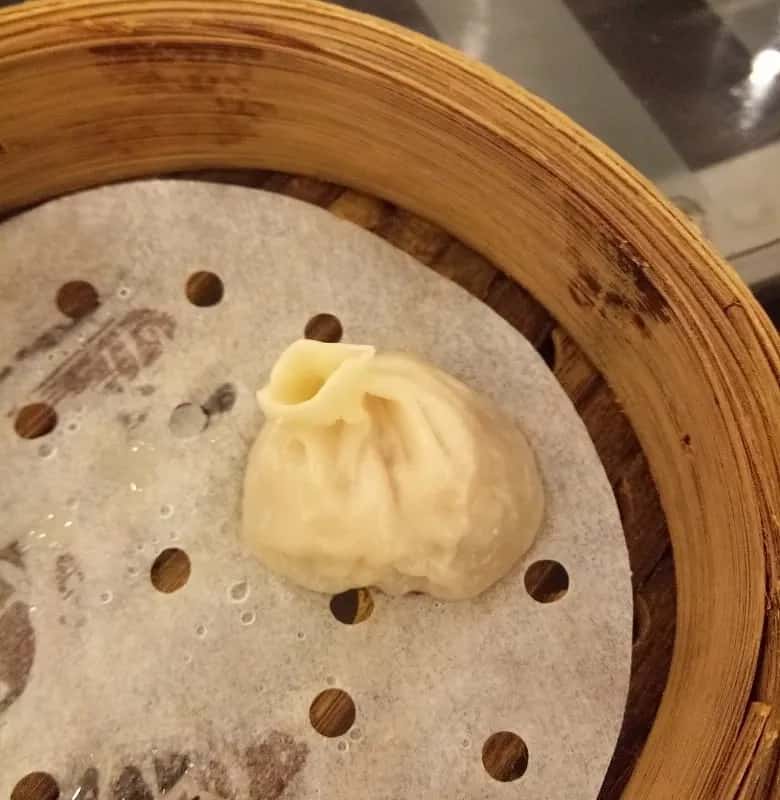
Siomai & Dimsum

Payment & Remittance Center

Payment & Remittance Center
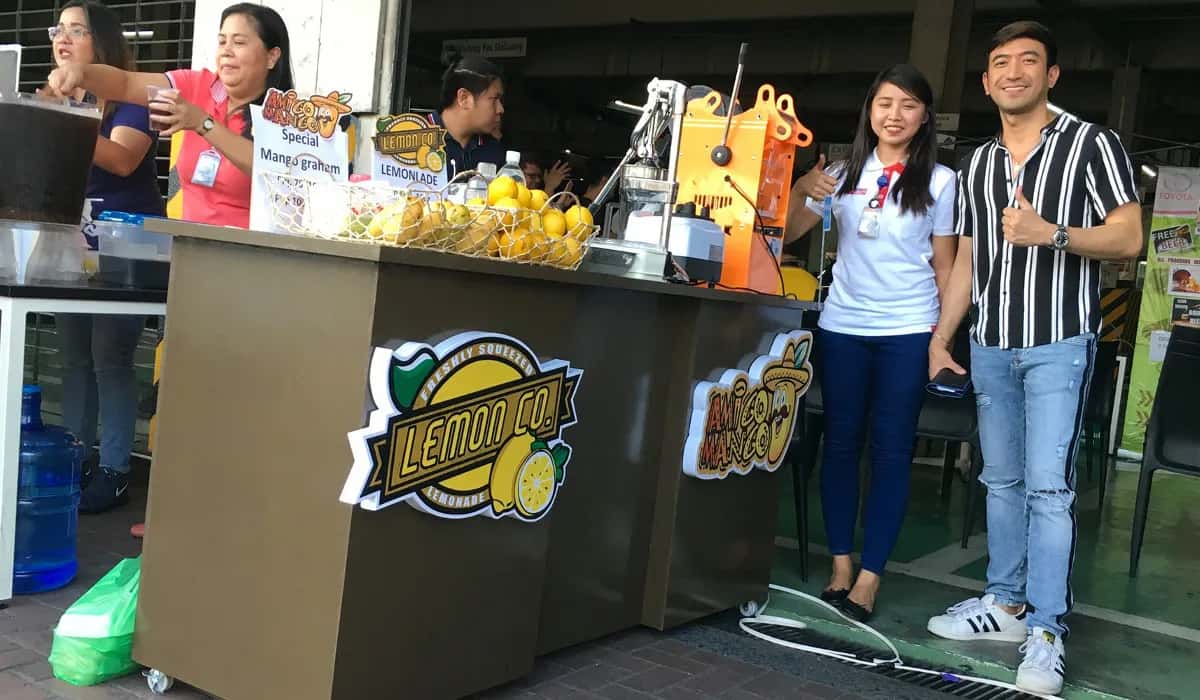
Waffle Shop

Fries & Potato Snacks

Street Food & Snacks
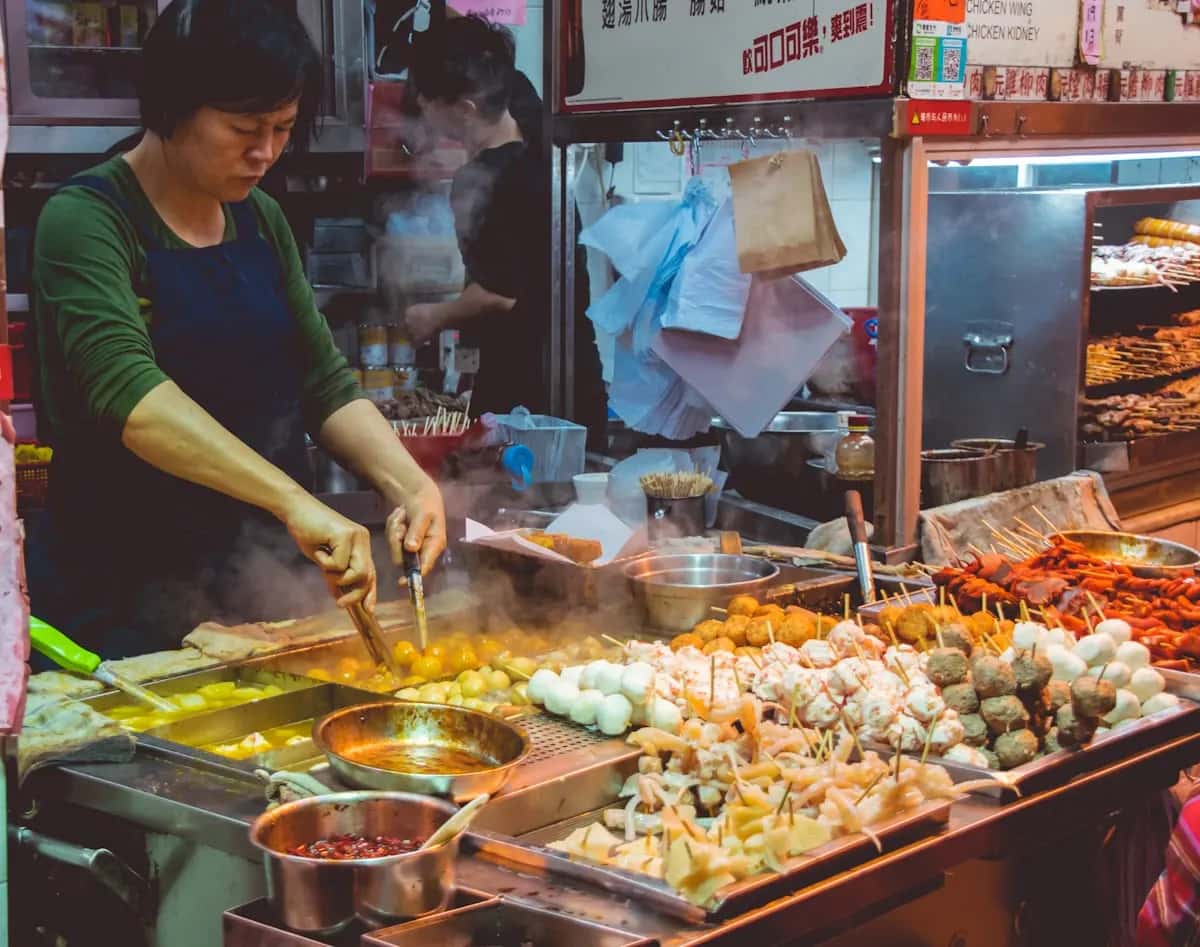
Street Food & Snacks
Street Food & Snacks

Learn how non-compete clauses work when exiting a franchise agreement in the Philippines, protecting your investment after closing.
Jul 20, 2026 5 min read
Learn practical inventory control steps for your Philippine franchise to cut waste, prevent loss, and protect your capital.
Aug 14, 2026 6 min read

Learn what dispute resolution clauses mean for Philippine franchisees. Protect your investment with this guide to arbitration, mediation, and litigation steps.
Jul 21, 2026 6 min read